Recommended Tours
Tokyo Essentials Tour: A Sensory Journey
Recommended Tours
One Day, Infinite Tokyo Custom Private Tour
All our tours available by private car. Door-to-door service, no station stairs, climate control throughout—when comfort and accessibility matter more than experiencing Tokyo's train system.
Door-to-door comfort, no station stairs, air conditioning throughout—¥50,000-77,000 depending on duration when mobility matters more than experiencing trains.
All Hinomaru One tours can be conducted by private car instead of trains—door-to-door service, no station stairs, climate control throughout. Costs ¥50,000-77,000 depending on duration, paid separately from guide fees.
Whether this makes sense depends on your mobility needs, travel style, and what you want from Tokyo.
Deciding If You Need Car Service
Car service falls into three categories based on necessity:
Essential: Wheelchair users, walkers, significant mobility limitations. Not a luxury—necessary infrastructure when Tokyo's station stairs aren't navigable.
Helpful: Families with kids under 6, luggage on arrival/departure day, elderly travelers with stamina concerns, evening tours avoiding last train stress. Solves real problems but trains remain workable.
Comfort: Healthy adults who simply prefer door-to-door service. Legitimate choice but paying ¥50,000-77,000 premium for convenience, not solving mobility problems.
Access-dependent: JDM car culture tours. Daikoku PA and Tatsumi PA are on expressways with no pedestrian access. Private car isn't comfort—it's the only way to physically reach these locations. See how JDM tours work.
The category you're in determines whether the cost makes sense.
When Car Service Is Essential (Not Optional)
If you use a wheelchair, walker, or have significant knee/hip issues making stairs difficult, car service isn't luxury—it's necessary infrastructure.
Tokyo's major tourist stations have varying elevator access:
Stations with elevators:
-
Tsukiji, Ueno, Asakusa, Akihabara, Tokyo Station: Full elevator access
-
Shibuya: Elevators available but location varies by exit
-
Meiji-jingumae: Full elevator access
Limited or no elevator access:
-
Harajuku (JR): Elevator only at Omotesando entrance
-
Shinjuku: Elevators exist but station complexity (200+ exits) makes navigation difficult
Older stations without elevators have 40+ stairs between platform and street level. Even stations with elevators require knowing which exits have access—not obvious when you're unfamiliar with the station.
Car service eliminates this entirely. Pickup at your hotel entrance, drop-off at each neighborhood's optimal entry point (often closer to attractions than train stations), no stairs or crowds.
Note: Car service doesn't eliminate all walking. Tours like Timeless Tokyo involve extensive walking through temple grounds and cemetery paths even with car service—it just removes transit walking between neighborhoods. For detailed guidance on accessibility considerations for Tokyo touring, including station-by-station access information and mobility planning, we break this down separately.
When Car Service Makes Sense (But Isn't Essential)
Families with Young Children
Kids under 6 turn train travel into logistics management:
-
Carrying strollers up station stairs (at stations without elevators)
-
Maneuvering strollers onto crowded trains
-
Managing tired kids during train waits
-
Explaining train etiquette to overtired 4-year-olds
Car service means kids nap between neighborhoods, strollers stay in trunk, snack breaks happen without buying train tickets, bathroom emergencies are easier to handle.
Kids 6-10 handle trains better but car service still helps on full-day tours when cumulative fatigue hits by hour 5. For specific family-friendly pacing and logistics considerations, including activities that work well for different age groups, see our dedicated family touring guide.
Luggage on Arrival/Departure Day
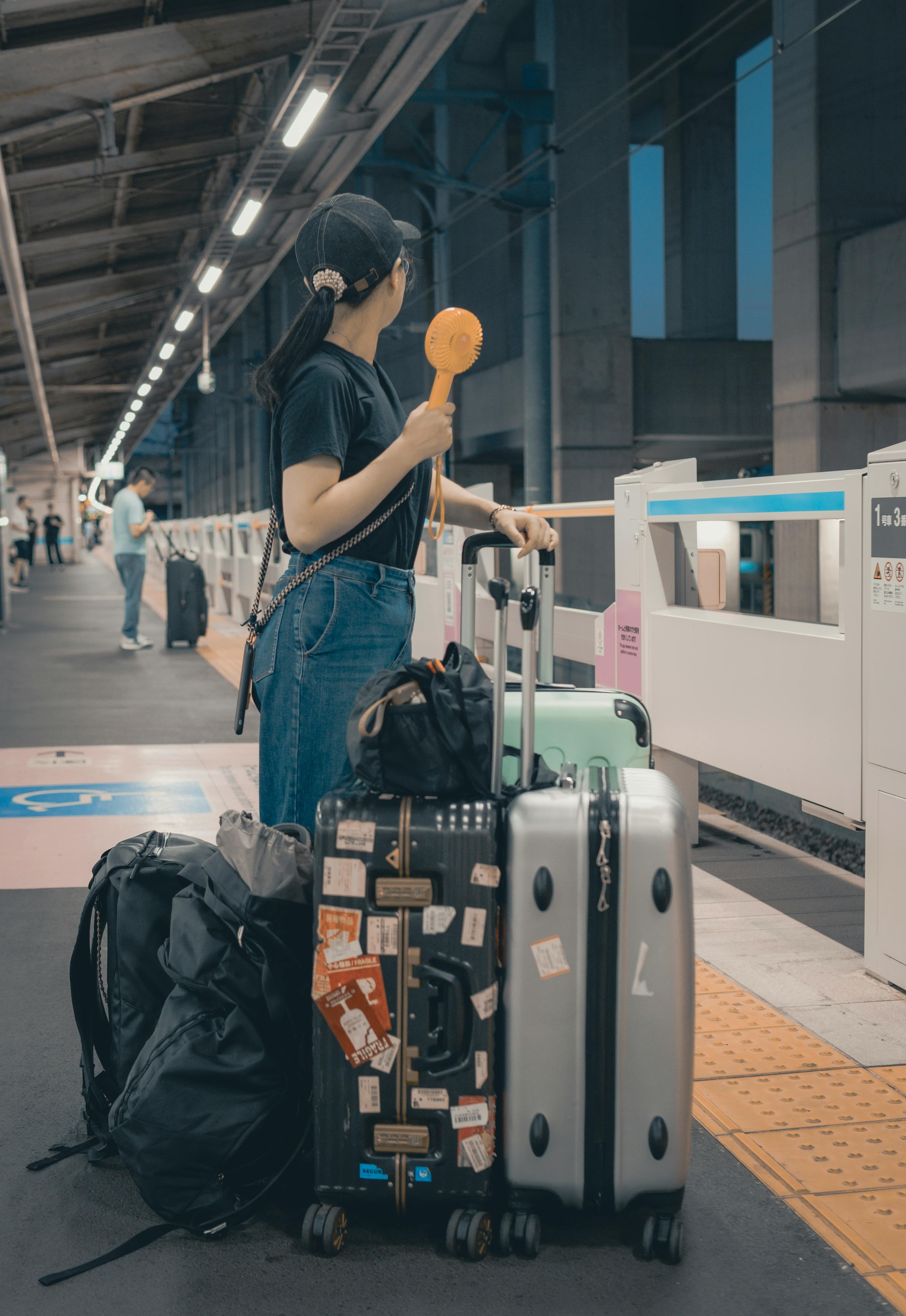
Touring with luggage on trains means navigating stairs and crowded cars while trying to see neighborhoods—miserable combination. Car service stores bags in trunk during tour, then drops you at hotel or airport.
Hot Summer or Heavy Rain
Tokyo summers (July-August) hit 35°C with 80% humidity. Waiting on outdoor train platforms and climbing station stairs exhausts even healthy travelers. Car service provides air-conditioned breaks between neighborhoods.
Similarly, navigating trains with umbrellas in heavy rain while photographing neighborhoods creates frustration.
Evening Tours and Last Train Stress
Tokyo trains stop running around midnight-12:30am. Evening tours like Standing Room Only and Kushiyaki Confidential run late enough that missing last trains becomes a concern.
With car service, no rushing to catch trains, comfortable drinking without navigation stress, door-to-hotel service when you're done.
When Car Service Is Just Comfort (You Decide)
Some travelers want comfortable touring regardless of mobility or age. That's legitimate—you're paying for a service, and if door-to-door comfort matters more than experiencing Tokyo's train system, that's your choice.
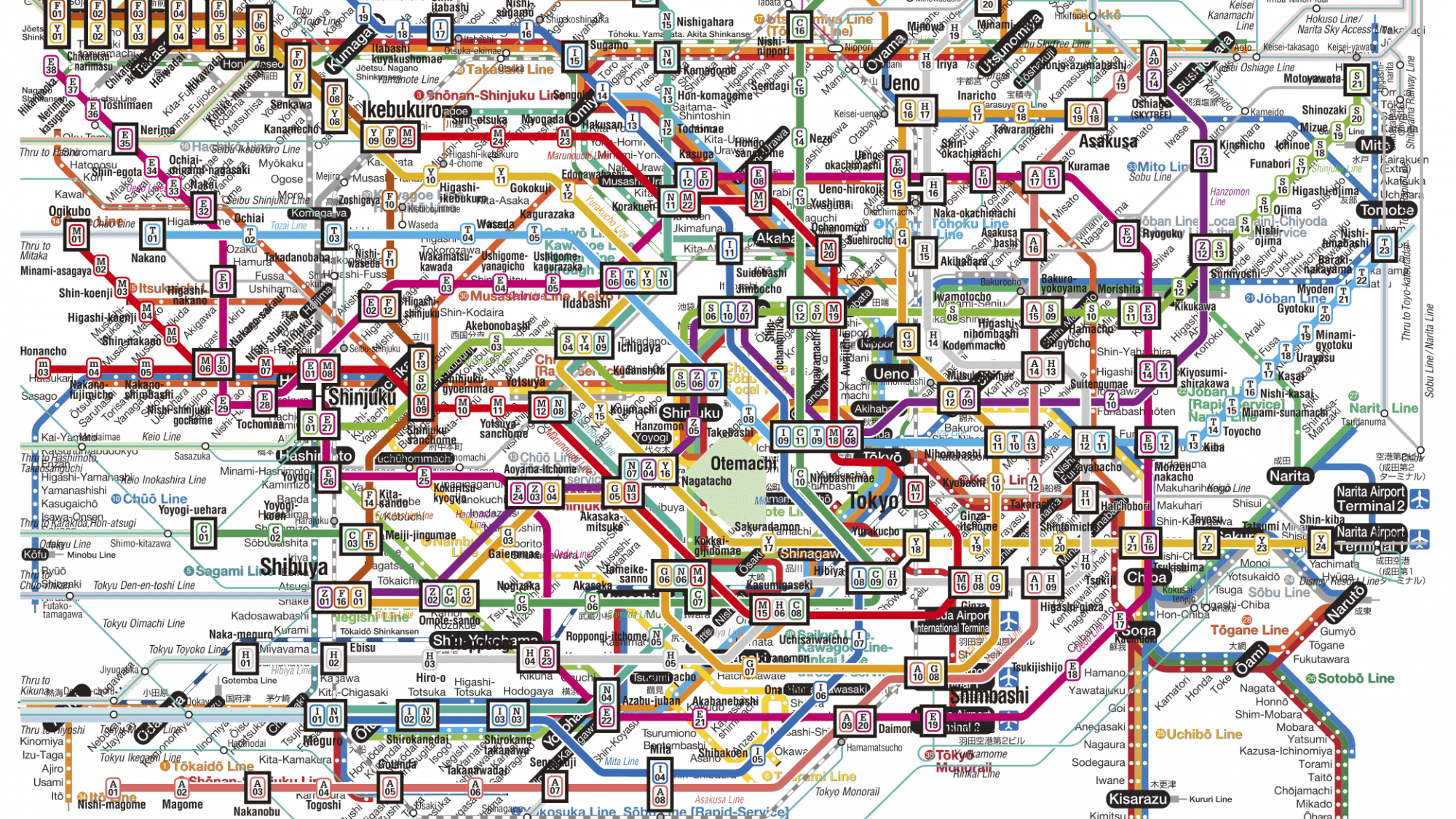
The trade-off: missing how Tokyo actually operates. Trains are fundamental to understanding the city—13 million people moving through organized boarding, underground shopping networks, the infrastructure that makes dense urban living work. Sitting in a car means observing Tokyo through glass without feeling its systems.
Cost comparison:
-
Trains: ¥4,000-6,000 per couple per day ($27-40 USD)
-
Car service: ¥50,000-77,000 ($330-510 USD)
The ¥46,000-71,000 premium buys comfort and convenience. If budget isn't a concern and you prioritize comfort over cultural immersion, that's valid. If you're cost-conscious, trains are dramatically cheaper.
The Traffic Reality Check
Tokyo traffic varies dramatically by time and route. The same trip might take 15 minutes at 10am, 45 minutes at noon, or 60 minutes at 6pm. Trains run every 2-4 minutes regardless of surface conditions.
Specific route examples:
| Distance | Train | Car | |
|---|---|---|---|
| Shibuya to Asakusa | 8 km | 34-35 minutes (fixed) | 11-60 minutes depending on traffic |
| Shinjuku to Tsukiji | 5-7km | 20-40 minutes (fixed) | 7-30 minutes depending on traffic |
Peak traffic windows:
-
Morning rush: 7:30-9:30am (peak at 8am)
-
Lunch congestion: 11am-12pm
-
Evening rush: 5-7pm (peak 5:30-6:30pm)
Guides build buffer time into car-based tours, but you might still spend more time in transit than planned. With trains, transit time is fixed and reliable.
Navigation apps drivers use:
Professional drivers in Tokyo rely on Japanese navigation apps that provide more accurate routing and real-time traffic than international alternatives.
| App | Strengths | Limitations |
|---|---|---|
| Yahoo! Car Navi | Free. Precise lane guidance similar to built-in Toyota systems. Real-time traffic and road closures. | Japanese interface (usable with basic familiarity). |
| Navitime Car Navi | Best routing for complex roads. Trip planning features. | Premium features require subscription. |
| Built-in car navi (VICS) | Live traffic via dedicated broadcast system. 3D intersection previews. Highly accurate. | Expensive (¥100,000+). Japanese menus. |
| Google Maps | Familiar interface. Works for basic navigation. | Users report poor performance on narrow roads and complex intersections. Estimated 88% accuracy for Japan driving. |
Most Hinomaru One car service drivers use Yahoo! Car Navi or built-in systems with VICS traffic data. They check conditions before departure and adjust routes during the tour when traffic builds unexpectedly.
Why this matters for your tour: You don't need to manage navigation—that's the driver's job. But understanding that professional drivers use Japan-specific tools explains why car service navigates Tokyo traffic more effectively than tourists attempting self-drive navigation with Google Maps alone.
Which tours traffic affects most:
East-west routes crossing Tokyo (like Ordinary Tokyo covering 6 residential neighborhoods) face more congestion than compact routes. Tokyo Trifecta (Meiji Shrine, Harajuku, Shibuya, Shinjuku—all west Tokyo) covers compact geography less affected by crosstown traffic. For elderly travelers where pacing matters more than traffic timing, our guide to touring with older adults covers rest breaks and stamina management in detail.
Which Tours Benefit Most From Car Service
Tours benefit differently from car service based on geography, walking intensity, and train route complexity.
High value: Car service significantly improves experience
Ordinary Tokyo (8 hours, 6 residential neighborhoods): Residential areas like Kichijoji, Shimokitazawa, and Nakano aren't connected by direct trains. Multiple transfers that car service eliminates. Tour cost: $550 guide + ¥77,000 car.
Timeless Tokyo (8 hours, historical Tokyo): Most walking-intensive tour even with car service (temple grounds, cemetery paths, garden trails). Car reduces transit walking while preserving on-site exploration. Tour cost: $550 guide + ¥77,000 car.
Families with strollers: Any tour with young children benefits significantly from car service regardless of geography.
Medium value: Car service solves specific problems
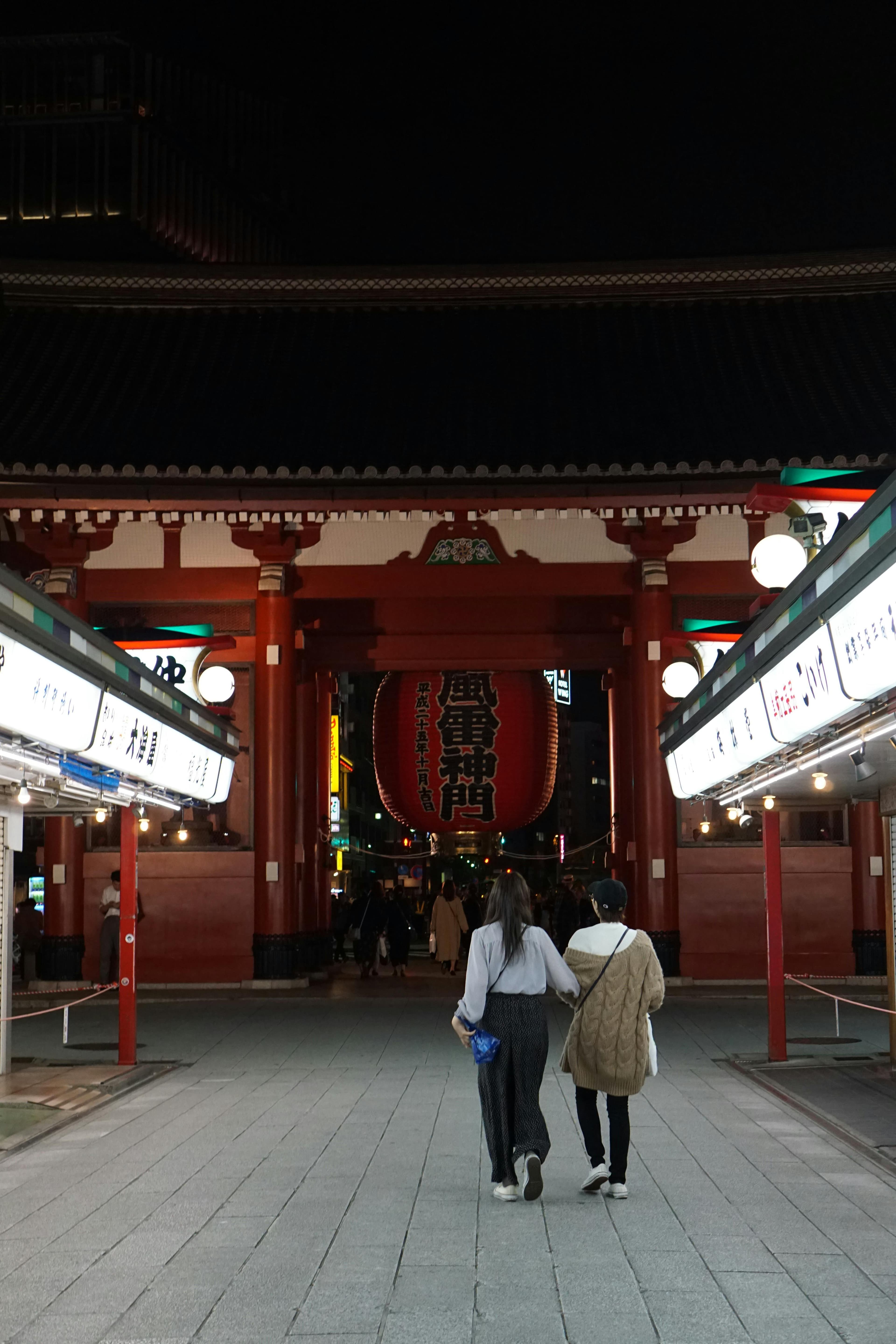
Tokyo Essentials / Tokyo Together (6 hours): Covers Tsukiji, Ueno, Asakusa, Akihabara. Elevator access varies by station. Car service eliminates station navigation, particularly useful at Tsukiji (extensive market walking) and Ueno (large park with multiple entry points). Tour cost: $430 guide + ¥60,000 car.
Evening tours (Standing Room Only, Kushiyaki Confidential): Last train stress elimination, comfortable drinking without navigation concerns. Tour cost: $314-430 guide + ¥50,000-60,000 car.
Low value: Car service unnecessary unless mobility issues exist
Tokyo Trifecta (4 hours, west Tokyo): Compact geography, all neighborhoods within small area. Car still helps elderly travelers or those uncomfortable with Shibuya crowds and Shinjuku's 200+ exits, but healthy adults handle this easily by train. Tour cost: $314 guide + ¥50,000 car.
Station-Specific Elevator Access Guide
Below is a table summarizing elevator access on some of the most popular stations for tourists.
| Station | Line(s) | Elevator Access | Notes |
|---|---|---|---|
| Tsukiji | Hibiya | ✓ Full | All exits |
| Ueno | JR/Ginza | ✓ Full | Check exit map |
| Asakusa | Ginza/Tobu | ✓ Full | Exit A2b confirmed |
| Akihabara | JR/Hibiya | ✓ Full | All major exits |
| Tokyo Station | JR/Multiple | ✓ Full | All lines |
| Shibuya | JR/Multiple | ✓ Partial | Varies by exit/line |
| Meiji-jingumae | Chiyoda/Fukutoshin | ✓ Full | All exits |
| Harajuku | JR Yamanote | ✗ Limited | Omotesando entrance only |
| Shinjuku | JR/Multiple | ⚠ Complex | 200+ exits, navigation difficult |
You Probably Don't Need Car Service If...
You can save ¥50,000-77,000 by using trains if:
-
Healthy adults without mobility issues
-
Kids over 8 who handle public transport
-
Interested in how Tokyo actually works (trains are essential to understanding this)
-
Budget-conscious (car service costs 10x train cost)
-
Tours using primarily JR Yamanote Line (stations have good elevator access)
Tokyo residents use trains for 95% of transportation. Salary workers take the Yamanote Line to work, families ride subways shopping, elderly locals navigate station elevators. Using trains puts you in the same physical space as locals experiencing what they experience.
Cars create separation—you're observing Tokyo without participating in its daily rhythms. This matters more for some travelers than others, but worth acknowledging.
How Car Service Actually Works
Booking Process
When booking any tour, indicate you want private car service. During itinerary planning, the concierge team coordinates with the car service, providing pickup location (your hotel), drop-off location (hotel or airport), and the day's route.
You receive car service details separately from tour confirmation—vehicle type, driver contact, pickup time. Car service charges you directly (credit card) separate from tour guide fee, typically after tour completion.
Day-of-Tour Logistics
Car picks you up at your hotel at tour start time. Your guide either arrives in the car or meets you at first location. Driver stays with vehicle while you and guide explore each neighborhood on foot, returns when you're ready to move on.
Guide communicates with driver throughout the day (both speak Japanese, most drivers have basic English). For bathroom breaks, timing adjustments, or plan changes, guide coordinates with driver in real-time.
Vehicle Types
Standard service uses sedans for 1-4 people. Larger groups (5-6) get van service at same price. For specific vehicle preferences (larger van for comfort, accessibility features), communicate during booking.
All vehicles are clean, well-maintained, air-conditioned. Drivers are professional, punctual, familiar with Tokyo's neighborhoods. Most have basic English for greetings but guide handles all substantive interaction.
Insurance and Liability Coverage
Private car services in Japan carry mandatory insurance:
| Coverage Type | What's Protected | Your Responsibility |
|---|---|---|
| Compulsory automobile liability (CALI) | Injury to passengers, pedestrians | None—legally required for all vehicles |
| Voluntary vehicle insurance | Property damage, vehicle damage | None—car service carries this |
| Driver liability | Professional negligence | None—covered by car service company |
| Your belongings | Items left in vehicle, damage during transit | Your travel insurance; not covered by car service |
What this means practically:
- If there's an accident, the car service's insurance covers injuries and vehicle damage
- Professional drivers carry clean records and are fully insured
- Your personal belongings (cameras, electronics, luggage) are your responsibility—consider travel insurance that covers baggage
- Medical expenses from accidents are covered by CALI, but your travel insurance should be primary for healthcare access
Why this matters less than you'd think: Japan's traffic fatality rate is among the lowest in developed countries. Professional drivers in Tokyo navigate these streets daily. The insurance exists for peace of mind, but incidents requiring it are extremely rare.
Payment
Car service paid directly to car company, separate from tour guide fees paid to Hinomaru One. Car service typically charges credit card after tour completion, though some require advance payment. Concierge team provides specific payment details during booking.
Cost Breakdown: Train vs Car (Full Picture)
| Tour Duration | By Train (couple) | By Car (couple) | Premium | Per Person (group of 4) |
|---|---|---|---|---|
| 4 hours | $344 total | $644 total | +$300 | $161/person |
| 6 hours | $460 total | $830 total | +$370 | $208/person |
| 8 hours | $590 total | $1,060 total | +$470 | $265/person |
Car service becomes more cost-effective per person as group size increases, since guide and car costs are split among more people while train costs remain per-person. For a detailed breakdown comparing car service, trains, and walking tour trade-offs—including when each makes sense and hybrid approaches—we've written a comprehensive comparison.
Alternative: Hybrid Approach
Middle-ground option: use trains for most of your tour, taxi for specific challenging legs.
Example: Ordinary Tokyo uses trains for most neighborhoods but takes taxi from Nakano to Kichijoji (one complex transfer that would require changing lines). Cost: ¥5,000-7,500 occasional taxi vs ¥77,000 full-day car service.
When to consider hybrid:
-
Mobility is borderline (can handle some stairs but not all)
-
Budget matters but need some relief
-
Want train experience but need breaks
Request hybrid approach during tour booking. Guide coordinates strategic taxi use while maintaining train-based itinerary for most route. If you need help designing a custom itinerary that mixes transportation modes based on your specific mobility needs, the concierge team can build this during planning.
Ready to Book?
If a chauffeured car tour sounds like the right fit for your Tokyo visit, we can help you plan a seamless itinerary with a local guide.