Recommended Tours
Tokyo Essentials Tour: A Sensory Journey
Recommended Tours
One Day, Infinite Tokyo Custom Private Tour
Learn how JR, Tokyo Metro, Toei, and private railways coexist, where their roles differ, and how travelers realistically encounter each system.
Understand Tokyo’s rail layers and choose routes with confidence, not confusion.
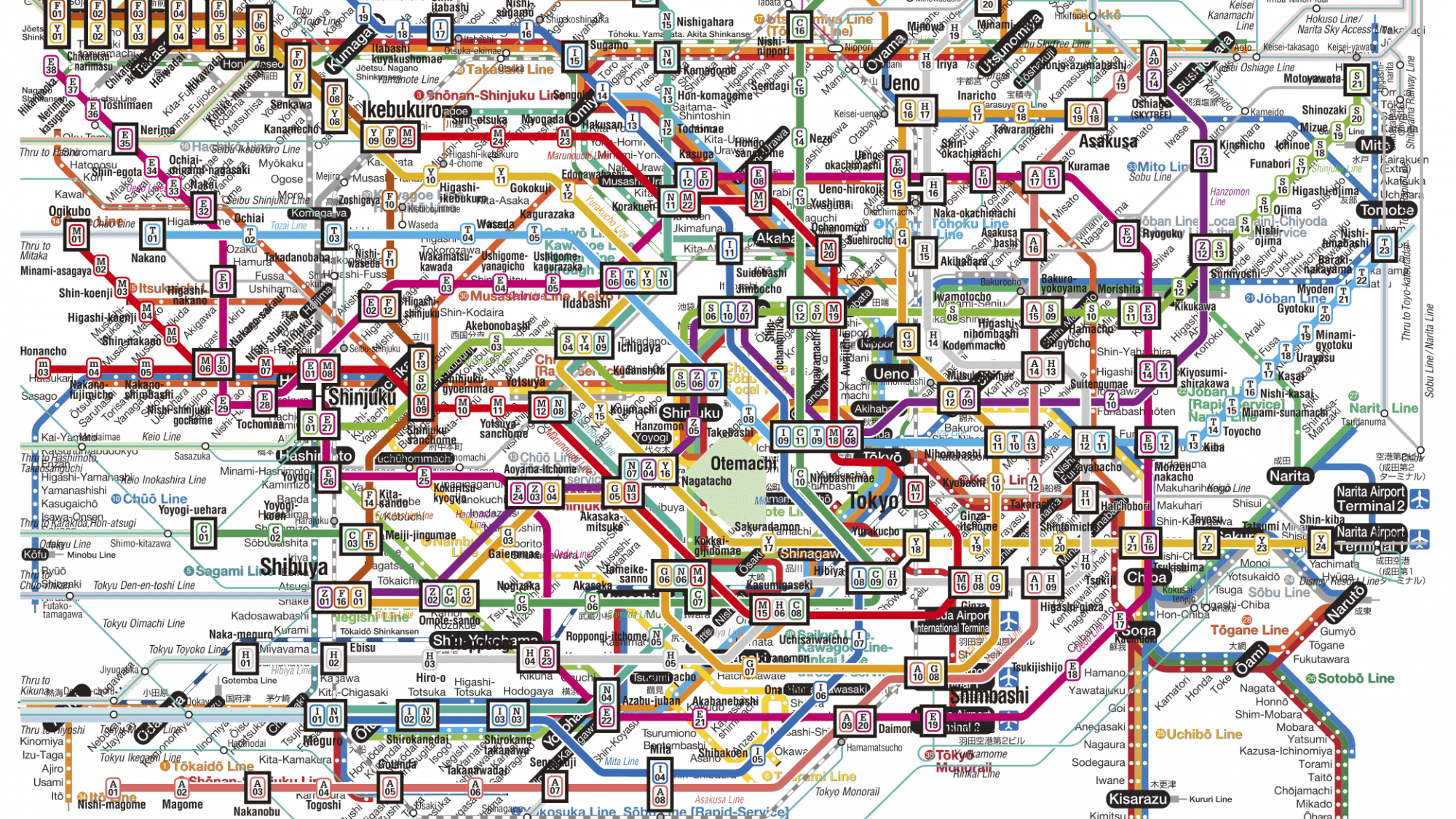
Tokyo's rail system isn't one unified network. It's run by three separate operators: JR East, Tokyo Metro, and various private railways (including Toei, Keio, Odakyu, and Tokyu).
This separation creates real friction. A JR Pass gets you on the Yamanote Line but not the Ginza Line. A Tokyo Metro Pass works on subway lines but not JR trains. Understanding which operator runs which line determines whether your pass is usable—or whether you're paying twice.
Pass incompatibility isn't an administrative quirk. It shapes route planning, transfer complexity, and whether your trip budget holds up. For a comprehensive overview of navigating Tokyo's entire transit system, see our broader guide to getting around Tokyo.
JR Lines: The Green Loop and Beyond
JR East operates Tokyo's backbone rail network. The Yamanote Line—a loop circling central Tokyo—connects major hubs: Shibuya, Shinjuku, Ikebukuro, Ueno, and Tokyo Station. For first-time visitors, it's the most-used line.
Other key JR lines:
| Line | Coverage | Purpose |
|---|---|---|
| Chuo Line | East-west across Tokyo | Connects Nakano, Kichijoji, western suburbs |
| Chuo-Sobu Line | Central neighborhoods | Local service through city center |
| Keihin-Tohoku Line | North-south parallel to Yamanote | Links Saitama and Yokohama |
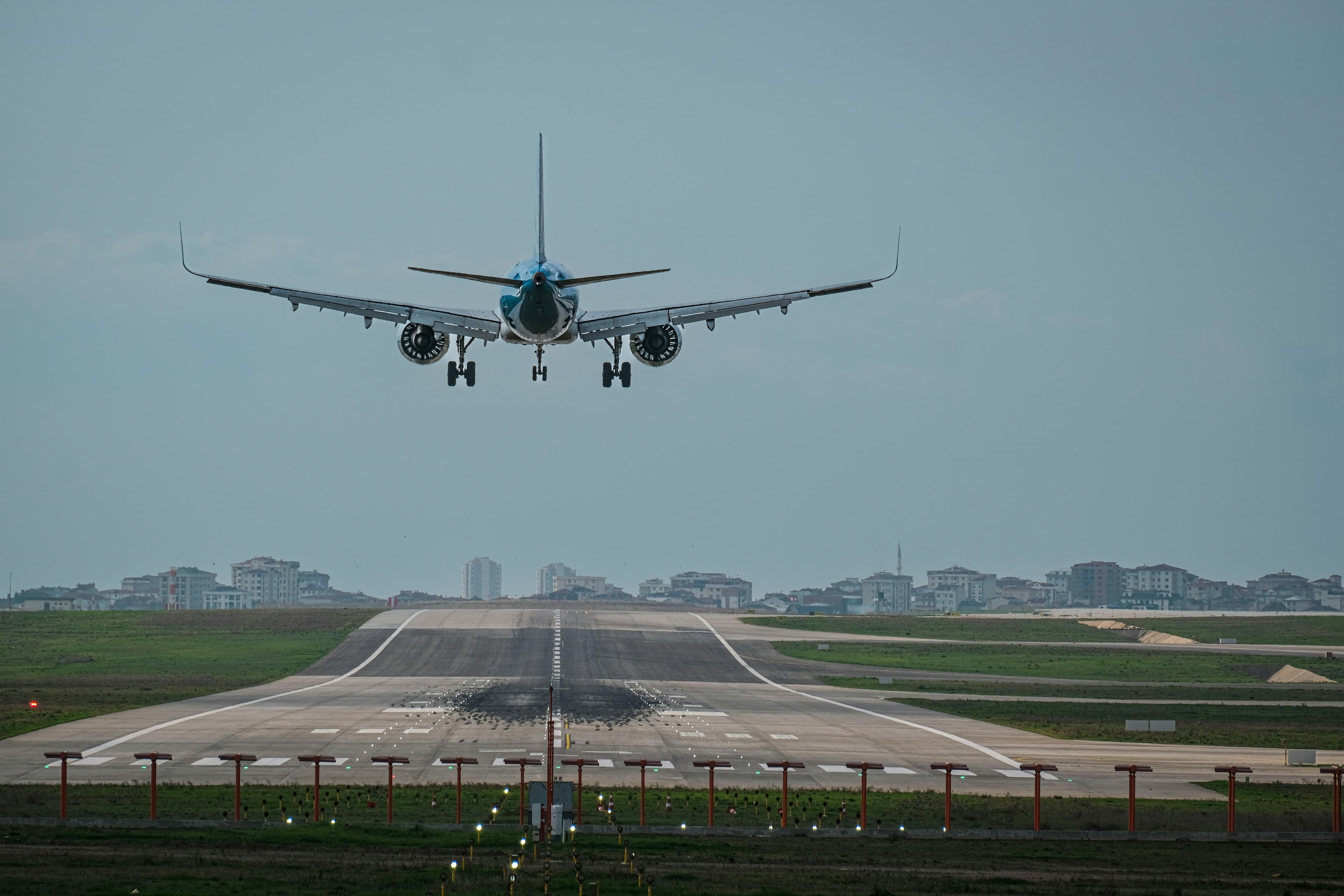
JR dominates airport access: Narita Express runs from Narita Airport to central Tokyo, Tokyo Monorail connects Haneda Airport to the Yamanote Line at Hamamatsucho, and Shinkansen bullet trains depart from JR platforms.
Pass implication: The JR Pass covers all JR trains nationwide. If you're doing Tokyo plus day trips (Nikko, Kamakura, Hakone), it pays for itself quickly. But it doesn't cover Tokyo Metro or private lines—meaning some efficient routes become inaccessible.
Real scenario: Getting from Narita to Shinjuku requires JR (Narita Express). Getting from Shinjuku to Ginza requires either Tokyo Metro's Marunouchi Line (2 stops) or taking the Yamanote loop all the way around (12 stops, 25+ minutes). JR Pass holders take the long route.
Tokyo Metro: Dense Neighborhood Access
Tokyo Metro operates 9 subway lines that penetrate neighborhoods the Yamanote loop doesn't reach. Key lines for travelers:
| Line | Key Destinations | Notes |
|---|---|---|
| Ginza Line | Shibuya, Omotesando, Ginza, Asakusa | Oldest subway line |
| Hibiya Line | Roppongi, Ginza, Tsukiji, Akihabara | Serves major tourist spots |
| Marunouchi Line | Shinjuku, Tokyo Station, Ikebukuro | Parallels Yamanote through city center |
Metro lines reach neighborhoods the Yamanote loop misses. Tsukiji Outer Market sits on the Hibiya Line, Roppongi requires Metro, and Ginza shopping is fastest via Metro.
Trade-off: Metro provides shorter walks from stations to destinations, but requires different payment. Tokyo Metro Pass (¥800 for 24 hours, ¥1,200 for 48 hours, ¥1,500 for 72 hours) covers Metro lines only—not JR.
IC card solution: Suica and Pasmo cards work on both JR and Metro. Load ¥3,000-5,000 at any station, tap in and out, and you're charged per ride. No pass-lock decisions required. For short stays (1-2 days), this is simpler than calculating pass break-even points.
Private Railways: The Outer Ring
Private railways connect Tokyo to suburbs and day-trip destinations:
| Operator | Coverage | Key Destinations |
|---|---|---|
| Toei Subway | City-operated, 4 lines | Including Oedo Line |
| Keio | Western Tokyo | Shimokitazawa, Mount Takao |
| Odakyu | Southwest | Hakone (Romance Car service) |
| Tokyu | South | Yokohama |
| Tobu | North | Nikko |
| Seibu | Northwest | Saitama suburbs |
Critical distinction: Toei Subway is NOT Tokyo Metro. They're separate operators with separate passes. The Oedo Line (Toei) doesn't accept a Tokyo Metro-only pass.
Most private railways aren't covered by JR Pass or Tokyo Metro Pass. IC cards (Suica/Pasmo) work universally, including on private lines.
Day trip relevance: Hakone requires Odakyu from Shinjuku (or JR to Odawara, then Hakone Tozan Line). Nikko is accessible via Tobu from Asakusa or JR from Shinjuku/Ueno. If your JR Pass doesn't cover the Odakyu Romance Car, you're paying separately or taking slower JR alternatives. When choosing where to stay in Tokyo, proximity to your preferred rail system can simplify daily navigation.
Where Systems Collide: Major Transfer Stations
Three stations concentrate multi-system complexity:
| Station | Systems Converging | Transfer Complexity |
|---|---|---|
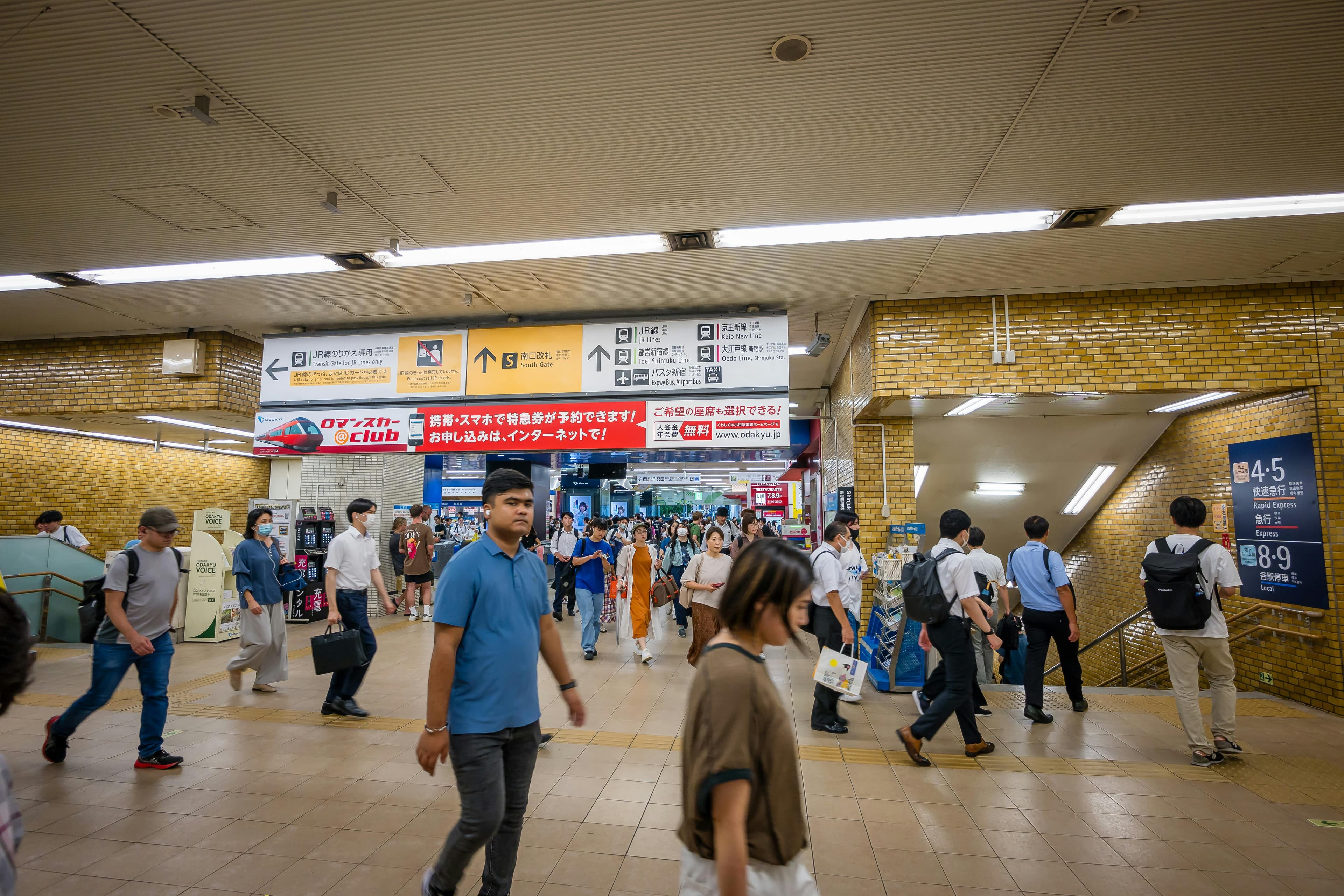
| Shinjuku | JR, Metro, Toei, Keio, Odakyu | 200+ exits; JR-Metro transfers require 10+ minute walks; wrong exit adds 15 minutes |
| Shibuya | JR, Metro, Tokyu, Keio Inokashira | Multi-level with confusing signage; transfers aren't intuitive |
| Tokyo Station | JR (incl. Shinkansen), Metro | Massive station; long platform-to-platform distances |
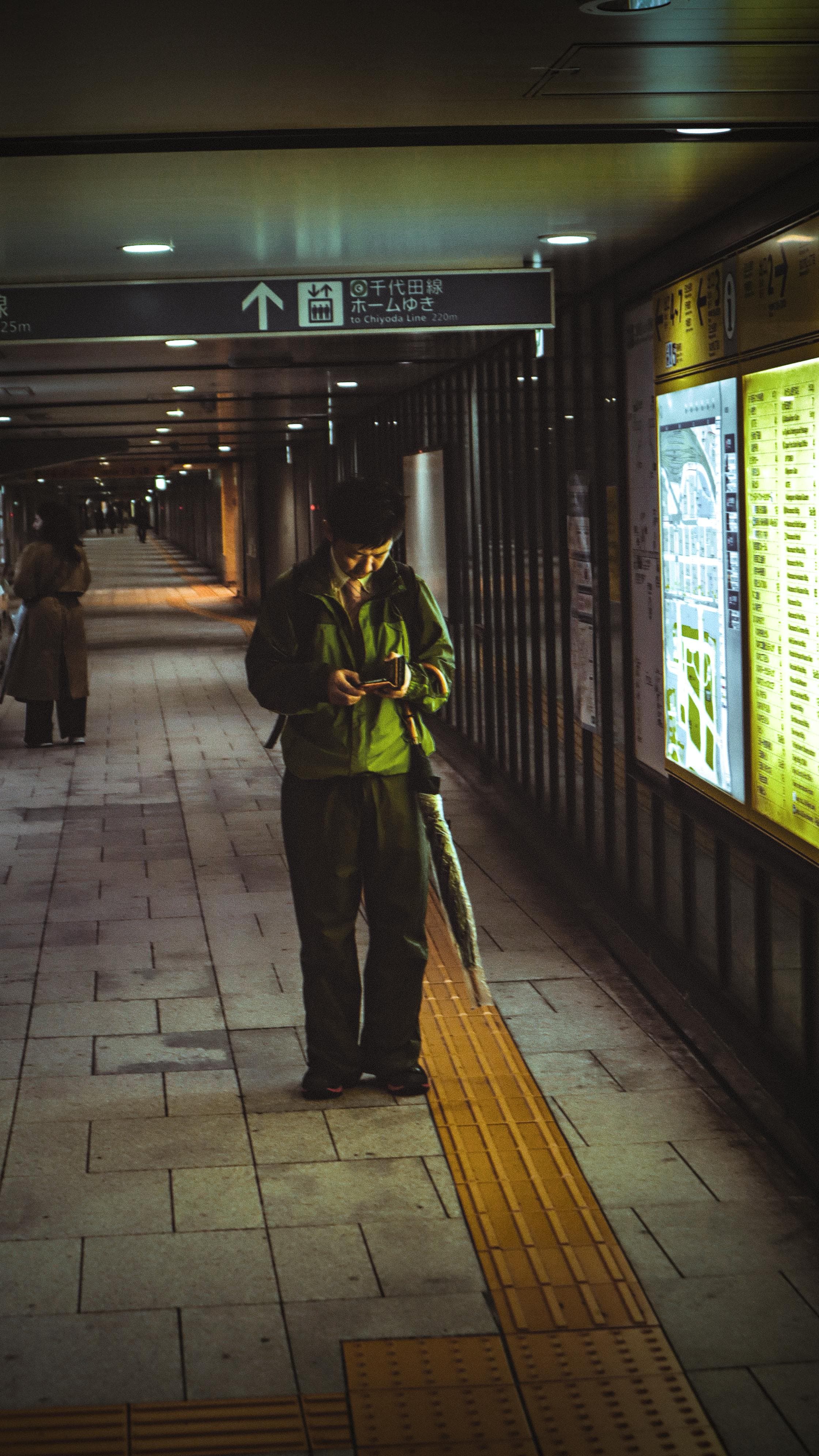
Mobility reality: Elevator routes exist but aren't always obvious—stairs are the default. Travelers with luggage, strollers, or mobility limitations find these transfers compound quickly.
Rush hour: 7-9am and 5-7pm, these stations become navigation challenges even for locals. Platform crowding slows movement. Train delays cascade across systems.
If your itinerary requires 3+ cross-system transfers per day, you're spending significant time underground navigating rather than sightseeing. For travelers with limited time or mobility considerations, this transfer friction compounds quickly. Guides handle station navigation by knowing elevator routes, the fastest exits, and adjusting in real-time for delays.
The Pass Decision Matrix
Your pass choice depends on trip profile:
| Trip Profile | Duration | Pass Recommendation | Why |
|---|---|---|---|
| Tokyo-only, major sights | 3-5 days | Tokyo Subway Ticket (72-hour, ¥1,500) + IC card for JR | Covers Metro + Toei; add IC card for occasional JR rides |
| Tokyo + day trips | Multi-day | 7-day JR Pass + IC card (¥3,000-5,000 load) | Covers Shinkansen, Narita Express, all JR lines; worth it with one Shinkansen round-trip |
| Tokyo-only, neighborhood focus | 1-2 days | IC card only, no pass | Simpler than calculating break-even; total flexibility across systems |
| Tokyo + Kyoto/Osaka | Multi-day | JR Pass mandatory | Shinkansen Tokyo-Kyoto round-trip alone costs more than 7-day pass |
Break-even math: Tokyo Subway Ticket (¥800/24 hours) pays for itself after 3-4 rides. Average single Metro ride costs ¥200-300. If you're making 4+ trips per day, the pass makes sense. Otherwise, IC card avoids upfront commitment.
Pass-lock trap: JR Pass holders avoid Metro even when it's faster. Shinjuku to Ginza via Metro: 3 minutes. Via Yamanote loop: 25+ minutes. Pass psychology creates routing inefficiency. Families especially find this planning overhead stressful—a guide handles all transit decisions and carries the mental load.
Common Navigation Mistakes
These mistakes stem from system design complexity, not traveler inexperience. For a fuller picture of what can go wrong with Tokyo transit, see our dedicated guide.
| Mistake | What Happens | Why It Matters |
|---|---|---|
| Assuming JR Pass covers Metro | You board a Metro line, get charged at exit, discover your pass doesn't work | Tokyo Metro is a separate operator; JR Pass only covers JR trains |
| Buying Metro Pass for Narita arrival | You pay separately for airport access | Narita Express is JR, not Metro; negates part of pass value |
| Multiple cross-system transfers | Each transfer adds 5-10 minutes; Shinjuku can take 15+ | Three transfers/day = 30-45 minutes lost to navigation |
| Wrong exit at mega-stations | 15-minute re-navigation on street level | Shinjuku has 200+ exits; some are 10+ minute walks apart underground |
| Rush hour with luggage | Severe crowding, physical jostling | 7-9am and 5-7pm trains are packed; luggage becomes an obstacle |
Example trap: Taking the Yamanote Line all the way around because you don't realize the Ginza Line offers a 2-stop direct shot. Yamanote circles Tokyo in 60 minutes. If your destination is 3 stops away clockwise but 27 stops counter-clockwise, choosing the wrong direction costs 45+ minutes. For seniors or travelers prioritizing comfort, these navigation mistakes aren't just inconvenient—they're exhausting.
When Navigation Complexity Argues for a Guide
DIY navigation works fine for many travelers, but certain scenarios create friction that compounds over a trip:
High-friction travelers:
-
Families with young children
-
Seniors or travelers with mobility limitations
-
First-time visitors uncomfortable with trial-and-error
-
Time-stressed trips (under 3 days in Tokyo)
-
Travelers arriving jet-lagged with luggage
Real consequence: Figuring out Shinjuku Station on arrival day can consume 30-60 minutes. Finding elevator routes, navigating exits, and managing luggage through transfers isn't trivial. A guide eliminates transfer navigation, knows elevator routes automatically, and adjusts in real-time for delays.
DIY time cost: Each major transfer station requires cognitive load—reading signs in unfamiliar alphabet, matching line colors, confirming platform numbers. Multiply by 4-6 transfers per day, and navigation becomes a significant part of your trip.
Not universally necessary: If you're comfortable with urban transit systems, have time flexibility, and travel light, DIY is entirely feasible. Many travelers find the navigation challenge rewarding.
But if your priority is maximizing sightseeing time and minimizing stress—especially with mobility considerations or family logistics—a guide removes the system complexity entirely.
This guide is published by Hinomaru One, a Tokyo-based private tour operator.