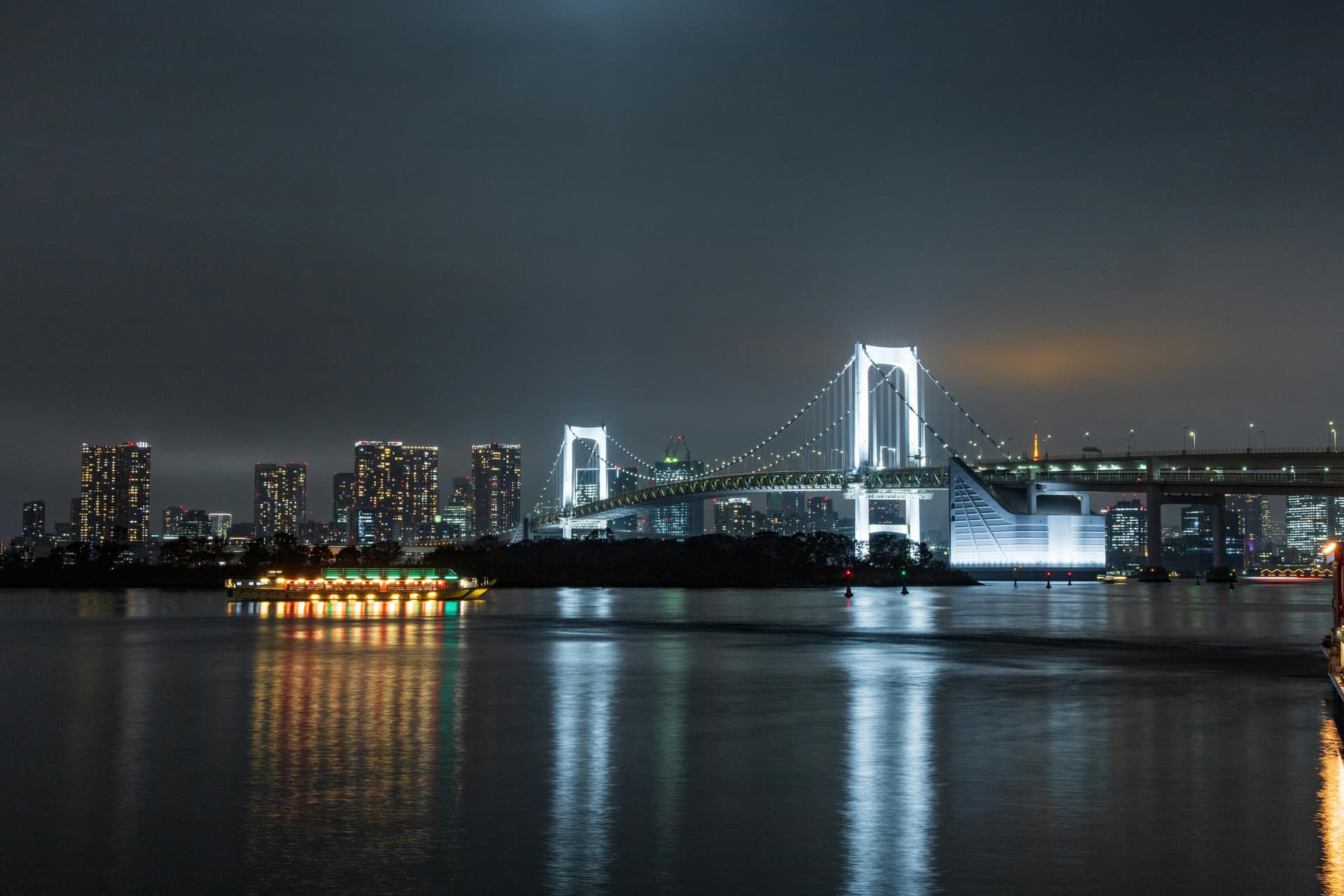
Tokyo Travel Guide
Tokyo travel guide covering neighborhoods, timing, transit, food, and planning across 120+ articles — each organized around the decisions that shape your trip. Generic top-10 lists miss how the city actually works; start with whatever matches your biggest open question.
Start Here
How Tokyo Actually Works: A Mental Model for First-Time Visitors
Tokyo has no downtown — it has many. Understanding its polycentric structure and neighborhood clusters saves hours of confusion before you arrive.
Read the full guideExplore Tokyo
Tokyo's four essential entry points. Neighborhoods explain how the city is organized. Activities give you a decision framework. Transit literacy saves hours of frustration. And timing your visit changes what the city offers entirely. Start with whichever matches your biggest question.
Neighborhoods
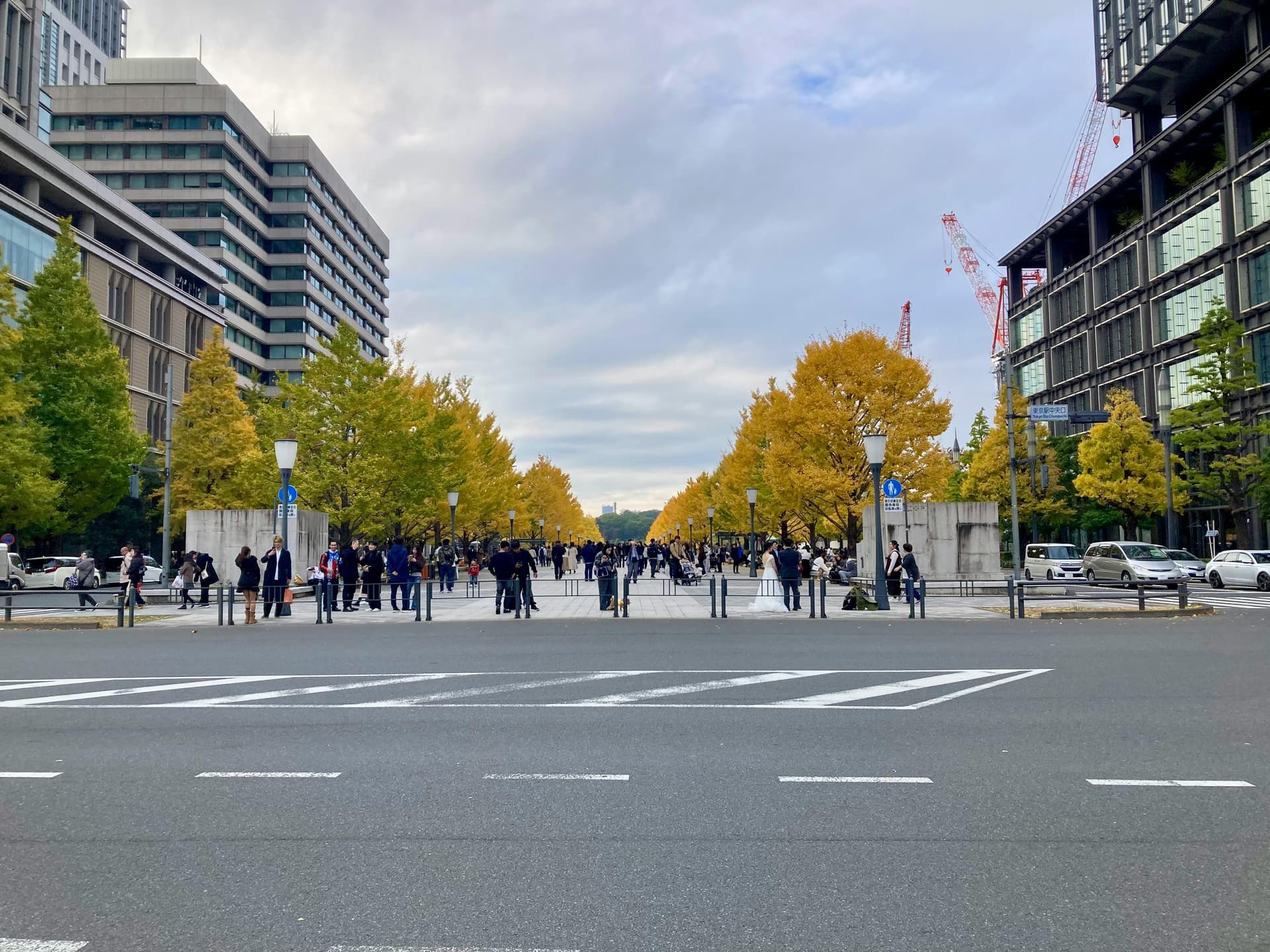
Tokyo Neighborhoods Explained: How the City Is Structured
A clear explanation of Tokyo's neighborhoods, how they differ in character, and how travelers should understand the city's layout.
Discover more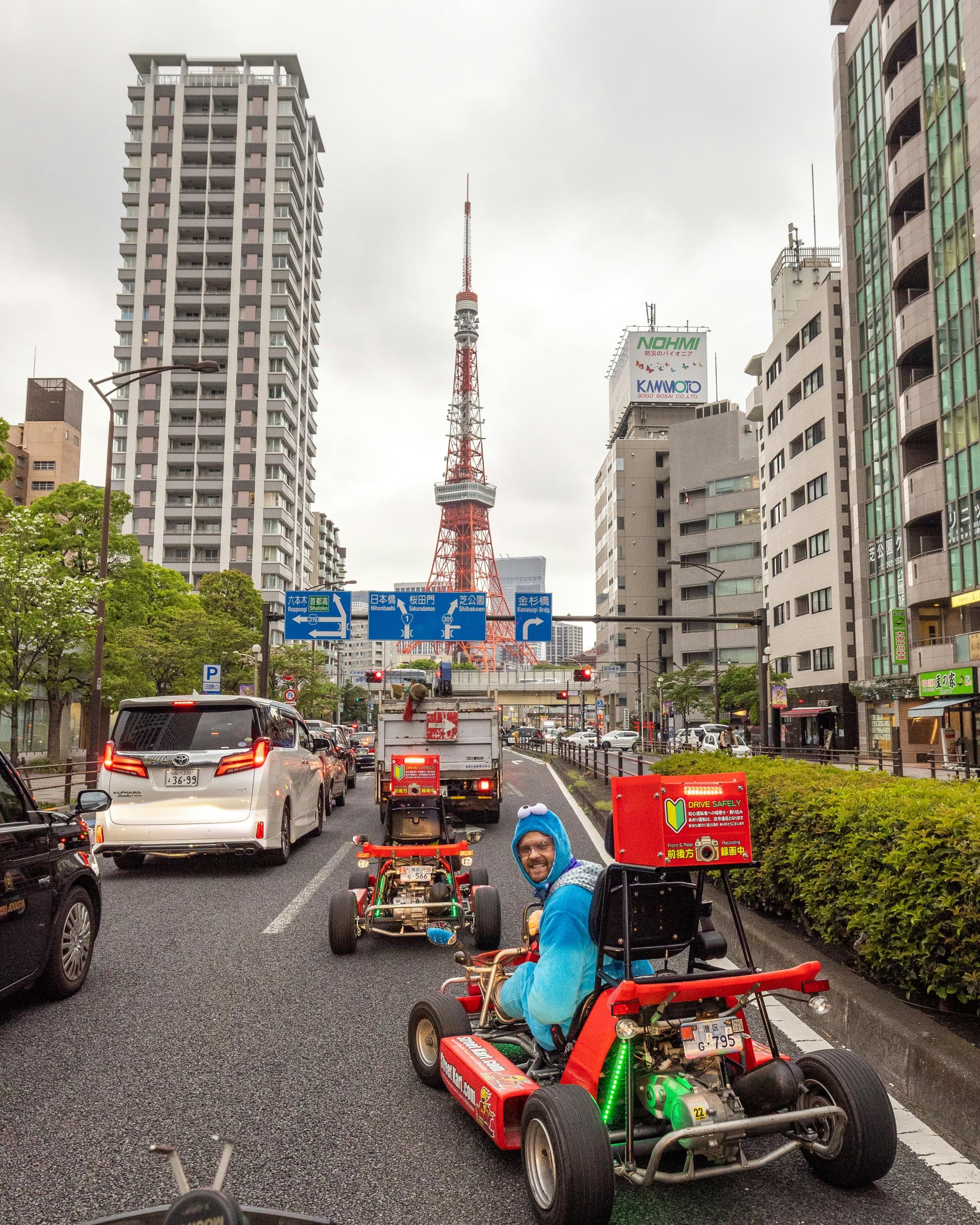
Things to Do
Things to Do in Tokyo | A Framework for Choosing
Stop collecting options and start choosing. A decision framework for Tokyo activities—what categories exist, who each one fits, and how to build realistic days.
Discover more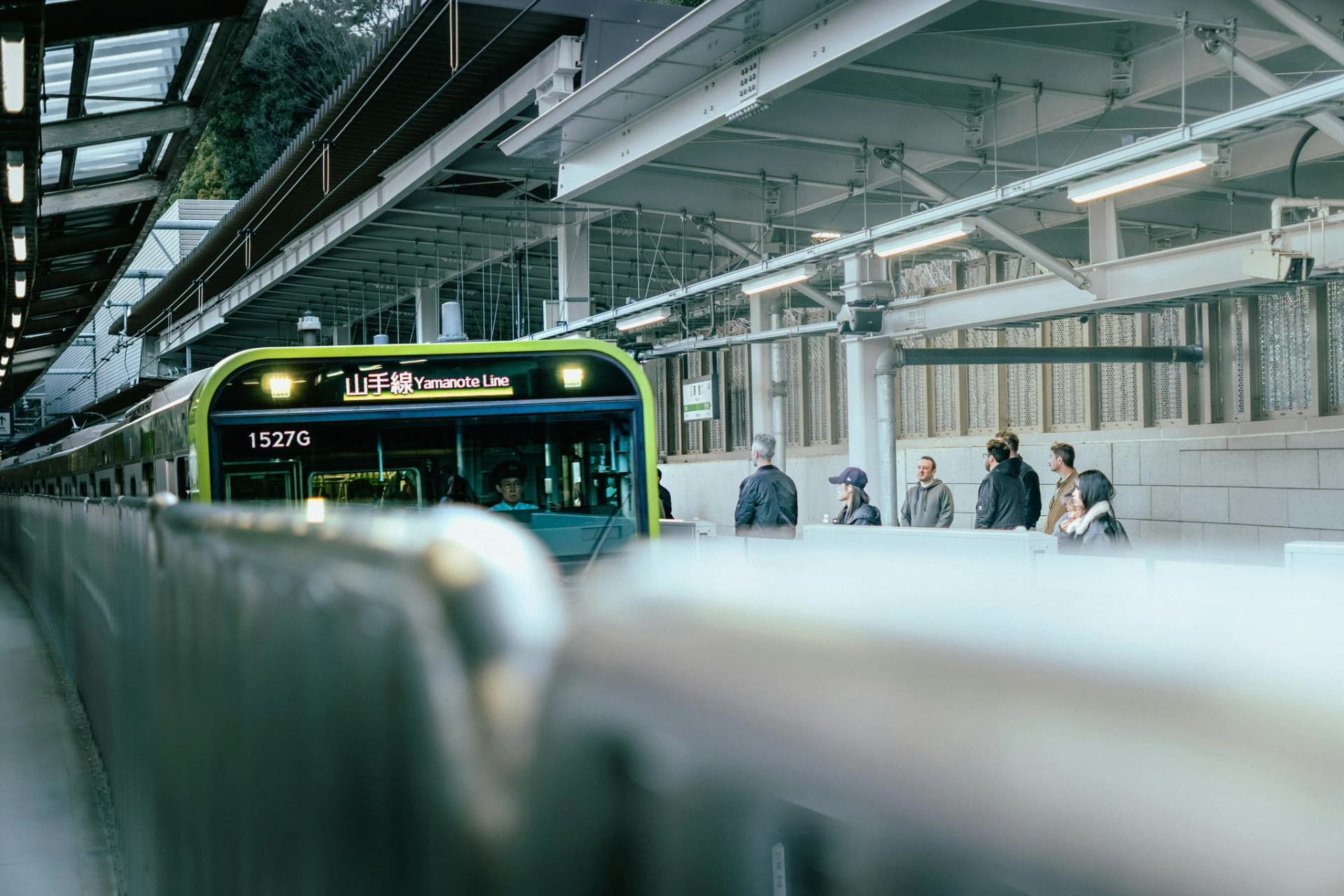
Getting Around
Getting Around Tokyo: The Mental Map You Need Before Your Trip
Tokyo's trains aren't hard to ride — they're hard to understand. Multiple operators, transfer penalties, and time-of-day crowding explained.
Discover more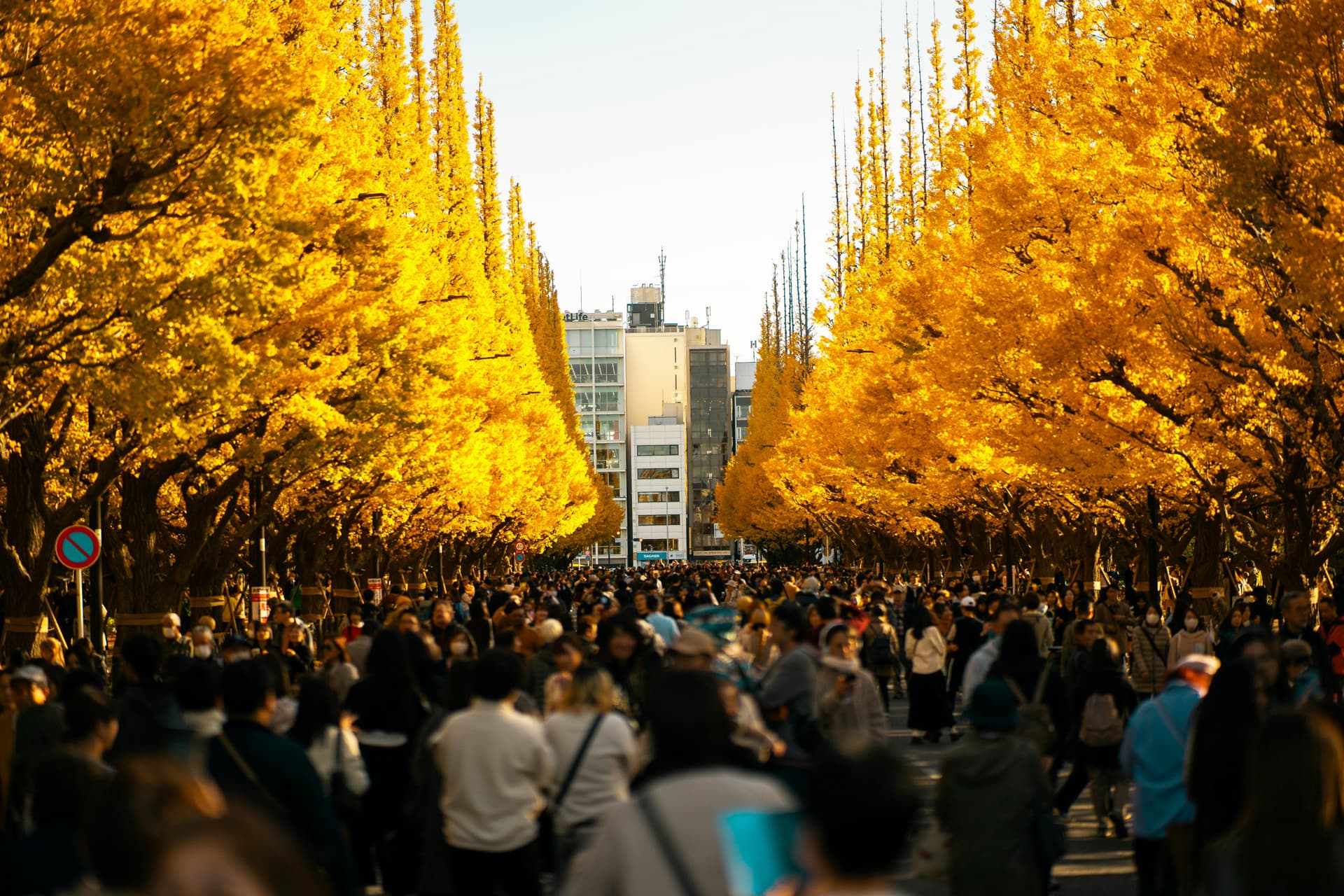
When to Visit
Best Time to Visit Tokyo — Seasonal Travel Guide
Cherry blossoms, typhoon season, winter illuminations — each window changes what Tokyo offers. How to choose the right month for your priorities.
Discover moreWhen to Visit Tokyo
Each season in Tokyo offers distinct advantages and trade-offs — not just weather, but how the city operates. Spring's 14-hour daylight versus winter's 6-hour window changes everything about how you plan your days. These guides explain what each season actually means for touring, beyond cherry blossoms and foliage aesthetics.
When to Visit
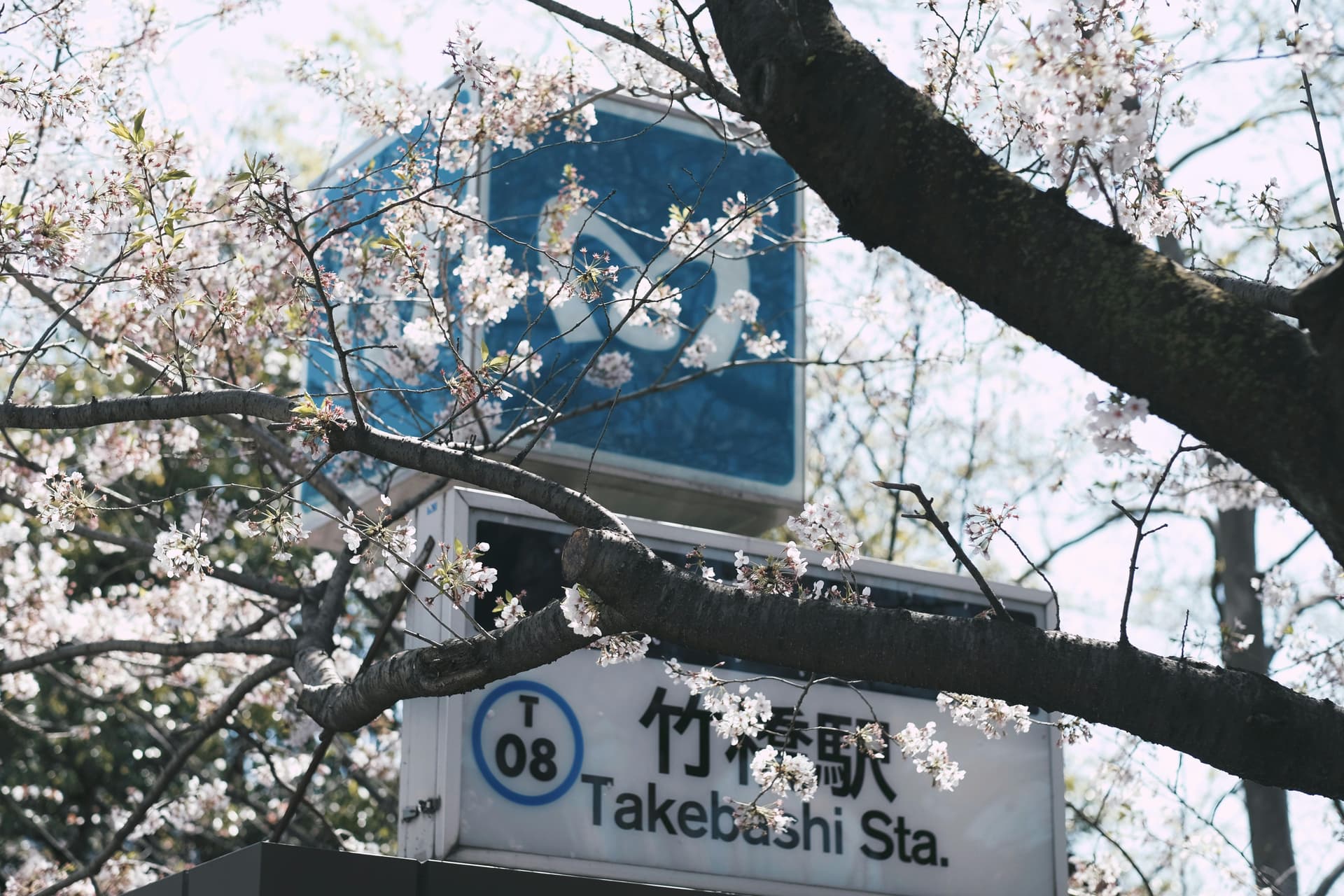
Spring in Tokyo: Why the Season of Abundance Delivers
Spring gives you 14 hours of daylight, comfortable walking weather, and Tokyo at its most alive. Here's what that means for private touring.
Discover more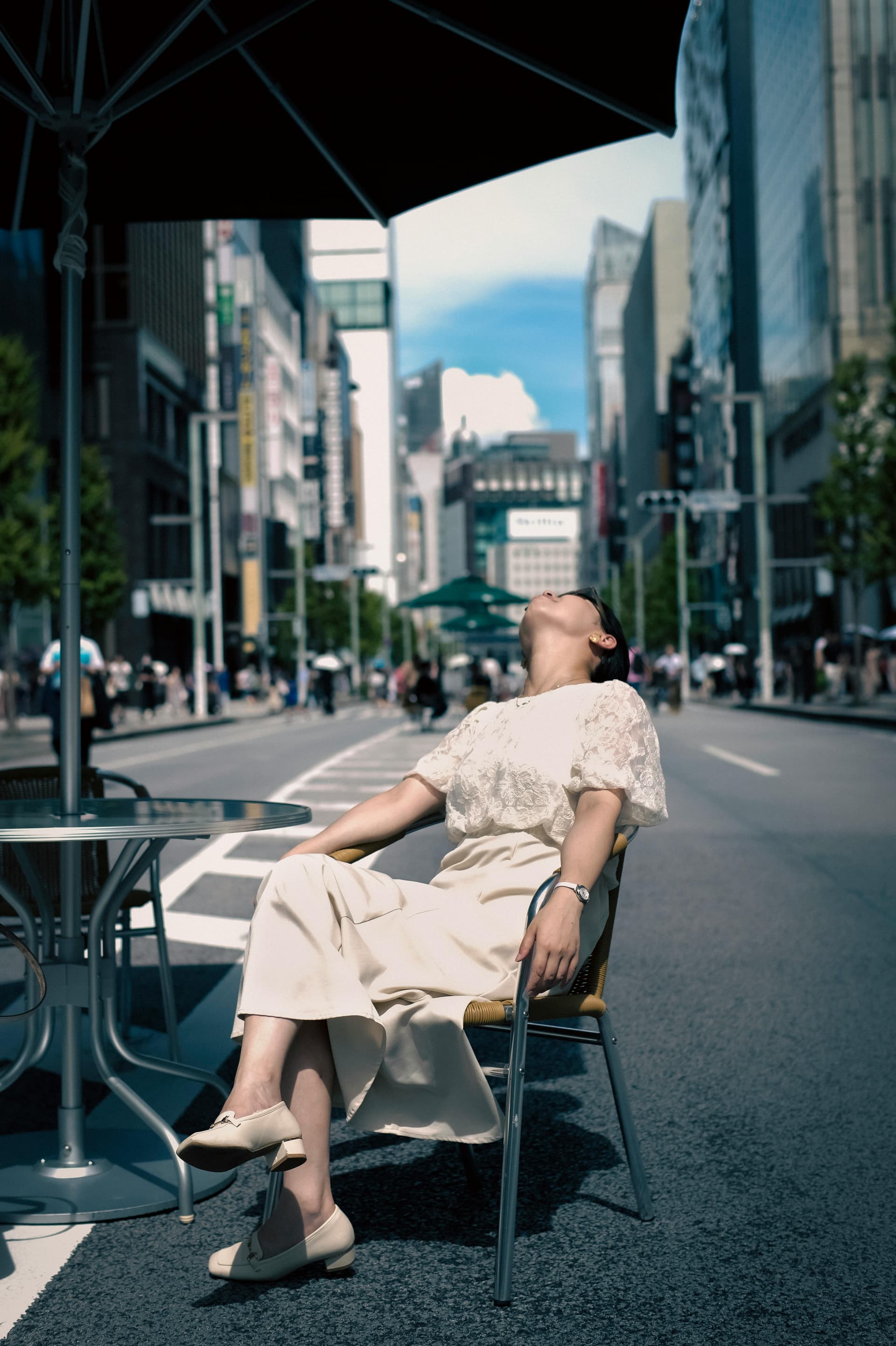
When to Visit
Tokyo in Summer: Heat, Humidity, and Why Guides Matter More
Summer touring in Tokyo rewards expert routing. 6am temples, underground networks, shade corridors—why hostile conditions concentrate guide value.
Discover more
When to Visit
Tokyo in Fall: Weather, Atmosphere & Seasonal Travel Guide
Fall tours work when they unlock izakaya culture, craft workshops, and walking neighborhoods that summer closes—with foliage as context, not centerpiece.
Discover more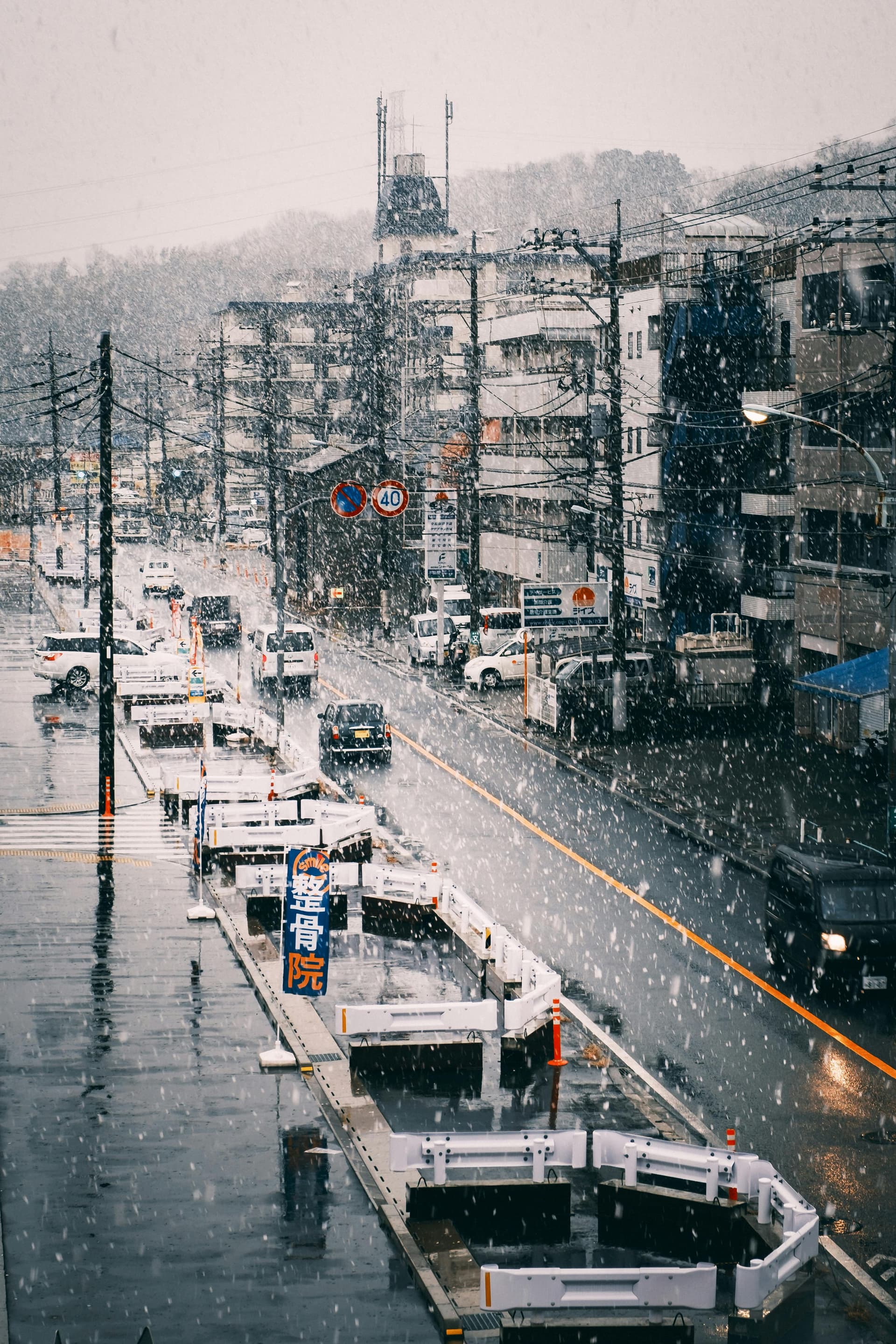
When to Visit
Tokyo Winter: When Short Days Make Guides More Valuable
Winter isn't Tokyo's off-season for private tours—it's when efficiency matters most. 6 hours of daylight, 40% fewer crowds, and clear skies create advantages.
Discover moreTravel Style & Occasions
Different travelers need different frameworks. First-time visitors need confidence-building structure. Families need age-appropriate pacing. Solo travelers need counter-dining literacy. These guides address the distinct planning challenges each trip type creates — not just activities, but how to structure your days around who you are.


Special Interests
Tokyo rewards obsession. Anime collectors, architecture students, street photographers — the city has physical infrastructure purpose-built for deep interests. These guides map the terrain for specific passions, so you spend time experiencing rather than searching.


Planning & Logistics
Duration, budget, timing, and accommodation aren't separate decisions — they're an interconnected system. Adding a day changes your neighborhood strategy. Choosing Shinjuku over Asakusa changes your morning routing. These guides help you see how foundational choices cascade through your entire trip.


Navigating the City
Tokyo's train system isn't difficult to ride — it's difficult to understand. Multiple operators, transfer penalties, and time-of-day crowding create routing decisions that Google Maps can't fully optimize. These guides give you the mental map to move through Tokyo like someone who lives here, not just someone visiting.


Culture & Local Life
Tokyo's culture isn't ceremonial — it's operational. How trash pickup works, why everyone walks on the left, what 'quiet car' actually means on trains. These guides address the social and practical mechanics that shape your daily experience, from neighborhood character to etiquette that actually matters versus rules you can safely ignore.


