Recommended Tours
Tokyo Essentials Tour: A Sensory Journey
Recommended Tours
One Day, Infinite Tokyo Custom Private Tour
This guide explains what spring in Tokyo is really like — from weather changes and sakura season to crowd levels and daily pace — before you plan.
Spring's value isn't about one week of cherry blossoms—it's about 10 weeks where the city gives you more hours, more options, and more energy than any other season.
Most spring content warns you about crowds and tells you to book early. We'd rather show you what 14 hours of daylight and 20°C weather actually make possible.
14 Hours Changes Everything
In May, the sun rises at 4:30 AM and sets after 6:45 PM. That's 14 hours of daylight—40% more than December's 10 hours.
This changes what kind of day you can have.
The winter baseline
Winter touring in Tokyo means about 6 usable hours of daylight. Senso-ji or Shibuya—pick one, or rush both. Evening activities happen in the dark. Morning starts feel late because sunrise is after 6:30 AM. (For a full picture of winter touring conditions, that's a separate consideration.)
What 14 hours unlocks
Spring's long days eliminate those tradeoffs. A full spring day can unfold like this:
Morning (7:00-9:00 AM): Start at Meiji Shrine or Senso-ji while they're quiet. Morning light is soft, temperatures cool but comfortable. You have 2-3 hours before tourist crowds arrive. In winter, 7:00 AM means touring in the dark.
Midday (9:00 AM-1:00 PM): Tsukiji's outer market is active by 9:00 AM. Spring menus feature takenoko (bamboo shoots) in rice dishes and tempura. Or head to a neighborhood for lunch—spring brings lighter menus after winter's comfort food.
Afternoon (1:00-6:00 PM): The best hours for neighborhood exploration. Yanaka, Shimokitazawa, Kichijoji—these areas reward wandering. Comfortable temperatures mean you can walk for hours. In winter, these hours get cut short by early sunset. In spring, the sun doesn't set until after 6:00 PM.
Evening (6:00 PM onward): At 6:00 PM in May, the sun is still up. Take in views from a rooftop terrace before transitioning to dinner. Izakaya culture comes alive as the evening progresses.
Four distinct phases, all in natural light, all in one day. For a closer look at how these days actually unfold, see what to expect on tour day.
A different kind of day
Winter touring is about protecting limited time. Spring touring is about filling abundant time. A guide's value shifts from "don't waste your few hours" to "maximize the 14 hours you have."
If you're ready to plan a spring day, Tokyo Essentials covers the foundations in a full day. For a fully customized spring itinerary built around your interests, Infinite Tokyo is designed for exactly that.
The City Comes Outside
Tokyo transforms physically in spring. Spaces closed or dormant in winter reopen.
Terraces and rooftops
Mid-April is when Tokyo's seasonal outdoor dining spaces open. The terrace at Four Seasons Otemachi's PIGNETO restaurant activates for the April-October season. The Tokyo Edition Ginza opens its rooftop garden in mid-April, with views of Tokyo Tower. The Andaz Tokyo Rooftop Bar on the 52nd floor brings in real cherry blossom trees for a "hanami in the sky" experience.
These spaces don't exist in winter. They're designed for spring through fall.
Park energy
Parks that looked bare in winter explode with color. But the change isn't just visual—it's social. Hanami culture means parks fill with office workers, families, and friends gathering on tarps for outdoor picnics. The parks feel alive in a way that's distinctly different from other seasons.
The walking season
May temperatures hover around 18-25°C (64-77°F). Warm enough for short sleeves during the day, cool enough to walk for hours without heat exhaustion.
Winter means 5-10°C, heavy layers, and managing cold fatigue. Summer means 30-35°C with oppressive humidity. Spring is the ideal window for outdoor walking—comfortable all day without the extremes.
Spring Runs Longer Than You Think
Cherry blossoms get all the attention. They last about two weeks. Spring lasts ten.
Before the blossoms (March)
March is unpredictable. The same week can bring snow and summer-like heat. Temperatures range 6-13°C (43-55°F). Layers and flexibility are essential.
But March has its appeal. Plum blossoms (ume) peak in early March. The city is waking up from winter. Tourist crowds haven't arrived.
The bloom and beyond (April)
Cherry blossoms hit full bloom between late March and early April, depending on the year. Peak viewing lasts about a week.
April offers much more. Wisteria begins blooming in late April at Kameido Tenjin Shrine. Azaleas peak at Nezu Shrine, where 3,000 plants across 100 varieties create walls of color. Temperatures stabilize to 13-22°C (55-72°F), with warm afternoons and cool mornings.
Outdoor terraces and rooftops open for the season in mid-April.
The quiet peak (May)
May is spring's best-kept secret. Weather is consistently 18-25°C (64-77°F), stable, rarely oppressive. Daylight extends past 14 hours.
Major festivals land in May: Sanja Matsuri takes over Asakusa the third weekend (May 16-18 in 2025), and Kanda Matsuri runs May 8-15 in odd years. Both draw enormous crowds to specific areas while the rest of Tokyo stays calm.
After Golden Week ends (around May 6), crowd levels drop significantly. Restaurants that required 2-4 weeks notice during cherry blossom season become available with 1-3 days notice.
Seasonal Eating in Spring
Tokyo restaurants adjust their menus by season. Spring brings ingredients you won't find other times of year. A food-focused tour is one way to experience what's in season without the guesswork.
What appears on menus
Takenoko (bamboo shoots): Peak season is April through May. Look for takenoko gohan (rice cooked with bamboo shoots), tempura, and simmered dishes. The freshest preparations—including takenoko sashimi—require shoots just out of the ground. Sarashina Horii Soba in Azabu Juban starts serving bamboo shoot and wakame soba in early March.
Hatsu-gatsuo (first bonito): The spring catch arrives in May. Served as tataki (seared) or sashimi, it's lean, firm, and distinctly different from the fattier autumn catch. Traditional accompaniments: raw garlic, green onions, ginger, shiso.
Sansai (mountain vegetables): Foraged spring vegetables appear on kaiseki and traditional menus. Look for fuki (butterbur), udo (mountain asparagus), and warabi (bracken fern)—often served as tempura or lightly seasoned.
Seasonal treats worth seeking
Convenience stores transform in spring:
-
Lawson: Sakura dorayaki, sakura roll cake (noted for best selection)
-
7-Eleven: Sakura mont blanc, sakura anpan
-
FamilyMart: Sakura milk pudding, sakura cream puff
-
Starbucks: Sakura collection from mid-February (White Peach and Cherry Blossom Warabimochi Frappuccino, available only a few weeks)
-
Kit Kat: Limited-edition sakura flavor annually
Sakura mochi—pink rice cakes wrapped in pickled cherry blossom leaves—appear at wagashi shops starting in early March. The Kanto style (smooth, rolled) differs from the Kansai style (grainy, stickier).
The Festivals Most Visitors Miss
Spring's festivals extend well beyond cherry blossom viewing. These events draw millions but rarely appear in tourist guides focused on sakura.
| Festival | Dates | Location | What to Know |
|---|---|---|---|
| Kameido Tenjin Wisteria | April 5-30 (peak late April) | Kameido Tenjin Shrine | 100+ wisteria plants on 15 arbors. Evening illuminations sunset–9 PM. |
| Nezu Shrine Azaleas | April 1-30 (peak mid-April) | Nezu Shrine, Bunkyo | 3,000 plants, 100 varieties. ¥500 admission. Weekday mornings far less crowded. |
| Kanda Matsuri | May 8-15, 2025 (odd years only) | Kanda Myojin Shrine | Saturday procession 7:50 AM–6:20 PM through Kanda, Nihonbashi, Akihabara. ~1,000 participants in Heian-period costumes. |
| Sanja Matsuri | May 16-18, 2025 (third weekend) | Asakusa Shrine / Senso-ji | 1.5-2 million attend. Three 1-ton mikoshi parade through 44 districts. |
Sanja Matsuri: The Insider Approach
The counterintuitive move: go Saturday instead of Sunday. Saturday features about 100 neighborhood mikoshi leaving Asakusa Shrine starting around noon—nearly the same energy, significantly fewer people.
If you do go Sunday, skip the 6 AM miyadashi (the ceremonial rollout). It's intensely crowded, can get rough, and isn't suitable for families. Arriving around 8:30 AM works better—the three main mikoshi have dispersed onto their routes, and you can catch them restarting from Kaminarimon Gate. By noon, the procession ends and Asakusa returns to normal.
Positioning matters: the strip between Kaminarimon and Asakusa Shrine gets absolutely packed. Find a spot along the published mikoshi routes instead—side streets see the same procession with room to breathe.
What About the Crowds?
Spring is peak season. But crowds aren't everywhere, all the time.
Where crowds actually form
Crowds concentrate at famous cherry blossom spots during the two-week bloom window. Ueno Park, Shinjuku Gyoen, Meguro River—these locations get packed in late March and early April.
Popular restaurants in tourist areas see 1-2 hour waits during peak sakura week. Reservations that normally take a few days require 2-4 weeks notice.
When they dissipate
Most of Tokyo, most of spring, isn't crowded. Neighborhoods like Yanaka, Kichijoji, and Shimokitazawa maintain their normal rhythms even during cherry blossom season.
After Golden Week (around May 7), crowd levels drop. This is the quietest period of spring: warm weather, long days, and restaurants available with 1-3 days notice.
What guides do differently
Guides know which temples are quiet at 7:30 AM. They know the restaurants locals use when tourist spots are slammed. They know how to structure a day that avoids crowds.
Spring crowds are real at specific locations during specific weeks. They're not a reason to avoid the season—they're a reason to plan well with a guide.
Cherry Blossom Season
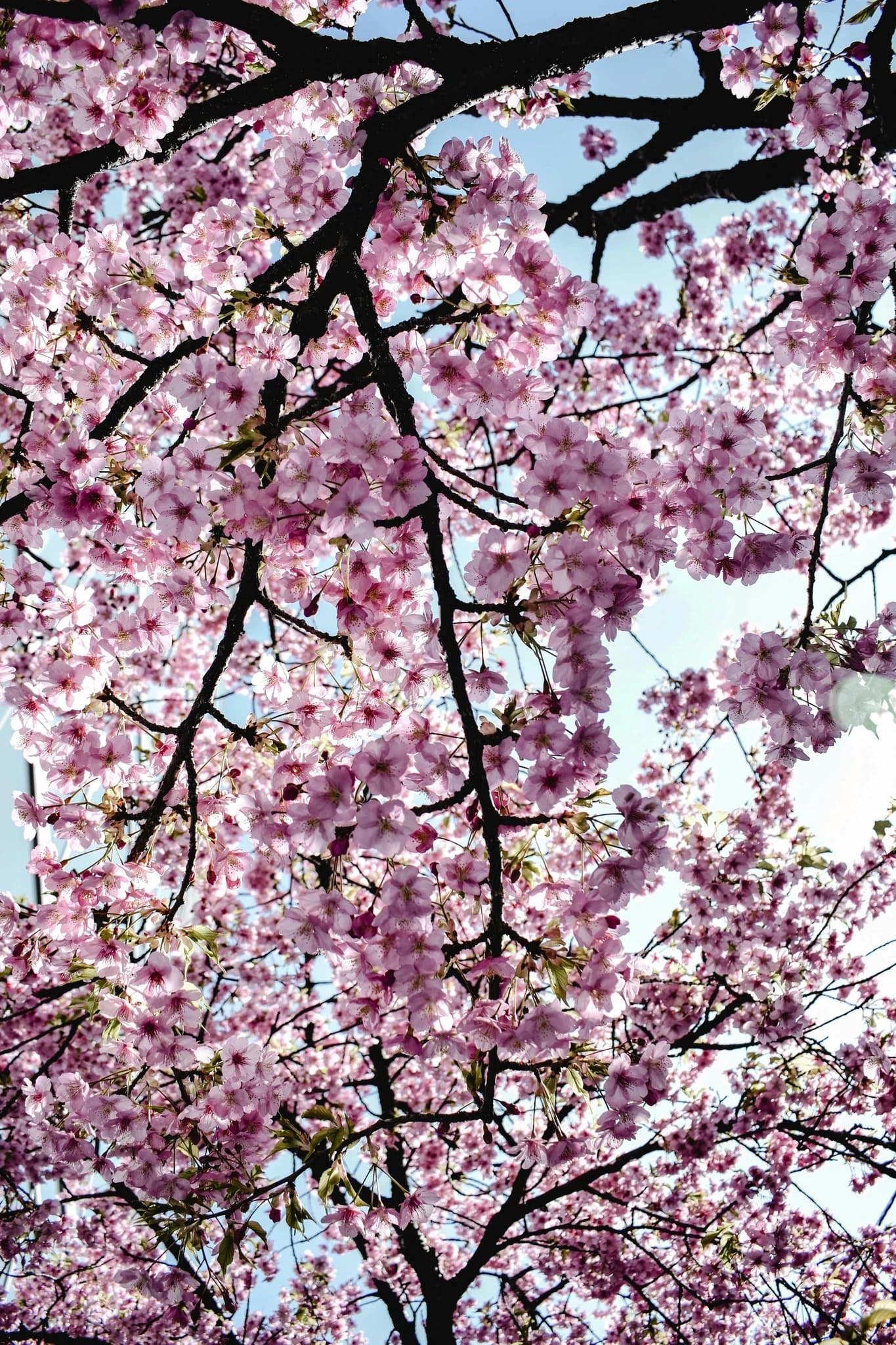
Cherry blossoms are part of spring's appeal. Full bloom occurs between late March and early April, with about a week of peak viewing.
For bloom timing, forecasts, and viewing approaches with a guide, see our cherry blossom touring guide. This page focuses on the full spring season beyond the blossoms.
Choosing Your Spring Window
Different parts of spring offer different tradeoffs.
| Window | Best For | Weather | Crowds | Tradeoff |
|---|---|---|---|---|
| Late March (pre-bloom) | Budget-conscious, crowd-averse | 6-13°C, unpredictable | Lowest of spring | Weather can be cold, less greenery |
| Late March–Early April | Cherry blossom priority | 10-18°C, variable | Peak at famous spots | Book early, higher prices |
| Late April | Wisteria, azaleas, terraces open | 13-22°C, stabilizing | Moderate | Past cherry blossoms |
| Golden Week (Apr 29–May 6) | Festivals, long weekend | 16-23°C, pleasant | High in Tokyo, extreme at day-trip destinations | Domestic travel surge |
| Post-Golden Week (May 7+) | Warm weather, calm conditions | 18-25°C, stable | Low | Past peak bloom season |
Golden Week dates:
-
2025: April 29 to May 6
-
2026: April 29 to May 6
During Golden Week, millions of Japanese travel domestically. Tokyo itself empties somewhat as residents leave, but day-trip destinations from Tokyo (Hakone, Nikko, Mount Fuji area) become extremely crowded.
Where Hinomaru One Fits
Spring's abundance means more options—and more decisions. We handle the logistics so you can focus on the experience: which neighborhoods to explore, where to eat seasonal food, how to time your day around crowds and weather. You get a full spring day without the planning overhead.
At Hinomaru One, we design culturally rich, stress-free private Tokyo tours for first-time and seasoned travelers. Unrushed. Insightful. Always customized.
Spring Food and Dining Strategy
Tokyo is never short on good food, but spring brings seasonal cues that show up everywhere from convenience stores to high-end restaurants.
Seasonal markers you'll notice:
| What You'll See | Where | Why Spring-Specific |
|---|---|---|
| Sakura-themed sweets/drinks | Everywhere | Limited-time seasonal releases |
| Strawberry season items | Desserts, cafes | Peak harvest timing |
| Lighter, fresher menus | Most restaurants | Response to rising temperatures |
| Hanami bentos | Department stores, convenience stores | Designed for outdoor eating |
The main decision: where to eat given crowd pressure.
In peak season areas, casual places can have lines. Department store basements (depachika) are a practical alternative: lots of choice, predictable quality, easy take-away for a park lunch if picnic rules allow.
Practical example: Riverside blossom walk is packed and you don't want to queue for a café? Grab a curated take-away meal from a depachika and eat in a quieter park corner. Often turns a stressful midday into a pleasant reset.
Family, Accessibility, and Mobility Considerations
Tokyo can work well for families in spring, but crowd density changes the equation.
| Consideration | What Helps | What to Expect |
|---|---|---|
| Timing | Earlier starts to avoid peak compression | Spring crowds amplify congestion at all transit points |
| Route selection | Parks with open space vs narrow promenades | Bottleneck routes become stressful with strollers |
| Pacing | Regular breaks; kids hit wall after multiple trains + walking | One major outdoor goal per day, not three |
| Backup plans | Indoor options near main outdoor plan | Weather and crowds require flexibility |
| Station access | Check elevator routes in advance | Longer routes to elevators; busy platforms stressful |
| Terrain | Research specific locations | Gardens and older areas may have steps, uneven surfaces |
Practical Approach
Choose one major outdoor goal per day, not three. Spring crowds are the hidden tax that makes "ambitious" days collapse. Pacing matters more in spring than other seasons.
Tokyo tours designed for families address these spring-specific challenges directly, and accommodation choices for families with mobility needs become more important when spring crowds amplify station congestion.
Rainy Day Planning (Salvage Without Forcing)
Rain doesn't have to ruin spring—unless your itinerary assumes outdoor perfection.
Strong rainy day plan:
| Component | Options | Purpose |
|---|---|---|
| One indoor anchor | Museum, exhibition, large shopping complex, aquarium | Main destination that fills 2-3 hours |
| One covered area | Shopping arcades, underground passages (Shinjuku, Tokyo Station) | Protected walking without full indoor confinement |
| One comfort stop | Coffee/tea spot, long lunch, time to regroup | Mental reset and pacing break |
Mistake to avoid: Turning rain into a frantic transportation day, zig-zagging across the city to "make up for lost time." Rain adds time and friction. Accept a smaller radius and enjoy a deeper experience in one area.
Photography and Viewing Strategy
If photos matter to you, spring is rewarding—but only if you plan around light and people.
| Time | Light Quality | Crowd Level | Best For | Challenges |
|---|---|---|---|---|
| Early morning | Gentle, directional | Fewer crowds | Photos, calm viewing | Need to wake early |
| Midday | Harsh, flat | Peak density | Quick snapshots only | Flattens blossoms visually, crowd clutter |
| Evening | Beautiful but low | Highest at famous spots | Atmosphere shots | Low light, technical difficulty, maximum density |
Realistic Expectations About Tripods and Space
Many crowded areas are not tripod-friendly. Some locations have explicit rules. The easiest wins often come from:
-
Using longer focal lengths to compress blossom scenes without standing in the middle of a path
-
Looking for side streets, bridges, and higher vantage points that reduce crowd intrusion
Other Tokyo Seasons: Tokyo in Winter | Tokyo in Summer
Final Reality Check
Use this as a reality check when finalizing your plan:
-
Timing: Are you mentally prepared for blossoms to be early/late?
-
Crowds: Do you prefer iconic spots (with crowds) or calmer ones (with less spectacle)?
-
Pacing: Can your itinerary handle a slower speed in peak areas?
-
Weather: Do you have at least one indoor anchor per day?
-
Comfort: Are your shoes and layers designed for long walking days?
-
Calendar: Are you traveling near Golden Week, and have you adjusted expectations accordingly?
-
Flexibility: Have you left at least one half-day open to chase good weather or peak bloom?
If you can answer those confidently, spring in Tokyo becomes less of a gamble and more of a reliably enjoyable season.
This guide is published by Hinomaru One, a Tokyo-based private tour operator.