Tokyo's retail depth is vertical, not horizontal. This guide explains when shopping guidance solves the navigation problem and when DIY makes more sense.
The legendary vintage shop everyone recommends is on the sixth floor of an unmarked building. District knowledge doesn't solve that problem.
The challenge of Tokyo shopping isn't finding Harajuku or Shibuya—it's finding the right floor of the right building once you're there. The vintage shops that appear in every Tokyo shopping guide aren't at street level. They're in basements you'd walk past, or on upper floors of buildings that don't announce themselves.
The Store You Can't Find
The challenge of Tokyo shopping isn't finding Harajuku or Shibuya—it's finding the right floor of the right building once you're there. The vintage shops that appear in every Tokyo shopping guide aren't at street level. They're in basements you'd walk past, or on upper floors of buildings that don't announce themselves.
Why "Harajuku" Isn't an Address
Knowing you want to shop in Harajuku tells you which train station to exit. It doesn't tell you where the actual shops are:
| Shop | Location | Navigation Challenge |
|---|---|---|
| JAM Harajuku | B1F Miyazaki Building, 6-28-5 Jingumae | Basement level, entrance not visible from street. Levi's ~¥6,500. |
| KINJI | B1F YM Square, 4-31-10 Jingumae | Entire basement floor. Spacious but you'd never notice from street. ¥2,000-5,000. |
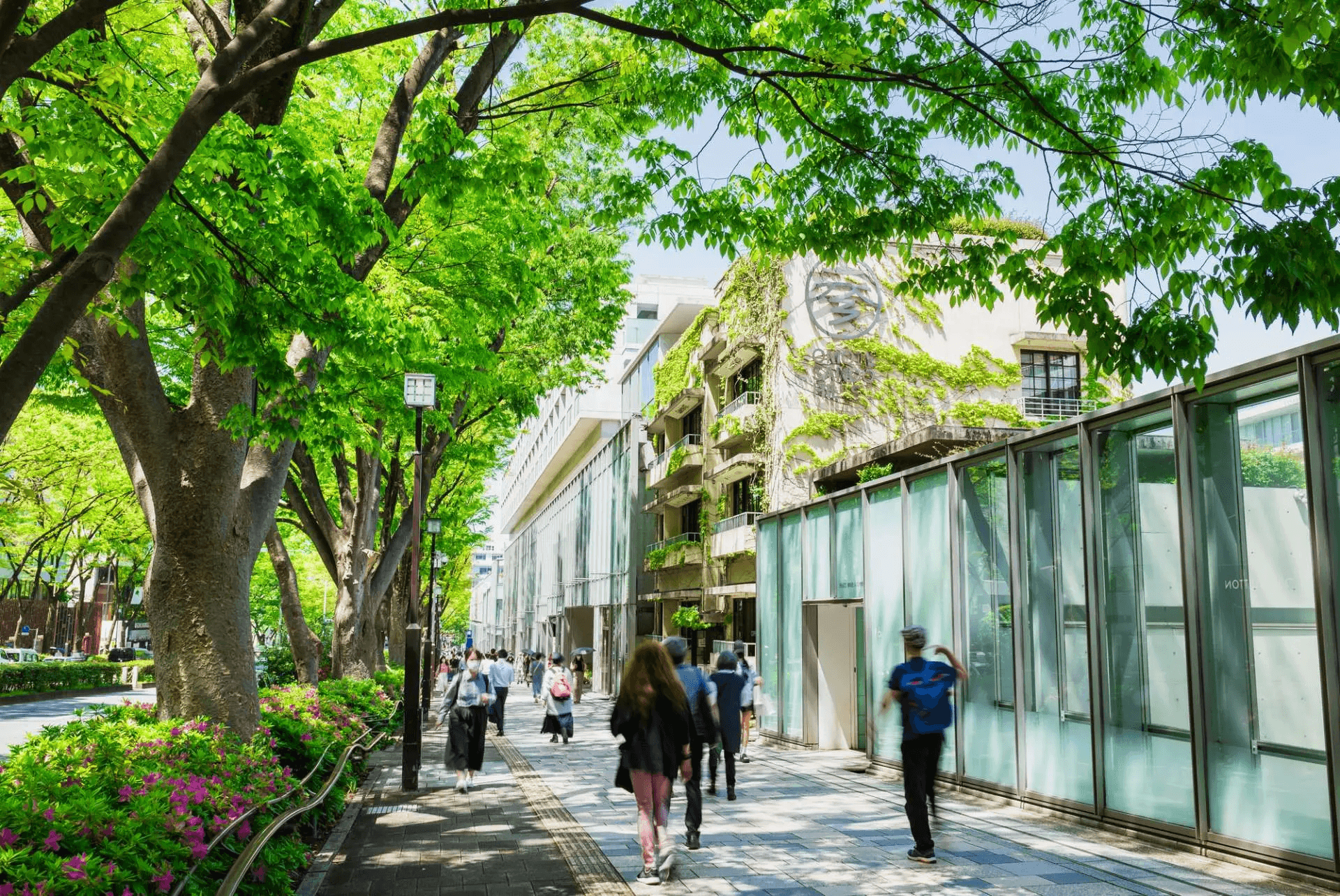
| Vintage Qoo | 2F Omotesando Hills West Bldg, 4-12-10 Jingumae | Second floor of apartment building. No storefront signage. |
| APOLLO | B1F J-cube, 6-12-7 Jingumae | Unmarked basement entrance. European vintage packed wall-to-wall. |
| DOG | Basement (Harajuku) | Graffiti-covered narrow entrance. Lady Gaga has visited. Dresses from ¥7,000. |
The retail landscape is vertical. Tokyu Plaza Harajuku Harakado opened in 2024 with nine floors from basement to rooftop—75 shops across levels that don't show from street view.
When the Best Shop Is Six Floors Up
Ragtag Harajuku—a three-floor designer consignment destination—keeps womenswear brands like Comme des Garçons and Chanel on the ground floor, menswear on the second floor. In Ginza, Allu dedicates five floors exclusively to pre-owned Hermès and Chanel handbags. The building itself looks unremarkable from outside.
Whistler, a vintage Americana shop in Koenji known for rare footwear, requires you to go upstairs via a separate entrance to find their 1940s pieces—most visitors never realize there's an upper floor. APOLLO occupies B1F of the J-cube building at 6-12-7 Jingumae, packed with European vintage behind an unmarked basement entrance. DOG's graffiti-covered basement entrance in Harajuku leads down to leather jackets and punk pieces—Lady Gaga has shopped there, but you'd walk past it twice without noticing.
This pattern repeats across shopping districts. Upper floors hold curated vintage. Basements house budget chains and specialty boutiques. The physical architecture of Tokyo retail assumes you know where you're going—not just which neighborhood, but which building, which floor, which entrance.
The Unmarked Entrance Pattern
Shops you'll read about in Tokyo shopping guides don't look like shops from the street. Chicago Harajuku Takeshita is in the basement of a complex containing several stores. Berbejin—known for fairly high-end Americana and military pieces—keeps its rare denim downstairs in the basement level.
Laforet Harajuku, the iconic 10-story fashion building, numbers its floors as 1, 1.5, 2, 2.5, 3, 3.5—a half-floor system that confuses first-time visitors trying to locate specific boutiques. The building contains 140+ shops across these fractional levels. You're looking for floor 2.5, not floor 2, and the directory assumes you understand this numbering.
The shop is on the sixth floor, or you spend an hour walking the same streets wondering where to find it. The answer isn't better Googling. The answer is knowing that Tokyo retail doesn't happen at eye level.
Three Hours Per District Is Not Pessimism
Transit between Tokyo shopping districts takes less time than exploring a single district thoroughly. Shimokitazawa to Shibuya is 3-6 minutes. Shimokitazawa to Harajuku is 10-15 minutes via Shibuya. But Shimokitazawa contains 150-200 vintage and secondhand stores within a 200-meter radius of the station.
The Transit Math Nobody Mentions
The constraint isn't transit time—it's thorough shopping time:
| District Pairing | Transit Time | Shopping Time Per District | Realistic Daily Coverage |
|---|---|---|---|
| Harajuku ↔ Shibuya | 2 min (1 stop) | 3-4 hours each | Both districts achievable |
| Shimokitazawa ↔ Shibuya | 3-6 min | 4+ hours (Shimokitazawa), 3-4 hours (Shibuya) | One district thoroughly, or both superficially |
| Shimokitazawa ↔ Harajuku | 10-15 min via Shibuya | 4+ hours (Shimokitazawa), 3-4 hours (Harajuku) | Choose one for serious shopping |
| Adding 3rd district | +20-40 min each way | 3-4 hours minimum | Surface browsing only |
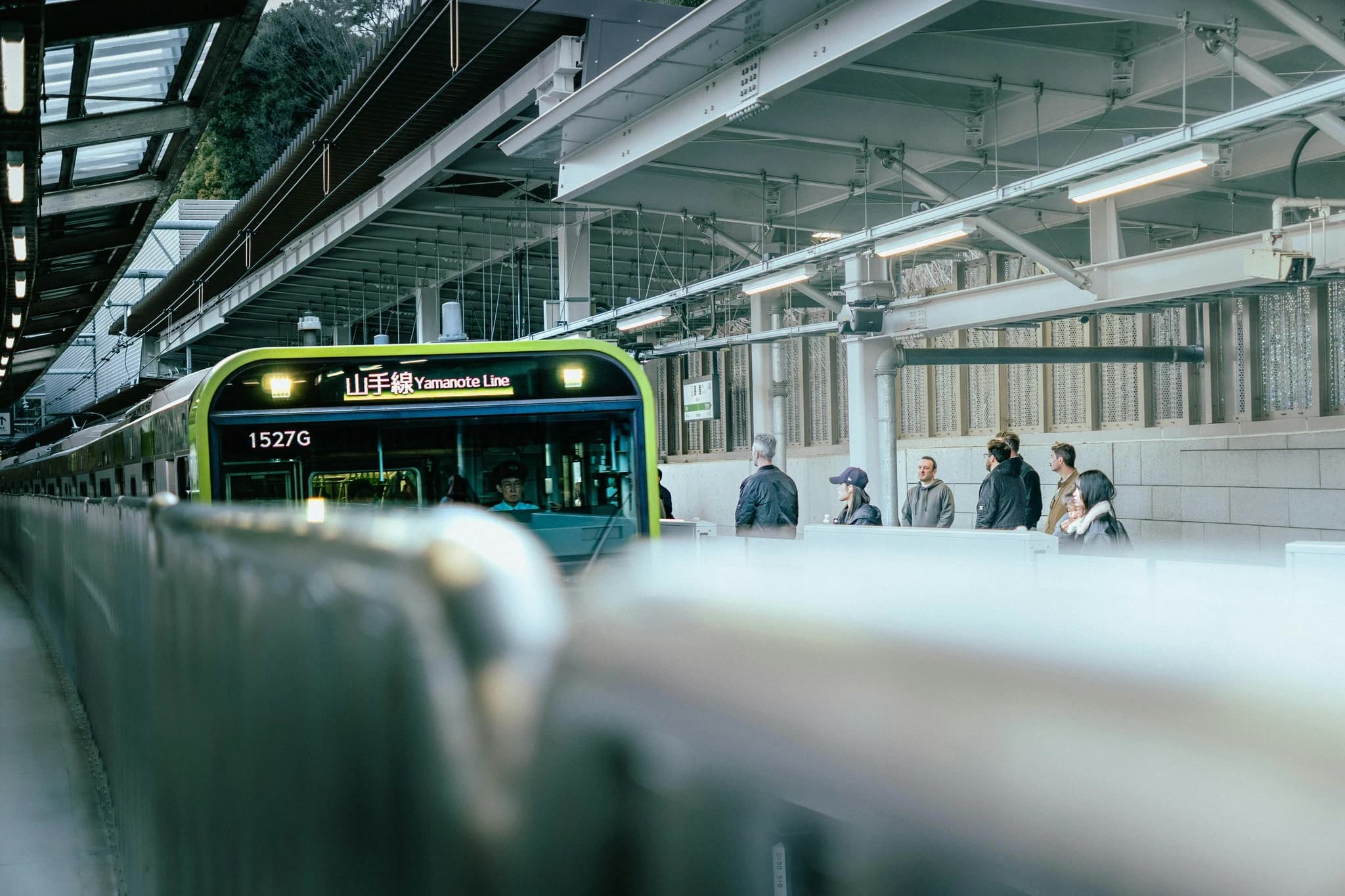
Harajuku to Shibuya is one stop on the Yamanote Line. Physically reaching the next district isn't the constraint. The constraint is that meaningful shopping—browsing multiple floors of buildings, comparing quality across shops, finding pieces that work—takes hours per location.
Most vintage shops open between 11am and noon, close around 7-8pm. Weekends are significantly more crowded. Shimokitazawa, with its 150+ vintage shops, could fill an entire day if you're serious about finding specific items.
Why You Can't Return Tomorrow
Stock rotates faster than visitors expect. Vintage shops receive new inventory regularly, with desirable items selling within hours in popular locations. The Louis Vuitton Reade tote priced at ¥21,900 that you saw in the morning might be gone by afternoon. Fresh stock arrives weekday mornings before weekend shoppers descend.
The practical consequence: if you find something that works, you buy it then. "I'll come back tomorrow" means it's likely gone. This time pressure compounds the geography problem—you can't leisurely sample districts across multiple days if the actual shopping requires decisive movement.
When Two Districts Is Realistic
Covering two districts thoroughly in a day—spending 3 hours in each with transit and meal breaks—is achievable. Three or more means surface-level browsing, not actual shopping. Travelers who successfully navigate Tokyo shopping accept this math upfront. They prioritize depth over breadth.
The alternative is attempting comprehensive coverage and ending each day frustrated by how little ground you actually covered.
Vintage Isn't Budget Shopping
Tokyo vintage shopping occupies a wider price spectrum than most visitors expect. Budget chains exist, but curated vintage—what fashion enthusiasts seek—is investment shopping for archived pieces and authenticated quality, not cheap thrifting.
What "Vintage" Actually Costs
| Shop Tier | Price Range | What You Get | Examples |
|---|---|---|---|
| Curated High-End | ¥8,000-¥30,000+ | Authenticated designer pieces, rigorous verification, archived streetwear | Ragtag (Hermès, Chanel, LV), Berbejin (rare Americana), KOMEHYO |
| Mid-Range Curated | ¥3,000-¥7,000 | Quality vintage with some curation, American/European imports | Flamingo, KINJI (higher end) |
| Budget Chains | ¥1,000-¥5,000 | Volume inventory, minimal curation, hit-or-miss quality | BAZZSTORE, Santa Monica |
| Ultra-Budget | ¥500-¥2,000 | Mass secondhand, inconsistent quality, some basement deals | Don Don Down on Wednesday (¥900 items) |
Ragtag maintains thorough authentication processes and notes condition issues directly on price tags. Items may be discounted up to 75% from original retail prices, but a 75% discount on a ¥200,000 Chanel bag still means spending ¥50,000. Travelers targeting specific vintage finds—authenticated denim, archived streetwear, designer pieces—aren't shopping at ¥900 price points.
The Curation Gradient
Quality variance within "vintage shopping" is substantial. Some shops specialize in authenticated archive pieces. Others mix reproduction with authentic items at authentic prices. KOMEHYO and Ragtag verify designer goods thoroughly. Shops in Shimokitazawa range from carefully curated boutiques to budget chain outlets.
The ¥3,000 vintage T-shirt at one shop might be an authenticated 1990s band tee. The ¥3,000 T-shirt at another shop might be recent production sold as vintage. Tourists can't reliably distinguish between these quality tiers. Experienced shoppers know which stores authenticate rigorously, which floors hold authenticated stock, and which days inventory rotates.
Shimokitazawa's 150-Shop Problem
Shimokitazawa contains 150-200 vintage and secondhand retailers within 200 meters of the station. Comprehensive coverage is physically impossible in a single visit. Quality varies dramatically across these shops. Some specialize in budget casual wear. Others focus on rare denim and authenticated pieces. Walking into shops randomly produces wildly inconsistent results—five budget shops in a row, then unexpectedly stumbling into archived streetwear.
The neighborhood's density creates choice paralysis. Without knowing which shops match your price point and aesthetic, you spend hours browsing mediocre inventory to accidentally find the exceptional shop. Locals navigate this by knowing "Chicago for budget basics, iot for curated high-end." Visitors don't have that map.
When Language Matters (and When It Doesn't)
Language barriers in Tokyo shopping aren't uniform. They appear at transaction points, not during browsing. Understanding this distinction determines when you actually need language assistance versus when independent shopping works fine.
Browsing vs. Buying
| Shopping Activity | Language Needed? | Why |
|---|---|---|
| Checking prices | No | Numbers visible on tags |
| Examining items | No | Visual and tactile |
| Simple credit card purchases | No | Card accepted, minimal conversation |
| Asking about different sizes | Yes | "Does this come in size M?" requires conversation |
| Requesting alterations | Yes | Turnaround time, cost, what's possible—needs detailed discussion |
| Verifying authenticity | Yes | "Is this authenticated?" and understanding nuanced response |
| Asking staff to check back inventory | Yes | Many shops store items in non-browsing areas |
| Tax-free paperwork | Minimal at department stores | Straightforward at major retailers, varies at small boutiques |
| Layaway/shipping arrangements | Yes | Complex transactions require communication beyond pointing |
Walking through shops, checking prices, examining items—none of this requires Japanese. Complexity emerges when you need to ask questions or complete transactions beyond simple purchases.
The Sizing Conversation Problem
Vintage clothing often runs small by Western standards. Confirming whether a piece fits your measurements requires asking about specific sizing—chest width, sleeve length, inseam. Staff at curated vintage shops can help, but this conversation needs shared language. Buying something expensive that doesn't fit because you couldn't ask the right questions is an expensive mistake.
Designer boutiques and high-end vintage stores sometimes offer alteration services. Understanding turnaround time, cost, and what alterations are possible—again, this needs conversation beyond pointing and nodding.
When Staff Assistance Becomes Necessary
Some shops store inventory in back rooms or on floors not open for browsing. Asking to see specific items, checking if they have your size in a style on display, requesting verification of authenticity—these parts of serious shopping require speaking with staff.
Tax-free shopping paperwork is straightforward at major department stores but varies at smaller boutiques. Complex purchases—layaway, shipping to your hotel, combining multiple items—require communication beyond transaction-level English.
For casual browsing and straightforward purchases, language barriers are minimal. For targeted shopping where you're asking questions and negotiating details, barriers escalate quickly.
What Shopping Guidance Actually Provides
Shopping assistance in Tokyo solves the vertical navigation problem, the time allocation problem, and the transaction-point language problem simultaneously—not showing you districts you already know exist.
Navigation vs. Showing You Districts
A guided shopping experience provides building-level, floor-level specificity. Not "let's go to Harajuku," but "the shop you described is B1F Miyazaki Building, entrance is next to the vending machine, and we should arrive before 11:30am when fresh stock appears but before weekend crowds." This is the difference between knowing a district exists and actually accessing its retail depth.
Infinite Tokyo operates as a customizable 8-hour private tour with concierge-level service. After booking, you have a pre-tour consultation where you share specific shopping interests—vintage denim, streetwear, designer consignment, whatever you're targeting. The guide builds an itinerary hitting 5-6 locations that match your goals, budget, and aesthetic. This is on-ground expertise that navigates you to the right floors of the right buildings based on what you want to find, not a fixed shopping tour. For neighborhood-focused shopping exploration, neighborhood-specific private tours provide deeper coverage of single districts like Harajuku, Shibuya, or Shimokitazawa.
The service includes hotel meet-and-greet, public transportation coordination during the tour, and on-call concierge support. Pricing runs from $500 for one person to $1,016 for groups up to 8 people. You're paying for navigation specificity and time efficiency—the difference between wandering Shimokitazawa's 150 shops randomly and being guided to the shops matching your interests.
The Time Efficiency Calculation
Without guidance, serious shoppers spend the first day learning Tokyo's retail geography—which shops are worth time, which floors to check, how long transit actually takes between districts. Day two improves because you've learned from mistakes. But on a 4-5 day Tokyo trip, losing an entire day to inefficient navigation is significant.
Guided assistance compresses this learning curve to zero. You arrive at the right shops, at the right time, with routing that accounts for actual transit time and realistic coverage. The economic trade-off: pay for expertise upfront, or spend a day inefficiently learning the landscape yourself.
For travelers where shopping is a primary trip purpose and time is constrained, the efficiency gain pays for itself in avoided wasted hours. For travelers with flexible time and budget constraints, independent exploration might make more sense.
Transaction-Point Support
The language assistance matters most at decision points. "Does this fit my measurements?" "Is this authenticated?" "Can you hold this while I compare at another shop?" These aren't conversations you can easily have via phone translation apps while standing in a shop. Having someone who can ask these questions naturally—and understand nuanced responses—removes friction from actual purchasing.
This becomes more valuable as purchase price increases. Buying a ¥3,000 T-shirt without conversation works fine. Buying a ¥30,000 designer piece without being able to ask detailed questions about condition, authenticity, or alterations introduces meaningful risk.
When DIY Makes Sense
| Situation | Why DIY Works |
|---|---|
| Shopping is secondary to your trip | Wandering Harajuku and Shimokitazawa independently works fine for casual exploration. You'll miss some unmarked shops, but you'll see enough to satisfy general curiosity. |
| You have flexible time and enjoy discovery | Independent shopping over several days lets you learn the landscape organically. The time inefficiency becomes part of the experience rather than a problem to solve. |
| Budget is tight and you're targeting inexpensive vintage | Guided assistance at $500+ doesn't make sense for shops like BAZZSTORE or Don Don Down. The language barriers at budget chains are minimal, and navigation is simpler. |
Matching Shopping Goals to Guidance Type
Whether shopping assistance makes sense depends on what you're trying to accomplish, how much time you have, and where shopping ranks among your trip priorities.
When Specific Items Drive the Day
If you're traveling to Tokyo specifically to find archived streetwear, authenticated vintage denim, or particular designer pieces, shopping isn't a casual activity—it's the main purpose. Your success depends on accessing the right shops efficiently. A customizable tour like Infinite Tokyo lets you specify "vintage Levi's denim, budget ¥30,000-50,000" during pre-tour consultation, and the guide builds routing around shops that match this target.
| Factor | When This Approach Makes Sense |
|---|---|
| Trip purpose | Shopping is primary, not secondary |
| Target specificity | You're targeting specific items or price points |
| Time constraint | You want to maximize finds within limited time |
| Budget alignment | Cost of guided assistance is small relative to your shopping budget |
The Time-Limited Shopper
If you have 4 days in Tokyo and want to dedicate one full day to serious shopping, time efficiency becomes critical. Independent exploration might take 1.5 days to produce the same coverage that guided assistance delivers in 8 hours. For travelers where every day counts, the efficiency gain justifies the cost.
Infinite Tokyo's 8-hour format with pre-planned routing means you're shopping, not navigating. The concierge support handles logistics so you can focus on actual purchases. This time-compressed model works for travelers who know what they want and need expert routing to access it efficiently.
High-Stakes Purchases
If you're planning to spend ¥100,000+ on designer vintage or authenticated pieces, having transaction-point language support and curation guidance reduces purchase risk. The cost of guided assistance becomes insurance against buying the wrong item, overpaying, or missing condition issues you couldn't identify independently.
For high-value purchases, the question isn't whether you can find shops independently—it's whether you can confidently evaluate authenticity, condition, and pricing without expert assistance. If the purchase amount exceeds the cost of guidance by 10x or more, the risk reduction makes sense.
When DIY Is the Better Choice
| Shopping Style | Why Guidance Doesn't Fit |
|---|---|
| Curiosity-driven browsing | Wandering Harajuku to see what's there works fine independently. |
| Week or more in Tokyo with flexible time | Multi-day independent exploration lets you learn the landscape organically. |
| Budget constrained, targeting under ¥5,000 per item | Guidance costs don't align with purchase budgets at this tier. |
| Enjoy discovery and don't mind time inefficiency | Some travelers prefer finding shops accidentally rather than following expert routing. |
The choice depends on your specific shopping goals, time constraints, and budget—whether they align with the efficiency and expertise model that guided assistance provides. For targeted, time-limited, or high-value shopping, the model works. For casual exploration or flexible timelines, it doesn't.
Ready to Book?
Tokyo's best finds are on the 4th floor of buildings you'd walk past. A guide who knows the floor plans, the back rooms, and the timing turns a shopping day into a treasure hunt.