Recommended Tours
Tokyo Essentials Tour: A Sensory Journey
Recommended Tours
Timeless Tokyo Tour: Journey Through Centuries
Recommended Tours
Tokyo Trifecta Tour: Shrines, Style & Shinjuku Nights
A guide doesn't unlock venue access to temples, tea ceremonies, and gardens in Tokyo. A guide unlocks the understanding that makes those experiences meaningful rather than performative.
You can access traditional culture independently in Tokyo. Understanding what makes it meaningful is what requires a guide.
You can book a tea ceremony online for ¥4,400 and visit Senso-ji for free — traditional culture in Tokyo is accessible. But visitors leave without understanding what they experienced: why that bowl was rotated twice before drinking, what made one temple Buddhist and another Shinto, how to read the seasonal references in a garden's design. A guide doesn't unlock venue access. A guide unlocks understanding.
What Guides Actually Explain (That You Miss on Your Own)
Independent visitors to temples and tea ceremonies see the same physical activities as guided ones. What they miss are the observable details that reveal meaning. One traveler put it simply: "I would have just walked past that."
Tea Ceremony: Beyond Drinking Matcha
A tea ceremony host performs dozens of precise movements in sequence. Without explanation, you see someone preparing tea. With a guide, you notice the bowl rotation before drinking, the seasonal references in the wagashi sweet, the reason the low door forces you to bow entering. Every gesture carries meaning — utensil hierarchy, movement economy, seasonal awareness — that passes unnoticed without context.
Temples and Shrines: What the Architecture Tells You
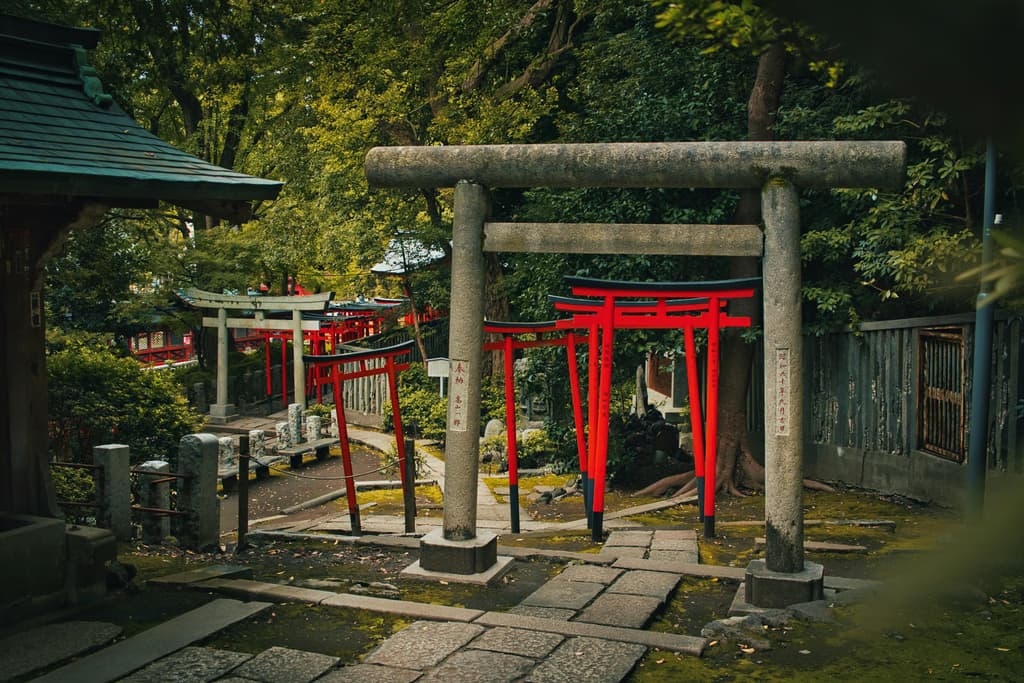
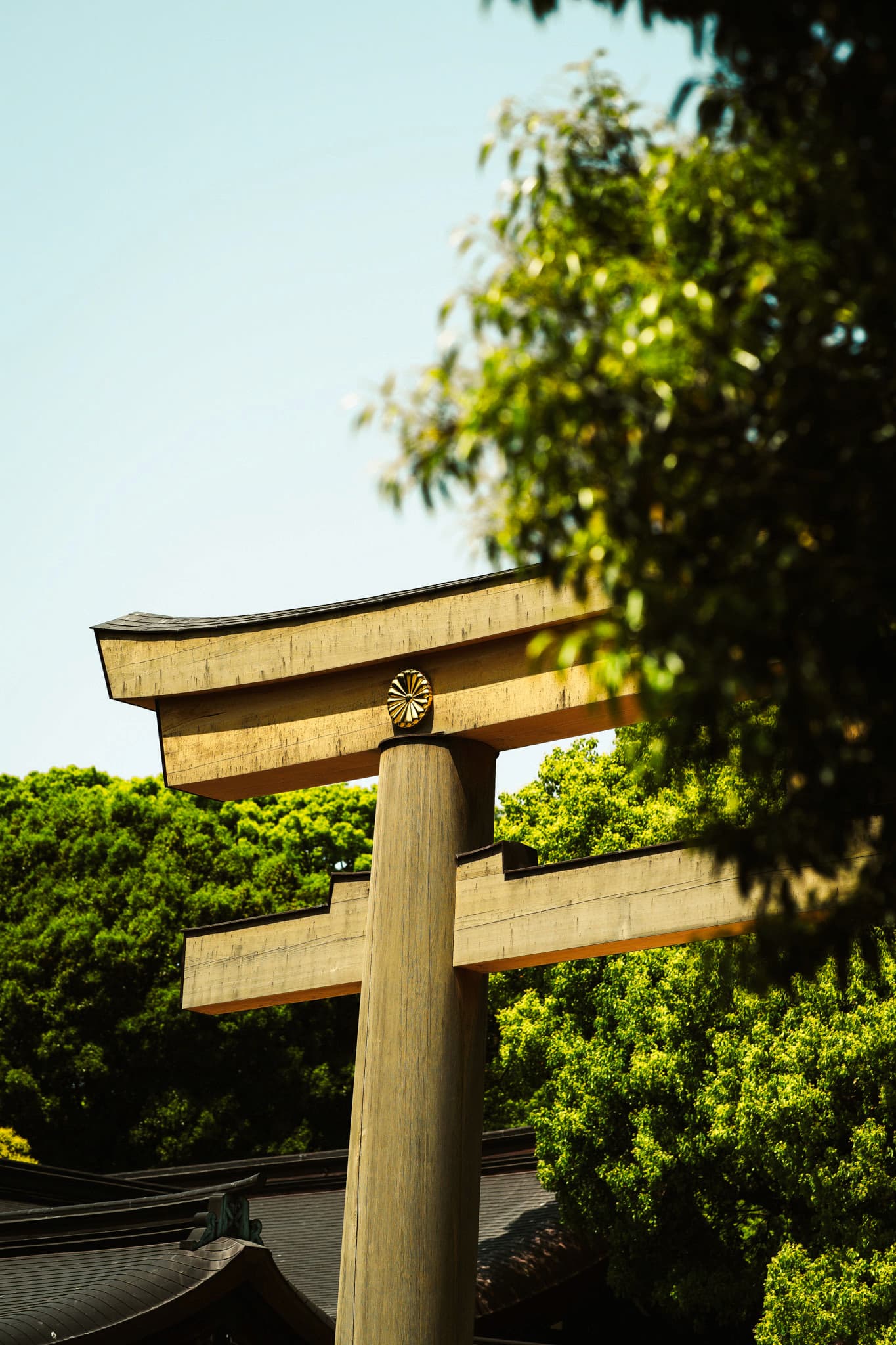
Buddhist temples and Shinto shrines stand side-by-side in Tokyo, but first-time visitors can't tell them apart. The architectural cues are visible — you just need to know what signals what.
| Feature | Shinto Shrines | Buddhist Temples |
|---|---|---|
| Gate | Torii (red or natural wood, freestanding) | Sanmon (solid structure) |
| Key markers | Komainu or fox statues, chozuya purification fountain | Pagodas (multi-story towers), large incense burners |
| Design | Simple, naturalistic, less ornate | Chinese influence, ornate decoration |
| Interior | Haiden (worship hall), honden (closed sanctuary) | Buddha statues and images, often includes graveyard |
| Worship practice | Two bows, two claps, one bow | Burn incense, ring bells, pray silently (no clapping) |
A guide walking you through Senso-ji (Buddhist) and Meiji Jingu (Shinto) points out these patterns. After one explained visit, you can read other sites independently. For Senso-ji, see our Asakusa private tour. For Tokyo's best-preserved temple district, see Yanaka.
Gardens: Reading Designed Space
Tokyo's historic gardens aren't decorative green spaces. They're constructed narratives using specific design principles:
-
Shakkei (borrowed scenery): Frames distant views — mountains, buildings, sky — as part of the garden's composition. Koishikawa Korakuen uses Tokyo Skytree (unintentionally) as borrowed scenery, but originally incorporated natural distant mountains.
-
Karesansui (dry landscape): Raked gravel represents water, carefully positioned rocks as islands or mountains, patterns suggesting flow without liquid. These meditation-focused gardens in Zen temples invite contemplation of natural forms through abstraction.
-
Stroll gardens (kaiyu-shiki): Like Kiyosumi Garden, these construct a walking path where the view changes continuously. Every turn reveals a different composition. The iso-watari stepping stones at Kiyosumi cross the pond, letting you walk above koi at close range. The stones themselves are 55 different types of rare landscape rocks collected from across Japan, transported to Tokyo on Mitsubishi steamships when founder Iwasaki Yataro built the garden in 1878.
Plant and rock placement represent philosophical principles about nature, seasonality, and spatial relationships — legible with explanation, invisible without.
When DIY Works and When It Doesn't
| Works Without Guide | Requires Guide |
|---|---|
| Meiji Jingu's forest approach | Tea ceremony choreography |
| Senso-ji's crowds and visual intensity | Buddhist/Shinto architectural distinctions |
| Garden strolls for peaceful scenery | Garden design principles (shakkei, karesansui) |
| Sensory immersion and presence | Religious etiquette (when to bow, clap, or stay silent) |
Independent visitors report temple fatigue after three or four sites — with explanation, two temples create more understanding than six without.
See: exploring independently vs. with a guide | private tour itineraries
Seasonal Traditional Culture: What Changes When
Traditional culture in Tokyo shifts with the calendar. Some experiences are available year-round; others exist only in specific windows.
| Season | What's Happening | Best For |
|---|---|---|
| New Year (Jan 1-3) | Hatsumode (first shrine visit). Meiji Jingu draws 3+ million visitors. Sensoji packed. Special ceremonies, fortune-telling, amazake (sweet sake). | Experiencing shrine culture at its most active—if you can handle crowds. |
| Setsubun (Feb 3) | Bean-throwing at temples to cast out evil spirits. Sensoji, Zojoji, and Okunitama Shrine hold public ceremonies. | Participatory traditional ritual. Less crowded than New Year. |
| Plum blossom (Feb–early Mar) | Koishikawa Korakuen, Yushima Tenjin. Tea ceremonies often incorporate plum themes. | Gardens before the cherry blossom crowds arrive. |
| Cherry blossom (late Mar–early Apr) | Hanami picnics. Gardens at peak beauty but extreme crowds. Tea ceremonies use sakura motifs. | Iconic seasonal beauty—but plan for crowds at every traditional site. |
| Spring festivals (May) | Sanja Matsuri at Asakusa Shrine (3rd weekend). Kanda Matsuri (odd years, mid-May). Portable shrines, traditional music, street energy. | Tokyo's "big three" festivals. Lively, crowded, unmissable if timing aligns. |
| Summer (Jun–Aug) | Yukata (summer kimono) season. Bon Odori dancing. Sumida River Fireworks (late Jul). Gardens lush but hot. | Experiencing how Japanese people mark summer—festivals, fireworks, light clothing. |
| Autumn foliage (Nov) | Rikugien evening illuminations. Koishikawa Korakuen peak colors. Tea ceremonies shift to autumn wagashi. | Garden beauty rivals cherry blossom, with slightly fewer crowds. |
| Winter (Dec–Feb) | Fewer tourists. Quieter temples. New Year preparations at shrines. Plum blossoms toward February. | Contemplative atmosphere. Best for unhurried temple and garden visits. |
Guide value by season: During festivals and peak periods, guides navigate crowds and explain what you're seeing. During quiet seasons, guides provide the depth that makes a solo temple visit meaningful. The value shifts from logistics to interpretation.
Booking note: Cherry blossom and autumn foliage periods book out fastest for culture-focused tours. Expect 4-6 week lead time for popular dates.
Craft Workshops: Learning Through Making
Craft workshops offer hands-on engagement — you learn through material and technique rather than watching and listening.
Tokyo Craft Workshop Options
| Craft | Venue | What You Learn |
|---|---|---|
| Edo kiriko (cut glass) | Sokichi, Asakusa | Traditional glass-cutting patterns; holding glass against rotating stone, feeling resistance |
| Kintsugi (gold repair) | Kuge Crafts (family-run, 40+ yrs) | Wabi-sabi philosophy through repairing broken ceramics with gold lacquer |
| Kumihimo (braiding) | DOMYO (est. 1652) | Pattern creation through silk thread braiding; meditation-like repetition |
Tourist-oriented workshops (60-90 min) deliver a finished object and basic technique exposure. Family-run traditional workshops (2-4 hours) may not produce a finished piece but teach material properties, traditional tool use, and the patience the craft requires.
Booking: Tourist venues accept walk-ins. Family operations require 1-7 days advance booking. See tour booking timelines if combining workshops with guided days.
To combine craft workshops with temples, gardens, or other interests, Infinite Tokyo lets you design a custom 8-hour itinerary around your learning style.
Practical How-To: Experiencing Traditional Culture Independently
If you're exploring without a guide, here's how to approach each experience type:
Tea Ceremony (Independent)
| Venue Type | How to Book | What to Expect | Cost |
|---|---|---|---|
| Tourist-friendly (Maikoya, Nadeshiko) | Online booking, same-day often available | English explanation, 60-90 min, group or private | ¥3,000-8,000 |
| Hotel-based (Happo-en, Chinzanso) | Hotel concierge or website | More formal, beautiful gardens, private available | ¥5,000-15,000 |
| Temple-affiliated | Japanese-only booking, advance reservation | Authentic setting, less tourist-oriented, Japanese etiquette expected | ¥2,000-5,000 |
What to do: Wear socks without holes. Sit seiza (kneeling) or ask for chair seating. Follow host's lead. Rotate bowl twice before drinking. Compliment the wagashi (sweet).
What not to do: Don't photograph during ceremony without asking. Don't stand up until host indicates. Don't leave matcha unfinished.
Temple and Shrine Visits (Independent)
Before entering:
- Temples: Pass through sanmon gate, no special purification
- Shrines: Use chozuya (water basin)—rinse left hand, right hand, mouth (don't drink), handle
Worship etiquette:
- Temples: Light incense, ring bell if present, bow silently, pray without clapping
- Shrines: Two bows, two claps, one bow (ni-hai, ni-hakushu, ichi-hai)
Recommended first visits (easy to navigate independently):
| Site | Why Start Here | Access |
|---|---|---|
| Meiji Jingu | Clear signage, spacious, free | Harajuku Station, 5 min walk |
| Sensoji | Extremely tourist-friendly, English maps | Asakusa Station, 5 min walk |
| Nezu Shrine | Quieter, beautiful torii tunnel, free | Nezu Station, 5 min walk |
Garden Visits (Independent)
Top gardens for independent visits:
| Garden | Best Feature | Time Needed | Entry |
|---|---|---|---|
| Shinjuku Gyoen | Variety (Japanese, English, French gardens) | 2-3 hours | ¥500 |
| Koishikawa Korakuen | Classic Edo stroll garden, pond views | 1-2 hours | ¥300 |
| Rikugien | Maple/cherry focus, evening illumination in season | 1-2 hours | ¥300 |
| Hamarikyu | Tidal pond, tea house on water, Tsukiji adjacent | 1-2 hours | ¥300 |
Navigation tip: Pick up the English map at the entrance. Most gardens have numbered viewpoints—following the suggested route ensures you don't miss key compositions.
Best timing: Opening time (9am for most) for emptiest experience. Weekdays dramatically less crowded than weekends. Avoid garden visits during rain (paths muddy, views obscured).
Ready to Book?
If you’d like a knowledgeable guide to help you read the meaning behind Tokyo’s temples, tea ceremonies, and gardens — turning observation into understanding — we’d love to help.