Recommended Tours
Tokyo Essentials Tour: A Sensory Journey
Recommended Tours
One Day, Infinite Tokyo Custom Private Tour
Learn how taxis actually work in Tokyo, what they cost, how to hail and ride them properly, and the situations where they simplify travel.
Decide when Tokyo taxis are worth it—and when trains are the smarter move.
Tokyo taxis start at ¥410 for the first kilometer, then add roughly ¥350-400 per kilometer after that. No surge pricing—rates are government-regulated.
The Cost Reality: When Taxis Make Sense vs When They Don't
When the math works:
| Route | Taxi Cost | Train Cost (per person) | Group of 3-4 Cost (per person) | Time Saved |
|---|---|---|---|---|
| Shibuya → Asakusa | ¥3,000-3,500 | ¥200 | ¥750-1,200 | ~10 min (25-30 min vs 35 min) |
| Shinjuku → Tokyo Station | ¥1,500-2,000 | ¥170-200 | ¥375-500 | ~5-10 min (15-20 min vs 25 min) |
For ¥500-1,000 more per person, groups get door-to-door service with no transfers, station walking, or navigation stress.
When it doesn't:
Solo travelers on typical routes lose. That same Shibuya to Asakusa trip costs you the full ¥3,000-3,500 when the train is ¥200. If you're comfortable navigating stations and traveling light, trains win on cost every time. Most Tokyo travel happens on trains, and the subway system is more navigable than its reputation suggests.
The real calculation:
Taxis make financial sense for groups of 3-4, multi-stop trips where train transfers would multiply, or when luggage makes station navigation genuinely difficult. For solo travelers on single routes, you're paying ¥2,500-3,000 for convenience that might only save 10-15 minutes. Taxis are one piece of Tokyo's transportation puzzle.
Late-night rides (10 PM to 5 AM) add a 20-25% surcharge to the metered fare.
Late Night: When Your Options Narrow
Last trains on major Tokyo lines finish around midnight to 1 AM:
| Line | Last Train |
|---|---|
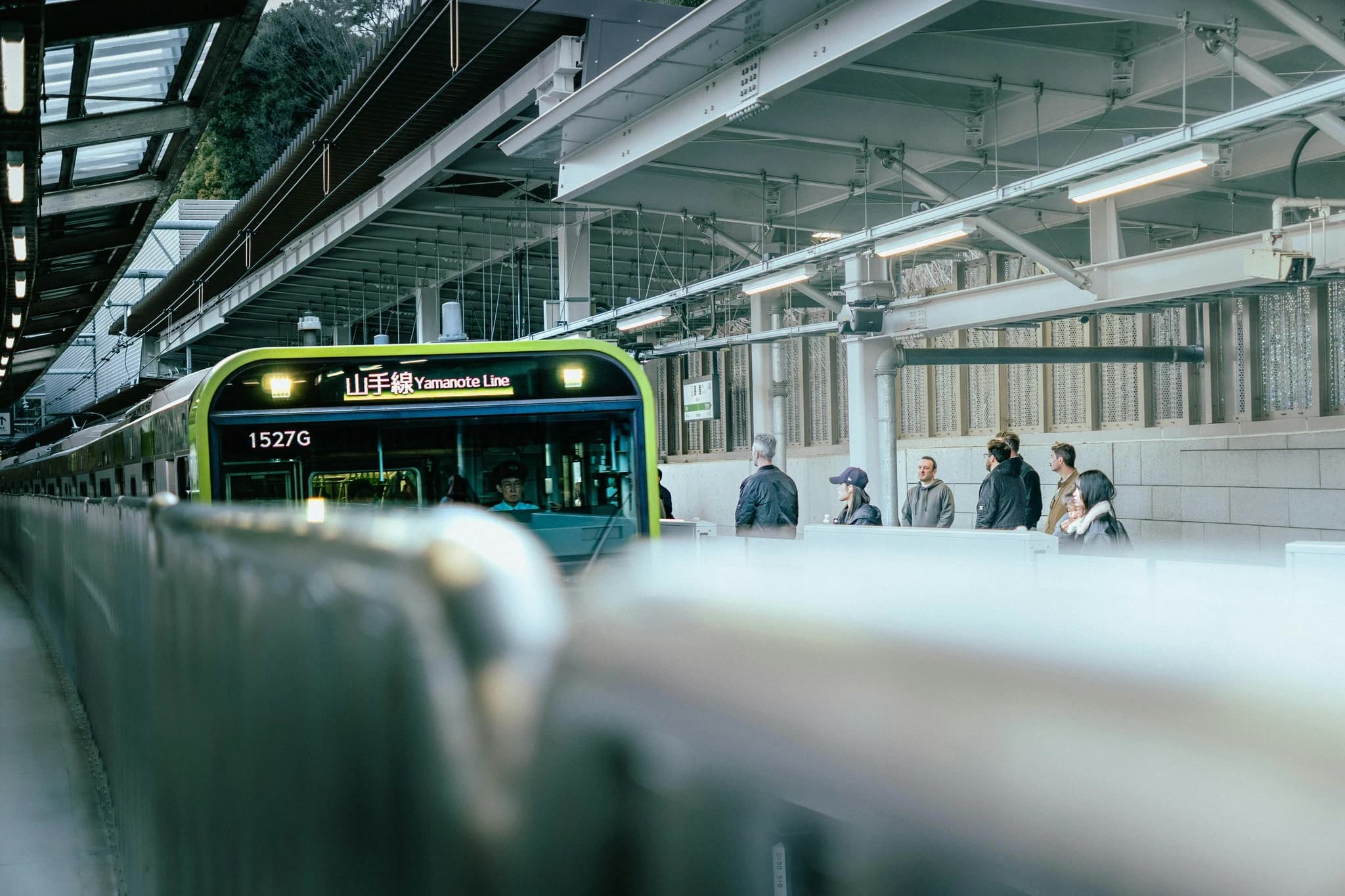
| Yamanote Line | 12:30 AM-1:04 AM (varies by station) |
| Ginza Line | 12:37 AM (Shibuya), 12:39 AM (Asakusa) |
| Oedo Line | ~12:30 AM |
Miss your last train from Shibuya or Roppongi after a night out, and you're choosing between a hotel night or a taxi home. A business hotel near Shibuya Station starts at ¥8,000-10,000. A taxi to most central Tokyo neighborhoods costs ¥2,000-4,000 plus the late-night surcharge.
Night buses exist but run limited routes with longer travel times and infrequent departures. For most late-night scenarios, they're not practical alternatives.
When taxis become necessary:
If you're staying 15+ minutes' walk from the nearest station, the late-night equation shifts. Walking through unfamiliar neighborhoods at 1 AM with luggage or after drinking makes the taxi surcharge worth it.
First trains start around 4:30-5:00 AM. If you have a 7 AM flight from Narita, you either leave at 4:30 AM on the first train (tight timing) or take a taxi at 4 AM (expensive but reliable).
The Language Barrier Myth
Most Tokyo taxi drivers speak minimal to no English. This matters less than you'd think.
What actually works:
Drivers use car navigation systems that accept addresses. Show your destination on Google Maps (the map view, not the text). Hotel business cards with the Japanese address printed work perfectly. Screenshot your destination before you get in the taxi.
The navigation technology bridges the communication gap for straightforward point-to-point trips. You don't need to speak Japanese to get where you're going.
What doesn't work:
Verbal directions to small restaurants or non-major landmarks. Trying to explain route preferences ("avoid the highway" or "use this specific entrance"). Multi-stop trips where you're improvising stops along the way.
How to prepare:
Have your destination address written in Japanese. Hotel concierges can write destinations on paper for you. For restaurants or specific buildings, save the Japanese address in your phone before leaving.
When communication matters:
Special requests require real communication. If you need a specific building entrance for accessibility, want to avoid highways to save toll costs, or plan multiple stops with route changes, language barriers become actual problems. Apps help here since you can specify multiple destinations upfront.
Getting to destinations is solvable with apps and hotel cards. But if language considerations extend to understanding what you're seeing, navigating restaurants beyond pointing at pictures, or getting cultural context, that's where English-speaking guidance changes the experience.
Street Hailing vs Apps: What Works in Tokyo
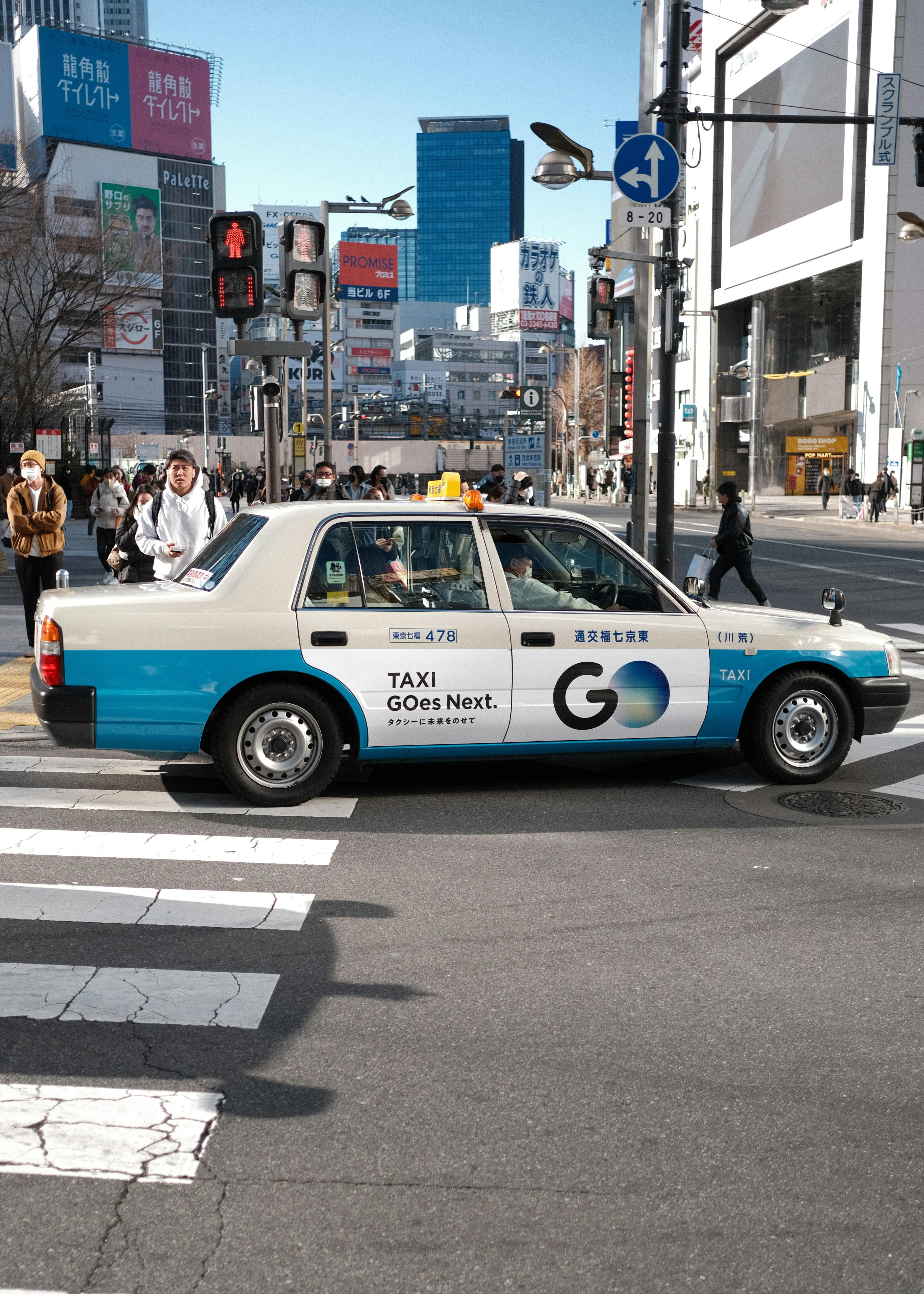
GO dominates with 80% market share of taxi apps. S.RIDE operates across Tokyo's 23 wards with a large network. Uber and DiDi work with local taxi companies but have smaller coverage.
| Method | Where It Works | Where It Fails |
|---|---|---|
| Street hailing | Major stations (Shinjuku, Shibuya, Tokyo Station), hotels, designated taxi stands | Residential neighborhoods, rush hour (7-9 AM, 5-7 PM), rain |
| Apps (GO, S.RIDE) | Anywhere with data/eSIM; outer residential areas | Areas without mobile coverage |
App advantages vs disadvantages:
| Advantages | Disadvantages |
|---|---|
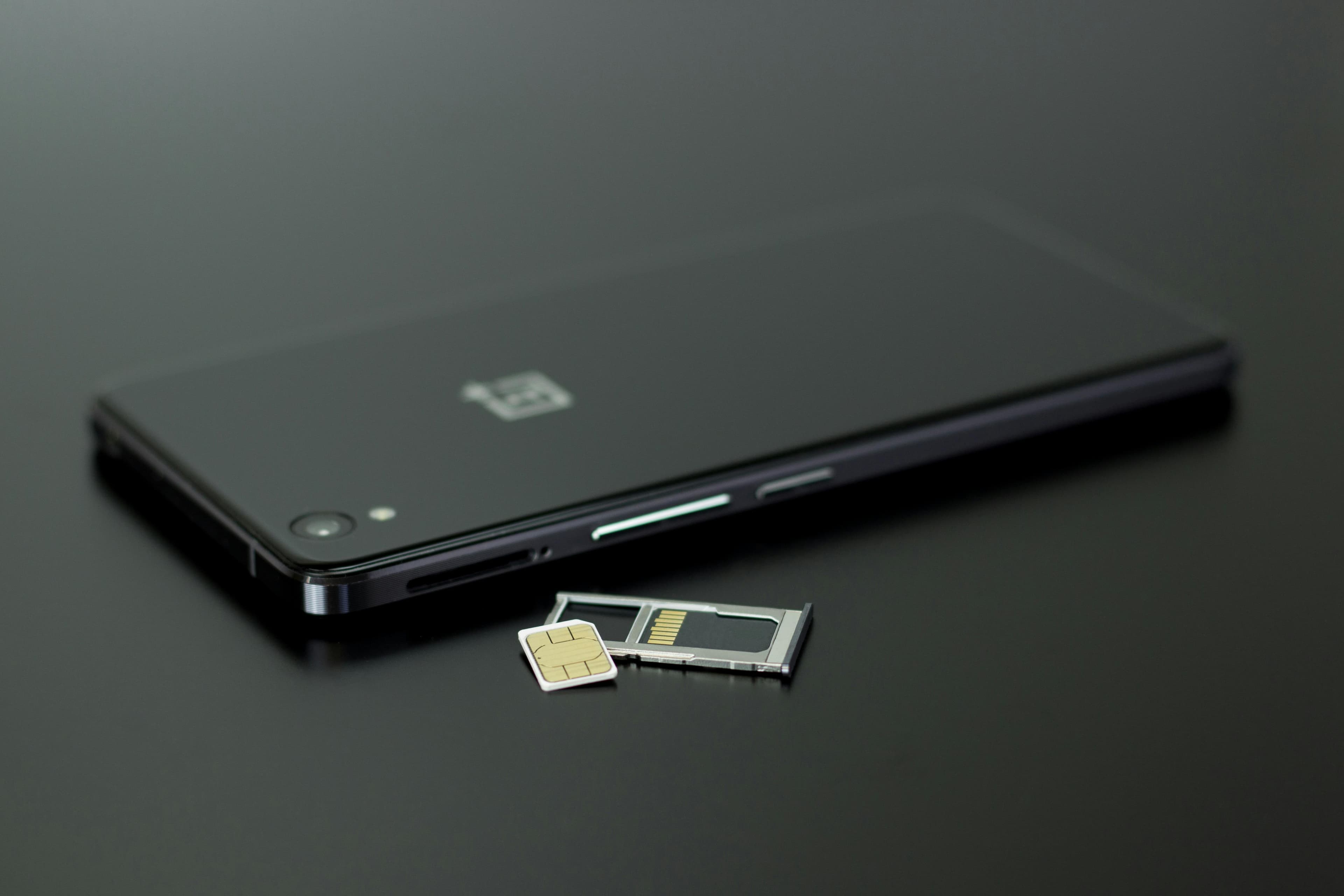
| No Japanese needed for requesting or paying | Requires mobile data or eSIM to function |
| Upfront cost estimates before you commit | GO now accepts international numbers (late 2023), but setup required before need |
| Track driver arrival on map | Some apps may still require Japanese number verification |
| Payment stored in app, destination in English | Must download and configure in advance |
Taxi lights: Red = available, Green = occupied (backwards from some countries)
Payment and Tipping: The Mechanics
| Payment Method | Acceptance | Notes |
|---|---|---|
| Credit cards | Increasingly common, not universal | Carry cash as backup; newer taxis more reliable |
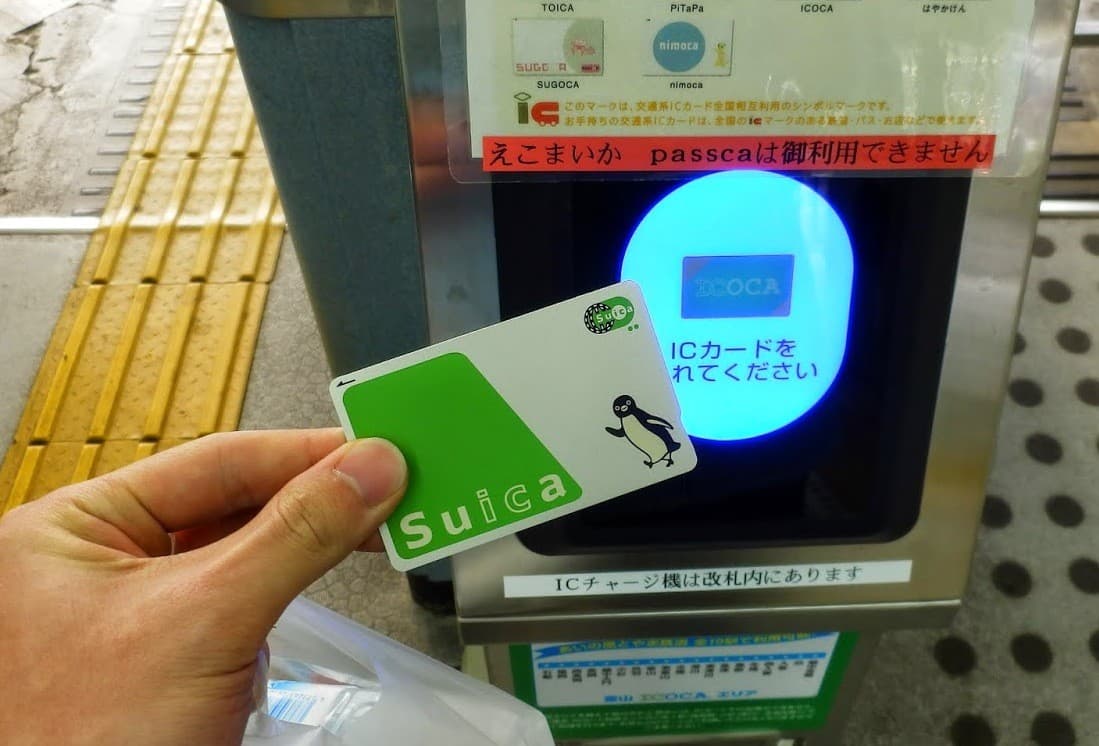
| IC cards (Suica/Pasmo) | Many taxis accept | Look for card reader in taxi |
| Cash | Universal | Have ¥10,000 or smaller; drivers prefer not breaking large bills |
Tipping: None. Not expected, not customary. Offering a tip can confuse drivers—they may assume you forgot your change. The fare is the fare. For how this fits into Tokyo's broader tipping culture—restaurants, hotels, and why service charges aren't tips—the full guide explains the system.
Receipts: Always provided automatically. Important for business travelers—receipts include all fare details.
Doors: Rear passenger doors are automatic. The driver controls them. Don't touch the door handles—they'll open and close automatically. This surprises first-time visitors but it's standard in Japanese taxis.
Airport Transfers: When Taxis Actually Make Sense
| Airport | Taxi Cost | Travel Time | Train Alternative | Train Cost |
|---|---|---|---|---|
| Narita | ¥19,500-30,000* | 60-90 min | Narita Express / Skyliner | ¥3,070 / ¥2,570 |
| Haneda | ¥5,000-8,000 | 20-40 min | Monorail / Keikyu Line | ¥500 + transfer |
*Fixed-rate taxis available. Highway tolls are additional.
Break-even scenarios:
Groups of 3-4 make Haneda taxis competitive with trains when you account for convenience. From Haneda to Shibuya, ¥7,800 divided by four is ¥1,950 each—worthwhile for door-to-door service with luggage.
Narita taxis only make financial sense for groups of 4+ or when train timing doesn't work (arriving after 11 PM, departing before 6 AM).
The luggage factor:
Trains require navigating platforms, stairs (not all stations have elevators to every platform), transfers, and then walking to your hotel. With two large bags, this becomes genuinely difficult. Taxis remove all of it. The alternative to both: luggage forwarding services send bags directly to your hotel from the airport. You arrive unencumbered, bags arrive later that day.
Early/late flights:
First trains start around 5 AM—too late for early Narita departures. Last trains finish around midnight—too early for late arrivals. Taxis fill the gap when train timing doesn't align.
Fixed-rate options:
Both airports offer fixed-rate taxis to designated Tokyo zones. This removes fare uncertainty—you know the price upfront. Highway tolls and late-night surcharges still apply.
Mobility and Accessibility
Wheelchair-accessible taxis exist in Tokyo but need advance booking. Street hailing won't work.
How to book:
Hotel concierges can arrange wheelchair-accessible taxis. The GO app allows requests for accessible vehicles. Tokyo Taxi Centers provide information and booking assistance. Phone booking is often required—some services don't have real-time app integration.
Universal Design (UD) taxis:
Newer fleet includes UD taxis with standard-equipment ramps, roomier interiors, and easier entry. Toyota's JPN Taxi is a common model. These accommodate wheelchairs plus 1-3 other passengers.
When taxis become essential:
Many Tokyo stations lack elevators. Some have only escalators or require long stair walks between platforms. For elderly travelers, wheelchair users, or anyone with crutches/walkers, trains become genuinely difficult or impossible.
Taxis remove all station barriers. From Narita Airport with mobility limitations, a taxi eliminates elevator hunting, platform navigation, and transfer stress entirely.
Planning requirement:
You can't rely on finding an accessible taxi on the spot. Advance booking (ideally 24 hours ahead) is necessary. Services are available but require planning.
Accessible taxis remove the station barrier, but for travelers with mobility considerations, planning routes that avoid stairs entirely, knowing which sites are genuinely accessible, and pacing the day for comfort requires advance knowledge that goes beyond transport alone.
The Scenarios Where Taxis Win
| Scenario | Cost Consideration | Why It Makes Sense |
|---|---|---|
| Multiple stops (e.g., Tsukiji → Senso-ji → teamLab) | ~¥3,000 total (¥1,000 each for 3 people) | Eliminates ¥200+ per train segment + walking + navigation across three areas |
| Heavy luggage between hotels | ¥1,500-2,500 | Removes luggage problem during midday hotel checkout before evening flight |
| Groups of 3-4 | ¥500-1,000 per person most trips | Cost-competitive with trains while offering door-to-door service |
| Elderly or mobility-limited travelers | Standard fare | Station stairs and platform walks are barriers, not inconveniences |
| Time-sensitive connections | Standard fare | Removes transfer risk when catching specific trains (e.g., Narita Express) |
| Late-night return (after last train) | ¥2,000-4,000 + surcharge | Only option besides paying for hotel night (¥8,000-10,000) |
| Rain | Standard fare + surcharge | Stations require outdoor walking; rain + umbrellas + luggage = stress |
| Early morning flights (pre-6 AM departure) | Airport rate | First trains start too late; 4 AM taxi departure is only reliable option |
Taxis remove the transit friction, but if you're unsure which neighborhoods to prioritize, how much time each needs, or how to sequence them to avoid backtracking, that's where having a guide with a car who knows the city's rhythm becomes valuable.
This guide is published by Hinomaru One, a Tokyo-based private tour operator.