Recommended Tours
Tokyo Essentials Tour: A Sensory Journey
Recommended Tours
One Day, Infinite Tokyo Custom Private Tour
Daikoku PA meets, Wangan midnight runs, and tuning shop access—navigating Tokyo's legendary car culture with proper timing and cultural expertise
Experience Tokyo's legendary JDM scene—from Daikoku PA meets to midnight Wangan runs—with proper access, timing, and cultural navigation.
Accessing Tokyo's JDM car culture isn't straightforward. The legendary meets happen on highway rest areas with no public transit access, peak times are late at night, and etiquette is strict and unspoken. Language barriers are real. Most visitors who try independently end up frustrated or miss the experience entirely.
Understanding Tokyo's JDM Reality Check
If you're arriving with Tokyo Drift or Initial D fantasies—underground drift races in Shibuya, roaring Wangan battles at 3 AM—the reality will surprise you.
Yes, those scenes were inspired by real subcultures. Illegal highway racing did exist, and mountain touge drifting still happens outside the city. But you won't stumble into a live-action Tokyo Drift set. Street racing in Tokyo is deep underground, actively policed, not openly accessible, and not safe to seek out.
What surprises visitors: how calm and orderly the meets actually are. Tokyo's car scene is about community and appreciation, not reckless street battles. Daikoku PA feels like a car club gathering—people chat politely, engines stay mostly off, and there's a respectful vibe throughout. If you're expecting drag races or drift stunts in the parking lot, you'll be disappointed. That behavior gets the place shut down.
The meets are less wild party, more mobile museum. People show up to appreciate craftsmanship, not create chaos.
The Physical Access Problem
Tokyo's public transit is exceptional—you can reach almost anywhere by train. But the most significant car culture spots are glaring exceptions.
Daikoku Futo Parking Area and Tatsumi Parking Area—the two legendary meet spots—are literally on expressways. No pedestrian access. No train stations nearby. Taxis won't take you because drivers won't wait at a highway rest area, leaving you stranded on an expressway.
You need a car. Not as convenience. As the only way to physically access these locations.
| Location | Access | Distance from Central Tokyo | Transit Option |
|---|---|---|---|
| Daikoku PA | Bayshore Route expressway, Yokohama Bay | 30-40 min by car | None—highway only |
| Tatsumi PA | Shuto Expressway, within Tokyo | 15-25 min by car | None—highway only |
Even locations technically reachable by transit—tuning shops, showrooms—are scattered across Tokyo and Yokohama. Connecting them by train while hitting evening meets becomes a logistical puzzle that wastes time you don't have.
The Cost: Private car with driver (Toyota Alphard or similar) runs $520 for the tour duration. Required, not optional. This isn't a luxury add-on. It's fundamental to accessing the culture. For more on how car tours work in Tokyo, see our guide to private car tours.
Timing Tokyo's Organic Car Culture
Tokyo's car meets aren't scheduled events with published times. They're informal gatherings that happen organically—but with no guarantees.
| Factor | Daikoku PA | Tatsumi PA |
|---|---|---|
| Peak nights | Friday/Saturday | Weeknights |
| Peak hours | 9-11 PM | Late night |
| Typical turnout | Larger crowds, more variety | Smaller, more consistent |
| Vibe | Main event energy | Intimate gatherings |
| Risk factors | Police closures common, weather-dependent | Less policed, still weather-dependent |
| Sunday option | Early morning sometimes active | Rare |
You can't show up any night expecting hundreds of cars. Flexibility matters. Having someone who knows the patterns, checks conditions, has backup plans—that's the difference between experiencing the scene and driving to a closed parking area.
This contrasts sharply with scheduled tourism. Museums have fixed hours. Temples are always there. Car meets are organic and unpredictable.
What You'll Actually Do (And What You Won't)
At Car Meets
Highway rest area meets are essentially open-air car shows where you can walk around freely, admire cars, take photos, and chat with owners if they're welcoming.
But it's look-but-don't-touch unless explicitly invited. Sitting in someone's car or asking for rides isn't common. These are private owners at a social gathering, not an organized event. That said, many owners are friendly and proud to share details about their build if you approach respectfully.
| ✓ Acceptable | ✗ Not Acceptable |
|---|---|
| Walking around freely | Revving engines |
| Taking photos (ask for close-ups) | Burnouts or drifting in lot |
| Chatting if owners are welcoming | Touching cars without permission |
| Admiring builds respectfully | Loud/boisterous behavior |
| Asking about modifications politely | Asking to sit in cars without introduction |
Think of it as an ever-changing museum of JDM culture.
Shops and Showrooms
| Destination | Location | What You'll See | Hours | Time Needed |
|---|---|---|---|---|
| A PIT Autobacs | Shinonome, Tokyo (15-20 min from center) | Auto parts megastore, live garage behind glass, mechanics installing turbos/suspension/exhaust, café | Standard retail | 1-2 hours |
| Nissan Crossing | Ginza | Concept cars, GT-R NISMO, electric prototypes, VR simulators, sit inside vehicles | 10am-8pm daily (irregular holidays) | 30 min |
| Spoon Type One | Suginami, west Tokyo (25 min from Shinjuku) | Spoon Civic EK9, S2000, race Integras, mezzanine garage view, merchandise | Weekdays 10am-7pm | 20 min |
| NISMO Omori Factory | Tsurumi, Yokohama (30 min from Tokyo) | GT500 racecars, restored R32 GT-Rs, racing engines, rebuild workshop | Sat-Sun 10am-5pm only | 30-45 min |
Note: NISMO often requires email ahead for guided visits. Spoon is also accessible by 10-min walk from Ogikubo Station.
What's Not Realistic
| Expectation | Reality |
|---|---|
| Driving JDM cars yourself | This isn't a rental or driving experience |
| Visiting private tuner workshops (Top Secret, RE Amemiya) | Generally not open for casual visits |
| Seeing specific cars guaranteed | Meets are organic—you see what shows up |
| Participating in street racing or underground runs | Not part of this, period |
The Cultural Navigation Layer
Most car enthusiasts at meets don't speak fluent English. If you want to learn about someone's build, hear the story behind their car, understand modifications—you need someone who can navigate that conversation in Japanese.
Etiquette isn't obvious. Approaching cars, taking photos, speaking with owners—there are unwritten rules. Boisterous behavior gets you shunned. Touching cars without permission is offensive. Revving engines or showing off is forbidden (the irony isn't lost on anyone).
Walking up to someone's pristine R34 Skyline asking "can I sit in it?" without proper introduction—that's how you get cold shoulders. Knowing when body language says "I'm happy to talk about my build" versus "I'm here with my crew"—that requires cultural reading.
Who This Tour Actually Works For
Serious JDM Enthusiasts
You know the difference between an R32 and R34. You understand why a Veilside kit matters. You've watched Best Motoring clips or followed Keiichi Tsuchiya's career. You want to see the actual places you've read about—walk the same Daikoku PA that hosted legendary meets, see cars that would never be street-legal back home.
This tour exists to provide access, context, and navigation—not to educate you on what JDM means. If you need "JDM" explained, start with YouTube. This is for people who already understand and want to experience it firsthand.
Photographers and Content Creators
You want to capture Tokyo's car culture authentically. The meets, the roads, the atmosphere, the intersection of neon cityscape and automotive passion. You need proper access, timing for optimal light (blue hour at Daikoku PA is spectacular), someone who can facilitate permission to photograph cars and owners.
Coordination around photographic priorities. Positioning at locations with best backgrounds. Handling social navigation of asking owners for permission to shoot their cars up close.
Who Should Skip This
| If You... | Why It's Not Ideal |
|---|---|
| Think cars are "cool" but lack real JDM context | Experience is rich for enthusiasts, expensive evening for casual observers |
| Need guaranteed specific cars or outcomes | Meets are organic and unpredictable |
| Want daytime scheduling | Meets happen at night |
| Expect driving experiences | This is access and observation, not rentals |
The value is in recognition: "That's a Veilside RX-7 like Tokyo Drift." "Those are actual Spoon components, not replicas." "This guy's running a GReddy setup—I had the same turbo on my car." Without that foundation, you're missing most of what makes this special.
What This Investment Actually Covers
| Component | Cost | Notes |
|---|---|---|
| Base tour (8 hours) | $550 | For group of 2 |
| Private car + driver | $520 | Toyota Alphard or similar |
| Total | ~$1,070 | $535/person for 2 people |
Not included:
-
Shuto Expressway tolls (multiple segments add up)
-
Parking fees where applicable
-
Food/drinks during tour
-
Entrance fees (Nissan Crossing is free; some locations may charge)
-
Shopping at parts stores
What justifies the cost:
| Factor | Why It Matters |
|---|---|
| Evening/night timing | Most tours don't operate these hours |
| Private car requirement | No public transit alternative exists |
| Cultural access | Language skills + etiquette knowledge |
| Unpredictability management | Maximizing odds with backup plans |
| Subculture expertise | Navigating a scene notoriously difficult for outsiders |
For groups of 3-4, per-person cost drops significantly since base tour and car costs are fixed regardless of group size (up to vehicle capacity). If you're weighing whether specialized tours like this provide value, we break down how to evaluate if private tours are worth it.
How Booking and Coordination Actually Works
This is a customized version of the Infinite Tokyo tour designed specifically for automotive enthusiasts. Same operational framework: expert guidance, cultural navigation, flexible timing, complete customization to your interests.
The Process
| Step | What Happens |
|---|---|
| 1. Contact with dates | Day of week matters enormously. Friday/Saturday for Daikoku PA; weeknights for Tatsumi PA emphasis. See our Tokyo tour planning guide. |
| 2. Scouting | Check recent meet patterns, verify shop hours, assess weather, design timing around what's actually likely happening, identify backups. |
| 3. Feasibility confirmation | Honest assessment of what's possible vs. aspirational. If dates don't align with meets, we'll say so and suggest adjustments. |
| 4. Car arrangement | Book driver and vehicle, brief on routing and late-night operation. |
| 5. Experience design | Nissan vs. Honda focus? Photography priority? Max meet time vs. balanced shop visits? Built around your priorities. See our guide to customizing your Tokyo tour. |
This Isn't a Fixed Itinerary
Tokyo's car scene is organic and unpredictable. We design your experience around what's actually happening when you're here, not a rigid template.
If Daikoku PA is quiet but we hear Tatsumi is active, we adjust. If weather looks bad for meets but a shop is having a special event, we pivot. If you're fascinated by what you're seeing at A PIT Autobacs and want more time there, we adapt the rest of the evening.
Flexibility is built into the approach. The goal: best possible access to Tokyo's car culture given real-world conditions—not forcing a predetermined route regardless of circumstances.
Why We Can Actually Deliver This
We're car enthusiasts who design authentic experiences using local Tokyo expertise.
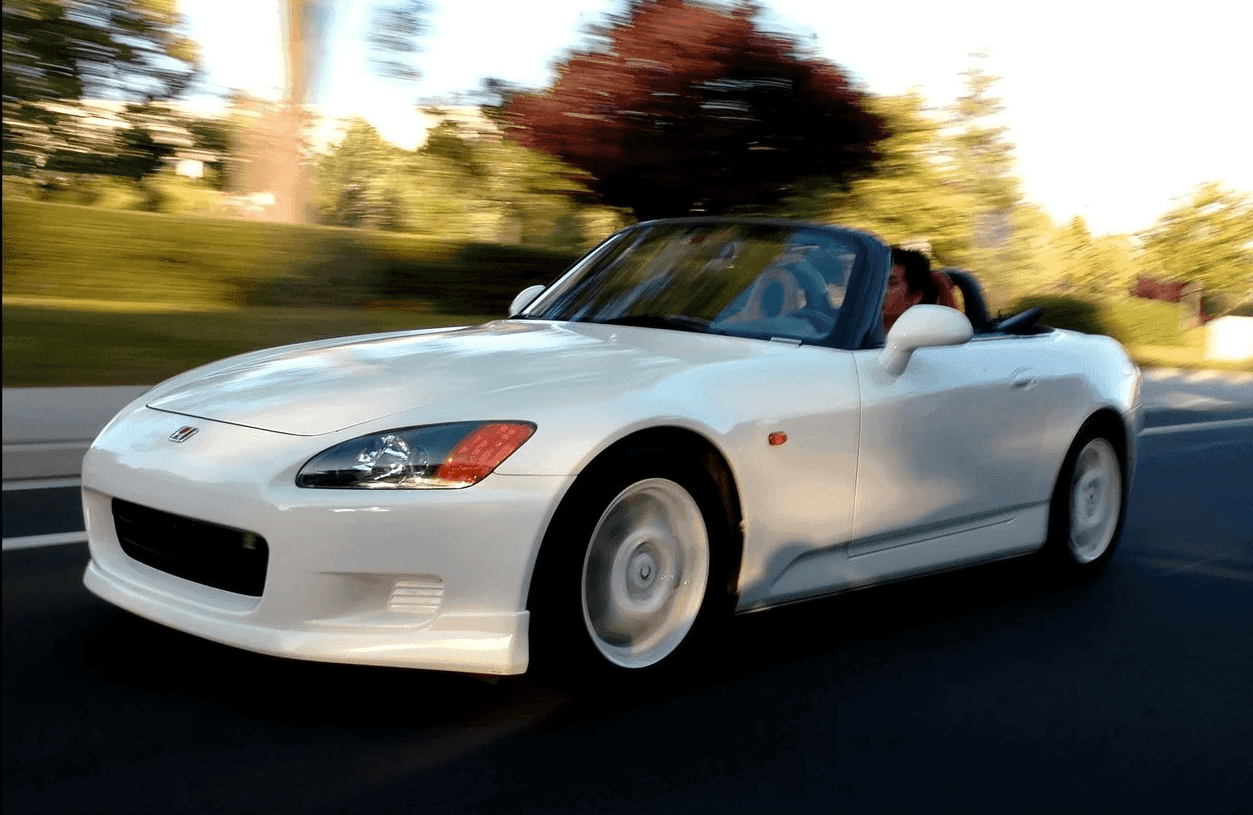
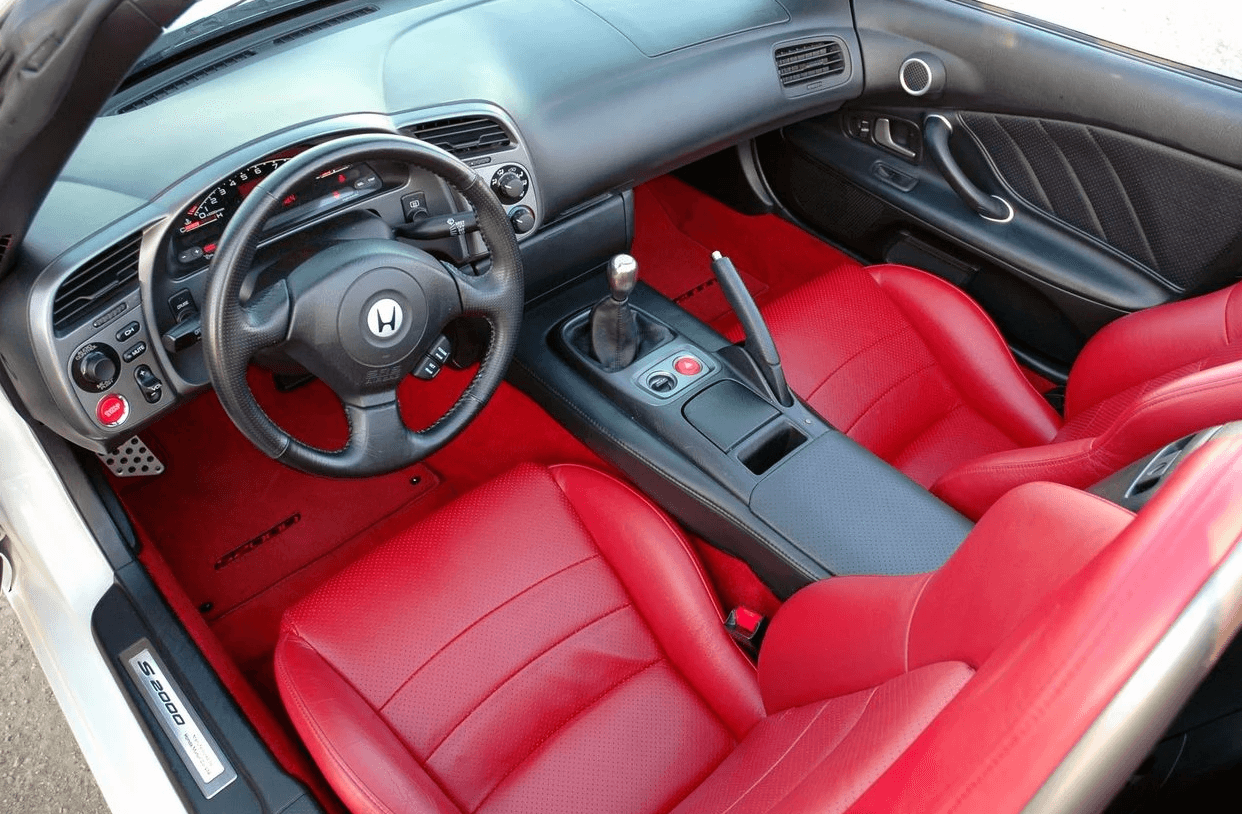
One of us owned a Championship White S2000 AP2 with Championship White wheels, red interior imported from Japan, HKS exhaust—the kind of period-correct build that reflects understanding what matters in JDM culture. Friends deep into Spoon. Debates about staying stock versus modifying. Understanding why a Mugen shift knob or titanium strut tower bar mattered beyond just performance gains.
We're not claiming professional mechanic credentials. But we know what JDM enthusiasts care about because we are JDM enthusiasts. And we know how to operate specialty tours in Tokyo because we've spent years understanding how the city works—timing, access, cultural navigation, language, logistics.
When you combine automotive enthusiasm with operational expertise in Tokyo, you get something most can't replicate: proper access to a culture notoriously difficult for outsiders to penetrate, delivered with attention to detail and authenticity that matters to people who actually understand what they're seeing.
We coordinate timing around when meets actually happen. Navigate social dynamics and etiquette so you can participate respectfully. Handle all language barriers. Know which shops welcome visitors and which don't. Understand that the drive on the Shuto Expressway isn't just transportation—it's part of the experience.
Most importantly, we're honest about what's realistic. If conditions aren't ideal for meets the night you're available, we'll tell you and help you decide whether to proceed, adjust dates, or modify expectations. We'd rather be transparent than overpromise something we can't control.
Where Hinomaru One Fits
Most of our tours focus on cultural experiences for families, first-time visitors, and travelers seeking comfortable-paced exploration of Tokyo's neighborhoods, food, and heritage. Those tours happen during daytime hours, don't require private cars, and emphasize accessibility and stress-free navigation.
This JDM tour is different. It operates during evening and late-night hours when meets happen. Requires private car and driver as fundamental infrastructure. Targets automotive enthusiasts with existing JDM knowledge rather than casual visitors. The experience assumes you already understand what you're seeing and why it matters.
| Works Well For | Not Ideal For |
|---|---|
| Already know JDM culture, want proper Tokyo access | Looking for guaranteed outcomes |
| Specific automotive interests (GT-Rs, Type Rs, tuning culture, Wangan mythology) | Need daytime scheduling |
| Accept inherent unpredictability as part of organic subculture | Casual "cars are cool" tourism |
| Value cultural facilitation over rigid itineraries | Want driving experiences, not observation |
The investment makes sense when you understand what you're accessing and why the access itself is valuable.
JDM Tour Practical Details
Cancellation and Refund Policies
JDM tours follow our standard cancellation policy with one important caveat:
| Cancellation Window | Refund |
|---|---|
| 24+ hours before tour | Full refund |
| Within 24 hours | Non-refundable |
| Weather/meet cancellation | Reschedule or full refund |
The organic nature caveat: If meets don't materialize on your scheduled night (police closure, bad weather, just a slow night), we'll discuss options:
- Reschedule to another night during your trip if possible
- Pivot to alternative JDM experiences (tuning shops, showrooms, Wangan drive)
- Partial refund if no meaningful alternative exists
We're honest upfront: meets aren't guaranteed. Your booking acknowledges this inherent unpredictability. What we guarantee is proper access and expertise when the scene is active.
Group Size Limitations
JDM tours work best with small groups:
| Group Size | Vehicle | Notes |
|---|---|---|
| 1-2 people | Sedan or standard car | Ideal for intimate experience |
| 3-4 people | Standard car or van | Works well, still intimate |
| 5-6 people | Van required | Maximum for single-vehicle experience |
| 7+ people | Not recommended | Splits group, loses intimacy, awkward at meets |
Why we cap at 6: Daikoku PA and Tatsumi PA are observation experiences, not organized tours. Walking through as a large group draws unwanted attention and changes the dynamic. Smaller groups blend in better and have more authentic interactions with owners.
For larger groups, we recommend splitting across multiple nights or accepting that only part of the group will experience meets while others do alternative JDM activities.
Getting Started
JDM tours are fully custom, built through Infinite Tokyo. Start there, or message us via chat or email with your travel dates. We'll discuss what's realistic for your visit and design your experience accordingly.
Since this involves coordinating evening/night timing with organic meet patterns, we recommend reaching out as far in advance as possible to maximize flexibility.