Recommended Tours
Tokyo Essentials Tour: A Sensory Journey
Recommended Tours
One Day, Infinite Tokyo Custom Private Tour
Tour companies tout "fully customizable experiences" then ask if you want traditional or modern Tokyo. That's not customization—it's choosing between two generic routes.
Most "Customized" Tours Mean Picking From Three Pre-Set Options—Real Customization Starts With Knowing What You Actually Want.
The guest who says "Mom uses a cane, we need to finish by 5pm, and we're not temple people" gets a better route than the guest who says "we're open to anything."
That sounds backwards. It isn't.
This guide covers how to collaborate with a private tour operator so the experience matches what you actually want — not how to evaluate operators (that's a different question), but how to work with one once you've chosen.
Lead with What Limits You
Most customization advice tells you to "communicate your constraints" — then frames those constraints as problems to work around. That's backwards. Your constraints are your advantages.
Why "Open to Anything" Slows Everything Down
When you say "we're flexible" or "whatever you recommend," you're not being easy to work with. You're being hard to design for.
A guide facing "open to anything" has to guess. Are you high-energy or low-energy? Do you like crowds or quiet? Are you here to check boxes or go deep? Without parameters, they default to safe, generic routes.
Give them constraints, and suddenly the route designs itself.
What Good Operators Actually Want to Hear First
Lead with your limits before your interests:
-
Mobility: "My father uses a cane." "We need elevator-accessible stations." "Stairs are fine but hills are hard."
-
Time: "We have dinner reservations at 7pm, so we need to finish by 6." "We're jet-lagged and will crash around 3pm."
-
Dietary: "Two of us are vegetarian." "Severe shellfish allergy."
-
Energy: "We want a slow day." "We want to maximize coverage."
These aren't apologies. They're design specifications.
The Mobility Example That Changes Everything
One traveler shared: "We customized our tour based on my mother's physical ability. The guide was able to adapt to the changes and also provided alternatives."
That guest didn't apologize for her mother's needs. She stated them upfront — and the guide built a route around them. Elevator-accessible stations. Rest stops factored into timing. Temple stairs swapped for garden paths. For more on how this works in practice, see accessibility in Tokyo with a private tour.
Travelers coming from group tours often hide constraints because they've learned that slowing down the group makes them a burden. Private tours eliminate that pressure. The whole day is yours. Your limits don't inconvenience anyone — they shape the route. If you're traveling with older family members, see private tours for elders.
Direction Over Destination
You don't need to know Tokyo to customize a Tokyo tour. You need to know what you care about.
What a Creative Brief Looks Like
| Instead of this | Try this |
|---|---|
| "We want to visit Kappabashi at 10am, then Yanaka at 11:30am, then lunch in Nezu, then Ueno Park." | "We're interested in how traditional crafts survive in modern Tokyo." |
The first is an instruction manual — no room for the guide to read the day, adjust to your energy, or make calls you couldn't make without local knowledge.
The second is a creative brief. Direction without dictation. A guide can work with that.
The Over-Scheduling Trap
Travelers who book "things every hour" regret not leaving space for spontaneous discovery. Over-scheduled travelers describe their trips as "a blur." The best moments are the unplanned ones — the bakery with no sign, the side street that opens onto a shrine, the shop owner who invites you in.
Direction gives you those moments. Destination lists don't.
Examples That Give Guides Room to Work
Instead of listing places, describe what you're drawn to:
-
"We want to understand everyday Tokyo life — not tourist Tokyo."
-
"We're curious about food specialization — why there are shops that only sell one thing."
-
"We're architecture people. Modern, not traditional."
-
"We want a slow day. Fewer stops, more lingering."
-
"We are celebrating a milestone birthday."
These let the guide curate rather than execute. If you're unsure how long your tour should be, we have guidance on that too.
Permission to Skip the Famous Stuff
Your first stated request is often the "acceptable" one, not the true one. Travelers hold back because they think certain things are required — that a Tokyo tour needs temples, or shrines, or Senso-ji.
It doesn't.
A Day Without a Single Temple
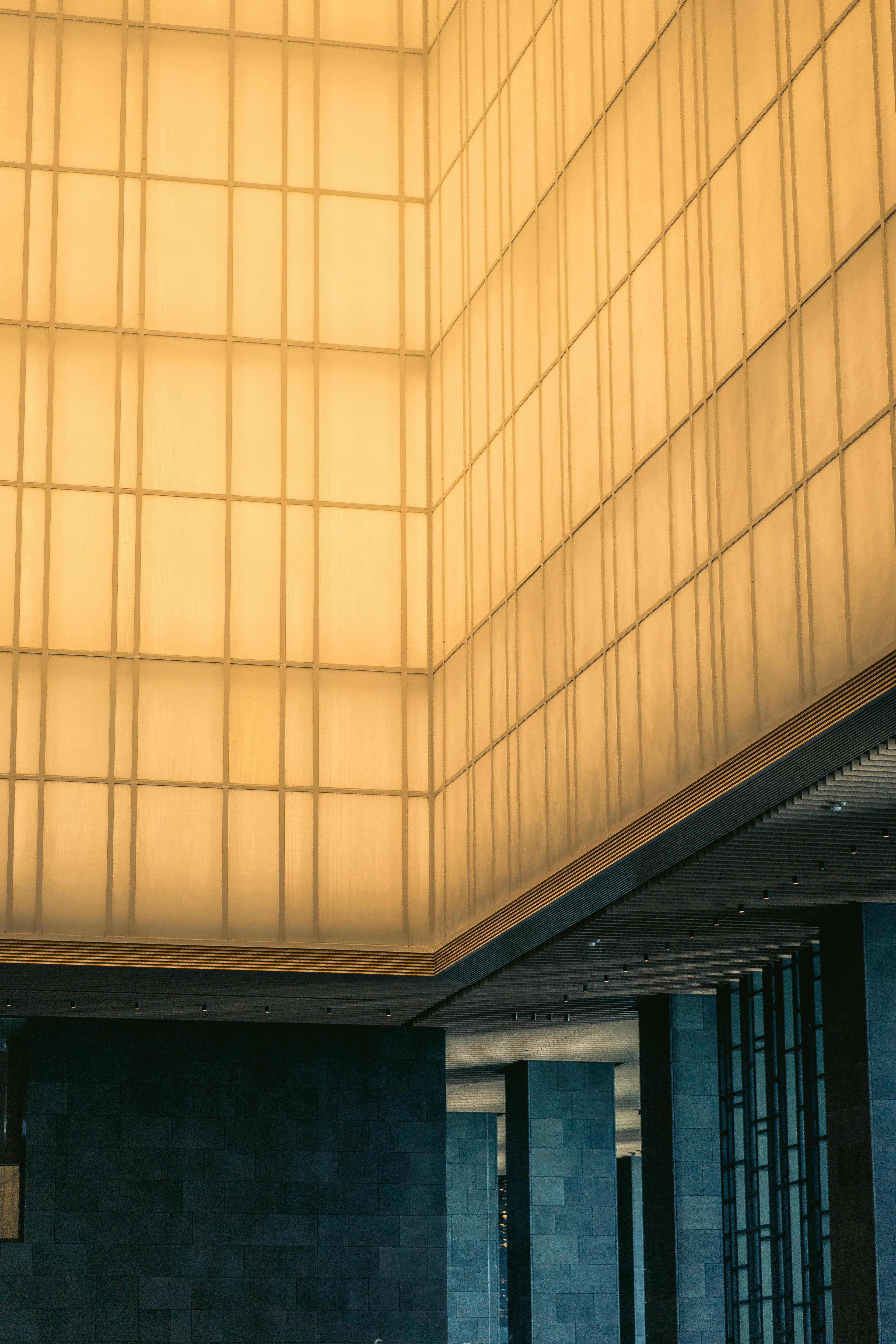
Architecture-focused travelers can spend 3-4 hours walking Omotesando and never see a shrine. The neighborhood has more buildings by Pritzker Prize-winning architects than almost anywhere else on earth:
-
Tadao Ando's Omotesando Hills
-
Kengo Kuma's SunnyHills (the wooden lattice building)
-
Herzog & de Meuron's Prada flagship
-
SANAA's Dior building
-
Toyo Ito's TOD'S Omotesando
That's a full morning. No temples. No shrines. Just world-class contemporary architecture in a single walkable corridor. We run architecture and design tours built around routes like this.
If that's what you want, say so.
The Relaxation Request That Most People Don't Make
A day focused on coffee shops is a legitimate tour.
Kiyosumi-Shirakawa has 20+ third-wave coffee shops in a quiet, walkable neighborhood. You could spend 4-5 hours moving between Arise Coffee Roasters, Blue Bottle's first Japan flagship, Allpress Espresso, and Fukadaso Cafe in a renovated 1960s apartment building — with Kiyosumi Garden in between for slow strolling.
That's 5 stops in half a day. Unhurried. No checklist.
If your goal is unwinding rather than sightseeing, the tour can be built around pace instead of coverage. Three stops instead of eight. Extended time at each. Deliberate lingering. You just have to ask.
When Vending Machines Are the Point
Some travelers want the weird stuff. Capsule hotels. Robot restaurants. The vending machine alley in Akihabara. Convenience store taste tests.
Those are real requests. Good operators don't judge them — they build around them. If you want a day centered on Japanese convenience store culture, say so. It's more interesting than another temple.
When the Plan Changes (And Why That's the Point)
The pre-tour itinerary is not a contract. It's a starting point.
When plans change on the day — weather shifts, energy flags, something captures your attention, a venue is unexpectedly closed — that's not the tour failing. That's the guide doing their job.
The Rain Scenario
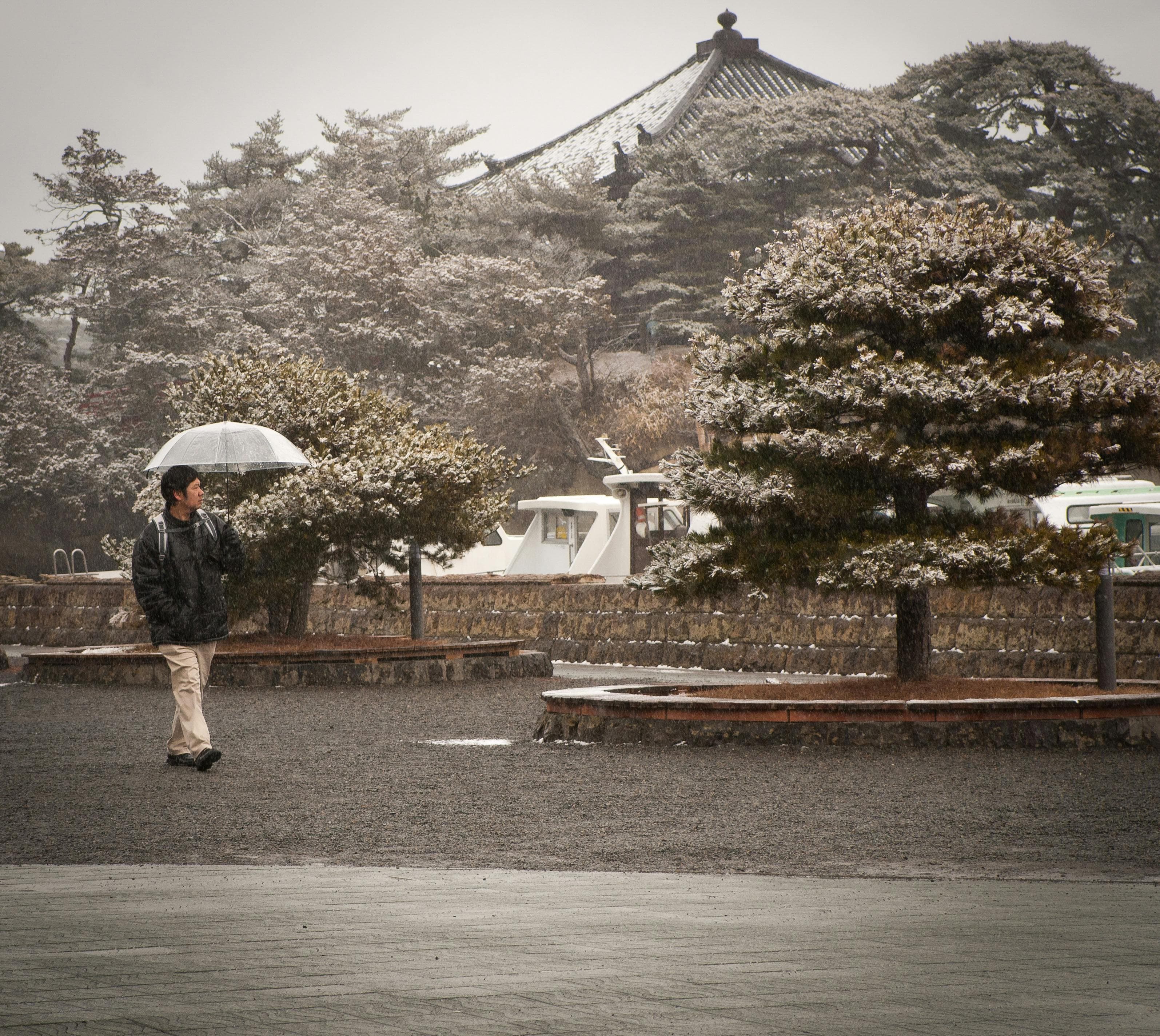
Tours proceed rain or shine. Guides adapt itineraries with indoor alternatives as needed. We cover this in detail in what happens if it rains on your Tokyo tour.
One traveler noted: "It was raining most of the day but we still enjoyed it all." The rain forced adjustments. The adjustments worked. That's what you're paying for.
When Something You Wanted Is Closed
The Edo-Tokyo Museum closed for renovation in April 2022 and won't reopen until March 2026. Travelers who showed up expecting to visit found it closed. That's disappointing if you're navigating alone.
With a guide, the response is immediate: pivot to the Fukagawa Edo Museum (same area, similar theme, smaller scale) or the Edo-Tokyo Open-Air Architectural Museum in Koganei.
If a facility is unexpectedly closed, a good guide arranges a substitute within the planned route. They already have options.
Extending What's Working, Cutting What Isn't
Energy is unpredictable. You might arrive at stop three and realize you're fascinated — or exhausted.
Good guides read this. They extend what's working ("You're really into this knife shop — want to skip the next stop and spend more time here?") and cut what isn't ("You seem tired — let's drop the last stop and get you back to your hotel").
One guide asked what the travelers had already done on their first day around Shinjuku, then adjusted the itinerary accordingly. That's customization continuing through the trip, not stopping at booking.
Day-of changes are the customization working. Not plan failure. For a sense of how much walking to expect, we have a separate guide.
What the Handoff Actually Looks Like
After booking, an experience coordinator reaches out via email or WhatsApp to finalize details: pickup location, meeting time, number of guests, and special requests.
When to Have the Conversation
This consultation happens between booking and tour day — within 24-48 hours of booking. It's the window to share your limits and direction before the guide designs the route.
How Good Operators Ask Follow-Up Questions
Good guides don't just accept your initial brief. They probe. They ask what you've already done in Tokyo. They ask what you've loved and what's felt flat. They ask about pace — not just interests.
That back-and-forth IS the customization. The more you share, the better the route. Our Infinite Tokyo experience is built entirely around this consultation process.
Evaluating the Operator Comes First
Everything in this guide assumes you've already chosen a capable operator.
If you haven't — if you're still comparing options or unsure what to look for — start with our questions to ask before booking a Tokyo private tour. That covers what to evaluate. This page covers how to collaborate once you've decided.
Frequently Asked Questions
How much can I customize a private tour?
With quality operators, almost everything: neighborhoods visited, time allocation, pace, specific interests (food, architecture, history), accessibility needs, and even mid-tour adjustments. The customization happens in pre-tour consultation—the more you share, the better the fit.
What should I tell my guide before the tour?
Share: what you've already seen in Tokyo, what excites you, what's felt flat, your pace preference (leisurely vs. packed), dietary restrictions, mobility concerns, and any must-see items. Also share what you don't want—information about dislikes is as useful as information about preferences.
Can I change plans during the tour?
With good operators, yes. Rain changes plans. Energy levels change plans. Discovering you love something and want to stay longer changes plans. Day-of flexibility is what distinguishes private tours from group tours. Communicate with your guide; they'll adapt.
What if I don't know what I want?
That's fine. A good guide will ask probing questions during consultation to surface your preferences. You don't need a detailed wishlist—just be honest about what you know. "I like food and don't like museums" is enough to start building.
Can I request specific experiences?
Yes. Want to visit a specific restaurant, see a particular temple, or experience a craft workshop? Share during consultation. Guides can often arrange what you couldn't book independently—Japanese-language reservations, introductions, timing that fits your schedule.
Where Hinomaru One Fits
Every tour starts with a consultation where you share your constraints, interests, and energy level — and your guide builds around them. Day-of flexibility is standard. If rain hits, energy crashes, or something captivates you, the route adapts. That's not a backup plan. That's the process.
At Hinomaru One, we design culturally rich, stress-free private Tokyo tours for first-time and seasoned travelers. Unrushed. Insightful. Always customized.