Recommended Tours
Tokyo Essentials Tour: A Sensory Journey
Recommended Tours
One Day, Infinite Tokyo Custom Private Tour
An honest guide to walking expectations on Tokyo private tours, with step counts by tour length, practical pacing tips, and preparation advice.
Understand real walking distances on Tokyo private tours and how to plan for comfort and pacing.
Most Tokyo private tours involve 10,000-20,000 steps—roughly 5-10 miles of walking. That's manageable for some, exhausting for others. The actual distance matters less than how it's distributed: subway stairs, temple grounds, market walking, stop-start pacing.
A 6-hour tour isn't six hours of continuous walking. It's six hours on your feet with intermittent rest. Tokyo's summer humidity (75-82%) and multi-level stations add difficulty beyond raw distance.
The Actual Numbers: How Much You'll Walk
| Tour Length | Total Steps | Walking Time | Why This Range | Tour Example |
|---|---|---|---|---|
| 4 Hours | 6,000-10,000(3-5 miles) | 1.5-2 hours | Geographically clustered route (Meiji Shrine → Harajuku → Shibuya → Shinjuku). Short subway rides between districts. Walking mostly within each area. | Tokyo Trifecta |
| 6 Hours | 10,000-14,000(5-7 miles) | 2-3 hours | Multiple districts (Asakusa → Tsukiji → Modern areas). Subway between each major area. Walking within neighborhoods and markets. | Tokyo Essentials |
| 8 Hours | 12,000-18,000(6-9 miles) | 3-4 hours | Full day coverage. Multiple neighborhoods. Subway between areas. Extensive walking within each location. | Infinite Tokyo |
Reality: Rest of time is subway rides, standing, exploring, eating, and meals.
For context: 10,000 steps is what health apps recommend daily. Most people's normal day is 3,000-5,000 steps. Tokyo tours double or triple typical activity.
Why Tokyo Tours Are Walking-Intensive
It's Not Just Distance—It's Type of Walking
Subway stairs are everywhere. Tokyo stations have extensive stairways. Shinjuku Station has over 200 exits across multiple levels. While elevators exist, they're often not at the most convenient exits—you may need to find them using station maps. You'll climb 5-10 flights of stairs across a full day, which is harder than flat walking.
Standing while waiting. Train platforms, crosswalks, meeting points. You're not actively walking but you're on your feet.
Uneven surfaces vary by location:
| Location Type | Surface Characteristics |
|---|---|
| Meiji Shrine | Gravel paths |
| Temple grounds | Often gravel or stone |
| Market areas (Tsukiji, Ameyoko) | Narrow lanes, older pavement |
| Main streets | Smooth pavement |
This surface variation is harder on feet than consistent smooth sidewalks.
Stop-and-start pattern. Walking 3 miles continuously is easier than walking 3 miles with 20 stops. Walk 5-10 minutes, stop to explain something, walk again. This pattern repeats all day. Constant stopping and restarting is more tiring.
Carrying your bag all day. Even a light backpack accumulates fatigue over 6-8 hours. Your camera, water, jacket, and purchases add weight.
How Tour Routes Affect Walking Volume
| Route Type | Walking Volume | Key Characteristics | Example |
|---|---|---|---|
| Transit-Heavy | Less total walking | More subway stairsMore platform waiting (standing)More station navigation | Asakusa → Tsukiji → Shibuya(3 train rides, walking limited to districts) |
| Neighborhood-Focused | More continuous walking | Fewer stairsLess transit confusionMore sustained pace (easier on some) | Yanaka → Ueno area(2-3 hours neighborhood walking, minimal transit) |
| Geographically Clustered | Moderate walking | Moderate distanceMinimal stairsComfortable pacing | Tokyo Trifecta: Harajuku → Shibuya → Shinjuku(Steady walking between nearby locations) |
What "Moderate Pace" Actually Means
When guides say "moderate pace," here's what that means:
You're covering ground purposefully—not rushing, but not dawdling either. Walk 5-10 minutes, stop to explain something, walk again. This pattern repeats throughout the day.
The guide matches pace to the slowest group member. If someone needs slower pace or more breaks, the route adjusts. But you're still covering certain distance.
You're also moving faster than typical tourist crowds. Locals walk briskly, and your guide navigates through crowds efficiently.
Think normal city walking pace when you have somewhere to be—not stressed rushing, but not window-shopping slow.
What Makes Tours Physically Harder Than Expected
You're Walking in Heat or Cold
| Season | Temperature Range | Conditions | Impact on Walking |
|---|---|---|---|
| Summer(June-Sept) | 26-35°C | 75-82% humidityAugust peaks at 30-35°C regularly | Every step is harder in muggy air |
| Winter(Dec-Feb) | 0-10°C | January averages 2-10°COccasional below-freezing mornings | Heavier clothes add weight and restriction |
You're Carrying Things
Your bag (camera, water, jacket, purchases) gets heavier as the day progresses. By hour six, that 5kg backpack feels like 10kg.
Jet Lag Compounds Fatigue
Walking 15,000 steps when well-rested is manageable. Walking 15,000 steps on day two of a Tokyo trip when your body thinks it's 3am? Much harder.
Cumulative Tokyo Walking
A tour day might be 15,000 steps. But you also walked 5,000 steps getting to the meeting point and will walk another 3,000 exploring near your hotel afterward. Your daily total approaches 25,000 steps.
You're Processing Constantly
Physical fatigue combines with mental fatigue. You're absorbing information, navigating foreign environments, making decisions. This cognitive load makes physical exhaustion hit sooner.
Who Struggles With Tokyo Tour Walking
If your daily routine involves sitting most of the day, 15,000 steps will be hard. Pre-existing foot, knee, or back issues get aggravated by extended walking, especially on stairs and uneven surfaces like temple gravel or market lanes. Extended walking is also harder when carrying extra weight.
Young Children
Kids under 8 often can't sustain tour pace. They get tired, need carrying, slow the group. Four-hour tours work; eight-hour tours are difficult. If you're touring with children, our family tour planning guide covers age-appropriate strategies.
Elderly With Mobility Limitations
Many elderly travelers handle Tokyo tours fine. But if stairs are difficult or endurance is limited, tour walking becomes challenging. We cover specific accommodations for elderly travelers in detail if this applies to your group.
Anyone in Wrong Shoes
New shoes, fashion shoes, unsupportive shoes—wrong footwear turns manageable walking into misery.
How to Reduce Walking Volume
Choose Shorter Tours
Four-hour tours (8,000-12,000 steps) are much more manageable than eight-hour tours (15,000-22,000 steps). If you're unsure which tour length fits your needs, we break down the differences between full-day and half-day tours in detail.
Request Private Car Options
All our tours can incorporate private car use for transit between districts. This eliminates subway stairs and reduces walking significantly. For a detailed breakdown of how car tours work, see our complete guide to private car tours.
Cost: ¥50,000 (4hr), ¥60,000 (6hr), ¥77,000 (8hr)—paid by customer
Trade-off: You miss experiencing Tokyo's transit culture and neighborhood transitions, but physical comfort improves dramatically.
Focus on Single Neighborhoods
Instead of "see all of Tokyo," request deep dives in one area. Walking stays local, distances are shorter, pace is more relaxed.
Build in More Rest Stops
Tell your guide you need frequent breaks. Guides adjust routes to include more sitting opportunities—cafes, rest areas, park benches.
Use Taxis for Specific Legs
Don't need a private car for the full tour? Use taxis for particularly long or difficult segments while using transit/walking for the rest.
How to Prepare for Tour Walking
Break In Your Shoes
Wear your tour shoes for a week before your trip. Walk 10,000+ steps in them. If they cause any discomfort, buy different shoes. For complete footwear guidance and what else to bring, see our packing guide for Tokyo tours.
Practice Similar Distances
Week before your trip: Take a 10,000-step walk. Then 15,000. See how your body responds. Build endurance.
Strengthen Your Feet
If you're not regularly active, start walking more 2-3 weeks before your trip. Even 30 minutes daily builds endurance.
Pack Blister Prevention
Bring moleskin or blister bandages. Apply preemptively to hot spots, not after blisters form.
Consider Compression Socks
They reduce foot swelling and fatigue, especially helpful if you're prone to swollen feet or have circulation issues.
Bring Backup Insoles
Extra cushioning helps, especially if your shoes are older or you have foot issues.
What to Do If You're Struggling Mid-Tour
Tell Your Guide Immediately
Don't tough it out silently. Guides can adjust:
-
Add more frequent breaks
-
Modify the route to reduce walking
-
Call taxis for specific segments
-
Cut the tour shorter if necessary
You're not the first person to need adjustments. Guides handle this regularly and would rather modify plans than have you suffer.
Take Real Breaks
When stopping, actually sit down. Don't just stand. Sitting for 10 minutes genuinely helps more than standing rest.
Hydrate and Fuel
Dehydration and low blood sugar make fatigue worse. Drink water consistently, eat snacks. Don't wait until you're desperate.
Realistic Expectations by Fitness Level
| Fitness Level | 4-Hour Tour | 6-Hour Tour | 8-Hour Tour |
|---|---|---|---|
| Very Active(Regular gym-goer, runner, active job) | Easy | Manageable | Tiring but doable |
| Moderately Active(Walk regularly, occasional exercise) | Manageable | Tiring by the end | Very tiring, will be sore next day |
| Sedentary(Desk job, minimal daily activity) | Manageable with breaks | Difficult, need frequent breaks | Consider splitting into two 4-hour days |
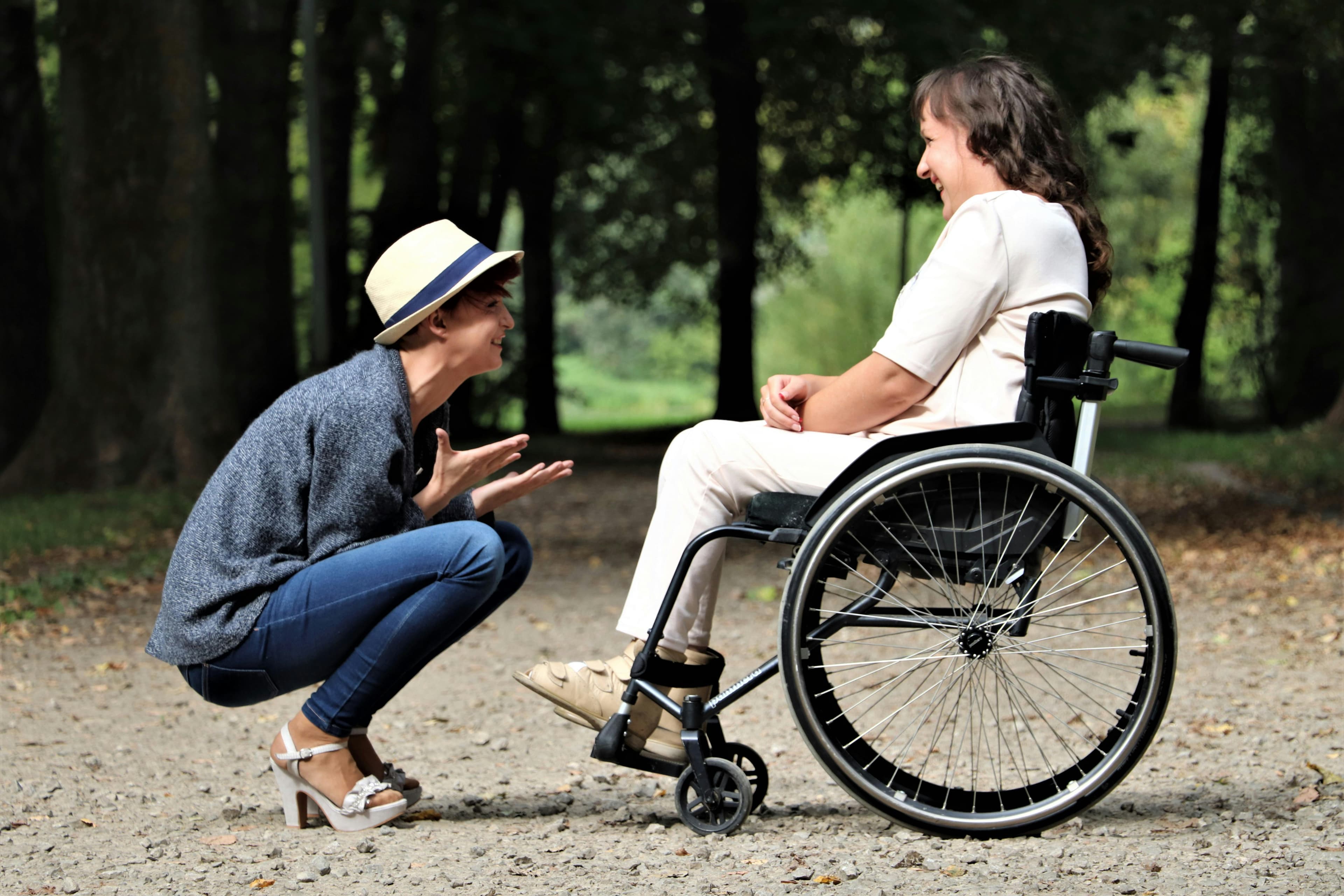
| Mobility Issues(Elderly, injuries, weight) | 4-hour tour with private car: ManageableAny tour without private car: DifficultConsider accessibility-focused planning (see our complete accessibility guide) |
How Hinomaru One Handles Walking Concerns
We're Honest About Distance
During booking, our concierge team asks about mobility concerns and fitness levels. We recommend tour lengths and car options based on your actual situation.
We Adjust Pacing
Guides match pace to the slowest group member. If you need slower pace or more breaks, that's fine—the route adjusts.
We Offer Private Car Options
All tours can use private cars for full duration or specific legs. This dramatically reduces walking while maintaining tour experience.
We Provide Realistic Guidance
If you say "we want an 8-hour tour but my 75-year-old mother has knee problems," we'll suggest either:
-
Private car for the full duration
-
Two 4-hour tours instead of one 8-hour
-
Modified route with less walking-intensive locations
We Won't Let You Suffer
Mid-tour, if your guide sees you struggling, they'll proactively suggest breaks, route modifications, or taxis—even if you haven't asked.
How Hinomaru One Handles Walking Concerns
We're Honest About Distance
During booking, our concierge team asks about mobility concerns and fitness levels. We recommend tour lengths and car options based on your actual situation.
We Adjust Pacing
Guides match pace to the slowest group member. If you need slower pace or more breaks, that's fine—the route adjusts.
We Offer Private Car Options
All tours can use private cars for full duration or specific legs. This dramatically reduces walking while maintaining tour experience.
We Provide Realistic Guidance
If you say "we want an 8-hour tour but my 75-year-old mother has knee problems," we'll suggest either:
-
Private car for the full duration
-
Two 4-hour tours instead of one 8-hour
-
Modified route with less walking-intensive locations
We Won't Let You Suffer
Mid-tour, if your guide sees you struggling, they'll proactively suggest breaks, route modifications, or taxis—even if you haven't asked.
Frequently Asked Questions
How many steps is a typical Tokyo tour?
A 4-hour tour: 8,000-12,000 steps (4-6km). A 6-hour tour: 12,000-18,000 steps (6-9km). An 8-hour tour: 15,000-22,000 steps (8-12km). These are estimates—actual distances vary by itinerary, pace, and how much exploring you do at each stop.
Can I do a Tokyo tour if I have bad knees?
Yes, with accommodations. Options include: private car tours (significantly less walking), shorter tour durations, routes designed around elevator-accessible stations, more frequent rest breaks, and avoiding neighborhoods with steep hills or stairs. Communicate limitations during booking.
What shoes should I wear?
Broken-in walking shoes with good support. Not: new shoes, heels, sandals, or fashion sneakers. You'll walk on pavement, temple gravel, uneven surfaces, and climb subway stairs. Shoes that hurt after 30 minutes will be unbearable after 6 hours.
Can we use taxis during the tour?
Yes. Guides can incorporate taxis or private car segments for tired legs, mobility challenges, or simply covering distance quickly. This adds cost but dramatically reduces walking. Discuss with your guide before or during the tour.
What if I get too tired mid-tour?
Tell your guide. They'll adjust: add a café break, take a taxi to the next stop, skip a location, or find a place to rest. The tour serves you—there's no obligation to push through discomfort. Good guides proactively offer modifications when they see you flagging.
The Bottom Line
Tokyo private tours involve significant walking: 8,000-12,000 steps for 4 hours, 12,000-18,000 steps for 6 hours, 15,000-22,000 steps for 8 hours. Plus subway stairs, standing time, uneven surfaces, and carrying your bag all day.
This is manageable for moderately active people with proper footwear and realistic expectations. It's challenging for sedentary people, those with mobility issues, young children, or anyone in wrong shoes.
Solutions exist: shorter tours, private cars (full or partial), modified routes with less walking, more frequent breaks, and honest planning discussions. Our complete planning guide covers all these options in detail.
The worst outcome is booking an 8-hour tour, discovering it's too much walking by hour three, and spending the rest of the day miserable. Plan appropriately upfront.
When contacting us about your Tokyo tour, be honest about your fitness level and mobility. We'll recommend tour length, private car options, and route modifications that match your actual capabilities.