Recommended Tours
Tokyo Essentials Tour: A Sensory Journey
Recommended Tours
One Day, Infinite Tokyo Custom Private Tour
A calm, practical overview of how to dress and what to carry on a Tokyo private tour, shaped by walking, seasons, and local expectations.
Prepare thoughtfully for a Tokyo private tour with practical guidance on clothing, footwear, and daily essentials.
Most tour mistakes happen before you leave your hotel. Wrong shoes, no layers, forgot your IC card.
Here's what actually matters for a full day exploring Tokyo with a guide.
The Footwear Decision (Why This Isn't Obvious)
Tokyo tours involve 10,000-15,000 steps. That's not abstract—it's Shinjuku Station stairs, Sensoji's gravel approach, Yanaka's narrow slopes, and concrete sidewalks connecting them all. Half-day tours require less endurance but still involve significant walking.
Why shoes matter more in Tokyo:
-
Surface variety: Concrete sidewalks, stone temple grounds, gravel shrine paths, wooden temple floors
-
Shoe removal: 3-5 times per day at temples and traditional restaurants
-
No break-in time: New shoes + 8-hour tour = blisters by hour 3
-
Station navigation: Multiple flights of stairs, especially at major transfer points
| ✅ What Works | ❌ What Fails |
|---|---|
| Broken-in sneakers or walking shoes | New shoes (even if "comfortable" in the store) |
| Comfortable flats you've worn for months | Fashion sneakers with minimal cushioning |
| Slip-on style (laces slow you down at the third temple) | Any shoe requiring complex lacing |
| Flip-flops (shrine gravel paths) |
Tokyo's surfaces are unforgiving. If you have foot issues, bring backup insoles. For more on mobility considerations, see our accessibility guide.
Tokyo's Temperature Deception
Weather apps lie. They show one number but Tokyo gives you three different temperatures in one day.
Morning vs. afternoon reality:
Spring and fall follow this pattern:
-
8am tour start: 12°C (jacket required)
-
1pm lunch: 23°C (jacket tied around waist)
-
Temperature swing: 10-15°C
This happens because:
-
You're outside for extended periods
-
Subway stations feel colder than streets
-
Crowded trains feel hot regardless of season
-
Air-conditioned stores vs outdoor walking creates constant transitions
Humidity changes everything:
Temperature alone doesn't tell you how it feels.
| Season | Humidity | Reality |
|---|---|---|
| Summer (June-Sept) | 75-82% | 26°C feels like 32°C. You'll sweat walking slowly. Bring extra shirt if you sweat heavily. |
| Winter (Dec-Feb) | 50-60% | 5-12°C feels colder—wind cuts through light jackets. You're outside continuously, not ducking between car and building. Many spaces partially heated or unheated. |
The layering strategy that works:
Spring/Fall: Light base layer + jacket you can remove
-
Morning: wear the jacket
-
Afternoon: tie it around your waist
-
Stations: put it back on
Summer: Breathable fabrics only
-
Small towel for sweat (locals do this)
-
Change of shirt if you sweat heavily
-
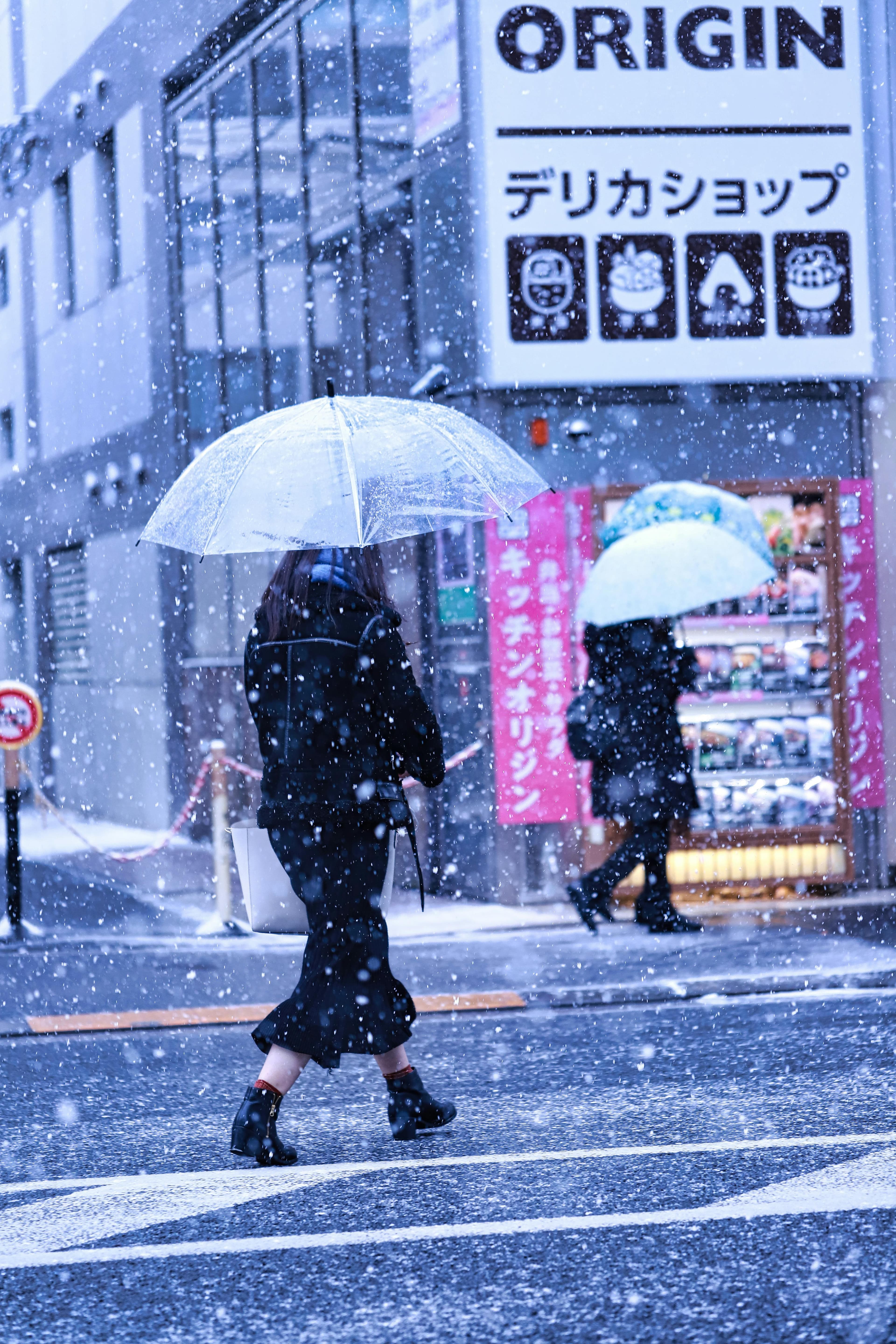
Rainy season (early June-mid July): compact umbrella mandatory
Winter: Warmer than you think
-
Jacket + scarf + gloves
-
Not "I'm going to the corner store" warm—"I'm outside for 6 hours" warm
Why heavy jacket strategy fails: You can't remove it when you're hot, can't carry it comfortably when off, becomes a burden by hour 3.
The Bag Strategy (What Works in Tokyo Context)
Small backpack or crossbody. Both hands free. Here's why:
Tokyo-specific bag requirements:
You'll need hands for:
-
Train handrails (crowded trains)
-
Shoe removal (temples, restaurants)
-
Narrow passages (market aisles, station corridors)
Bags that fail:
-
Large backpack: Crowds on trains, you'll be asked to remove it or carry it in front
-
Shoulder bag: Painful by hour 4
-
No bag: Where does your jacket go when you're hot?
Floor-sitting restaurants:
-
Traditional restaurants have tatami floors
-
No table to put bag under
-
Bag placement requires thought when cross-legged
Size constraint: Tokyo spaces are tight. Large bags become obstacles.
What Goes in the Bag
Essentials:
Water bottle (refillable) Tokyo has vending machines everywhere but buying water 3-4 times adds up. Tour pacing may not align with vending stops.
Small umbrella Tokyo weather changes. Even if forecast says clear.
Portable battery Full-day photo use. No mid-tour charging opportunity.
Cash (¥10,000-20,000) See cash section above. Prevents "we can't eat here" situations.
IC card (Suica/Pasmo) Loaded with enough for the day. Available at arrival if you don't have one.
Medications Headache, stomach, allergies. Japanese pharmacies are excellent but finding the right product without Japanese takes time.
Sunscreen (summer) Tokyo sun is strong. Reapply midday.
Small towel (summer) Sweat management. Culturally normal in Japan.
Tissues Public restrooms sometimes lack paper. Many don't have hand dryers.
Don't bring:
-
Laptop/tablet
-
Expensive jewelry (leave at hotel)
-
Large camera with multiple lenses (unless you're a serious photographer)
-
Shopping bags (buy during tour, guide helps with logistics)
Seasonal Additions
Cherry Blossom Season (Late March-Early April):
CRITICAL: Bring allergy medication if you have any pollen sensitivities.
The confusion: Cherry blossoms themselves aren't the problem. Cedar and cypress pollen are the real culprits. They peak during the same late March-April window as cherry blossoms, affecting 38-42% of Tokyo residents. If you have any seasonal allergies, prepare accordingly.
Additional considerations:
- Weather unpredictable: pack layers
Summer (June-September):
-
Hat for sun
-
Sunglasses
-
Small towel for sweat
-
Extra shirt
-
Cooling spray (sold at convenience stores)
Rainy Season (Early June-Mid July):
-
Compact umbrella (mandatory)
-
Quick-dry shoes
-
Light rain jacket
-
Plastic bag for wet umbrella
What happens if it rains on your tour covers contingency plans and indoor alternatives.
Winter (December-February):
-
Warm jacket (warmer than the temperature suggests)
-
Scarf
-
Gloves
-
Warm socks
-
Hand warmers (buy at convenience stores—locals use these)
If you're deciding when to visit Tokyo, our guide to the best time to visit breaks down weather patterns and seasonal considerations.
Cultural Clothing (What Actually Matters)
Temple and shrine visits:
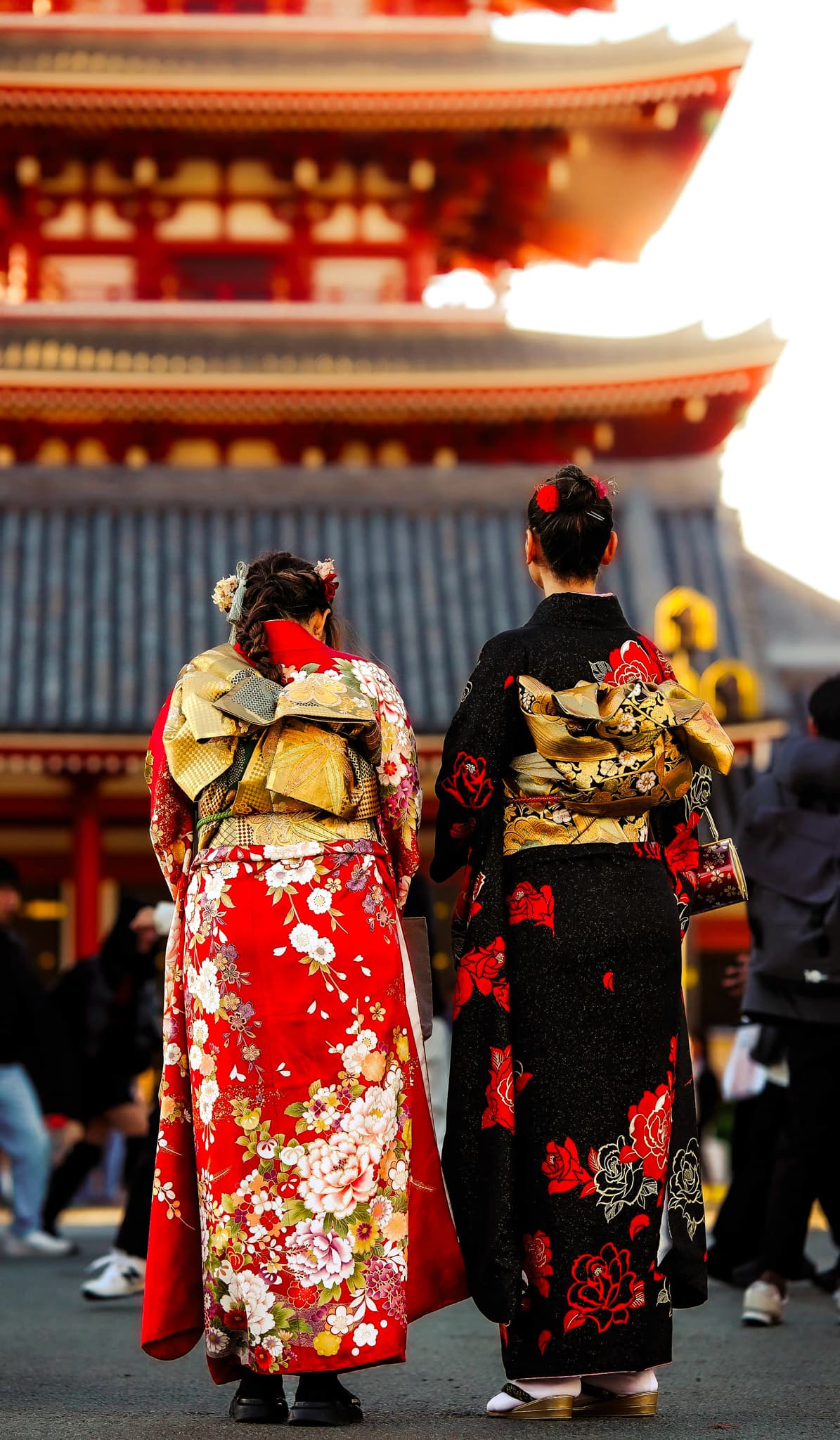
No strict dress codes at Sensoji, Meiji Shrine, or other major Tokyo temples.
What actually matters:
-
Easy shoe removal (you'll do this 3-5 times)
-
Clean socks without holes
-
Not extremely revealing (avoid very short shorts, tank tops)
What doesn't matter:
-
Shoulder covering (this isn't Southeast Asia)
-
Formal dress
-
Special clothing
Tourists in jeans and t-shirts are normal and acceptable.
Restaurant visits:
Some traditional restaurants require:
-
Floor sitting (tight clothing makes this uncomfortable)
-
Shoe removal (slippers sometimes provided)
Your guide warns you in advance.
General Tokyo fashion:
Stylish but not dressy. You'll see business suits and streetwear and athletic wear. Tourists are obvious and that's fine.
Bottom line: Optimize for 6-8 hours of comfort, not fitting in at a business meeting.
The Cash Reality (When Cards Fail)
Bring ¥10,000-20,000 cash. Tokyo is modernizing, but slowly.
| Payment Type | Where It Works |
|---|---|
| Cash only | Small restaurants (most) • Local shops • Street food • Temple donations • Some vending machines • Many neighborhood establishments |
| Cards/IC cards accepted | All trains (IC card preferred) • Convenience stores • Chain restaurants • Department stores |
Currently 60-75% of Tokyo transactions are still cash-based. Card acceptance is growing but concentrated in major chains and tourist areas.
ATM reality:
-
7-Eleven and Post Office locations accept international cards
-
Tourist areas have dense coverage
-
Residential neighborhoods: less reliable for foreign cards
-
Finding one mid-tour wastes time and limits food choices
IC card (Suica/Pasmo): Covers trains plus convenience stores. Doesn't replace cash for restaurants and small shops. Your guide can help you get one if needed—language barriers make this easier with assistance. Note that tipping is not expected in Japan.
Common Mistakes and Why They Matter
New shoes: Blisters by hour 3 → Tour quality degrades → Guide compensates for your slower pace → You miss things
No cash: Food options limited mid-tour → ATM search wastes 20-30 minutes → Frustration → Limited ability to try recommended spots
Wrong layers: Morning: freezing → Afternoon: sweating → No solution → Physical discomfort for 6 hours
Too much in bag: Hour 1: manageable → Hour 4: physical burden → Slows you down → Everything becomes heavier
Overdressing for "formal Japan": Discomfort all day based on incorrect assumption
Complicated shoes at temples: First removal: fine → Third removal: annoying → Fifth removal: you're holding up the group
No breakfast: Tours start early → Lunch might be 1-2pm → Energy crash → Affects entire experience
Day-Before Checklist
Verify:
-
Broken-in shoes (already comfortable)
-
Weather-appropriate layers
-
Small bag packed with essentials
-
Water bottle filled
-
Phone fully charged + portable battery in bag
-
Cash (¥10,000-20,000)
-
IC card loaded
-
Medications
-
Seasonal items (umbrella if any rain chance, sunscreen if summer)
-
Hotel business card in pocket (if you get separated from group)
Quick Reference by Season
| Category | Spring/Fall | Summer | Winter |
|---|---|---|---|
| Footwear | Broken-in sneakers | Breathable walking shoes | Warm walking shoes (waterproof if possible) |
| Bottoms | Jeans or comfortable pants | Shorts or light pants | Warm pants |
| Top | T-shirt + light jacket | Breathable shirt | Base layer + sweater + jacket |
| Accessories | Small backpack | Hat, sunglasses, small towel in bag | Scarf, gloves, warm socks |
| All seasons | Easy on/off shoes • Adjustable layers • Nothing you'd be upset about getting dirty or wet |
Frequently Asked Questions
What shoes should I wear on a Tokyo tour?
Broken-in walking shoes with good support. Not: new shoes (blisters by hour two), heels, sandals, or fashion sneakers. You'll walk on pavement, temple gravel, and subway stairs. Slip-on style helps—you'll remove shoes at temples and some restaurants.
Do I need to dress formally in Tokyo?
No. Smart casual works everywhere tourists go. Avoid torn clothes or offensive graphics, but jeans and sneakers are fine for temples, restaurants, and cultural sites. You're not underdressed unless you're visiting a Michelin-starred restaurant (which the guide would warn you about).
Should I bring a rain jacket or umbrella?
Your guide typically carries backup umbrellas. But a compact rain jacket is useful year-round—more practical than umbrellas for walking through crowds. Summer rain is warm; winter rain is cold. Waterproof layer solves both.
What bag should I carry?
Small backpack or crossbody bag. Needs to fit: wallet, phone, portable charger, water bottle, and any souvenirs you buy. Too big is worse than too small—you'll carry it all day, including through crowds and on trains. Nothing valuable visibly hanging.
What do I NOT need to bring?
Large water bottles (vending machines everywhere), heavy guidebooks (your phone works), excessive cash (cards accepted most places), multiple outfit options (you're not changing mid-day). Tokyo has infrastructure—you can buy what you forgot.
Where Hinomaru One Fits
You've read about what to bring. Now the practical question: do you actually need a guide?
Some travelers pack perfectly and still spend the first two hours figuring out which train line goes where, whether they're supposed to bow at temples, or if that restaurant is actually open. Others get the logistics right but miss the context that makes Tokyo make sense.
Hinomaru One works for travelers who want Tokyo's physical preparation handled (your guide warns you about shoe removal, knows which restaurants are cash-only, carries backup umbrellas) and the cultural interpretation built in (why those Shibuya crowds behave that way, what that shrine ritual actually means, why this neighborhood feels different from the last one).
This fits well if you:
-
Value your time more than the cost of a guide
-
Want Tokyo-specific knowledge you can't get from reading
-
Prefer not to plan transit routes, restaurant reservations, or timing
-
Care about understanding what you're seeing, not just seeing it
The door-to-door start means you don't waste morning energy on "where do we meet the guide"—they meet you at your hotel. The fluent English guides mean you can ask "why" questions, not just "where" questions. The logistics handling means you're not the one checking if the restaurant takes cards or how many station transfers this requires.
The Bottom Line
The perfect Tokyo tour outfit lets you walk 15,000 steps without pain, adjusts to 10-15°C temperature swings, comes on/off easily for shoe removal, keeps hands free, and holds essentials without becoming a burden.
You're not dressing to impress. You're dressing to spend 6-8 hours walking, eating, riding trains, and experiencing Tokyo comfortably.
Function over fashion. Your feet will thank you.