Recommended Tours
Tokyo Essentials Tour: A Sensory Journey
Recommended Tours
One Day, Infinite Tokyo Custom Private Tour
From vibrant festivals and tranquil mountain escapes to the art of staying cool with elegance, discover how to experience summer in Japan with comfort, insight, and style. Whether you're drawn by fireworks, food, or cultural rituals, this guide reveals the season's best — and how to thrive in its heat.
Guide to experiencing the best of summer in Japan — from iconic festivals to serene escapes and smart heat-survival tips.
Summer in Japan is a season of vivid contrasts: soaring temperatures meet mountain breezes, bustling festivals unfold beneath evening skies, and ancient traditions come alive in city streets. From Kyoto's Gion Matsuri to cool alpine retreats, this guide helps you navigate Japan's summer—heat, festivals, and all.
Is Summer Worth It?
Summer in Japan tests even prepared travelers. Daily temperatures reach 30-38°C (86-100°F) with 70-85% humidity. The air feels thick. Walking outside midday drains energy fast. Indoor spaces are heavily air-conditioned—bring a light layer.
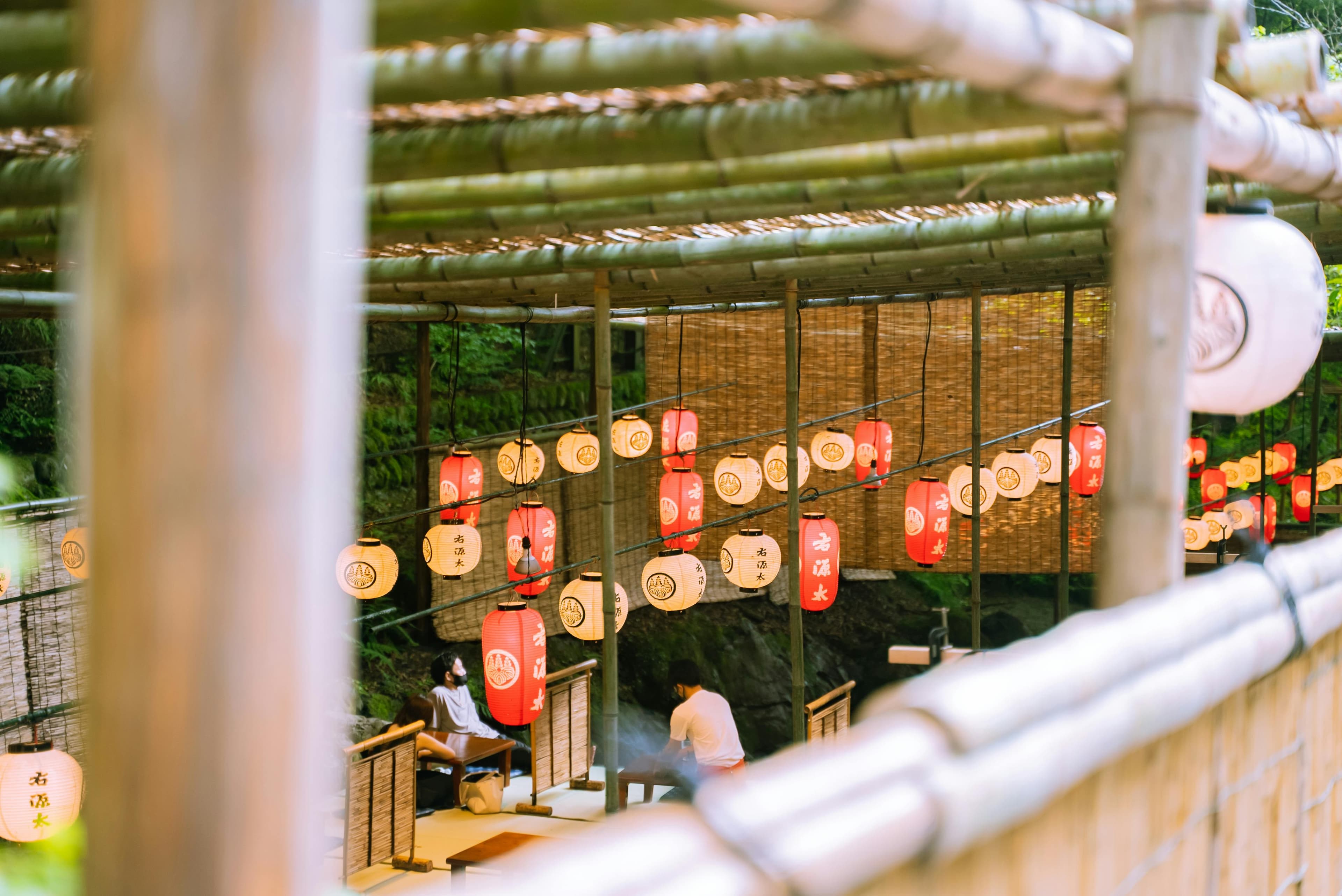
But summer offers what no other season can: Japan's major festivals, mountain hiking access, coastal escapes, and seasonal foods designed for heat. Gion Matsuri fills Kyoto's streets for a month. Fireworks light up Tokyo's rivers. Beer gardens open on rooftops across cities.
This is a conscious trade-off, not a default recommendation. Summer rewards travelers who value cultural immersion and festival access over comfort. If you prioritize pleasant weather, spring and fall are better choices. If your dates are fixed or you want to experience Japan at its most festive, summer delivers—if you plan around the heat.
When Exactly Is Summer?
Summer runs late June through early September, with peak heat mid-July to mid-August.
Key dates:
-
School holidays: Late July through late August
-
Obon: August 13-16 (most regions). Tokyo observes July 13-16. This is Japan's major travel period alongside New Year and Golden Week.
-
Gion Matsuri: All of July, with parades July 17 and 24
-
Peak festival season: July through mid-August
Festival dates are fixed annually. If you're planning around Gion Matsuri or specific fireworks displays, dates don't shift. For a comparison of all seasons and their trade-offs, see our best time to visit Japan guide.
The Heat Reality: What to Actually Expect
Summer here is humid heat, not dry heat. The difference matters.
Temperature and Humidity by City
| City | Avg High (°C) | Avg Humidity (%) | Notes |
|---|---|---|---|
| Tokyo | 30-32 | 75-76 | Coastal, but dense urban heat |
| Kyoto | 31-33 | 78-80 | Basin traps heat—feels hotter |
| Osaka | 31-33 | 75-80 | Similar to Kyoto |
| Sapporo | 24-26 | 65-70 | Noticeably cooler |
| Fukuoka | 31-32 | 75-78 | Southern heat, coastal humidity |
| Naha | 31-32 | 80-85 | Tropical, constant humidity |
"Feels like" temperature runs 5-10°C higher than actual temperature. Kyoto's basin geography makes it particularly brutal—surrounding mountains trap heat. Sapporo is the outlier: pleasant summer weather without the oppressive humidity.
Indoor spaces overcompensate. Trains, shops, and restaurants blast air conditioning. You'll cycle between sweltering streets and frigid interiors all day.
Regional Escape Options
If the heat sounds unbearable, you're not stuck in cities.
| Destination | Temperature | Access from Tokyo | Why Go | Best For |
|---|---|---|---|---|
| Hokkaido (North) | 24-26°C, low humidity (65-70%) | 90-min flight, or 4-hour Shinkansen to Hakodate (then 3+ hours to Sapporo) | Lavender fields (July), hiking, outdoor activities without heat stress | Families with young kids, nature lovers, anyone seeking cooler temps |
| Japanese Alps (Kamikochi, Hakuba, Takayama) | Alpine climate, significantly cooler | 5-6 hours (train to Matsumoto, then bus) | Mountain hiking, onsen towns, escape urban heat. Typical stay: 2-3 days | Active travelers who want cooler weather on Honshu |
| Okinawa (South) | 31-32°C, coastal breezes | 2.5-hour flight | Beach vacation, diving, tropical Japan. Typhoon risk: July-August has higher frequency than May-June or Sept | Beach vacations, those comfortable with tropical heat |
| Izu Peninsula / Enoshima | Similar to Tokyo but coastal | Day trips | Coastal relief without committing to Okinawa | Quick escapes while based in Tokyo |
Mountain and popular coastal destinations sell out during peak summer. Book accommodations several weeks ahead during July-August.
Festival Strategy: Which Ones, How to Experience Them
Summer is Japan's festival season. Here's what matters and how to actually attend.
| Festival | Location | Dates | Key Features | Logistics |
|---|---|---|---|---|
| Gion Matsuri | Kyoto | All of July. Main parades: July 17 (9am-1pm), July 24 (9:30am-11:30am). Evening strolls (Yoiyama): July 14-16, July 21-23 | Massive floats (25m tall, 12 tons) pulled through streets. Yoiyama evenings: floats on display, street food, yukata-clad crowds, streets closed to cars dusk-10pm | Arrive by 9am for parade viewing. Paid seating sells out far ahead. Book hotels 2-3 months ahead. Packed trains. |
| Sumida River Fireworks | Tokyo | Last Saturday of July (2025: July 26), 7pm-8:30pm | 950,000-1 million attendees. One of Tokyo's largest displays. 90-minute show. | Arrive 3+ hours early for ground spots. Alternative: near Tokyo Skytree (thinner crowds) or book rooftop/hotel months ahead. Packed trains after show—leave early or wait 30-60 min. |
| Tenjin Matsuri | Osaka | July 24-25 | River procession with fireworks on July 25 | Best viewing: riverside areas near Tenmangu Shrine |
| Nebuta Matsuri | Aomori | August 2-7 | Illuminated floats, energetic dancing | Worth the trip north if dates align |
| Awa Odori | Tokushima | August 12-15 | Street dancing festival—participatory (visitors can join, not just watch) | Join the dancing |
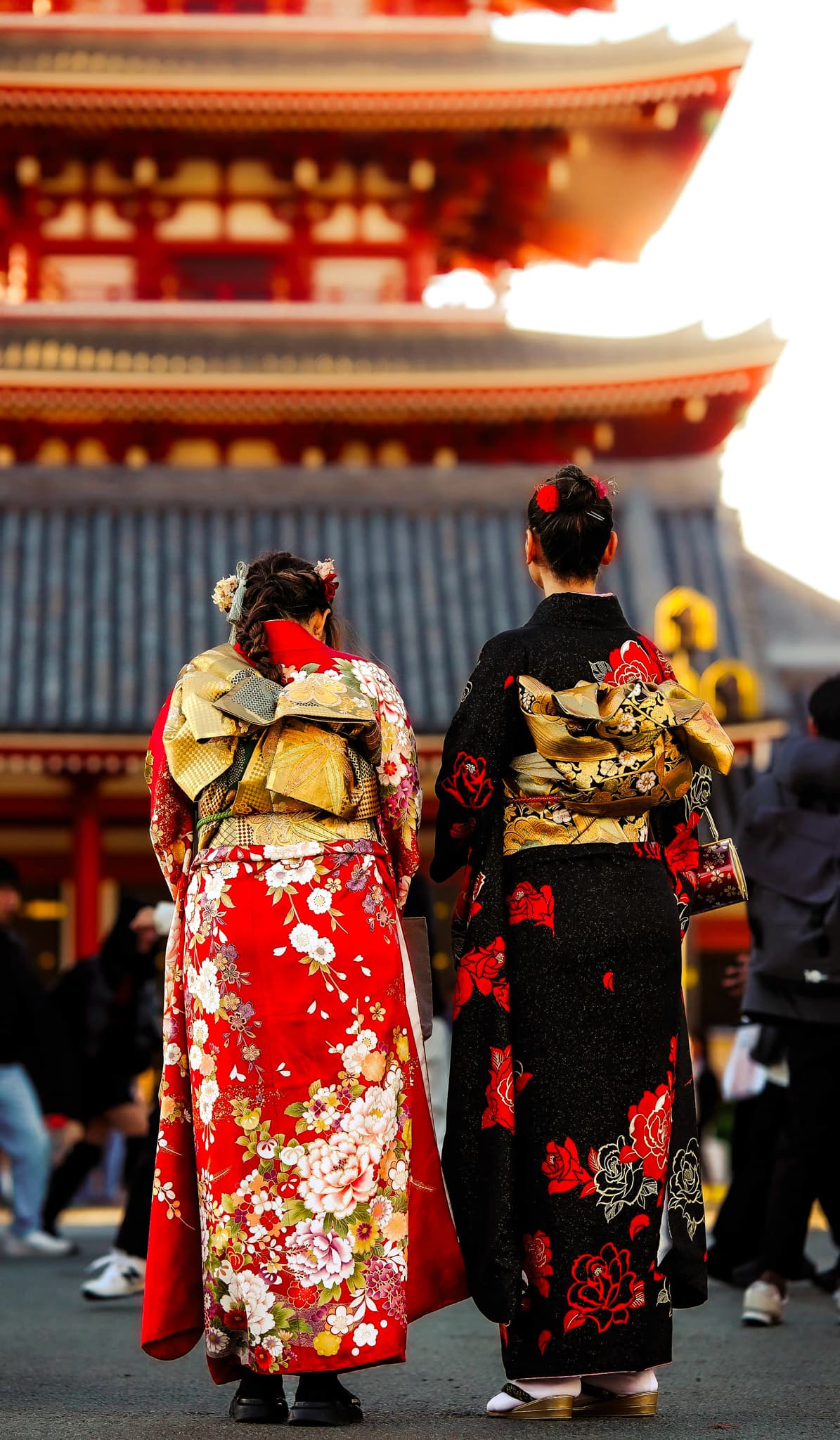
Festivals mean crowded trains, sold-out hotels nearby, and transportation disruptions. Yukata rental enhances the experience but isn't required. Arrive early, stay hydrated, and accept that crowds are part of it.
Daily Heat Management Strategy
Don't fight the heat—structure your day around it. Locals do this too.
| Time Block | Activity Strategy | Practical Details |
|---|---|---|
| Morning (7am-11am) | Peak activity time. Outdoor sightseeing, walking, markets. | Still warm but tolerable. |
| Midday (11am-3pm) | Avoid outdoor activity. Indoor refuges: Museums, department stores, train station complexes, konbini. | Use coin lockers at major stations to stay light. You'll see empty streets midday—everyone's inside. |
| Late Afternoon (3pm-6pm) | Resume outdoor activity as heat eases. | Shrines, parks, neighborhood walks through residential areas. |
| Evening (6pm-late) | Prime time. Beer gardens, rooftop bars, festival attendance, night walks, illuminated sites. | Japanese summers are built for evenings. |
Hydration and cooling tools locals use:
| Tool/Item | Purpose | Where to Find |
|---|---|---|
| Vending machines | Cold drinks every block. Cold barley tea (mugicha) often served free at restaurants. | Accept cash and IC cards |
| Portable fans | Battery-powered cooling | Don Quijote, Loft, Tokyu Hands |
| Cooling towels | Soak in water, wring out, wear around neck | Drugstores, konbini |
| Gel sheets | Stick to forehead/neck for instant cooling | Konbini, drugstores |
| UV-blocking umbrellas | Block 95%+ UV and provide shade | Konbini (fold-up styles) |
These aren't tourist gimmicks. You'll see Japanese people using them everywhere. For first-time visitors, navigating Tokyo's summer heat while managing trains, stations, and daily logistics can be challenging—see our Tokyo for first-time visitors guide for more on structuring your days.
Packing for Summer: What Matters and Why
| Category | What to Bring | Why/Notes |
|---|---|---|
| Clothing | Lightweight, breathable fabrics (cotton, linen, moisture-wicking synthetics). Multiple changes per day. Light cardigan for over-AC'd spaces. | You'll sweat through clothes. Modest shorts/skirts okay in cities; longer preferred for temples. |
| Sun Protection | UV umbrella, wide-brimmed hat, sunscreen (high SPF), sunglasses | UV umbrella blocks 95%+ UV, provides shade, sold everywhere including konbini. Reapply sunscreen often—UV rays are strong. |
| Cooling Tools | Portable fan (battery-powered), cooling towel, gel sheets (neck/forehead) | Locals use these constantly. Not gimmicks. |
| Footwear | Comfortable walking shoes that breathe | Avoid new shoes—blisters plus heat equals misery. |
| Other | Reusable water bottle, bug spray (DEET-based), small towel/handkerchief | Refill bottle at hotel. Mosquitoes active near parks/shrines. Locals carry towels to wipe sweat. |
The UV umbrella deserves emphasis. It's uniquely useful in Japan's summer: blocks sun, provides shade, doesn't look out of place (everyone uses them), and available at every konbini. For a comprehensive packing checklist covering all scenarios, see our Japan packing list.
Obon Week: What Changes
Obon runs August 13-16 in most of Japan. This is when Japanese return to hometowns for ancestral rites. It's one of Japan's three major holiday periods alongside New Year and Golden Week.
What Changes During Obon
| Category | Impact | What to Do |
|---|---|---|
| Trains | Shinkansen and limited express trains sell out. Peak: Aug 11-13 (leaving cities), Aug 15-16 (returning). | Reserve 1+ month ahead or risk standing-room tickets. |
| Hotels | Rates spike 30-40% in Tokyo, Kyoto, Osaka. Availability drops. | Book 2-3 months ahead. See Japan travel costs for budgeting peak season. |
| Businesses | Some smaller restaurants/shops close for family time, especially in residential areas. Major tourist sites stay open. | Plan accordingly; expect some closures. |
| Festivals | Bon Odori (Obon dance festivals) happen in neighborhoods. Participatory and worth experiencing. | Join if you're traveling during this week. |
If you're traveling during Obon, book trains and hotels as early as possible. Expect crowds at major tourist sites as domestic travelers fill popular areas. Consider staying in one city rather than multi-city travel, and treat Bon Odori festivals as a cultural highlight.
If possible, avoid Obon week unless you specifically want to experience Bon Odori or your dates are inflexible.
Typhoon Season: What to Know
Typhoon season runs June through October, with peak activity in August and September. Japan experiences 10-15 typhoons annually. Not all make landfall, and impact severity varies.
Regions and Typhoon Impact
| Region | Frequency | Notes |
|---|---|---|
| Okinawa | Most frequent | Direct hits common |
| Kyushu | High | Southern island often affected |
| Southern Honshu | Moderate | Less frequent than Okinawa/Kyushu |
| Osaka/Kyoto | Lower | More sheltered by mountains |
| Tokyo | Lower | Can be affected but less frequently than southern regions |
Impact on travel:
| Impact Type | What Happens |
|---|---|
| Flights | Canceled or delayed |
| Trains | Shinkansen and trains suspended during storms |
| Tourist sites | Close for safety |
| Weather | Heavy rain and strong winds for 1-3 days |
How to prepare:
| Preparation | Details |
|---|---|
| Weather monitoring | Check Japan Meteorological Agency (JMA) for forecasts |
| Itinerary flexibility | Have 1-2 buffer days in itinerary if possible |
| Insurance | Travel insurance that covers weather delays |
| Transportation updates | Monitor JR East/West announcements for train status |
Reality check: Most typhoons don't severely disrupt travel. When they do, flexibility is essential. Typhoons are forecasted days in advance—you won't be blindsided. Most pass quickly (1-2 days), and then weather clears.
Summer Foods: What to Try
Japanese summer cuisine is designed to cool you down.
| Food/Drink | Description | Where to Find |
|---|---|---|
| Kakigori | Shaved ice with flavored syrups (matcha, strawberry, seasonal fruits, condensed milk). Regional variations: Kyoto-style with green tea syrup, Okinawa-style with tropical fruits. | Cafes, street stalls, shrines |
| Somen | Thin wheat noodles served ice-cold with tsuyu dipping sauce. Refreshing, light. | Casual restaurants |
| Cold ramen (hiyashi chuka) | Chilled noodles with vegetables, egg, ham, sesame sauce. Summer staple. | Ramen shops |
| Edamame and cold beer | Evening combination. | Izakayas, beer gardens |
| Beer gardens | Rooftop spaces with all-you-can-drink/eat deals. Open May-September. Peak atmosphere: sunset to late evening. | Department store roofs (Tokyo), Ebisu Garden Place, Osaka, other cities |
| Watermelon (suika) | Sold by slice. | Festivals, beaches |
| Cold barley tea (mugicha) | Served free at many places. Non-caffeinated, refreshing. | Restaurants, konbini |
These aren't just "summer foods"—they're how locals cool down. Many are seasonal and won't be available year-round.
Is Summer in Japan Right for You?
Use this to self-assess.
| Summer IS Right for You | Summer May NOT Be Right for You |
|---|---|
| You prioritize major festivals (Gion Matsuri, fireworks, Obon) over comfort | Heat and humidity significantly impact your mood or energy |
| You're willing to structure days around heat avoidance | You prefer a relaxed pace without daily heat management |
| You want mountain or beach escapes as part of your trip | You're traveling with young children or elderly who struggle in heat. If you're traveling with family members who need a gentler pace, private tours for families or seniors can adjust the day to their energy levels while handling logistics. |
| Your dates are fixed (work, school schedules) and summer is unavoidable | You want to avoid crowds entirely |
| You're experienced with hot/humid climates and know your tolerance | You have flexibility and can visit in spring (April-May) or fall (October-November) |
Middle ground:
-
Shorten your trip (1 week instead of 2) to minimize heat fatigue
-
Focus on one region with built-in escapes (Tokyo + Hakuba, or Kyoto + Hokkaido)
-
Visit in early June (before peak heat) or September (after peak crowds but still warm)
Summer is a trade-off, not a mistake, if you plan accordingly.