Recommended Tours
Tokyo Essentials Tour: A Sensory Journey
Recommended Tours
One Day, Infinite Tokyo Custom Private Tour
Step confidently into the world’s most exhilarating city with this thoughtfully curated Day 1 guide — blending iconic sights, cultural nuance, and expert insights to help you figure out what to do in Tokyo on your first day.
Step confidently into the world’s most exhilarating city with this thoughtfully curated Day 1 guide — one that balances poetic discovery with practical ease. Tokyo is a city of deep contrasts and quiet harmonies, where centuries-old rituals unfold beneath skyscrapers and the buzz of modern life.
Tokyo is exhilarating on Day 1—and also easy to get wrong. Not because the city is unfriendly, but because it's huge, decentralized, and full of unspoken rules.
If you've landed thinking "we're here... now what?"—this is your Day 1 framework. Not a Top 10 list, but a practical way to structure your first day in Tokyo that actually holds together.
Why Day 1 Goes Wrong
Most first-day plans fail because they optimize for coverage instead of structure.
Tokyo isn't a city you conquer by checking boxes. It's a city where decision paralysis, station navigation, and cultural uncertainty compound fast. Add jet lag and you've got a recipe for exhaustion by 2pm.
The problem isn't what to see—it's how to organize a day that doesn't fall apart when you're tired, lost, or standing at the wrong station exit.
The Core First-Day Problem: Geography + Energy
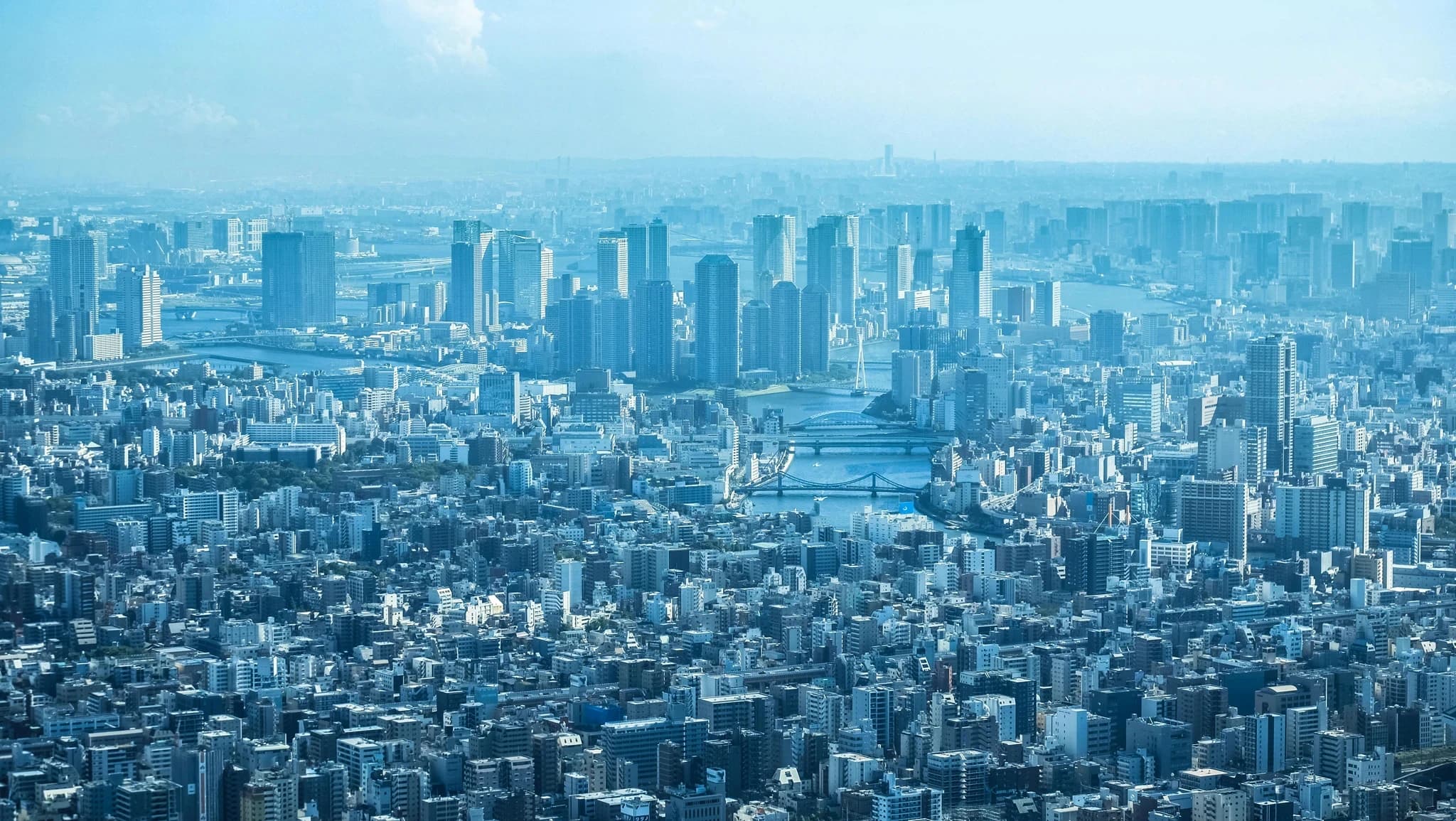
Tokyo looks compact on a map. It's not.
Shinjuku to Asakusa is only 8km, but it takes 30-40 minutes by train with transfers. Shibuya to Ueno? Similar. The city sprawls. Stations are far apart. Transfers eat time.
This disorientation has a structural cause: Tokyo has no downtown. It has multiple equivalent centers—Shinjuku, Shibuya, Asakusa, Ueno—each functioning as its own hub. The how Tokyo works guide explains this polycentric structure and why it changes everything about planning.
Most visitors overestimate how much they can cover. They plan four neighborhoods, then spend half the day underground, confused, or waiting for trains.
Energy works against you:
-
Jet lag means you'll wake at 4-5am and crash around 2pm
-
Station navigation drains decision-making capacity
-
Cultural uncertainty creates low-level stress
Solution: anchor your day around three clustered areas that each deliver a different side of Tokyo—without exhausting you.
Three Recommended First-Day Anchors
These three areas work because they're geographically clustered on Tokyo's east side, connected by simple train lines, and sequenced to match your energy curve. For a deeper look at how Tokyo's neighborhoods actually cluster and connect, see our complete neighborhood breakdown.
| Anchor | Timing & Station | Why It Works | What to Know | Common Mistake |
|---|---|---|---|---|
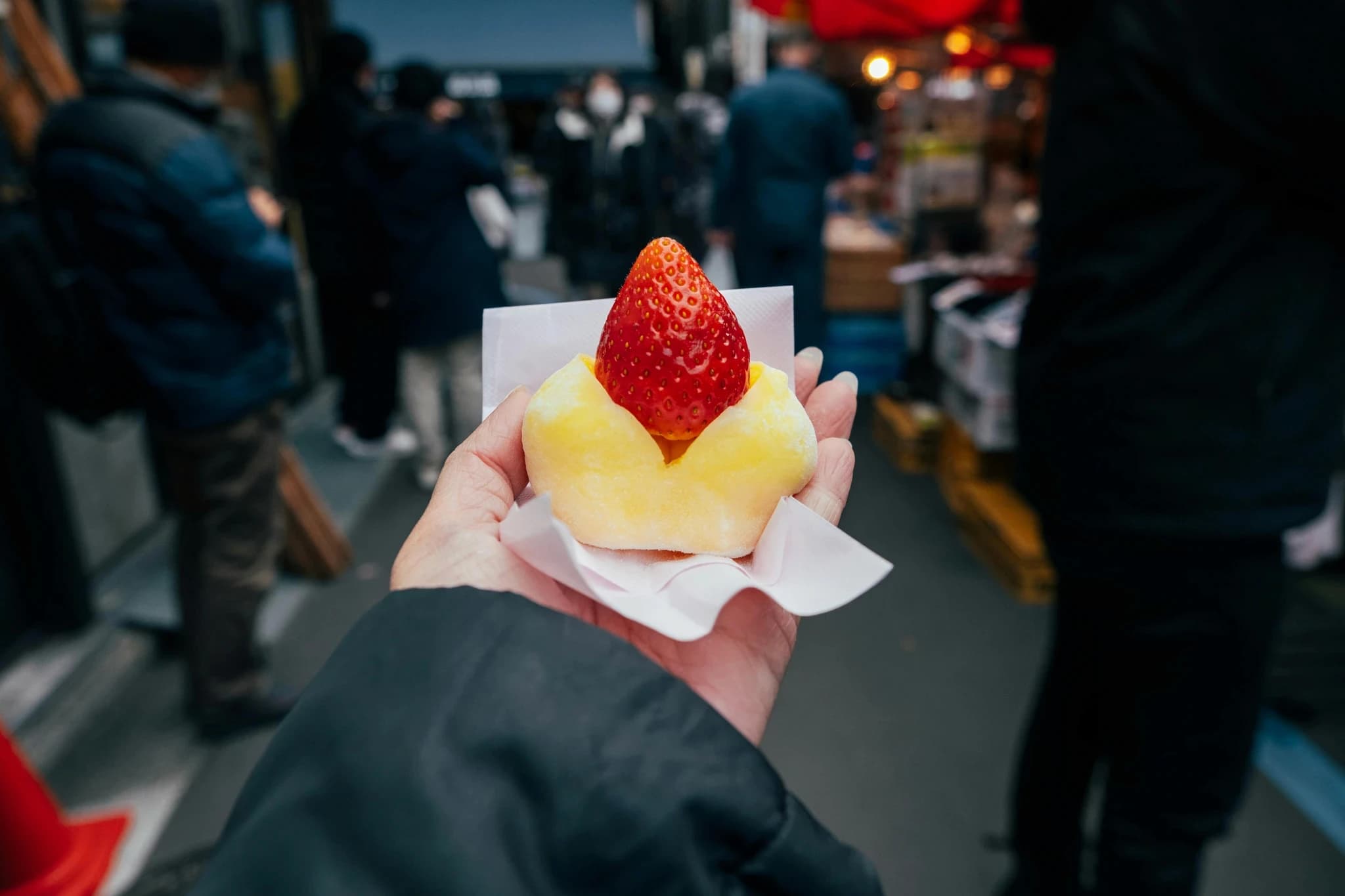
| Tsukiji Outer Market (Morning Energy) | Start: 8:00-9:00amStation: Tsukiji (Hibiya Line) or Tsukijishijo (Oedo Line)Time: 1-1.5 hours | No reservations needed. Wander, snack, follow your nose. Easy sensory win when energy is high. | Shops open 5:00-6:00am, close 1:00-2:00pm (peak: 8:00-11:00am). Tuna auction is at Toyosu Market—a separate destination. This is the vibe: narrow lanes, quick bites.Go with "small plates" mindset. | Trying to make it a multi-hour mission. Better as a strong start, then move on. |
| Ueno Park + Optional Museum (Cultural Context) | Station: Ueno (JR Yamanote, Ginza, Hibiya Lines)Time: 1-2 hours (park) or 2-3 hours (with museum) | Breathing room after Tsukiji's intensity. Park delivers seasonal beauty. Tokyo National Museum gives cultural context for the rest of your trip. | Easy connection from Tsukiji via Hibiya Line. Museum: 9:30am-5:00pm, closed Mondays (or Tuesday if Monday is holiday). Museum is optional—park alone works. | Scheduling museum when hungry and overstimulated. Eat first, then decide. |
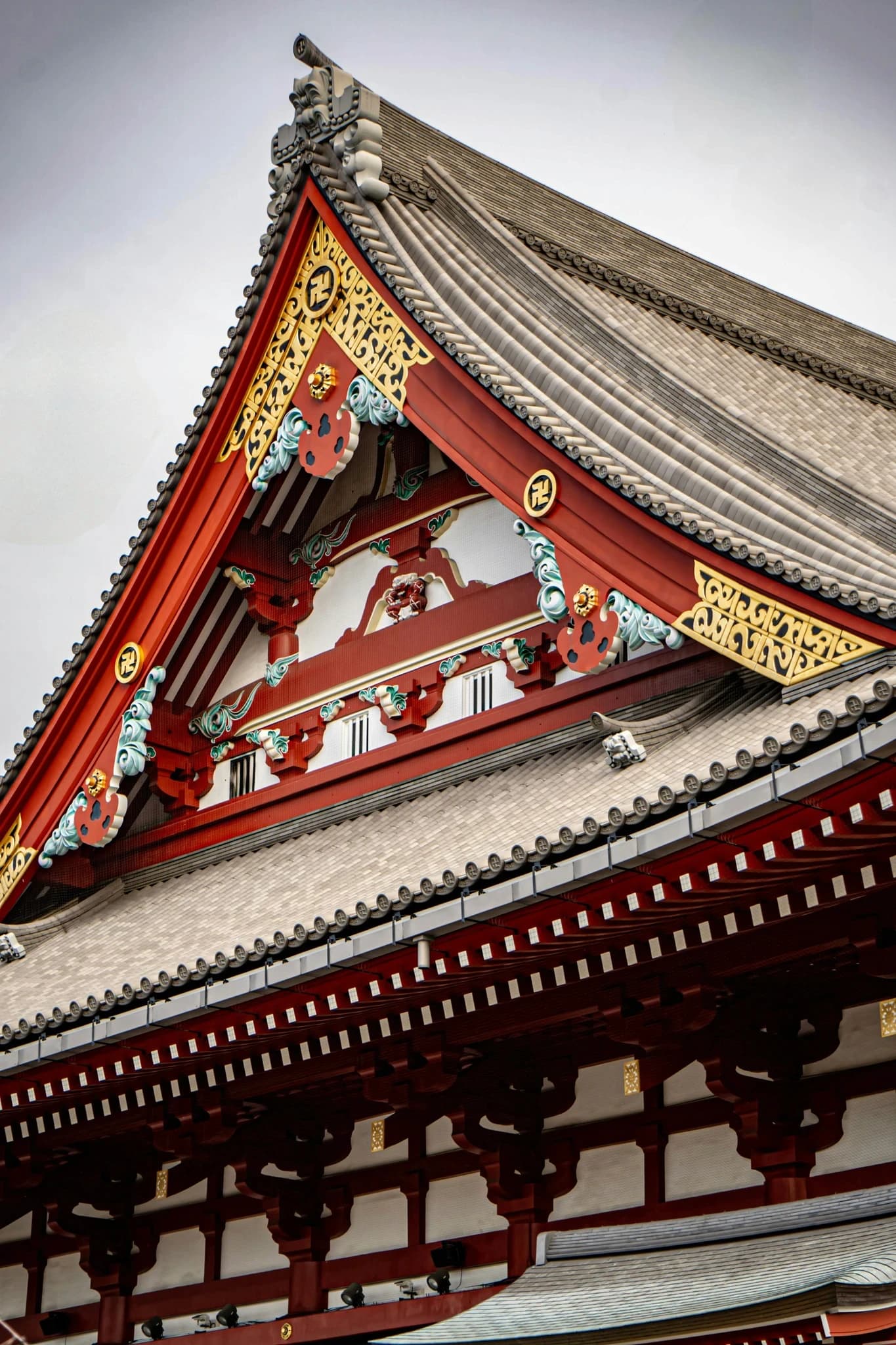
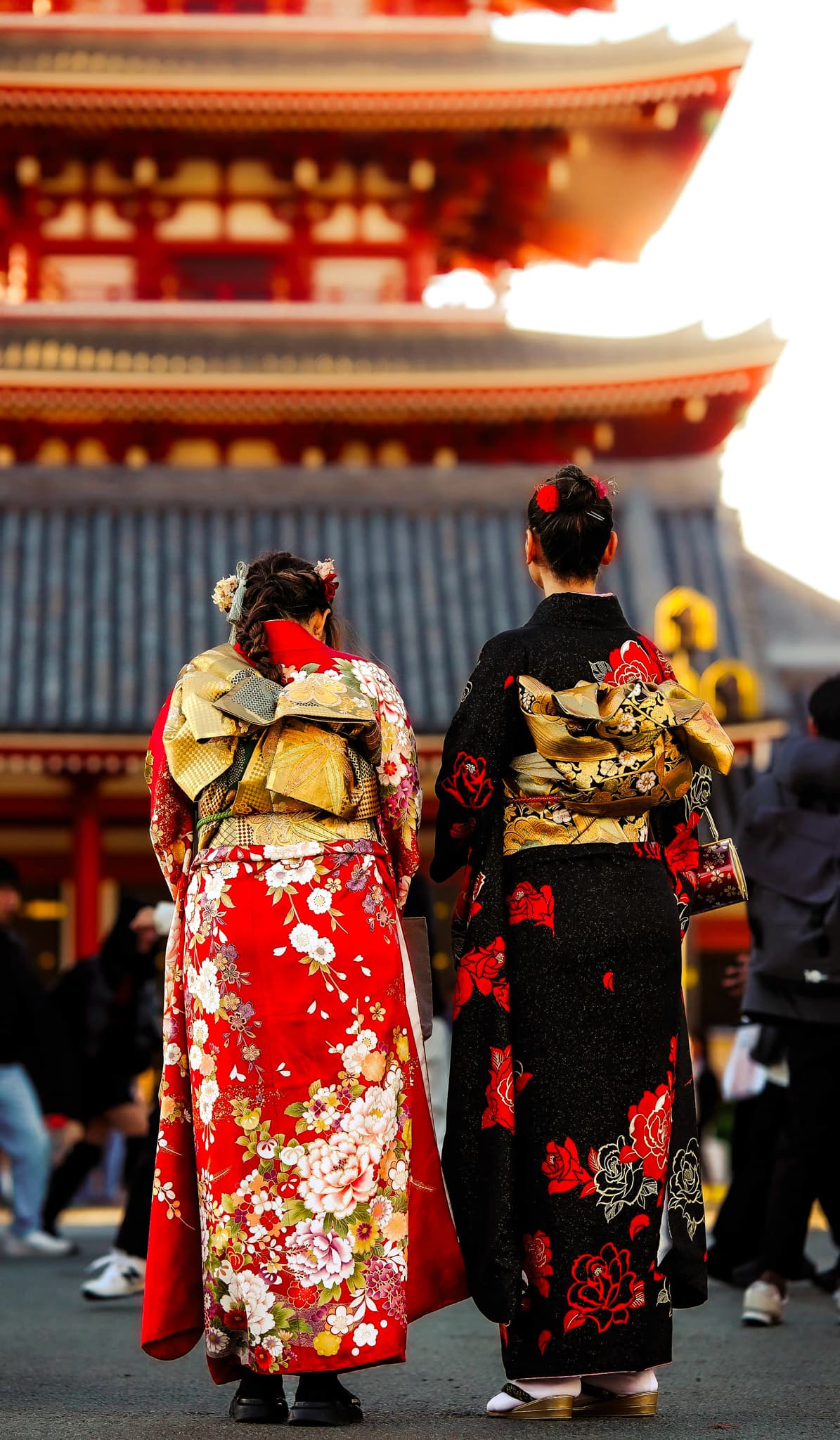
| Asakusa + Sensō-ji (Tradition) | Station: Asakusa (Ginza Line, direct from Ueno)Time: 1.5-2 hours | "Historic Tokyo" is immediately legible here. Temple etiquette practice in tourist-friendly setting. | Temple grounds open 24 hours; main hall 6:00am-5:00pm. Nakamise-dori is commercial/crowded. Side streets feel more authentic. | Rushing through as photo stop. Better with wandering time. |
Why This Sequence Works
All three sit on Tokyo's east side. Tsukiji → Ueno → Asakusa follows natural transit flow via Hibiya and Ginza Lines—no complex transfers, no backtracking.
The timing matches your actual energy curve: morning sensory win, midday calm, afternoon cultural anchor.
And the stations themselves? Beginner-friendly. Clear signage. Manageable exits. Not overwhelming.
Some visitors add Akihabara or Shibuya as a fourth anchor. This works if you have high energy, but most first-timers find three is the right amount.
If you're still deciding which anchors fit your interests—observation decks, gardens, temples, modern experiences—our 25 things to do guide breaks down the full menu with timing, costs, and what each experience actually delivers.
Station Navigation: What First-Timers Get Wrong
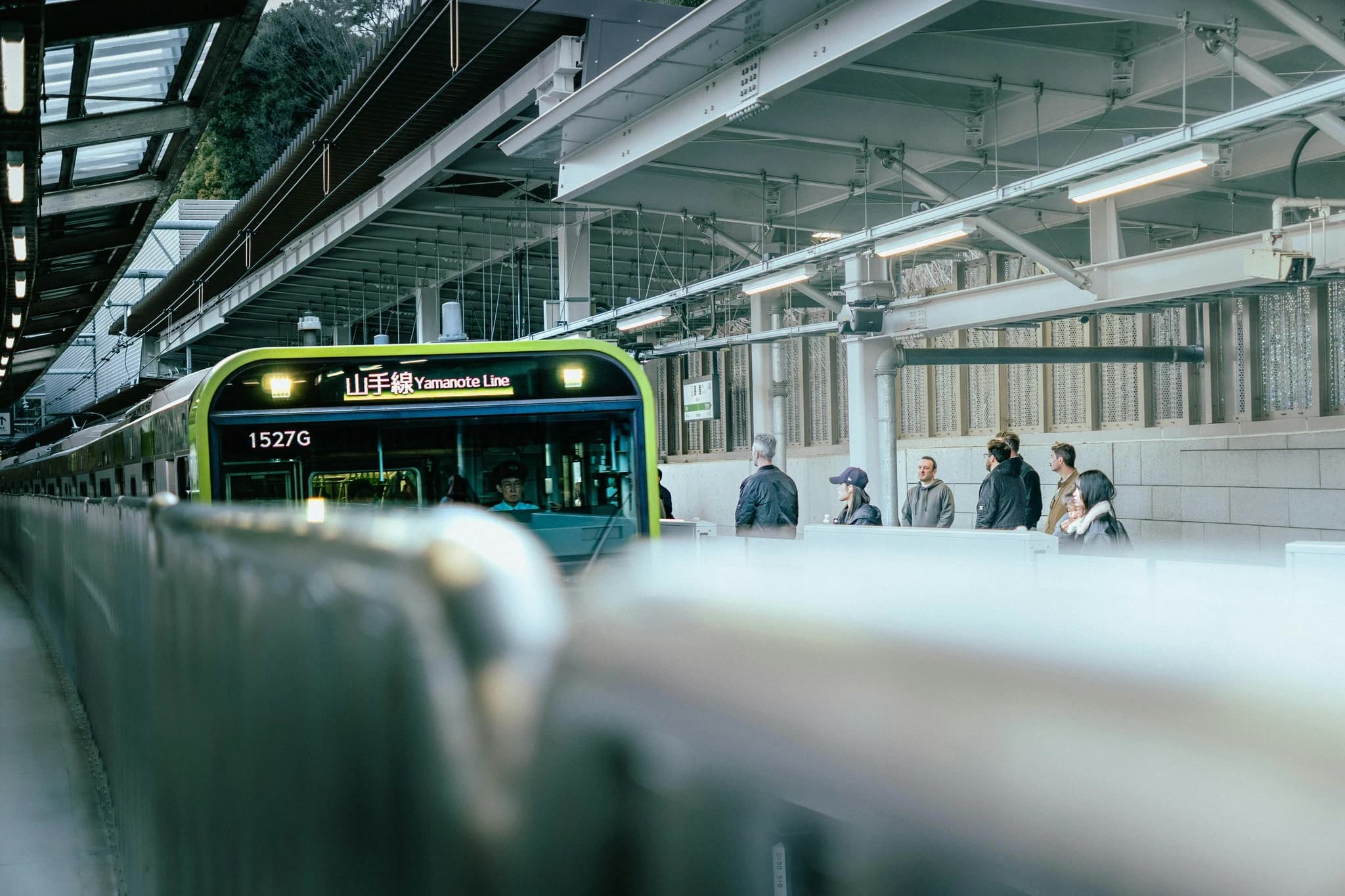
Tokyo trains are straightforward. Tokyo stations are the hard part.
The right exit saves 10-15 minutes. The wrong exit drops you on the wrong side of a major road with no obvious way back.
This is where having data matters—GPS works in stations (mostly), but not if you're relying on public WiFi that requires registration and drops the moment you move.
Major station complexity comparison:
| Station | Exits | Complexity Factor | First-Timer Impact |
|---|---|---|---|
| Shinjuku | 200+ | Multiple operators, sprawling layout | Overwhelming—plan 20+ minutes for navigation |
| Tokyo Station | 20-30 major exits | Functions like several connected stations | Confusing—exits span massive area |
| Shibuya | 15-20 major | Multiple operators create fragmentation | Moderate—allow extra time for transfers |
Transfers aren't always quick platform hops—they can mean 5-minute underground walks through shopping corridors.
Google Maps hack: Check the exit number and street-level pin, not just the train route. This matters more than which line you take.
Good news: The three recommended anchors use simple stations. But if you deviate—especially to Shinjuku or Shibuya—give yourself extra time. For comprehensive transit guidance including IC cards and station maps, see our complete Tokyo transit guide.
Temple & Shrine Etiquette: Step-by-Step
You can follow cultural protocol without overthinking it. Here's what actually happens:
Purification fountain:
-
Take ladle with right hand, scoop water
-
Rinse left hand
-
Switch ladle to left hand, rinse right hand
-
Switch back to right hand, pour water into left palm
-
Rinse mouth with water from palm (don't touch ladle to mouth)
-
Rinse left hand again
-
Tilt ladle upright to rinse handle
-
Return ladle face-down
Shrine approach:
-
Bow slightly when passing through torii gate
-
Walk on sides of the path (center is for kami/deities)
Shrine worship:
-
Bow twice (deeply)
-
Clap twice
-
Pray silently
-
Bow once
Often abbreviated as "2 bows, 2 claps, 1 bow."
Omikuji fortune:
-
Draw or purchase omikuji (usually ¥100-200)
-
If fortune is good: keep it or tie it to the designated area
-
If fortune is bad: tie it to the rack/tree to leave bad luck behind
Temple visits work best when you're mentally fresh—not after hours of shopping when you're carrying bags and thinking about next steps. The balancing guide explains why sacred sites belong in the morning and how to structure days so each activity type gets appropriate conditions.
Photography: Generally okay in temple/shrine grounds, usually not allowed inside main halls or buildings. Watch for posted signs (camera with X symbol).
Shoes: Remove when entering buildings (halls, pavilions). Keep on for outdoor areas (grounds, paths). Look for step-up (genkan) or shoe racks as signal.
At Sensō-ji specifically: Nakamime-dori is commercial and crowded. Temple grounds are quieter. Photography is common in outer areas and around Kaminarimon gate; inside the main hall, it's typically not allowed.
Adjustments for Jet Lag, Families, and Low Energy
Day 1 falls apart when the plan assumes peak energy.
Jet lag reality: You'll probably wake between 4:00-6:00am. Energy will crash around 1:00-3:00pm. This is normal. Your body thinks it's late night back home. For detailed strategies on managing jet lag timing and energy curves, see our jet lag and pacing guide.
Two-anchor alternatives when three feels like too much:
| Combination | What You Get | Best For |
|---|---|---|
| Tsukiji + Ueno | Food + calm reset | Morning people who want cultural grounding without temple intensity |
| Ueno + Asakusa | Culture + tradition | Those who prefer to skip market chaos and focus on heritage |
Family pacing: Build in 30-minute breaks between anchors—park benches, cafes, hotel resets. Coordinating three generations with different energy levels across Tokyo's stations fragments groups or exhausts everyone. If family coordination is your primary concern, here's how private tours handle multi-generational pacing.
Hotel reset: Going back midday is okay. Often smart. Tokyo rewards pacing, not coverage.
When Hiring a Guide Changes Day 1
You can absolutely do Tokyo independently. Most people do.
But there are situations where guided help changes the quality of your day—not by adding sights, but by removing friction:
| Friction Point | What Stresses You | How Guides Help |
|---|---|---|
| Station navigation anxiety | Shinjuku's exits, Tokyo Station transfers, wrong exits stranding you | Removes entire layer of uncertainty—no navigation decisions needed |
| Language barriers | Restaurant interactions, ticket machines, small exchanges add up | Handles all interactions seamlessly |
| Cultural context | Following temple etiquette vs. understanding why Sensō-ji matters historically, Shinto vs Buddhist differences, architectural meaning | Provides depth that's hard to get from signage alone |
| Family/elderly pacing | Coordinating three generations with different energy levels across stations | One car, one pace, everyone together—no group fragmentation |
| Limited time | 1-2 days total where one navigation mistake eats precious hours | Calculus shifts when time has high opportunity cost |
This is exactly where most first-timers break down—and where local knowledge becomes valuable. Not for better sights, but for removing specific friction. For a neutral overview of what private tours in Tokyo look like—formats, pacing, what's realistic—start with this guide to Tokyo private tours. If you're still weighing whether guided help makes sense for your situation, this honest assessment breaks down when it matters.
For a complete breakdown of free walking tours, audio guides, and combination strategies—including when each format works best—see our tour format comparison guide.
Your First Day Is About Traction, Not Coverage
A strong first day in Tokyo doesn't feel like sprinting through a checklist. It feels like gaining traction—learning the city's rhythm, getting a few cultural wins, ending excited instead of exhausted, building confidence for Day 2.
Two anchors might be better than three. That's okay. Tokyo isn't going anywhere.
Choose your anchors. Keep transfers simple. Leave breathing room. That's how Tokyo stops being overwhelming—and starts being yours.
For planning Days 2-7 and beyond, see our complete Tokyo itineraries by trip length. And if budgeting is part of your Day 1 planning, our Tokyo costs guide breaks down what to expect. If you have exactly three days, our 3-day framework explains why each day needs a different job.
This guide is published by Hinomaru One, a Tokyo-based private tour operator.