Recommended Tours
Tokyo Essentials Tour: A Sensory Journey
Recommended Tours
One Day, Infinite Tokyo Custom Private Tour
From timeless temples to avant-garde art, discover Tokyo's most captivating sights through a curated guide that blends cultural immersion with iconic must-sees. Whether you're here for a few days or planning a deeper journey, let this be your starting point to experiencing Tokyo at its most unforgettable.
A curated guide to the most iconic, cultural, and quietly inspiring things to do in Tokyo—perfect for first-time visitors seeking depth and discovery.
Tokyo's easier to enjoy than most first-timers expect—once you accept you can't see everything. The city's real challenge isn't complexity; it's scale. What looks close on a map often means 40-50 minutes of transit and transfers.
This guide lists all 25 must-visit experiences upfront, then breaks them into categories with comparison tables and decision frameworks to help you choose what matches your trip.
The Complete List
- Tokyo Tower — Classic Tokyo aesthetic
- Tokyo Skytree — Japan's tallest structure
- Roppongi Hills Mori Tower — Best night views
- Tokyo Metropolitan Government Building — Free observation deck
- Shinjuku Gyoen — Large curated garden
- Koishikawa Korakuen — Traditional Edo garden
- Kiyosumi Gardens — Intimate neighborhood garden
- Imperial Palace East Gardens — Edo Castle foundations
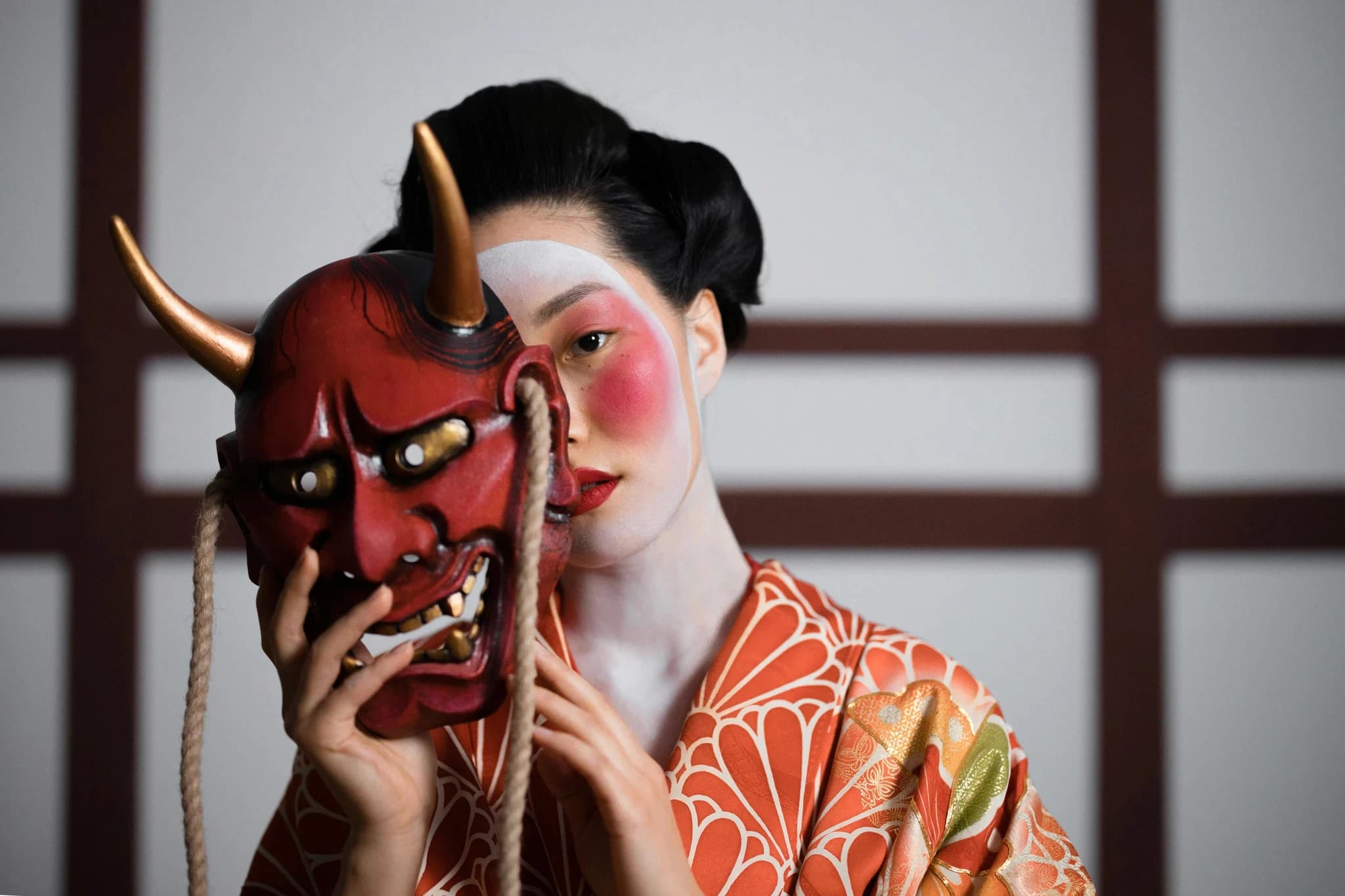
- Kabuki at Kabuki-za Theatre — Traditional theater
- Sumo Tournament — Live sumo (Jan/May/Sep)
- Sumo Museum — Free sumo history
- Shibuya Crossing — World's busiest crossing
- Takeshita Street — Harajuku teen fashion
- teamLab Planets — Immersive water art
- teamLab Borderless — Wandering digital art
- Akihabara — Anime and electronics
- Yanaka — Old Tokyo charm
- Shimokitazawa — Vintage and creative
- Koenji — Thrift and music scene
- Kiyosumi-shirakawa — Modern cafes
- Senso-ji Temple — Tokyo's oldest temple
- Meiji Jingu Shrine — Forest shrine
- Tsukiji Outer Market — Fresh seafood stalls
- Odaiba — Futuristic waterfront
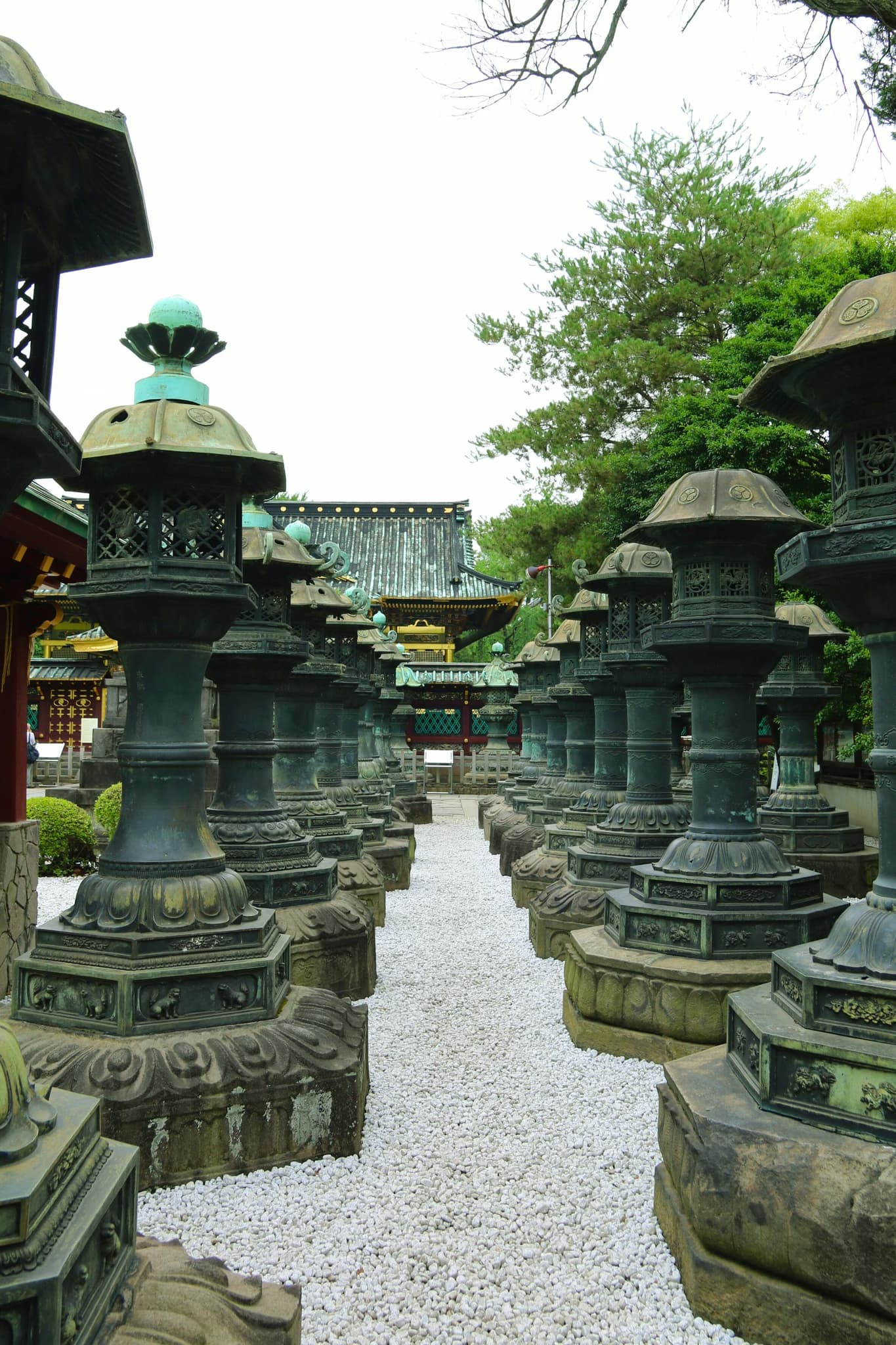
- Ueno Park — Museums and temples
Most visitors choose 2-3 major experiences per day. Scroll down for comparison tables and decision frameworks for each category.
Observation Decks & City Views
Four main options exist. Most visitors choose one, maybe two if serving different purposes (day vs night, free vs premium).
| Deck | Height | Cost | Best For | Main Drawback |
|---|---|---|---|---|
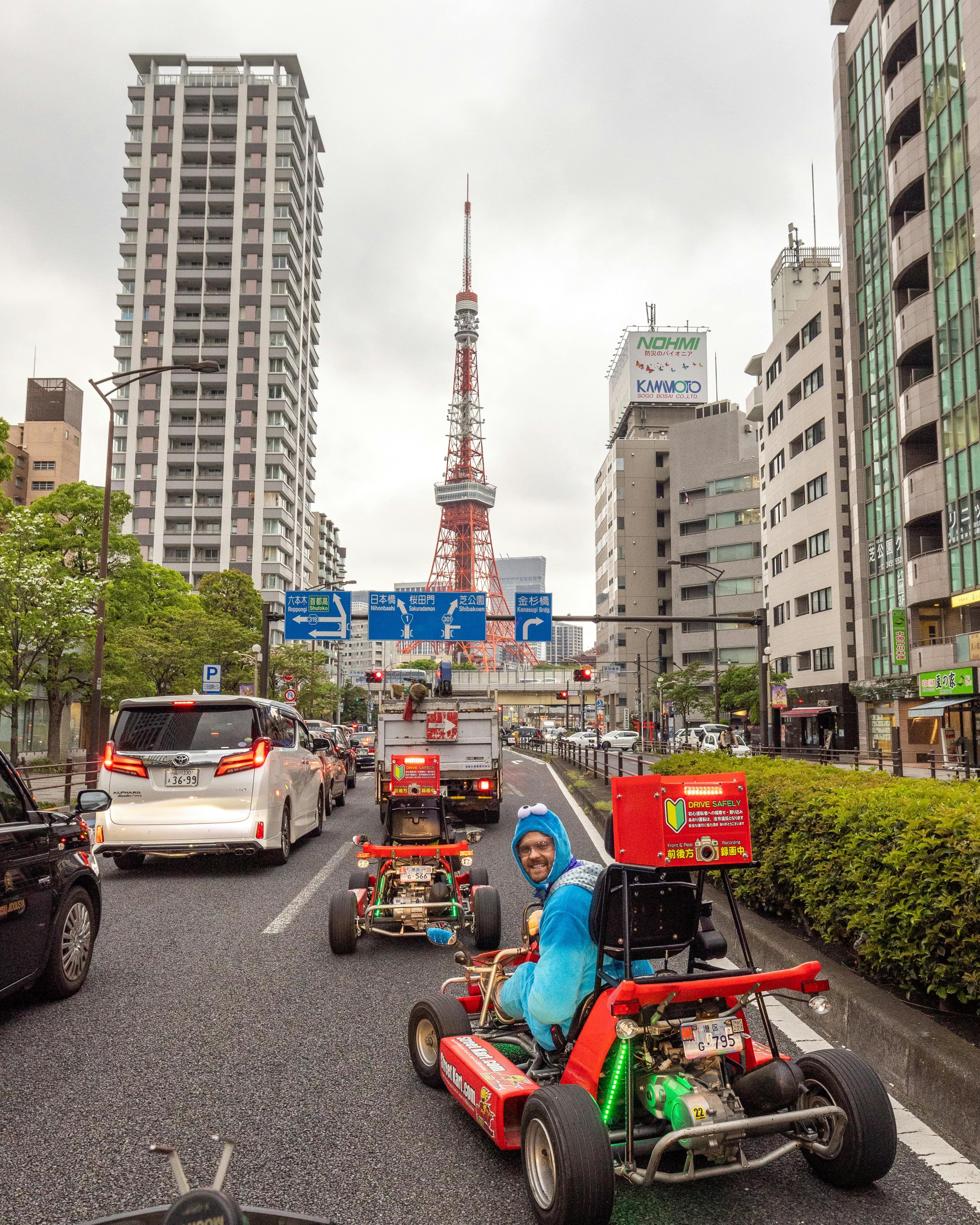
| Tokyo Tower | 150m / 250m | ¥1,200 / ¥3,000 | Classic Tokyo aesthetic | Elevator queues at peak |
| Tokyo Skytree | 350m / 450m | ¥2,100-3,100+ | Highest elevation, tower district | Timed entry, complex pricing |
| Roppongi Hills | 52nd floor | ¥2,000 | Night views, central location | Less dramatic than Tower/Skytree |
| Met Gov Building | 202m | Free | Budget option, quick visit | Weather-dependent, limited hours |
Quick decision: Tower for iconic Tokyo imagery, Skytree for maximum height, Roppongi for nighttime centrally located, Met Gov if free matters most. For dynamic aerial views, helicopter tours exist but involve remote heliports and weather dependencies.
Station access: Akabanebashi (Tower), Oshiage (Skytree), Roppongi (Roppongi Hills), Tochomae (Met Gov).
Three is redundant for most visitors. Two works if serving different purposes (day vs night, free vs premium).
Gardens & Green Spaces
Three main garden types exist: large/curated (Shinjuku Gyoen), traditional Edo-period (Koishikawa Korakuen), and intimate neighborhood gardens (Kiyosumi). Ueno Park offers a different experience—less manicured garden, more cultural campus.
| Garden | Cost | Size | Closure Days | Best Season |
|---|---|---|---|---|
| Shinjuku Gyoen | ¥500 | Large (58 hectares) | Mondays, Dec 29-Jan 3 | Autumn (cherry blossom = crowds) |
| Koishikawa Korakuen | ¥300 | Compact traditional | Year-end | Year-round |
| Kiyosumi Gardens | ¥150 | Small, intimate | Year-end | Autumn, clear winter days |
| Ueno Park | Free | Large (53 hectares) | Never | Cherry blossom, autumn |
The Imperial Palace East Gardens offer a fifth option: free admission, no booking required, and the historical weight of standing on Edo Castle's foundations. Less manicured garden, more political history in architectural form.
Seasonal reality: Cherry blossom season (late March-early April) triples normal crowds at Shinjuku Gyoen and Ueno. Most gardens close Dec 29-Jan 3. Summer offers shade but not heat relief.
One is usually enough unless gardens are a primary interest. Choose based on scale preference and whether you want traditional design vs variety.
Pairing opportunity: Kiyosumi Gardens pairs naturally with the Kiyosumi-shirakawa neighborhood—modern cafes, warehouse conversions, and Blue Bottle Coffee's Japan flagship. Budget 2-3 hours for garden + neighborhood exploration. Ueno Park pairs with Yanaka for a full day of old Tokyo atmosphere.
Temples & Shrines
Two essential stops that represent different spiritual traditions and atmospheres.
| Site | Type | Cost | Time Needed | Best Timing |
|---|---|---|---|---|
| Senso-ji Temple | Buddhist temple | Free | 60-90 min | Before 9am or after 5pm |
| Meiji Jingu Shrine | Shinto shrine | Free | 60-90 min | Weekday mornings |
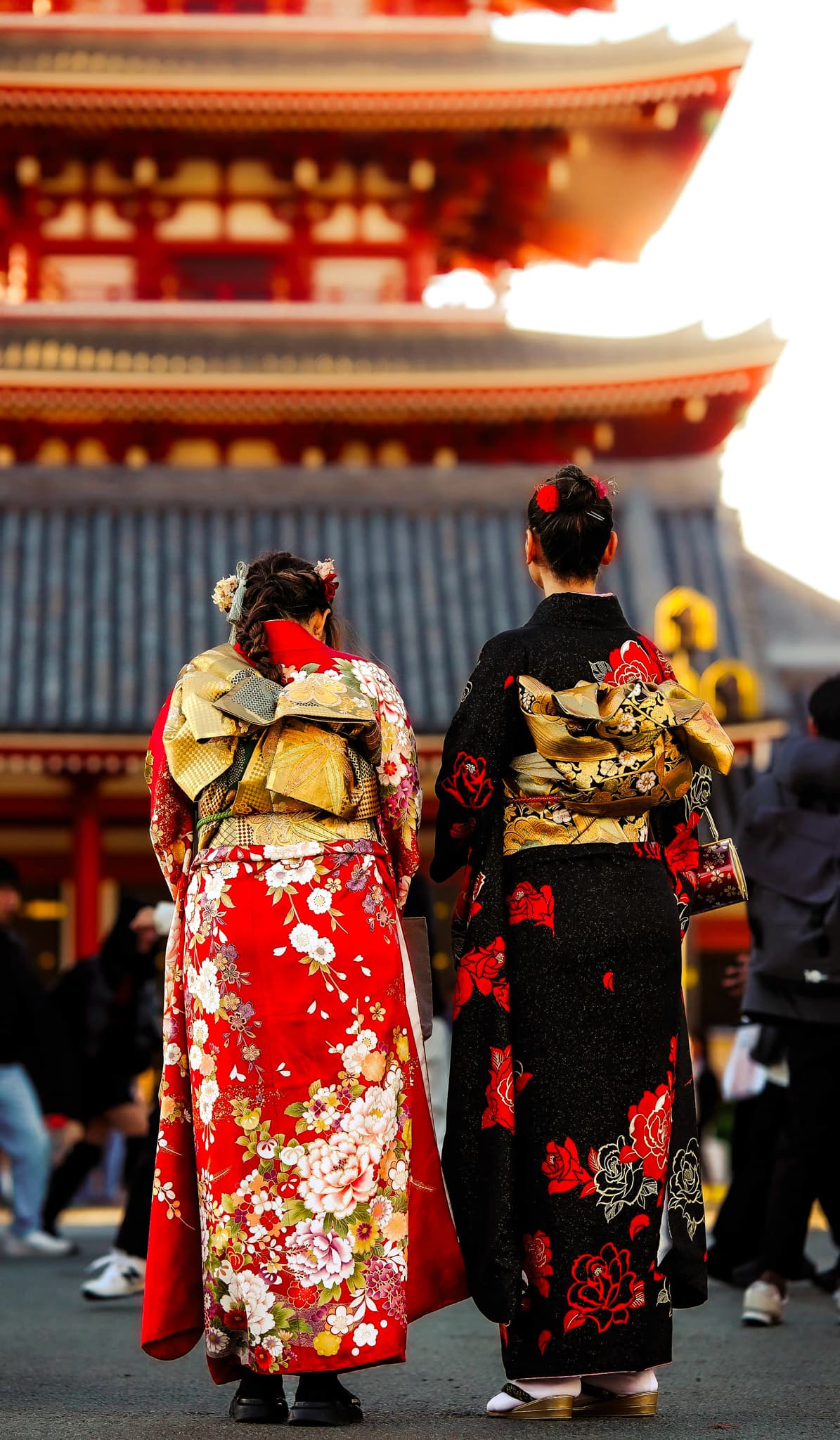
Senso-ji in Asakusa is Tokyo's oldest temple (founded 645 AD). The Kaminarimon gate, Nakamise shopping street, and main hall create one of Tokyo's most photographed sequences. Crowds are constant during day hours—the temple grounds are open 24/7, and early morning or evening visits reveal a different atmosphere entirely.
Meiji Jingu offers the opposite experience: a forested walk that feels removed from the city, leading to a shrine dedicated to Emperor Meiji. The gravel paths, towering trees, and ritual silence create genuine calm. Located next to Harajuku, it pairs naturally with Takeshita Street for a contrast of traditional and contemporary.
If you have limited time: Senso-ji is more visually striking; Meiji Jingu is more spiritually resonant. Both are free and accessible.
Cultural Performances
These intimidate first-timers for valid reasons: etiquette rules, language barriers, advance planning requirements.
| Performance | Location | Entry Option | Cost | Main Barrier |
|---|---|---|---|---|
| Kabuki | Kabuki-za Theatre (Ginza) | Single-act (60-90 min) or full program (4+ hrs) | ¥1,000-2,000 (single-act) | Language barrier, cultural context needed |
| Sumo | Ryogoku Kokugikan | Tournament viewing (Jan/May/Sep only) | Varies by seating | Ticket scarcity, 3-4 hour commitment |
| Sumo Museum | Ryogoku | Free admission | Free | Very limited hours (weekdays, no tournaments) |
Single-act kabuki (sold same-day only, 4th floor seating) offers accessible entry—you won't understand the full narrative but the visual spectacle and stylized movement communicate without language.
Sumo tournaments are 15-day events three times yearly in Tokyo. The ritual, atmosphere, and tradition make it compelling even without understanding every detail. Museum access is extremely limited for most visitors.
If you have 1-3 days: These probably don't make sense unless cultural performance is your primary interest. The preparation-to-experience ratio is high.
If you have 5+ days and genuine curiosity: The investment pays off, but recognize you're choosing this over other experiences.
For travelers who want the experience without extensive research, having context explained in the moment changes the equation significantly.
Modern Tokyo Experiences
| Experience | Location | Time Needed | Best Timing | Key Requirement |
|---|---|---|---|---|
| Shibuya Crossing | Shibuya Station (Hachiko Exit) | 30 min | Night for neon, 7-8am for empty photos | None |
| Takeshita Street | Harajuku Station | 60 min | Before 11am (otherwise crushed) | Tolerance for crowds |
| teamLab Planets | Shin-toyosu Station | 60-90 min | Weekday mornings | Advance timed entry, barefoot/water |
| teamLab Borderless | Azabudai Hills | 90-150 min | Unhurried timing | Advance timed entry, patience for crowds |
| Akihabara | Akihabara Station | 60-180 min | Weekday midday | Interest in anime/games/tech |
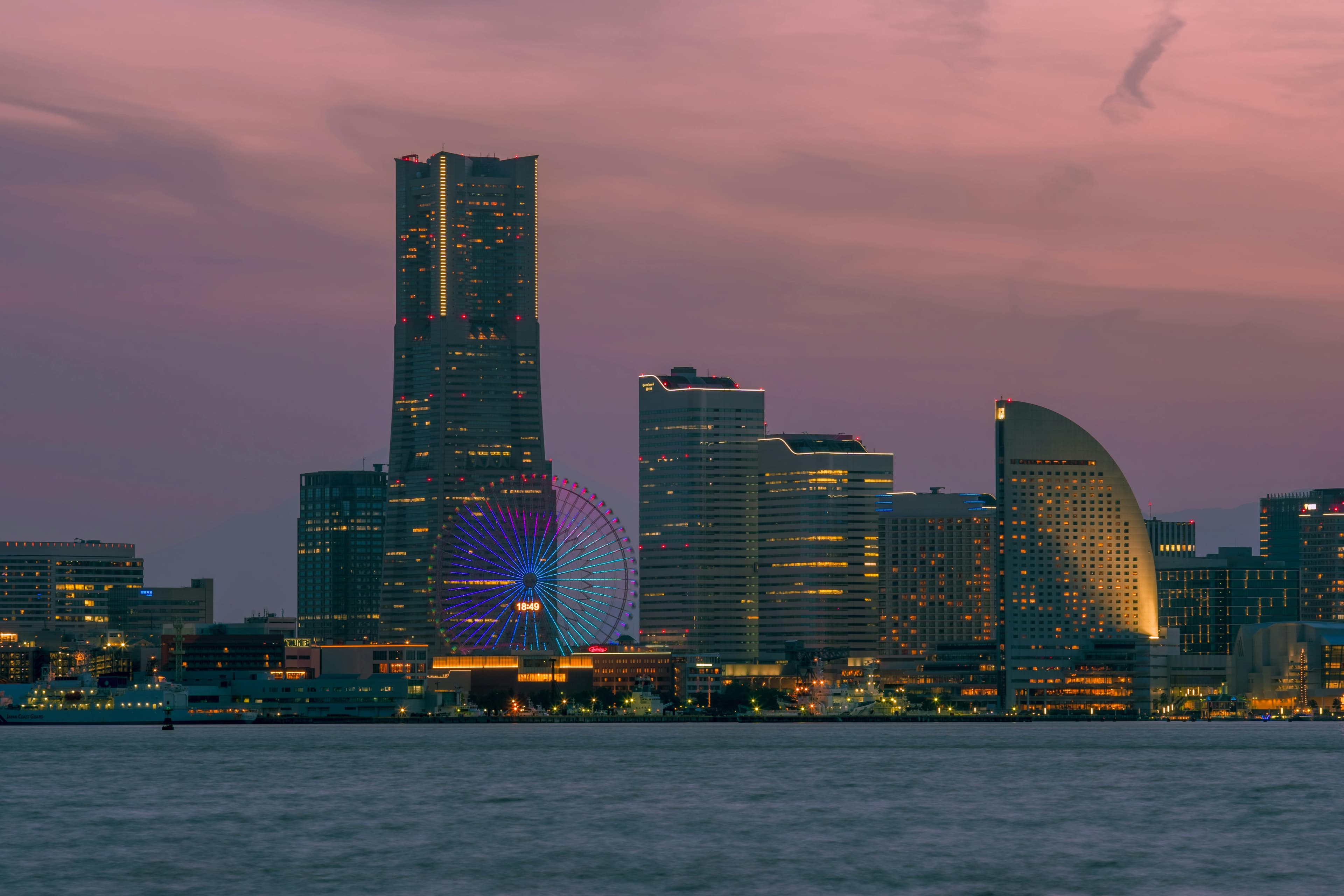
| Odaiba | Odaiba-kaihinkoen Station | 2-4 hrs | Sunset for Rainbow Bridge views | None |
Shibuya Crossing: The Crossing is the photo op, but Shibuya has more to it—Center Gai, Shibuya 109, observation decks, and quieter corners most visitors miss. Our Shibuya places guide breaks down what's worth your time.
Takeshita Street: Narrow pedestrian lane—crepes, character shops, teen fashion. After 11am it's impassable. Skip entirely if you have strollers or hate crowds.
teamLab comparison:
- Planets = physical interaction (walk through water, barefoot mandatory)
- Borderless = wandering digital art (museum without map, easy to get disoriented)
- Both require advance booking, sell out weeks ahead during cherry blossom/holidays
Akihabara: If you have zero interest in anime, gaming, or electronics, skip it. If they're your interest, this is your place.
Odaiba: Artificial island with futuristic architecture, shopping malls, the life-size Unicorn Gundam statue, and waterfront views. Best at sunset when Rainbow Bridge lights up. Feels like a different city—more planned, less organic than central Tokyo.
Navigation reality: Shibuya Station spans 8 buildings with 200+ exits. Harajuku has multiple exits. Wrong exit choice adds 10-15 minutes.
Markets & Food
| Market | Location | Time Needed | Best Timing | What to Expect |
|---|---|---|---|---|
| Tsukiji Outer Market | Tsukiji Station | 60-120 min | 7-10am weekdays | Fresh seafood, street food, crowds |
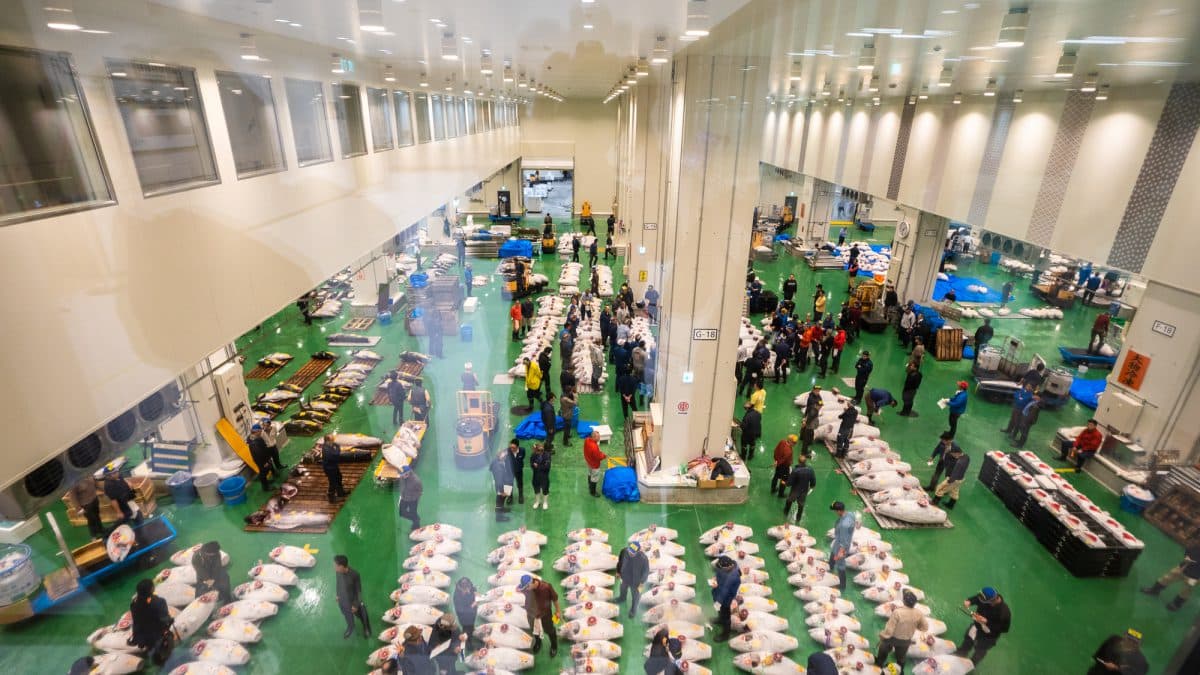
Tsukiji Outer Market remains Tokyo's most accessible food market after the inner wholesale market moved to Toyosu. Rows of vendors sell fresh seafood, tamagoyaki (sweet omelet), grilled scallops, and kitchen supplies. Morning hours are essential—by noon, many stalls close and the energy fades.
What moved, what stayed: The famous tuna auctions moved to Toyosu Market (requires advance booking, 5am start). Tsukiji Outer Market kept the retail stalls, restaurants, and food vendors. For most visitors, Tsukiji delivers the market experience without the logistical complexity.
Neighborhood Exploration
These don't have landmarks—they reward wandering without fixed destinations.
| Neighborhood | Character | Time Needed | Best Timing |
|---|---|---|---|
| Yanaka | Nostalgic/traditional, temple-heavy | 60-120 min | Anytime (rewards slow pace) |
| Shimokitazawa | Vintage shopping, creative energy | 60-180 min | Afternoon (shops open late) |
| Koenji | Thrift/record shops, underground music | 60-180 min | Evening for music, afternoon for shopping |
| Kiyosumi-shirakawa | Modern cafes, design-forward | 60-120 min | Late morning to early afternoon |
Navigation shift: These use smaller stations, fewer English signs, irregular shop hours, maze layouts. You navigate by feel, not landmarks.
Confidence variable: If Tokyo's transit still feels intimidating on day 2, neighborhoods compound complexity. If you're comfortable by day 3-4, they reveal a different city.
For detailed neighborhood profiles, what to look for, and pairing strategies, see our Tokyo neighborhood guide.
Geographic Clusters for Easy Planning
Central Tokyo (1 day): Imperial Palace East Gardens → Tokyo Station area → Ginza (Kabuki-za) → Tsukiji Market
West Tokyo (1 day): Meiji Jingu → Harajuku/Takeshita Street → Shibuya Crossing → Shinjuku Gyoen
East Tokyo (1 day): Asakusa/Senso-ji → Tokyo Skytree → Ueno Park → Yanaka
Modern Tokyo (1 day): teamLab Borderless → Roppongi Hills → Odaiba → Tokyo Tower at night
What First-Timers Get Wrong
Mistake 1: Trying to see everything in one area — Tokyo requires strategic grouping
Mistake 2: Underestimating transit time — 40-50 minutes between "nearby" attractions is normal
Mistake 3: Visiting popular spots at peak times — go early or accept crowds
Mistake 4: Overpacking days — 2-3 major experiences per day is optimal
Mistake 5: Ignoring neighborhood exploration — some of Tokyo's best experiences are in residential areas
Practical Tips for Your Visit
Timing: Weekday mornings are least crowded. Avoid weekends at popular spots.
Transport: Get a Suica/Pasmo card for seamless transit between experiences.
Booking: Reserve teamLab tickets weeks in advance during peak seasons.
Seasonal: Cherry blossom season (late March-early April) triples crowds at gardens.
Accessibility: Major attractions have accessibility features; check individual websites.
For travelers who want deeper context and seamless navigation, consider having a private guide explain cultural nuances in the moment.