Most visitors show up at Golden Gai expecting dinner. They get peanuts. This page explains the three-part Shinjuku sequence.
Golden Gai doesn't serve dinner. Omoide Yokocho does. Shinjuku Gyoen closes before either opens. The order matters.
Most visitors do Shinjuku backwards. They show up at Golden Gai at 6pm expecting dinner and drinks. They find 200 closed shutters — bars don't open until 8pm, some not until 9 or 10pm. So they scramble for food, then return to discover the bars only serve peanuts.
Golden Gai is a drinking district. Cover charges include a small appetizer — peanuts, dried fish — but not dinner. Omoide Yokocho, a 10-minute walk away, serves real food: yakitori, grilled meat, full meals. It opens at 5pm. Golden Gai opens at 8pm.
Shinjuku has a sequence. Get it wrong and you're eating peanuts for dinner.
The Three-Part Day
Shinjuku works best as three phases, each with its own timing. (For more on how timing shapes Tokyo tours, see best time of day for Tokyo private tours.)
Afternoon: Shinjuku Gyoen (closes 4-5:30pm)
Shinjuku Gyoen is one of Tokyo's finest gardens — 58 hectares with three distinct design styles. It closes at 5:30pm in summer (4pm in winter), so plan it for the afternoon.
The garden combines three traditions in one enclosure:
| Style | Section | Key Features |
|---|---|---|
| Japanese Traditional | South | Ponds, bridges, stone lanterns, Taiwan Pavilion (1927 imperial wedding gift) |
| French Formal | North/East | Symmetry, 100+ roses, plane tree alleys — designed by Versailles intendant Henri Martinet (1901) |
| English Landscape | North | Wide lawns, open views, Edwardian Imperial rest house |
The three styles exist together because of when the garden was built. The Meiji era was Japan's period of international opening. Combining Western and Japanese design in one imperial garden was the point.
Entry is ¥500. Closed Mondays.
6pm: When the Grills Fire
Omoide Yokocho opens at 5pm. By 6pm, the lanterns are lit and the grills are firing. This is when you eat — before the alleys fill up.
8pm: When the Doors Unlock
Golden Gai finally opens. Peak hours run from 10pm to 2am.
The sequence matters:
| Phase | Time | Place | What Happens |
|---|---|---|---|
| 1 | Afternoon | Shinjuku Gyoen | Gardens close 4-5:30pm |
| 2 | 6pm | Omoide Yokocho | Grills fire, seats available |
| 3 | 8pm+ | Golden Gai | Bars finally open |
For a full-day experience that covers all three phases with a guide, see Infinite Tokyo.
Omoide Yokocho: Eat First
Omoide Yokocho is where you eat — not where you drink. The narrow alleys hold roughly 60 establishments grilling yakitori, grilled meat, eel, and other proteins over open flames. This is real food.
The 6pm Window
Most places open at 5pm. The sweet spot is 5-6pm: lanterns are on, grills are hot, and seats are available. By 7pm, salarymen have filled the alleys and finding a seat becomes harder.
Expect to pay cash. About 60% of establishments still don't take cards.
What to Order
The alleys have specialists:
-
Kabuto — Eel grilled over binchotan charcoal. Various eel parts, prepared by an owner who's been doing this since 1948. Opens at 1pm, closes at 8pm. Closed Sundays.
-
Sushitatsu — The only sushi restaurant in Omoide Yokocho. No printed menu — daily fish is listed on wooden planks in kanji. Omakase only. Operating for over 60 years.
-
Tachan — Tsukune (chicken meatballs) that earned "best in Tokyo" from TimeOut. ¥660 per order.
-
Daini Horaiya — The first motsuyaki (grilled offal) restaurant in Omoide Yokocho, opened in 1947. The sauce recipe is decades old.
-
Yasubee — Most extensive sake selection in the alleys. More elbow room than most places. Operating since 1951.
-
Kameya — 24-hour soba. Only 8 seats. The signature is "Tentama soba" — tempura with soft-boiled egg.
Eat here before Golden Gai. The bars don't serve dinner.
Golden Gai: After 8pm, Not Before
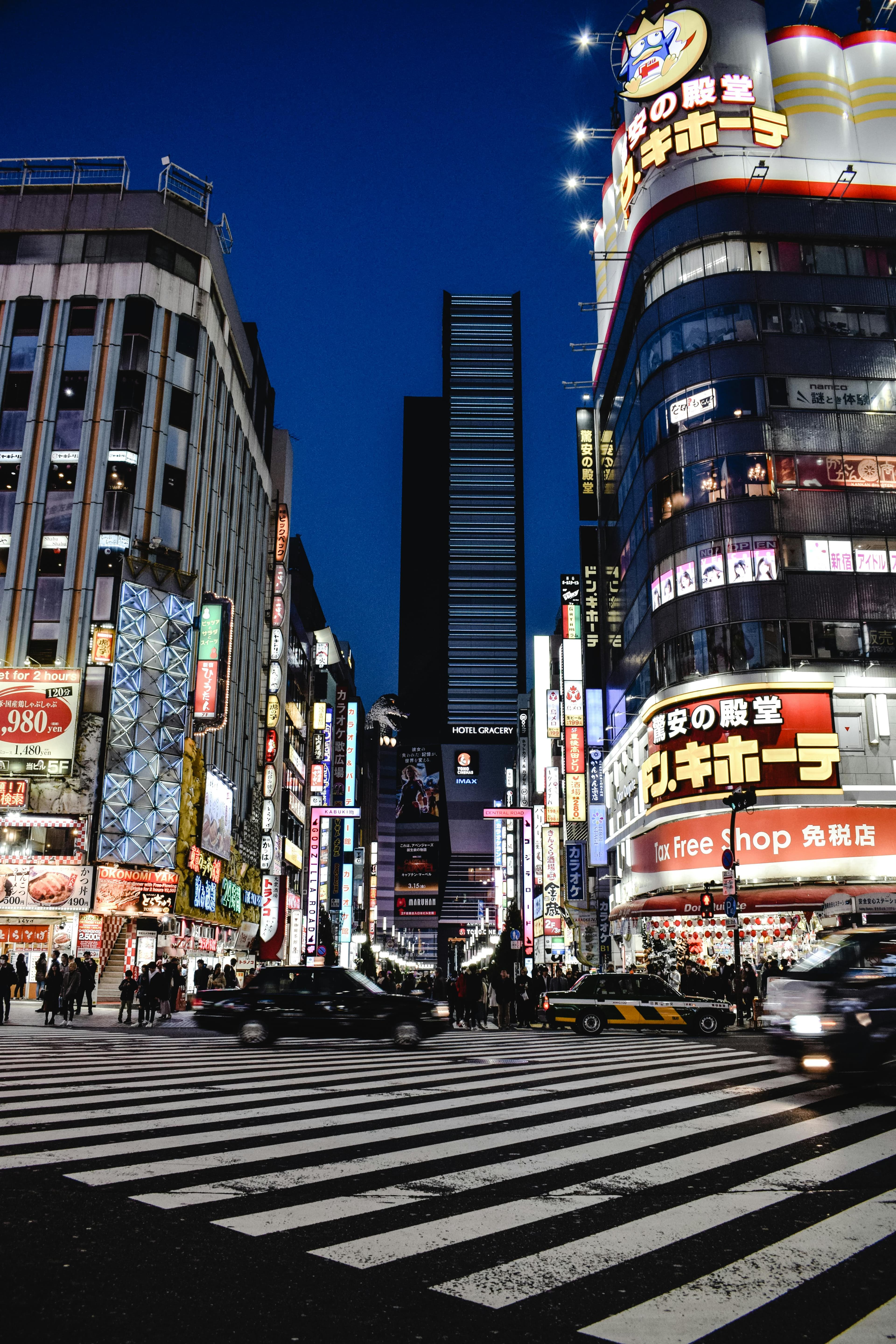
Golden Gai has over 200 tiny bars packed into six narrow alleys. About 100 of them welcome walk-in tourists. The other half are regulars-only — and finding out which is which takes trial and error.
Why Doors Matter
Some bars post English menus and prices outside. These are safe bets. Others have no signage, seat four people, and the owner decides who enters. Trying random doors means rejection and wasted time. Tokyo Trifecta ends in Shinjuku specifically to handle this navigation.
Tourist-friendly options include:
-
Albatross — Gothic décor, chandeliers, rooftop seating. ¥500 cover. English-speaking staff. The default first-timer choice.
-
Champion (also called Coin Bar) — No cover charge. Karaoke, sports on TV. Larger than most Golden Gai bars.
-
Kenzo's Bar — 80s music, leopard print décor. ¥500 cover. The owner is an actor and screenwriter. Very welcoming to foreigners.
-
Bar Araku — No cover for foreigners. Walls covered with traveler polaroids.
-
La Jetée — Cinema theme, named after the 1962 French film. Directors like Tarantino and Wenders have visited.
Look for English signs, posted prices, or menus displayed outside. These signal tourist-friendliness.
The Cover Charge Trade-off
Most bars charge ¥500-2,000 cover, with ¥700-1,000 being typical. The cover includes a small snack — peanuts or dried fish.
But no-cover bars have higher drink prices. A ¥500 cover with normal drink prices may cost less over several rounds than a "free" bar with inflated prices. The math depends on how long you stay.
Where Locals Actually Drink Now
Golden Gai has transformed. Tourists now outnumber Japanese patrons in most bars. Experienced Tokyo residents drink elsewhere.
Shimbashi — The standing bars under the tracks near Karasumori Exit. Shinshu Osake Mura in the Ekimae 1 building pours 100+ sakes from Nagano breweries, starting at ¥150 for 40ml. No cover charges. Pay-as-you-go. Seventy bars within 200 meters of the station. For more on this culture, see Tokyo's standing bar drinking culture.
Nishi-Ogikubo — Yanagi Koji (Willow Alley), 15 minutes from Shinjuku on the Chuo Line. Over 50 bars in postwar wooden longhouses. Handsome Shokudo serves Thai food. Yakitori Ebisu does ¥100 skewers. No cover charges here either. (Nearby Shimokitazawa offers a similar vibe with more vintage shops.)
Kichijoji — Harmonica Yokocho, one stop further west. Similar vibe, more space.
This doesn't mean Golden Gai isn't worth visiting. The architecture is unique — 200+ bars in six alleys, some seating only four people. But the "authentic local nightlife" framing is outdated.
Know the timing. Know which doors open. That's what makes the difference.
Where Hinomaru One Fits
Tokyo Trifecta starts at Meiji Shrine and ends in Shinjuku at 6pm — timed so you arrive at Omoide Yokocho when the grills fire and reach Golden Gai when the doors unlock. Your guide knows which bars welcome tourists and handles the cover charge conversation. The sequencing is built in.
At Hinomaru One, we design culturally rich, stress-free private Tokyo tours for first-time and seasoned travelers. Unrushed. Insightful. Always customized.