Recommended Tours
Tokyo Essentials Tour: A Sensory Journey
Recommended Tours
One Day, Infinite Tokyo Custom Private Tour
From cherry blossom season in Kyoto to the quiet snow-covered onsens of Hokkaido, discover when Japan reveals its most poetic charms — and when to pause your plans. This is your insider’s calendar for elegant, immersive travel.
A refined month-by-month guide to the best time to travel to Japan — and when to avoid the crowds.
Timing matters more in Japan than almost anywhere else. Visit in April versus August, book during Golden Week versus mid-May—these choices determine whether you see cherry blossoms in peace or navigate impenetrable crowds, pay $200 or $600 per night for the same hotel, and enjoy perfect weather or endure 95°F heat with 80% humidity.
There's no universally "perfect" time to visit Japan. What works depends on what you want to experience, what you're willing to tolerate, and what trade-offs you'll accept. First-timers often prioritize cherry blossoms despite the crowds. Budget travelers might choose June's rain over April's premiums. Families with school schedules face different constraints than flexible retirees.
This guide breaks down Japan's seasonal patterns month by month, showing you exactly what you'll gain and sacrifice with each timing choice.
At-a-Glance: Japan's Seasonal Calendar
| Month | Dates | Weather | Crowds | Costs | Key Considerations |
|---|---|---|---|---|---|
| Jan | 1-3 | Cold (10°C/50°F) | ❌ High | High | New Year closures, domestic travel surge |
| Jan | 4-31 | Cold (10°C/50°F) | ✅ Low | Low | Ski season peak, quiet cities, best value |
| Feb | 1-28 | Cold (10°C/50°F) | ✅ Low | Low | Snow festivals, uncrowded, excellent skiing |
| Mar | 1-19 | Cool (14°C/57°F) | ✅ Moderate | Moderate | Plum blossoms, pre-sakura calm |
| Mar | 20-31 | Cool (14°C/57°F) | ❌ High | High | School year-end, cherry blossom arrivals |
| Apr | 1-14 | Mild (19°C/66°F) | ❌ Very High | Very High | Peak cherry blossoms, iconic but crowded |
| Apr-May | 27-6 | Mild (23°C/73°F) | ❌ Extreme | Extreme | Golden Week - busiest period of year |
| May | 8-31 | Warm (23°C/73°F) | ✅ Low | Low | Best weather of year, post-holiday calm |
| Jun | 1-30 | Humid (26°C/79°F) | ✅ Low | Low | Rainy season, 165mm precipitation |
| Jul | 1-15 | Hot (30°C/86°F) | Moderate | Moderate | Rainy season continues, muggy |
| Jul | 16-31 | Hot (30°C/86°F) | Moderate | Moderate | Festivals begin, heat building |
| Aug | 1-12 | Very Hot (31°C/88°F) | High | High | Extreme heat, pre-Obon surge |
| Aug | 13-24 | Very Hot (31°C/88°F) | ❌ Very High | Very High | Obon holiday, domestic travel peak |
| Aug | 25-31 | Hot (31°C/88°F) | ✅ Moderate | Moderate | Post-Obon calm, heat persisting |
| Sep | 1-30 | Warm (27°C/81°F) | Moderate | Moderate | Typhoon season peak, weather unpredictable |
| Oct | 1-31 | Pleasant (22°C/72°F) | ✅ Low | Moderate | Autumn begins, comfortable weather |
| Nov | 1-30 | Cool (17°C/63°F) | ✅ Moderate | Moderate | Peak autumn foliage, excellent timing |
| Dec | 1-27 | Cold (12°C/54°F) | ✅ Low | Low | Winter illuminations, pre-holiday calm |
| Dec | 28-31 | Cold (12°C/54°F) | ❌ High | High | Year-end travel rush, approaching closures |
Key: ✅ = Favorable conditions | ❌ = Challenging conditions
Best Times to Visit Japan
Late March to Mid-April: Cherry Blossom Season
Dates: March 25 - April 14 Temperature: 14-19°C (57-66°F) What You Get: Japan's most iconic natural spectacle What You Sacrifice: Crowds, cost premiums, booking difficulty
Cherry blossoms bloom in waves across Japan:
| Region | Typical Bloom Dates |
|---|---|
| Kyushu/Southern regions | March 25 - April 5 |
| Tokyo | March 27 - April 5 |
| Kyoto | April 1 - April 10 |
| Northern Honshu | April 15 - April 25 |
| Hokkaido | April 28 - May 5 |
Peak viewing lasts 4-7 days after full bloom. Timing varies 1-2 weeks year to year based on spring temperatures. For detailed bloom forecasts and viewing spot recommendations, see our cherry blossom festival guide.
The Trade-Off: Cherry blossom season delivers on the visual spectacle. Temple parks transform. Riverbanks become tunnels of pink. Evening illuminations are genuinely magical. But you'll share it with everyone else. Popular viewing spots in Kyoto become nearly impossible to navigate on weekends. Hotels charge 50-100% premiums. Restaurants require reservations weeks ahead. If timing and crowd navigation feel overwhelming, private guides who know hidden spots and optimal viewing times can help you experience peak bloom without the stress.
Who This Suits: First-time visitors who want the quintessential Japan experience. Photographers willing to accept crowds for the shot. Travelers who prioritize iconic experiences over cost or convenience.
Who Should Skip: Budget travelers, crowd-averse visitors, anyone who needs flexibility or spontaneity.
Regional Note: If crowds in Tokyo and Kyoto feel overwhelming, Hokkaido's late April-early May bloom offers the same beauty with fewer visitors.
May 8-31: Post-Golden Week Window
Dates: May 8 - May 31 Temperature: 23°C (73°F), comfortable and dry What You Get: Japan's best weather with minimal crowds What You Sacrifice: Cherry blossoms are over
Once Golden Week ends, Japan exhales. The weather is near-perfect: warm days, cool evenings, low humidity, minimal rain. Crowds vanish. Hotel rates drop 30-50% from April levels. Everything feels accessible again.
This is Japan at its most pleasant. Temple walks are comfortable. Cities feel navigable. The pressure releases.
Who This Suits: First-time visitors who missed cherry blossoms. Anyone prioritizing weather and ease over specific seasonal events. Travelers who want to explore without constant planning.
Regional Activities: Hiking in the Japan Alps, exploring rural areas, enjoying outdoor festivals without heat exhaustion.
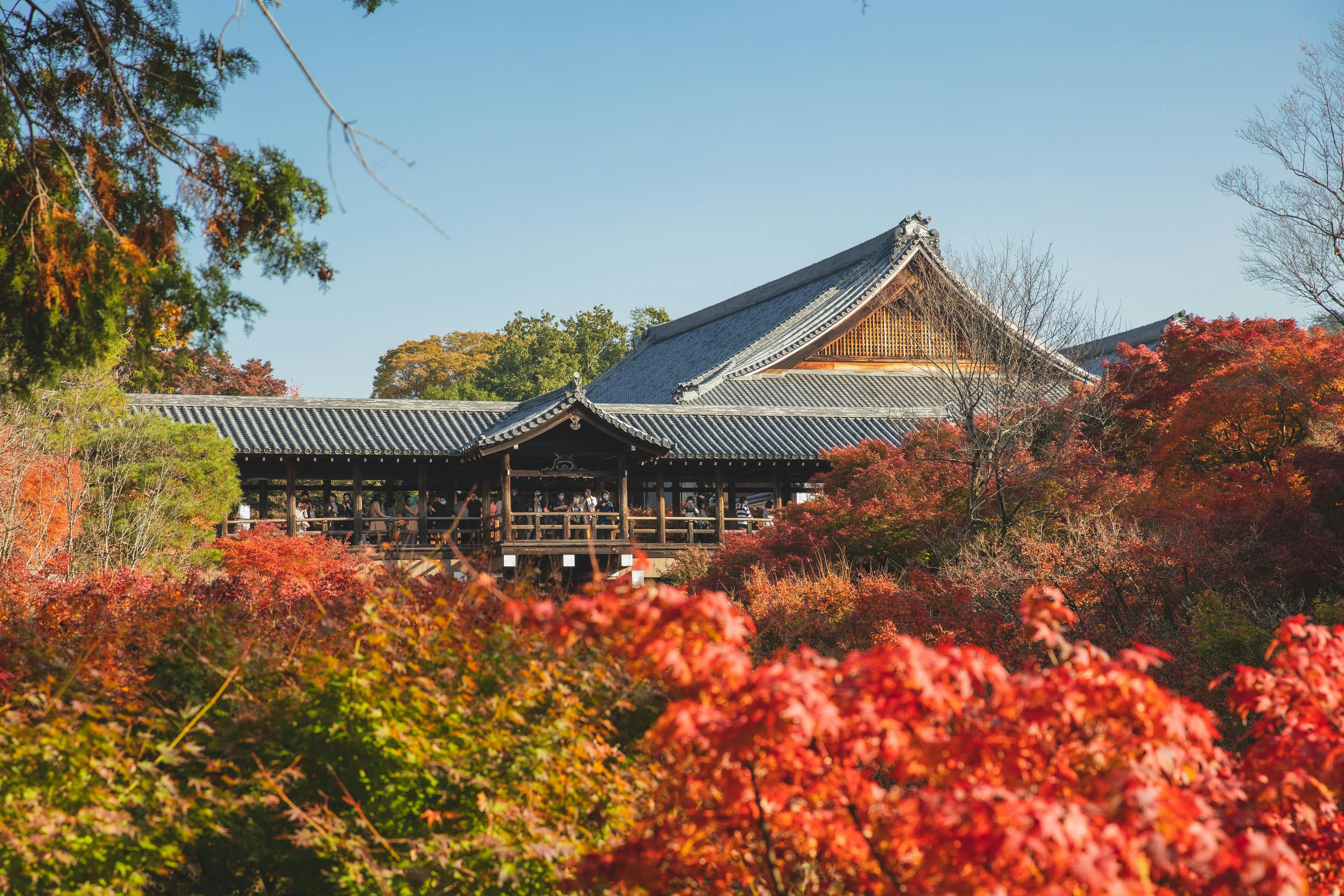
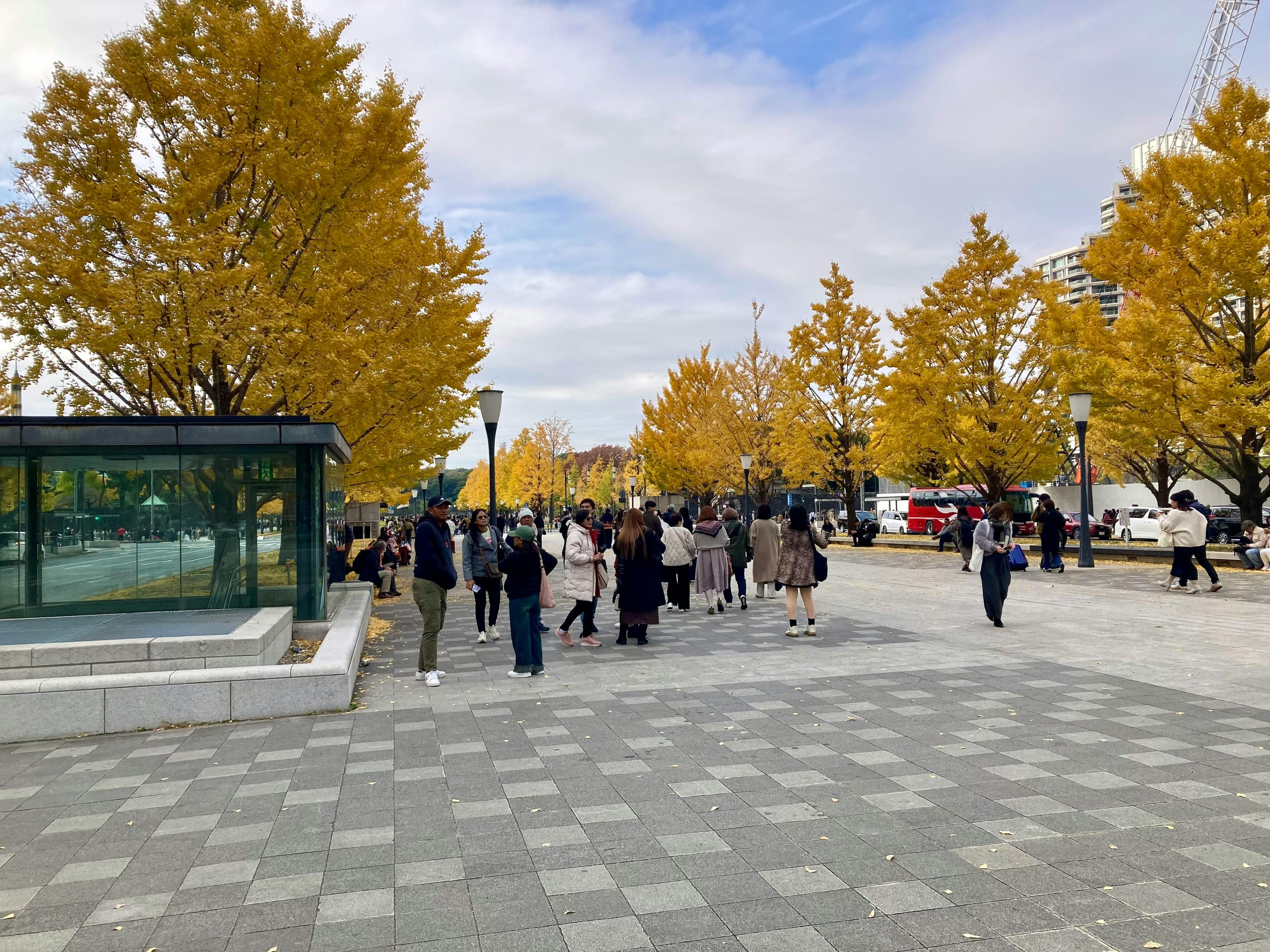
October 10 - November 30: Autumn Foliage Season
Dates: October 10 - November 30 Temperature: 17-22°C (63-72°F) What You Get: Spectacular fall color, comfortable weather, seasonal cuisine What You Sacrifice: Moderate crowds in Kyoto, some cost premium
Autumn foliage progresses across Japan:
| Region | Peak Color Dates |
|---|---|
| Hokkaido | September 25 - October 15 |
| Northern Honshu/Japan Alps | October 5 - October 20 |
| Tokyo | November 15 - December 5 |
| Kyoto | November 15 - December 5 |
| Kyushu | November 25 - December 10 |
Cool, dry weather makes outdoor activities ideal. Temple gardens glow red and gold. The air smells of roasted chestnuts and woodsmoke. For specific viewing locations and regional timing details, see our fall foliage guide.
The Trade-Off: Kyoto sees moderate crowds during peak color (mid-November), but nothing approaching cherry blossom chaos. Costs rise 30-60% in popular areas but remain manageable. Weekday mornings offer near-empty temple gardens.
Who This Suits: Travelers seeking natural beauty without extreme crowds. Food enthusiasts (seasonal cuisine peaks in autumn). Hikers and outdoor explorers. Photographers who want dramatic landscapes.
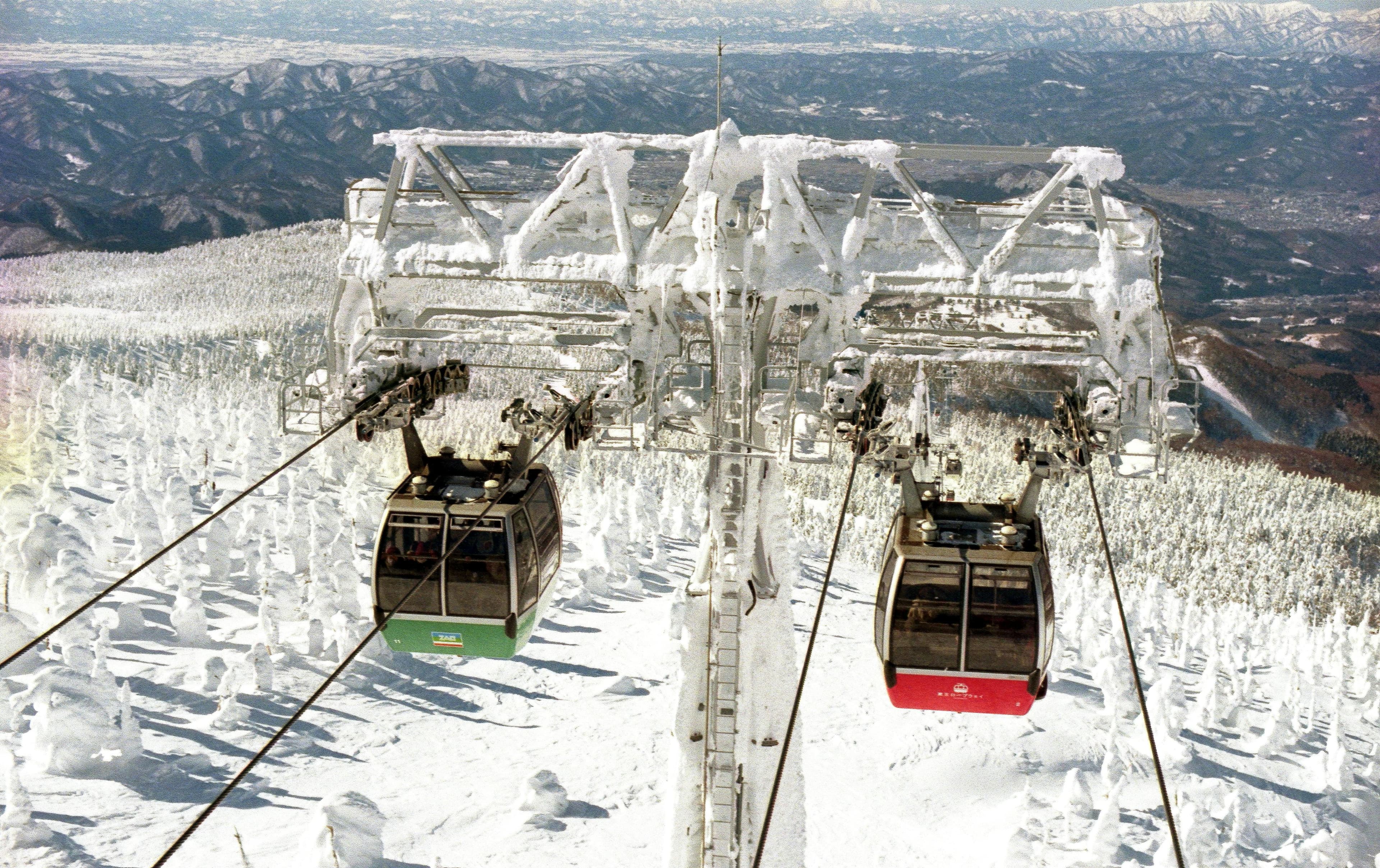
January 4 - February 15: Winter Calm
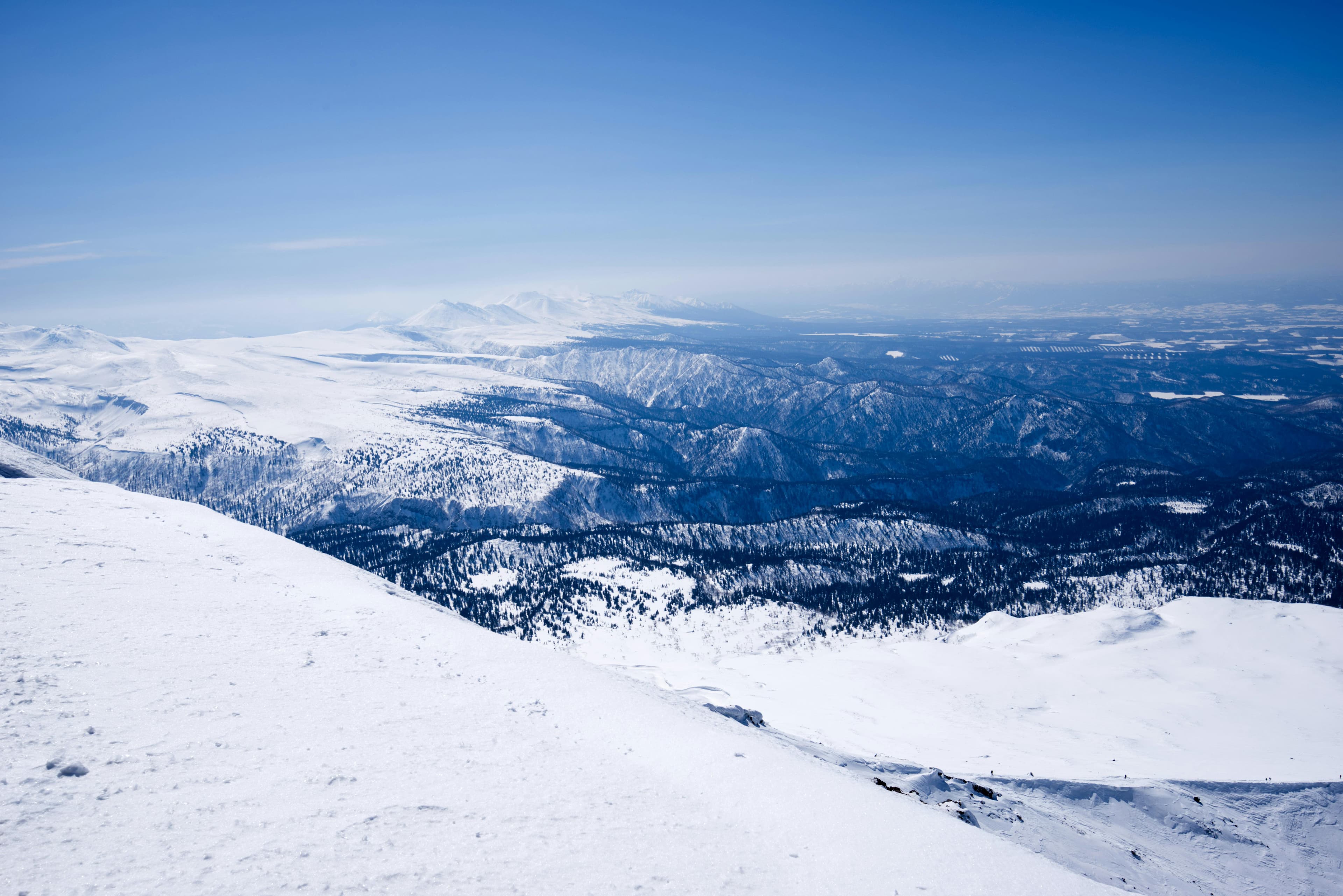
Dates: January 4 - February 15 Temperature: Tokyo 10°C (50°F), Hokkaido -1°C (30°F) What You Get: Ski season, onsen retreats, empty cities, lowest prices What You Sacrifice: Cold weather, shorter daylight (sunset ~4:30pm)
After New Year closures end, Japan offers a completely different experience. Cities are quiet. Museums and attractions have no lines. Hotels run 30-40% below peak season rates.
Winter activities:
| Activity Type | Location | Best For | Season Peak |
|---|---|---|---|
| Skiing/Snowboarding | Hokkaido, Nagano, Niigata | Powder seekers | Jan-Feb |
| Hot Springs (Onsen) | Hakone, Kusatsu, Kinosaki | Relaxation, winter atmosphere | Dec-Feb |
| Snow Festivals | Sapporo | Unique spectacle | Early Feb |
| Cultural Sites | Major cities | Crowd-free exploration | Jan-Feb |
See our ski guide for resort details and our winter in Japan guide for comprehensive winter travel planning.
The Trade-Off: It's cold. Tokyo stays above freezing but feels chilly. Hokkaido requires serious winter gear. Days are short (9.5 hours of daylight). Some rural attractions have limited hours or close entirely.
Who This Suits: Skiers and snowboarders. Budget travelers. Anyone who prefers intimate cultural experiences over iconic nature. Repeat visitors who've seen spring and autumn.
Regional Note: Hokkaido offers the best winter experience (skiing, snow festivals, winter seafood). Tokyo/Kyoto work for city exploration but lack winter-specific appeal.
July 16-24: Brief Summer Window
Dates: July 16 - July 24 Temperature: 30°C (86°F), heat building but tolerable What You Get: Summer festivals, rainy season ending What You Sacrifice: Growing heat and humidity
As tsuyu (rainy season) lifts, Japan's festival season begins. Kyoto's Gion Matsuri is the marquee event: lantern-lit parades, traditional music, yakitori stands lining the streets.
Heat is present but hasn't reached August's extremes. Beach towns open. Hiking trails dry out.
Who This Suits: Festival seekers. Travelers who want summer energy without peak August discomfort. Beach travelers targeting the season's start.
The Reality: This is a narrow window. By late July, heat becomes oppressive. If you miss this week, skip to late August. For comprehensive summer travel planning and heat mitigation strategies, see our summer in Japan guide.
Periods to Avoid (or Plan Around)
| Period | Dates | Primary Issues | Impact | If You Must Visit |
|---|---|---|---|---|
| School Year-End Surge | Mar 20 - Apr 7 | Domestic + international crowds collide | Hotels 50-100% premium, parks impassable | Book 6+ months ahead, avoid Kyoto |
| Golden Week | Apr 27 - May 6 | National holiday week, everything booked | Hotels 100-200% premium, trains standing-room-only | Book 6-12 months ahead or reschedule |
| Rainy Season | Jun 5 - Jul 15 | Constant drizzle, grey skies | 15-20 rainy days/month, low visibility | Accept rain for 30-40% savings |
| Extreme Heat + Obon | Jul 25 - Aug 24 | Dangerous heat + domestic holiday crowds | 35-38°C heat waves, packed trains | Go to Hokkaido instead |
| Typhoon Season | Sep 1 - Sep 23 | 2-3 typhoon approaches average | Flight cancellations, 1-3 day disruptions | Buy travel insurance, build flexibility |
| New Year Shutdown | Dec 28 - Jan 3 | Most businesses closed | Limited dining/shopping, premium rates | Visit Jan 4+ instead |
School Year-End Surge (March 20 - April 7): Details
Why It's Difficult: Japanese schools end in late March. Companies close their fiscal year. Families take one last holiday before April 1 (new school year). The result: domestic travel chaos overlapping with international cherry blossom visitors.
Rail stations overflow. Parks become impassable. Hotels book out months ahead. Prices spike 50-100%.
The Specific Problem: Late March delivers both crowd sources simultaneously. You're not just competing with international tourists—you're competing with the entire Japanese domestic population.
If You Must Visit: Book 6+ months ahead. Accept that Kyoto will be overwhelming. Consider less obvious destinations (Kanazawa, Takayama, northern cities).
April 27 - May 6: Golden Week
Dates: April 29 (Showa Day) through May 6 (Children's Day observed) Why It's Japan's Worst Travel Period:
Four national holidays cluster into one week. Companies close. Millions travel simultaneously.
Hotels charge 100-200% premiums. Bullet trains sell out weeks ahead; non-reserved cars operate at 150-200% capacity (standing room for 2-3 hours is common). Popular attractions have 2+ hour queues. Everything feels gridlocked. For strategies on navigating Tokyo's transport during peak periods, see our Tokyo transportation guide.
Cost Impact: A Tokyo hotel that costs $150 in May will run $400-500 during Golden Week. The same room.
If You Must Visit:
-
Book 6-9 months minimum
-
Stay in one city (avoid intercity travel)
-
Buy reserved train tickets immediately when booking windows open
-
Lower expectations for spontaneity
-
Consider this a cultural experience rather than efficient sightseeing
Alternative: If your dates are flexible by even a week, arrive May 7 or later. The contrast is dramatic.
June 5 - July 15: Rainy Season (Tsuyu)
Dates: Early June through mid-July Precipitation: 165mm in June, 155mm in July Why It's Challenging:
Tsuyu isn't typhoon-style downpours. It's constant drizzle. Grey skies. 80%+ humidity. The rain never fully stops, but it rarely pours.
Outdoor activities lose appeal. Photography becomes difficult. Mold smell appears in older buildings. Everything feels damp.
The Cost Trade-Off: Hotels drop 30-40% below peak season. You can visit affordably—if you can accept persistent rain and humidity.
Who Can Make It Work: Travelers focused on indoor experiences (museums, covered markets, restaurants, shopping). Budget-conscious visitors willing to tolerate weather.
Regional Exception: Hokkaido largely escapes tsuyu. Clear skies and 24°C (75°F) temperatures while Tokyo sits under grey clouds.
Late July - August: Extreme Heat + Obon
Dates: July 25 - August 24 Temperature: Daily highs 30-32°C (86-90°F), heat waves push to 35-38°C (95-100°F) Humidity: 75-80% Heat Index: Often exceeds 40°C (104°F) equivalent
This isn't "warm summer." This is oppressive, exhausting heat. Walking 10 minutes leaves you drenched. Outdoor activities become ordeals rather than pleasures. Even locals minimize time outside.
Obon Complication (August 13-16): Mid-August adds a domestic travel surge to the heat. Families return to ancestral homes. Shinkansen operate on reserve-only schedules. Hotels fill. Costs spike. If traveling during Obon, see our Japan Rail Pass guide for reservation strategies and alternative routing options.
Who Gets Trapped Here: Families with school-age children (summer break timing). Visitors constrained by work schedules.
Mitigation:
-
Focus on Hokkaido (24-27°C, manageable humidity)
-
Plan mostly indoor activities
-
Start days early (before 10am), retreat midday, resume evenings
-
Accept reduced itinerary pace
-
Book accommodations with good AC
September 1-23: Typhoon Season
Peak Risk: September Average Impact: 2-3 typhoon approaches per September Pattern: Unpredictable tracks, sudden formation
September is typhoon roulette. Some Septembers see zero impact. Others bring multiple major storms.
What Typhoons Mean:
| Impact Type | Duration | Effect |
|---|---|---|
| Flight cancellations | 2-3 days | Can't depart/arrive during storm |
| Train suspensions | Storm period | Shinkansen stops entirely for safety |
| Tours/attractions | 1-3 days | Everything outdoor closes |
| Itinerary disruption | Variable | Plans need complete revision with minimal warning |
The Problem: Typhoons form quickly—sometimes just 3-4 days warning. Your carefully planned itinerary can collapse.
If You Must Visit:
-
Build flexibility (extra days, refundable bookings)
-
Get travel insurance covering weather delays
-
Watch forecasts closely 1-2 weeks before arrival
-
Have backup indoor activities planned
-
Accept that plans may need complete revision
Silver Week: When September 21-23 align with holidays to create a long weekend, add domestic crowds to typhoon risk. Next occurrence: 2026.
December 28 - January 3: New Year Shutdown
Dates: December 28 - January 3 Peak Closure: January 1-3
New Year is Japan's most important holiday. It's intimate, family-focused, and largely non-commercial.
What Closes:
-
Most restaurants (especially January 1-3)
-
Shops and boutiques
-
Many museums
-
Even some convenience stores (rare but happens)
What Stays Open:
-
Major chain hotels
-
Some tourist-area restaurants (limited menus)
-
Convenience stores (most locations)
-
Temples and shrines (but overwhelmed with hatsumode—first prayers)
Crowd Impact: Trains and flights fill December 28-30 (people returning home) and January 2-4 (people returning to cities). Shrines are impassable January 1-3.
If You Must Visit:
-
Book dining ahead
-
Stock convenience store food
-
Expect limited options
-
Plan temple visits for January 4+
-
Treat it as a cultural observation rather than normal travel
Regional Timing Differences
Japan spans enough latitude that timing advice varies significantly by region.
Hokkaido (Northern Island)
| Feature | Timing/Details | Strategic Use |
|---|---|---|
| Cherry Blossoms | Late April - early May (4-6 weeks later than Tokyo) | Avoid April crowds |
| Summer | 24-27°C (75-81°F) vs Tokyo's 30-35°C (86-95°F) | Peak escape destination |
| Autumn Color | Late September - mid-October (earlier than Tokyo) | Early fall opportunities |
| Winter | Best skiing (Jan-Feb), Sapporo Snow Festival (early Feb) | Prime winter sports |
Locked into August dates? Hokkaido makes summer tolerable:
| Location | July-August Temp | Humidity | Comfort Level |
|---|---|---|---|
| Tokyo | 30-35°C (86-95°F) | 75-80% | Oppressive |
| Hokkaido | 24-27°C (75-81°F) | 60-70% | Comfortable |
Want cherry blossoms without April crowds? Hokkaido delivers in early May.
Tokyo / Kansai (Central Japan)
Timing: Matches the general calendar above Cherry Blossoms: Late March - early April Autumn: Mid-November - early December Note: This is where crowds concentrate. Regional destinations offer relief.
For Tokyo-specific timing considerations and seasonal highlights, see our Tokyo travel guide.
Kyushu / Southern Japan
| Feature | Timing/Details | Benefit |
|---|---|---|
| Cherry Blossoms | 2-3 weeks earlier (mid-March) | Beat late March/April chaos |
| Climate | Milder winters, subtropical feel | Comfortable year-round |
| Typhoon Risk | Higher September-October exposure | Plan with flexibility |
| Winter | Rarely sees snow, comfortable temps | No winter gear needed |
Japan Alps (Central Mountains)
| Feature | Timing | Notes |
|---|---|---|
| Autumn Color | Mid-October peak | Earlier than Kyoto |
| Winter | Heavy snowfall, excellent skiing | Nov-May access challenges |
| Summer | Alpine hiking, cooler at elevation | Escape lowland heat |
| Road Access | Some routes close Nov-May | Plan accordingly |
Okinawa (Subtropical South)
| Feature | Timing/Details | Strategic Use |
|---|---|---|
| Climate | Subtropical year-round | Complete departure from mainland |
| Cherry Blossoms | January-February | Earliest in Japan |
| Winter | Beach weather 20-22°C (68-72°F) | Winter beach escape |
| Summer | Very hot and humid, typhoon risk | Avoid unless beach-focused |
| Crowd Pattern | Popular in winter (opposite mainland) | Different seasonal dynamic |
Multi-Region Implications
If your itinerary covers multiple regions, timing becomes strategic:
-
You can't catch autumn foliage everywhere simultaneously (it progresses north to south)
-
Cherry blossoms move south to north over 6 weeks
-
Summer heat is uniform except Hokkaido
-
Winter snow varies dramatically (heavy in Hokkaido/Alps, light in Tokyo, rare in Kyushu)
Costs & Booking Strategy
Timing directly affects what you'll pay and when you need to book.
Peak Season Premiums
| Season | Hotels | Flights | Example Impact |
|---|---|---|---|
| Cherry Blossom (Late Mar-Early Apr) | 50-100% (up to 150% in prime Kyoto locations) | 30-50% | $200/night hotel → $300-400 |
| Golden Week (Apr 27-May 6) | 100-200% | 50-80% | Standard rooms triple in price |
| Autumn Foliage (Oct-Nov) | 40-80% in Kyoto, 30-60% in Tokyo | 20-40% | Noticeable but not extreme |
Off-Season Savings
| Period | Hotels | Flights | Overall Savings | Trade-Off |
|---|---|---|---|---|
| Winter (Jan-Feb, except New Year) | 30-40% below baseline | Lowest of year | 35%+ possible | Cold, short days |
| Rainy Season (June) | 30-40% discount | 20-30% below peak | Substantial | Persistent rain |
| Late August | 20-30% below Obon rates | Moderate | Good value window | Lingering heat |
Booking Lead Times (Critical)
| Season/Period | Book Ahead | Why | Flexibility |
|---|---|---|---|
| Cherry Blossom | 6-9 months | Best options gone by Dec-Jan for Mar-Apr travel | Low - severe premiums if late |
| Golden Week | 6-12 months | Non-negotiable - no trains/hotels if delayed | None - book ASAP |
| Autumn (Kyoto) | 4-6 months | Kyoto books faster than other cities | Moderate - some options at 3 months |
| Autumn (Tokyo) | 3 months | More availability than Kyoto | Moderate |
| Winter/Off-Peak | 1-2 months | Last-minute deals sometimes appear | High - can book closer |
See our Tokyo accommodation guide for neighborhood-specific booking strategies during peak seasons.
For platform-specific booking strategies and timing, see our booking platform guide.
Hidden Cost Factors
Domestic Holidays = Local Competition: During Golden Week, Obon, and New Year, you're competing with Japanese domestic travelers who also want hotels and trains. Prices rise even in cities without international tourism appeal.
Weekend Premiums: Saturdays and holiday-adjacent days book first and cost 20-30% more, even outside peak seasons.
Regional Variations: Kyoto charges steeper premiums than Tokyo during cherry blossom and autumn. Regional cities (Takayama, Kanazawa) see smaller increases. For detailed budget planning across seasons, see our Japan travel costs guide.
Weather Patterns: What They Actually Mean
Raw temperature data doesn't tell you what travel feels like. Here's what seasonal weather actually means for daily activities.
Summer (July-August): The Heat Breakdown
| Metric | Value | Impact on Travel |
|---|---|---|
| Daily High | 30-32°C (86-90°F) | Outdoor sightseeing becomes endurance |
| Heat Waves | 35-38°C (95-100°F) for 5+ consecutive days | Miserable conditions, dangerous for some |
| Humidity | 75-80% | Sweat through clothes in 10 minutes |
| Heat Index | Often 40°C+ (104°F+) | Day planning revolves around AC |
What This Feels Like: Walking 10 minutes leaves you sweating through your shirt. Temple stairs feel like labor. Extended outdoor activities are miserable. Extended outdoor activities are miserable—which is why building realistic daily itineraries matters even more in summer.
Daily Schedule Strategy:
| Time Period | Activity Type | Why |
|---|---|---|
| Before 10am | Outdoor sightseeing | Most tolerable heat window |
| 11am-4pm | Indoor (museums, covered markets, shopping, lunch) | Escape peak heat |
| After 5pm | Resume outdoor activities | Temperatures slightly dropping |
Pack light, breathable clothing. Stay hydrated aggressively. Locals carry hand fans, parasols, and towels—you should too. For seasonal packing recommendations, see our Japan packing guide.
Hokkaido Alternative: 24-27°C (75-81°F), 60-70% humidity. Actually pleasant for outdoor activities.
Rainy Season (June - Mid-July): Tsuyu Reality
| Aspect | Details | Impact |
|---|---|---|
| Precipitation | June 165mm, July 155mm | Constant drizzle, not downpours |
| Rainy Days | 15-20 days/month during peak | Persistent wetness |
| Humidity | 80-85% | Everything feels damp |
| Temperature | 24-27°C (75-81°F) | Comfortable if you ignore wetness |
| Visual Impact | Grey skies daily | Outdoor photography loses appeal |
What This Feels Like: You're rarely soaked, but you're never fully dry. Umbrellas are constant companions. Mold smell appears in older buildings. Clothes take longer to dry. The air feels thick.
Mitigation Strategy:
| Activity Type | Examples | Why It Works |
|---|---|---|
| Covered/Indoor | Department stores, covered markets (Nishiki), museums, shopping arcades | Weather irrelevant |
| Extended Meals | Long restaurant experiences, food halls | Time filler that's enjoyable |
| Transport Days | Moving between cities | Productive use of rainy days |
Pack a good rain jacket (breathable essential, not heavy coat). Accept that scenic mountain views and temple photography won't deliver Instagram shots.
Regional Escape: Hokkaido skips tsuyu entirely—clear skies while Tokyo sits under clouds.
Winter (December-February): Cold But Manageable
| Location | Dec-Feb Temperature Range | Character |
|---|---|---|
| Tokyo | 10°C / 2°C (50°F / 36°F) | Cold but not brutal, layers sufficient |
| Hokkaido (Sapporo) | -1°C / -7°C (30°F / 19°F) | Real winter, heavy coat required |
| Japan Alps (elevation) | -5°C to -15°C (5°F to -23°F) | Mountain cold, ski conditions |
What This Feels Like: Tokyo winter is cold but not brutal. Think San Francisco winter—layers work fine. Rarely drops below freezing in cities. Buildings are well-heated. Outdoors feels crisp, not punishing.
Hokkaido requires real winter gear: heavy coat, thermal layers, waterproof boots. But that's part of the winter experience—skiing, snow festivals, outdoor hot springs.
Daylight Limitation: Sunset at 4:30pm (December-January) means short exploration windows. Plan accordingly—mornings and early afternoons for outdoor sightseeing, evenings for indoor activities.
Benefits: Hot springs (onsen) feel incredible in winter. Heated kotatsu tables in traditional restaurants. Seasonal foods (hot pot, winter seafood). Empty temples.
Spring/Autumn: Ideal Conditions
| Season | Temperature | Humidity | Precipitation | Comfort Level |
|---|---|---|---|---|
| Spring (Apr-May) | 15-23°C (59-73°F) | 60-70% | Light, manageable | Perfect for full-day exploration |
| Autumn (Oct-Nov) | 17-22°C (63-72°F) | 60-70% | Minimal | Comfortable layers, no weather constraints |
What This Feels Like: Comfortable outdoor activity. Layers sufficient (light jacket for mornings/evenings, t-shirt for midday). Walking temple routes is pleasant, not exhausting. No weather-related planning constraints. Just comfortable, easy travel.
Typhoon Season (September): The Unpredictability
| Metric | Details |
|---|---|
| Peak Month | September |
| Frequency | 2-3 typhoons approach Japan per September |
| Storm Duration | 1-3 days of heavy rain and strong winds |
| Geographic Impact | Southern/Pacific coast hit harder |
What Typhoons Mean:
| Impact Type | Duration | Effect | Mitigation |
|---|---|---|---|
| Flight cancellations | 2-3 days | Can't depart/arrive during storm | Travel insurance essential |
| Train suspensions | Storm period | Shinkansen stops entirely for safety | Build buffer days |
| Tours/attractions | 1-3 days | Everything outdoor closes | Have indoor backup plans |
| Itinerary disruption | Variable | Plans need complete revision with minimal warning | Flexibility required |
The Planning Problem: Typhoons can form 3-4 days out. Your itinerary might need complete revision with minimal warning.
Impact Variation: Some Septembers see zero impact. Others bring 2-3 major storms. It's genuinely unpredictable.
Special Considerations by Traveler Type
Optimal timing varies based on who you are and what you value.
First-Time Visitors
Priority: Iconic Japan experiences
| Goal | Recommended Timing | Why |
|---|---|---|
| Iconic experiences | Cherry blossoms (late March-early April) | Most recognized Japan visual |
| Less-crowded alternative | Autumn foliage (October-November) | Spectacular with fewer crowds |
| No seasonal priority | May (post-Golden Week) | Excellent weather, accessibility |
Your first trip should include Japan's most recognized experiences. Cherry blossoms or autumn leaves provide that. Yes, crowds are real. Yes, costs are higher. But these visuals define Japan for most visitors.
Skip: Winter (unless specifically seeking skiing/snow). First visits benefit from outdoor activity, gardens, temples. Winter's short days and cold limit these.
Families with Children
Constraints: School schedules often force summer or specific breaks
| Scenario | Best Timing | Why | Avoid |
|---|---|---|---|
| Flexible schedule | May | Best weather + low crowds | - |
| Spring break | Late March | Before peak crowds | Golden Week |
| Winter break | December (mid-month) | Manageable, illuminations | New Year (Dec 28-Jan 3) |
| Summer break (unavoidable) | Hokkaido | Cooler, family-friendly | Tokyo/Kyoto heat |
Summer Survival: If locked into July-August, focus on Hokkaido. Cooler weather makes family activities manageable. Tokyo/Kyoto in August with kids is genuinely difficult.
Planning: Book ahead aggressively. Family-friendly hotels fill earliest. Build shorter walking days. Plan midday breaks.
Seniors & Mobility Considerations
Priority: Comfort, accessibility, manageable weather
| Priority | Recommended Timing | Why | Avoid |
|---|---|---|---|
| Best weather + accessibility | May | Comfortable temps, low crowds, easy navigation | - |
| Beautiful + comfortable | October-November | Pleasant temps, fewer crowds than April | - |
| If cherry blossoms matter | Early April | Worth it despite crowds | Late March (peak chaos) |
| Never visit | July-August | Heat dangerous for heat sensitivity | - |
| Also avoid | Dec-Feb | Slippery conditions, challenging mobility | - |
| Also avoid | Golden Week | Crowds make navigation difficult | - |
Considerations: Choose elevator-accessible hotels. Plan shorter daily distances. Avoid rush hour trains (7-9am, 5-7pm). May's weather and low crowds create the most accessible environment.
Budget Travelers
Priority: Minimize costs while maximizing experience
| Period | Savings | Trade-Off | Value Rating |
|---|---|---|---|
| January-February (except New Year) | 30-40% | Cold, short days | Good if winter activities appeal |
| June (rainy season) | 30-40% | Constant rain | Best value-to-experience ratio |
| Late August (post-Obon) | 20-30% | Lingering heat | Decent window |
Strategy: Rainy season (June) offers the best value-to-experience ratio. Hotel savings are substantial. Indoor experiences (museums, covered markets, department stores, restaurants) work fine. Just accept that outdoor photography and scenic views won't be ideal.
Photographers
| Season | Pros | Cons | Strategy |
|---|---|---|---|
| Cherry Blossom/Autumn | Iconic shots, dramatic color | Peak crowds unavoidable | Weekday mornings (6-8am), less-famous locations |
| Winter | Unique opportunities (snow on temples, empty streets) | Short days, cold | Embrace the aesthetic |
| Summer | Fewer crowds | Harsh light, haze | Early morning/evening only |
For Sakura/Autumn: Peak crowds = unavoidable if you want the iconic shots. Consider less-famous locations (Kanazawa, Takayama, northern regions) for crowd relief.
Consideration: Rainy season ruins outdoor photography. Typhoon season creates uncertainty. These months are cheapest for a reason.
Repeat Visitors
Strategy: Explore "off" seasons to see different Japan
| Season | What You'll Experience | Why It's Worthwhile |
|---|---|---|
| Winter (Jan-Feb) | Skiing, onsen culture, empty temples | Local life without tourists, winter festivals |
| Rainy Season (June) | How locals handle weather | Quieter Kyoto, different character |
| Late Summer (post-Obon Aug) | Summer festivals without peak crowds | Authentic summer culture |
Benefit: You've seen cherry blossoms and autumn. Now explore Japan when it's serving locals, not tourists. Rainy season Kyoto reveals different character. Winter Hokkaido is spectacular. August festivals show summer culture without the masses.
Deciding When to Visit: Quick Selector
| Your Situation | Best Timing | Why |
|---|---|---|
| First visit, want iconic experiences | Late March-early April or Oct-Nov | Cherry blossoms or autumn foliage |
| First visit, can't handle crowds | May or late January | Good weather, low crowds |
| First visit, budget constrained | January-February or June | 30-40% savings possible |
| Traveling with children (flexible) | May | Best weather + low crowds |
| Traveling with children (school breaks) | Hokkaido in summer, Tokyo/Kyoto in Mar or Dec | Manageable conditions |
| Children traveling - avoid | July-August heat, Golden Week | Exhausting/logistically difficult |
| Flexible dates | May or late January | Optimal conditions or value |
| Must travel in summer | Hokkaido | Manageable temps vs. Tokyo/Kyoto heat |
| Tight budget | January-February, June, or late August | 30-40% savings |
| Photographer/nature enthusiast | Cherry blossoms/autumn (despite crowds) | Worth the trade-offs for shots |
| Been before | Winter, rainy season, late summer | See Japan serving locals |
First-time visitors often feel overwhelmed by seasonal timing trade-offs. If you're unsure which season works best for your priorities, a guided first-day experience can help you acclimate to whichever season you choose—whether navigating cherry blossom crowds or making the most of winter's quiet.
Families locked into summer school breaks face Japan's most challenging weather. If July-August is unavoidable, private family tours with guides who know shaded routes and kid-friendly pacing can make the heat manageable rather than miserable.
Frequently Asked Questions
Is shoulder season (late April, early October) worth it?
| Period | Weather | Crowds | Costs | Seasonal Spectacle | Best For |
|---|---|---|---|---|---|
| Late April (Apr 15-26) | Pleasant, spring persists | Low—post-sakura calm | Moderate | Cherry blossoms over | Good weather without peak chaos |
| Early October (Oct 1-10) | Comfortable | Moderate | Reasonable | Autumn color hasn't peaked | Safe choice, no spectacle |
Both are "safe" choices—good weather, manageable crowds, reasonable costs—but lack the seasonal spectacle that draws most visitors. If foliage matters, wait until late October-November.
How do I track cherry blossom forecasts?
Forecasts begin in early January from Japan Meteorological Corporation (Weathernews Inc.), Japan Weather Association (tenki.jp/sakura), and Japan National Tourism Organization (english.visitjapan.jp). Accuracy improves as bloom approaches—by 2-3 weeks out, forecasts are usually within 3-5 days.
Can I see cherry blossoms AND avoid crowds?
Mostly no. Cherry blossoms attract crowds because they're spectacular and brief.
Partial Solutions:
| Strategy | Timing/Location | Crowd Reduction | Trade-Off |
|---|---|---|---|
| Regional shift | Tohoku or Hokkaido (late Apr-early May) | Fewer international tourists | 3-4 weeks later than Tokyo |
| Early morning | Weekday 6-8am at famous spots | 2-3 hour quiet window | Very early start required |
| Less-famous cities | Kanazawa, Takayama vs Kyoto | Noticeably fewer crowds | Less iconic backdrops |
But if you want Kyoto's iconic spots during peak bloom, crowds are unavoidable.
What if my dates overlap with a holiday?
| Holiday Type | Examples | Impact | Strategy |
|---|---|---|---|
| Minor impact | Respect for the Aged Day, Sports Day, Culture Day | 3-day weekends, no major disruption | Normal planning |
| Major impact | Golden Week, Obon, New Year | Crowds, closures, price spikes | Book 3-6+ months ahead |
Major holiday planning:
-
Golden Week → Book 6+ months ahead, minimize intercity travel
-
Obon → Book 3-4 months ahead, expect crowded trains
-
New Year → Many places closed January 1-3, book ahead for December 28-30
If your dates include any part of Golden Week or Obon, plan around that constraint—it will dominate your experience.
How bad is typhoon season really?
Variable. September sees 2-3 typhoon approaches on average. Some pass with minimal impact. Others cause 2-3 days of complete disruption.
If visiting in September:
| Preparation Type | Action | Why |
|---|---|---|
| Schedule flexibility | Build 2+ buffer days | Typhoons can wipe out 1-3 days |
| Booking strategy | Choose refundable options | May need to change plans |
| Insurance | Get travel insurance covering weather | Protects against cancellations |
| Monitoring | Watch forecasts 1-2 weeks before | Allows proactive adjustments |
| Backup plans | Identify indoor alternatives | Keep trip productive during storms |
Some travelers see no impact. Others lose 1-3 days. It's genuinely unpredictable.
Should I avoid September entirely?
Not necessarily. Timing within September matters:
| Period | Typhoon Risk | Weather | Crowds | Recommendation |
|---|---|---|---|---|
| Early Sep (Days 1-10) | Lower | Warm, comfortable | Moderate | Better odds than late Sep |
| Mid-Late Sep (Days 11-30) | Peak typhoon season | Variable | Moderate | Higher disruption risk |
If your only option is September, go—but plan with flexibility. Don't book a tight 3-day trip with no buffer. Give yourself 5-7 days so a typhoon doesn't ruin everything.
When is the absolute cheapest time to visit?
| Period | Hotels | Flights | Overall Savings | Trade-Off |
|---|---|---|---|---|
| January-February (excluding New Year) | 30-40% below peak | Lowest of year | 35%+ possible | Cold, short days, less outdoor appeal |
| June | 30-40% below peak | 20-30% below peak | Substantial | Constant rain, high humidity, grey skies |
If you can accept these conditions, you'll save substantially.
Is Hokkaido always a good summer backup?
Yes. While Tokyo suffers 30-35°C with 80% humidity, Hokkaido offers 24-27°C with 60-70% humidity. Genuinely comfortable for outdoor activities.
| Traveler Type | Why Hokkaido Works | Consideration |
|---|---|---|
| Families escaping heat | Manageable temperatures for kids | Popular with Japanese families |
| Active travelers | Hiking, cycling comfortable | Book accommodations ahead |
| Anyone locked into July-August | Only comfortable mainland option | Train/flight reservations essential |
The only downside: it's popular with Japanese summer travelers, so book ahead.
This guide is published by Hinomaru One, a Tokyo-based private tour operator.