Recommended Tours
Tokyo Essentials Tour: A Sensory Journey
Recommended Tours
One Day, Infinite Tokyo Custom Private Tour
Step into a season of quiet beauty and vibrant color as we take you through Japan’s most breathtaking places to witness the changing leaves. From temple gardens to alpine trails, this is your refined companion to autumn in Japan.
Discover the most picturesque places and perfect timing to experience fall foliage in Japan, curated for travelers who seek beauty, culture, and serenity.
Japan's fall foliage season is one of the country's most celebrated natural events, drawing millions of visitors between October and December. But timing it right requires more than picking "November" on a calendar. If you're still deciding when to visit Japan overall, our seasonal timing guide covers all seasons. This guide helps you decide which region fits your fall foliage schedule, how to avoid the most common mistakes, and what trade-offs you're making when you choose one destination over another.
When Peak Season Doesn't Mean What You Think
"Peak" fall foliage isn't a single date—it's a window of about 7 to 10 days when colors are at their most vibrant before leaves start falling. Weather in the 2-3 weeks before determines whether that window arrives early, on time, or late.
The progression follows a predictable north-to-south pattern, but altitude complicates the simple narrative:
| Region | Peak Timing | Mountain Areas | City Areas | Notes |
|---|---|---|---|---|
| Hokkaido | Late October | Late September to early October (Daisetsuzan) | Late October (Sapporo) | 2-3 week gap between mountain and city |
| Tohoku | Early November | Late October | Early to mid-November (Nikko) | Earlier at higher elevations |
| Tokyo/Kanto | Mid to late November | Early to mid-November (Mount Takao) | Mid to late November (Shinjuku Gyoen) | City parks peak later |
| Kyoto/Kansai | Late November | — | Third and fourth weeks of November | Can extend into early December |
| Kyushu | Late Nov to early Dec | — | Late November to early December | Latest colors in Japan |
Why altitude matters more than latitude:
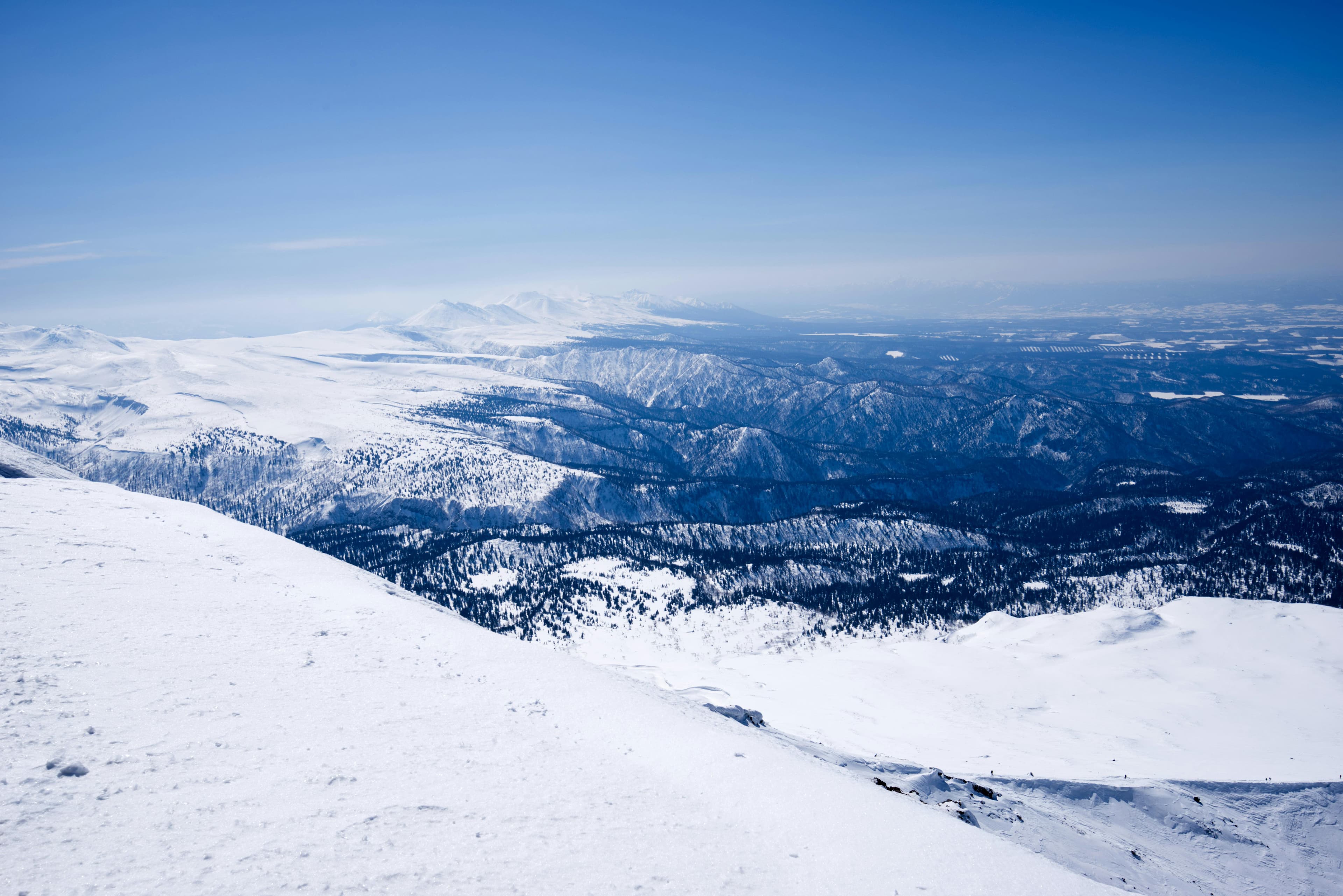
For every 1,000 meters of elevation, peak timing shifts 2-3 weeks earlier. This is why Daisetsuzan peaks in late September while Sapporo—at the same latitude but at sea level—peaks in late October. The same pattern applies everywhere: mountains turn before cities, even if they're only an hour apart.
How to track shifting forecasts:
The Japan Weather Association releases koyo forecasts starting in September, with updates as the season approaches. These forecasts adjust based on actual temperatures and weather patterns. Live webcams at popular viewing spots show real-time conditions. Check forecasts 2-3 weeks before your trip to see if timing is tracking early or late for your target region.
Choosing Your Region: What Actually Matters
Most travelers face a version of the same problem: limited time in Japan, inflexible travel dates, and multiple regions that could work. Here's how to decide.
If you're visiting Tokyo November 10-17:
Your best options are Tokyo proper, Hakone, or Nikko—all accessible as day trips. Tokyo city parks will be approaching peak. Hakone and Nikko will likely be at or past peak. This is the easiest scenario logistics-wise.
If you want peak colors plus cultural depth:
Kyoto is the default choice, but you'll deal with the highest crowds in Japan during peak season. Famous temples become bottlenecks. Train stations and buses are overwhelmed. The trade-off: unmatched combination of fall colors and historic architecture.
If you have one week in Japan in late October:
Hokkaido or Tohoku. Late October is past peak in these regions, but scenery is more dramatic than what you'll find further south. Fewer international tourists. Logistics are more complex—expect domestic flights or long train journeys.
If you want to avoid crowds:
Tohoku, Kamikochi, or late-season Kyushu. These regions see fewer visitors than Kyoto or Tokyo. Kamikochi requires the most planning (closed to private cars, bus-only access). Kyushu in early December is past peak but still has color at lower elevations.
Accessibility hierarchy:
| Level | Destinations | Characteristics |
|---|---|---|
| Easy | Tokyo, Kyoto, Osaka | Major cities with English signage, frequent trains, extensive infrastructure |
| Moderate | Hakone, Nikko, Nara | Popular day-trip destinations with good transport but can get crowded |
| Complex | Hokkaido, Tohoku | Require domestic flights or multi-hour train journeys; limited English in some areas |
| Challenging | Kamikochi, remote mountains | Restricted vehicle access, seasonal closures, weather-dependent |
Kyoto's Timing Problem (And How to Work Around It)
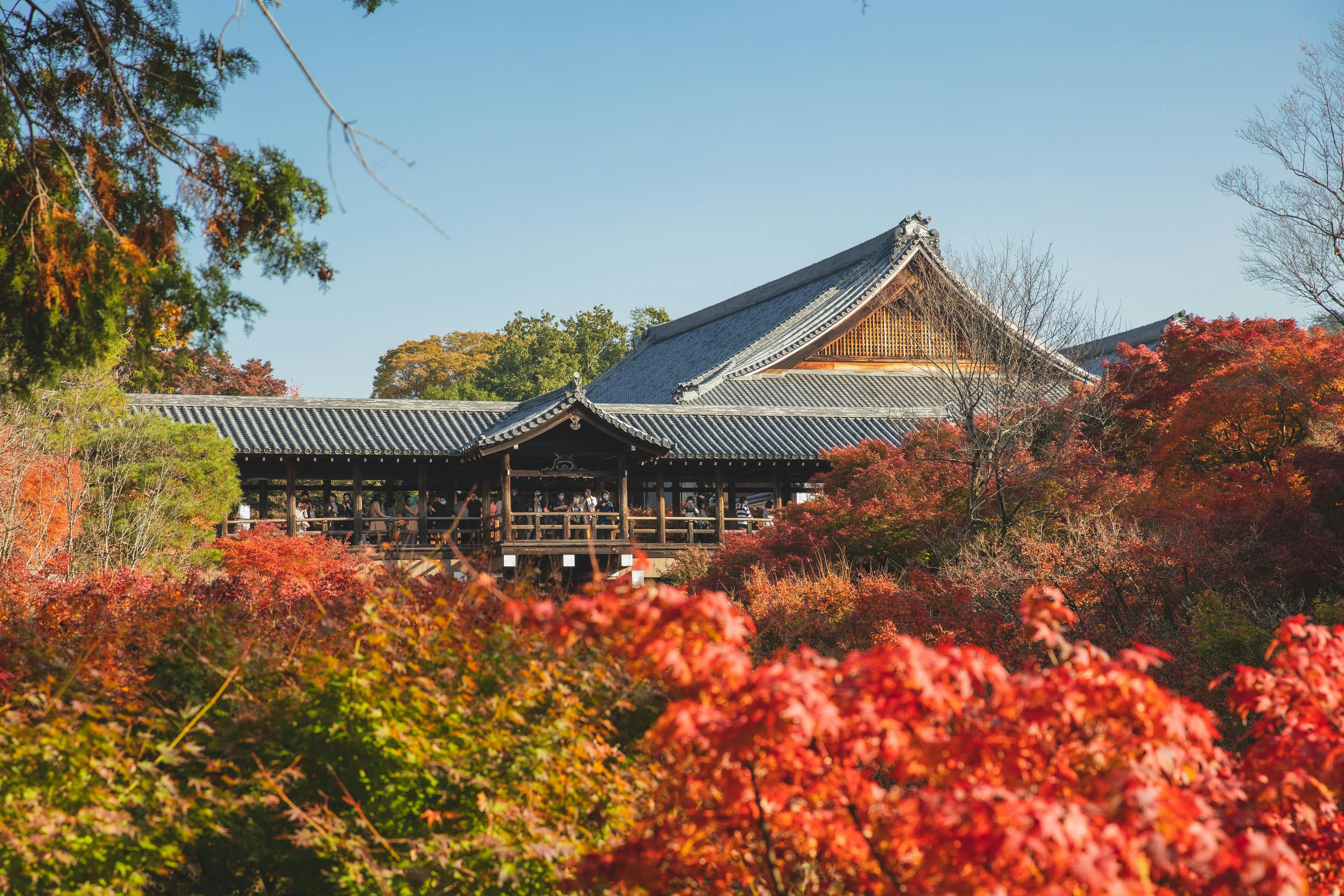
Kyoto's fall foliage typically peaks in the third and fourth weeks of November (roughly November 20-30), but this can shift by a week in either direction depending on autumn temperatures.
During peak, Kyoto becomes the most crowded destination in Japan. Famous temples like Tofuku-ji, Eikando, and Kiyomizu-dera can have hour-long waits just to enter. Arashiyama's bamboo grove and maple corridors are shoulder-to-shoulder. Kyoto Station and city buses are overwhelmed with both domestic and international visitors.
Strategies to manage Kyoto's peak crowds:
| Strategy | How It Helps | Trade-off |
|---|---|---|
| Visit before 8am | Most temples open 6-7am; first 1-2 hours significantly less crowded | Early wake-up required; limited breakfast options |
| Evening illuminations | Temples like Eikando and Kodai-ji open after dark with special lighting | Separate tickets required; different atmosphere than daylight |
| Less-famous temples | Bishamon-do, Jojakkoji, Shisen-do see a fraction of the crowds | Less iconic, but still excellent fall colors |
| Off-peak timing | Visit early November (before peak) or early December (after peak) | Colors not as vibrant; may miss peak entirely |
Transportation reality:
Kyoto Station is a major bottleneck during peak foliage season. City buses fill to capacity. Transfers take longer than usual. Taxis are hard to find. If you're unfamiliar with the station layout or bus system, navigation adds significant friction.
Tokyo and Accessible Day Trips
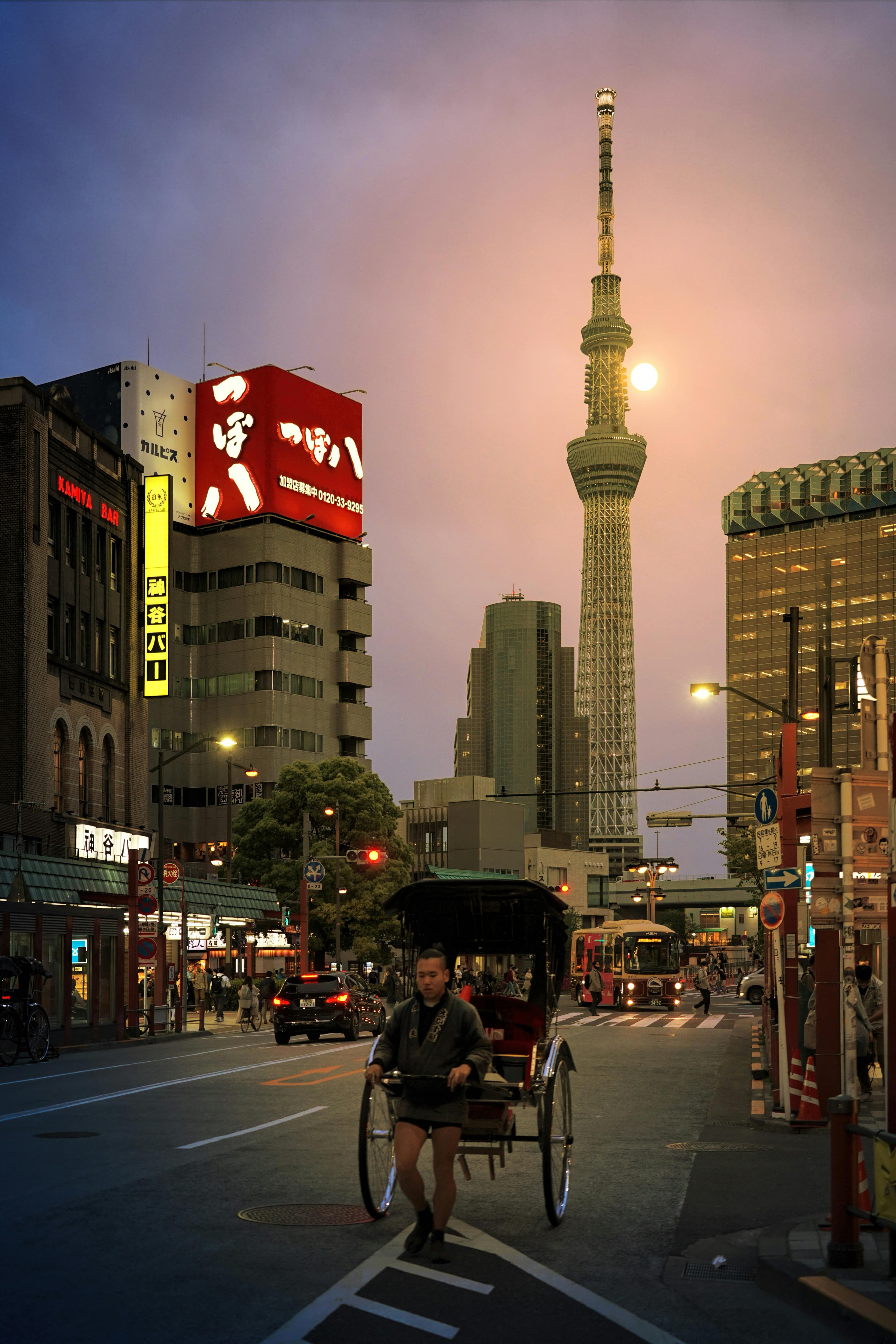
Tokyo's city parks typically peak in mid to late November. For comprehensive Tokyo planning, see our Tokyo travel guide. The most popular fall foliage viewing spots:
| Park/Garden | Style | Key Features | Peak Timing |
|---|---|---|---|
| Shinjuku Gyoen | Japanese, English, and French gardens | Extensive maple groves, wide lawns | Mid to late November |
| Rikugien | Traditional Edo-period garden | Evening illuminations, pond reflections | Mid to late November |
| Koishikawa Korakuen | Historical garden | One of Tokyo's oldest gardens | Mid to late November |
| Meiji Jingu Gaien | Tree-lined avenue | Famous ginkgo avenue (icho namiki), golden corridor | Mid to late November |
Day trips from Tokyo:
The three most accessible fall foliage destinations are detailed in our day trips from Tokyo guide. Here's what you need to know for fall foliage specifically:
| Destination | Travel Time | Train Line | Peak Timing | Navigation Complexity |
|---|---|---|---|---|
| Hakone | 1.5-2 hours | Odakyu Romance Car (Shinjuku to Hakone-Yumoto, 85 min) or regular trains (2 hours, transfer at Odawara) | Early to mid-November | Straightforward from Shinjuku, but station can be overwhelming during rush hour |
| Nikko | About 2 hours | Tobu Nikko Line (Asakusa to Tobu-Nikko) or JR via Utsunomiya (one transfer) | Early to mid-November | Asakusa easier than Shinjuku; Tobu Line not covered by JR Pass |
| Mount Takao | 50-60 minutes | Keio Line (Shinjuku to Takaosanguchi, 50 min express) | Early to mid-November (earlier than city parks) | Most straightforward of the three |
What "easy" actually means:
Tokyo's train system is extensive but crowded during peak hours (7:30-9:30am, 5:00-8:00pm). Stations like Shinjuku have multiple levels, numerous exits, and limited English signage in some areas. For first-time visitors, understanding Tokyo's navigation patterns helps reduce stress. Transfers during rush hour with luggage are stressful. If you're unfamiliar with the system and traveling during peak foliage season (which overlaps with peak commute times), navigation takes longer than Google Maps suggests.
The trade-off: Tokyo-area destinations are convenient but less dramatic than remote mountain regions. You're prioritizing accessibility over scenery intensity. For travelers who want to experience Nikko or Hakone's fall colors without navigation stress, guided day experiences from Tokyo handle logistics while adding cultural context to the scenery.
Remote Destinations: The Logistics Tax
Hokkaido, Tohoku, and Kamikochi offer Japan's most dramatic fall foliage, but they come with a significant logistics burden:
| Destination | Access Route | Travel Time from Tokyo | Peak Timing | Key Challenges |
|---|---|---|---|---|
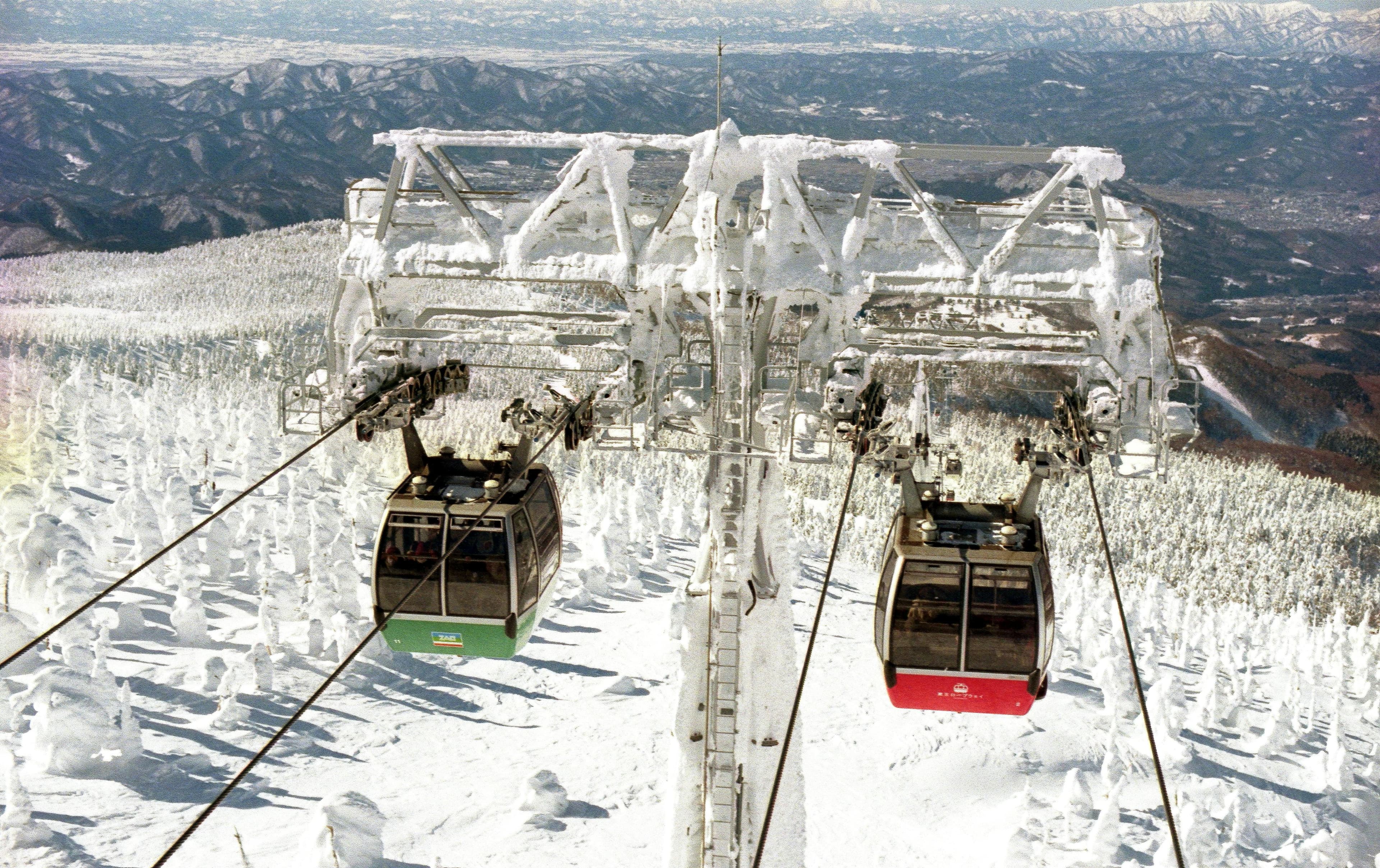
| Daisetsuzan (Hokkaido) | Flight to Sapporo → Train to Asahikawa → Bus to ropeway | 3.5-4 hours + flight | Late Sept to early Oct | Domestic flight ¥10,000-30,000; requires overnight stays |
| Jozankei Onsen (Hokkaido) | Flight to Sapporo → Car or bus | 2-3 hours + flight | Mid-October | More accessible than Daisetsuzan but still requires flight |
| Lake Towada/Oirase (Tohoku) | Train to Hachinohe → Bus (2.5-3 hours) | 5-6 hours total | Late Oct to early Nov | Limited bus frequency; seasonal schedules; limited English |
| Kamikochi (Alps) | Train to designated parking → Shuttle bus only | 4-5 hours | Early to mid-October | Private cars prohibited; closes mid-November; weather-dependent |
If you're planning a 7-10 day trip to Japan and want to include one of these destinations, you're allocating 3-4 days when you factor in travel time and overnight stays. That's 30-40% of your trip for one region.
Cost comparison:
A round-trip to Hokkaido from Tokyo costs ¥20,000-60,000 in flights alone, plus accommodation. You can visit Kyoto, Nikko, and Hakone from Tokyo using regional rail passes for less than that. For broader budgeting context, see our Japan travel costs guide.
The trade-off is clear: remote destinations offer the most dramatic scenery and fewest crowds, but they require the most time, money, and planning tolerance.
Common Mistakes (And How to Avoid Them)
| Mistake | Why It Happens | Better Approach |
|---|---|---|
| Booking rigid dates 6+ months out | Fall foliage timing can shift by 1-2 weeks based on autumn temperatures | Book refundable rates when possible; finalize dates 3-4 weeks before trip when forecasts are accurate |
| Underestimating national holidays | Culture Day (Nov 3) and Labor Thanksgiving (Nov 23) trigger domestic travel surges | Avoid traveling on holidays and surrounding weekends when possible |
| Assuming "Kyoto in November" is enough | Kyoto peaks in third-fourth week; early November = minimal color, early December = many trees bare | Track Kyoto-specific forecasts starting early November; difference between Nov 10 and Nov 25 is significant |
| Not booking accommodation early | Kyoto, Nikko, Hakone see major price increases 4-6 weeks before forecast peak | Book 2-3 months ahead for flexibility, then finalize based on forecast updates |
| Planning Kamikochi/Daisetsuzan without checking closures | Kamikochi closes mid-November; mountain ropeways have seasonal schedules | Check official sites for seasonal closures and operating schedules before booking |
Transportation Passes and Planning Tools
Rail pass options:
| Pass | Price | Duration | Coverage | Best For |
|---|---|---|---|---|
| JR Pass (7-day) | ¥50,000 | 7 consecutive days | All JR lines nationwide (except some Nozomi/Mizuho) | Multiple long-distance Shinkansen trips (e.g., Tokyo-Kyoto round-trip + additional travel) |
| JR East Nagano Niigata | ¥27,000 | 5 consecutive days | Tokyo, Nagano, Niigata, Nikko (includes Tobu lines) | Eastern Japan focus, day trips from Tokyo, Nikko access |
| JR East Tohoku | ¥30,000 | 5 consecutive days | Tokyo, Tohoku region (Sendai, Aomori, Akita) | Northern Japan exploration, Tohoku fall foliage |
The JR Pass increased significantly in October 2023 (from ¥29,650 to ¥50,000). It's no longer a default money-saver for short trips. Our JR Pass guide covers detailed cost comparisons.
IC Cards (Suica/Pasmo):
Rechargeable smart cards that work on all trains, subways, and buses in the Tokyo area. Essential for local travel. Not necessary for long-distance journeys.
Specific routes:
-
Tokyo to Nikko: Tobu Nikko Line (not covered by JR Pass) or JR via Utsunomiya (covered by JR Pass)
-
Tokyo to Hakone: Odakyu Romance Car (not covered by JR Pass) or JR Shinkansen to Odawara then local train
-
Tokyo to Kyoto: Shinkansen (covered by JR Pass)
When passes don't make sense:
If you're staying in Tokyo and only making 1-2 day trips, buying individual tickets is cheaper than a ¥50,000 JR Pass. Calculate your actual route costs first.
Booking tools:
-
JR East website for pass purchases and seat reservations
-
Hyperdia for route planning (shows all options including private railways)
Reserve seats during peak season:
Trains to Kyoto in late November and Nikko in early November fill up quickly. Reserve seats as soon as your dates are confirmed.
Accommodation Strategy for Peak Season
Peak fall foliage season means the highest accommodation prices of the year in Kyoto, Nikko, and Hakone. Prices can be 150-200% of normal rates.
Booking timeline:
Book 2-3 months ahead to secure availability. Finalize or adjust reservations 3-4 weeks before travel based on forecast updates. This approach balances flexibility with availability. Our booking platform guide covers where to find the best rates and cancellation policies.
Alternative strategies:
-
Stay in Tokyo, day-trip to Nikko/Hakone: Avoids peak pricing in those areas. Tokyo accommodation prices are more stable.
-
Stay in Osaka, day-trip to Kyoto: Osaka is 30-45 minutes from Kyoto by train. Accommodation is cheaper and more available.
-
Book refundable rates: Gives you flexibility to adjust if forecasts shift.
Where to base yourself:
| Location | Why It Works | Best For |
|---|---|---|
| Near Kyoto Station | Central hub for trains and buses; easy access to all temples | Kyoto-focused trips; first-time visitors |
| Hakone Yumoto | Onsen (hot spring) access; transportation hub for Hakone area | Multi-day Hakone stays; relaxation focus |
| Sapporo | Base for Hokkaido exploration including Daisetsuzan | Northern Japan trips; Hokkaido fall foliage |
| Tokyo (for day trips) | Stable accommodation prices; easy access to Nikko/Hakone | Avoiding peak pricing in day-trip destinations |
| Osaka (for Kyoto access) | 30-45 minutes to Kyoto by train; cheaper and more available | Kyoto visits during peak pricing period |
If You Miss Peak (Alternative Timing)
If your dates don't align with peak timing, here are your options:
| Timing Window | What's Happening | Strategy |
|---|---|---|
| Early November | Hokkaido/Tohoku past peak; Tokyo/Kyoto not started yet | Focus on Tokyo; plan day trips to Mount Takao (peaks earlier); awkward gap week |
| Early December | Kyoto past peak; Kyushu/low elevations still have color | Southern Japan focus; temple ginkgo trees in Tokyo often hold leaves into early December |
| Off-peak generally | Colors present but not vibrant; some trees bare, others green | Shift focus to food, culture, history; foliage becomes bonus not primary goal |
Japan remains worthwhile outside peak foliage season. The country doesn't close when the leaves fall. Whether you catch peak foliage or not, experiencing Tokyo with a guide who can explain cultural context—from temple rituals to neighborhood history—ensures your visit is meaningful beyond the season.