Recommended Tours
Tokyo Essentials Tour: A Sensory Journey
Recommended Tours
One Day, Infinite Tokyo Custom Private Tour
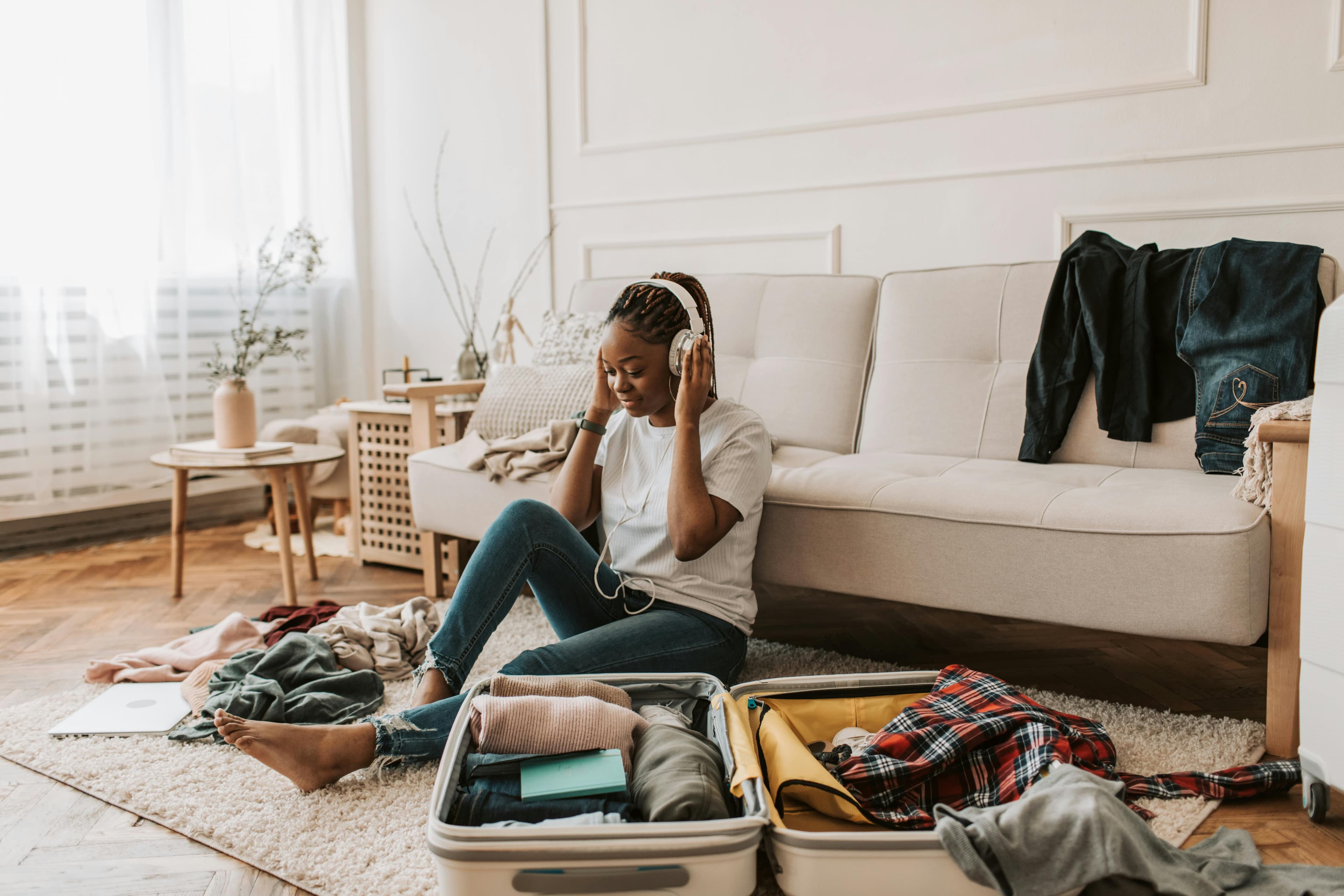
Planning a journey to Japan? This essential checklist covers everything you need to pack—from documents and clothing to etiquette and electronics—so you can travel with confidence and ease.
A clear, comprehensive Japan travel checklist to help you pack smart, avoid surprises, and enjoy a seamless first-time visit.
Planning a Japan trip requires more than throwing clothes in a suitcase. This guide covers entry documents, connectivity options, seasonal clothing, and cultural preparation so you arrive ready for Japan's unique logistics.
Essential Documents & Entry Requirements
Your passport needs at least 6 months of remaining validity at entry. Check this before booking flights—Japan's immigration system flags passports with less than 6 months remaining.
| Document | Required? | What You Need to Know |
|---|---|---|
| Passport | Mandatory | Must be valid 6+ months beyond entry date |
| Visa | Depends on nationality | Check visa requirements. Many countries get 90-day visa waiver. |
| Flight confirmation | Mandatory | Return or onward ticket required to enter Japan |
| Accommodation details | Required for landing card | First night address sufficient |
| Travel insurance | Strongly recommended | Medical costs are steep. Bring both digital and printed copies. |
| JR Pass voucher | If pre-purchased | Exchange for actual Japan Rail Pass at JR office after arrival |
Visit Japan Web: This online system lets you complete immigration and customs procedures before arrival. It's optional but highly recommended—most airlines no longer distribute paper forms, and the QR code system moves you through airport processing significantly faster. Register at least a day before departure.
Travel insurance isn't optional. Medical care costs are steep for visitors, and evacuation can exceed $50,000. Insurance also covers trip cancellations and lost baggage.
Connectivity Strategy: Staying Connected in Japan
You need connectivity in Japan. Google Maps, translation tools, and transit apps are essential for navigation. Three options exist: eSIM, physical SIM card, or pocket WiFi—each with different setup complexity and cost curves depending on trip length.
Choose based on your situation:
| Option | Best For | Cost (7 days) | Setup | Data | Key Advantage | Key Disadvantage |
|---|---|---|---|---|---|---|
| eSIM | Solo travelers, modern phones | ¥1,500-¥3,500 | Instant QR code activation | 3-20GB, some unlimited with throttling | No physical pickup/return | Phone must be unlocked & eSIM-compatible |
| Physical SIM | Older smartphones | ¥2,000-¥4,000 | Remove home SIM, insert Japan SIM | 3-20GB | Works on older devices | Risk losing home SIM card |
| Pocket WiFi | Families, groups, multiple devices | ¥4,000-¥8,500 | Turn on & connect via WiFi | Unlimited (no daily caps) | Connects 5-10 devices | Extra device to carry/charge, airport return required |
Check if your phone is unlocked before choosing SIM or eSIM. Pocket WiFi works regardless of lock status.
The Cash Reality: How Japan Still Runs on Yen
Japan isn't cashless. Despite modernization, cash remains essential for daily activities.
| Payment Type | Where It Works | Why |
|---|---|---|
| Cash only | Small restaurants, izakayas, temples/shrines, local shops, street vendors, some taxis, traditional accommodations | Systems too small for card processing, or prefer cash tradition |
| Cards accepted | Major hotels, department stores, chain restaurants (McDonald's, Starbucks), convenience stores | Modern POS systems, corporate infrastructure |
| IC cards (Suica/PASMO) | Trains, vending machines, convenience stores, some taxis | Prepaid rechargeable cards—not credit cards, loaded with cash |
Getting cash: Convenience store ATMs accept foreign cards 24/7. Most reliable option.
ATM fees:
| ATM Location | Fee per Transaction |
|---|---|
| 7-Eleven/Seven Bank | ¥0 (Mastercard) / ¥110-¥220 (Visa) |
| Japan Post/FamilyMart | ¥110-¥220 |
| Lawson | ¥110 |
Your home bank may charge additional international withdrawal fees.
Daily cash needs by travel style:
| Travel Style | Daily Cash Amount | What It Covers |
|---|---|---|
| Budget | ¥5,000-¥8,000 | Ramen meals, convenience store food, local restaurants, temple admissions, basic transportation top-ups |
| Mid-range | ¥10,000-¥15,000 | Sit-down restaurant meals, izakaya dinners, taxis, shopping, attraction tickets, guided experiences |
| Comfort | ¥20,000+ | Multiple restaurants daily, frequent taxis, premium experiences, impulse shopping, cushion for emergencies |
IC cards (Suica/PASMO): Load these rechargeable cards with cash for trains, vending machines, and convenience store purchases. Not a replacement for cash, but reduces how often you need bills.
Exchange currency before arriving or at the airport. Bring small denominations—many places struggle to break ¥10,000 notes.
Seasonal Clothing: What Japan's Weather Actually Requires
Japan's weather extremes demand strategic packing. Temperature isn't the only factor—humidity and indoor/outdoor gaps matter more.
| Season | Temperature | Key Challenge | What to Pack |
|---|---|---|---|
| Spring (Mar-May) | 10-25°C | Morning/afternoon temp swings, increasing rain | Light jacket, long sleeves, compact umbrella, walking shoes |
| Summer (Jun-Aug) | 22-32°C | 70-80% humidity, rainy season (early Jun-mid Jul), indoor AC blasts | Lightweight breathable clothes, sunhat, sunscreen, umbrella, extra shirts, bug spray |
| Autumn (Sep-Nov) | 10-26°C | Typhoon season (Sep peak), cooling temperatures | Light sweater/fleece, windbreaker, scarf, umbrella |
| Winter (Dec-Feb) | 2-12°C (Tokyo) | Regional extremes (Hokkaido freezing, Okinawa warm), heated indoors | Warm coat, heat-tech layers, gloves, beanie (for Tokyo; check destination) |
Summer humidity is the real challenge—70-80% makes 28°C feel oppressive. After the rainy season (June 7-July 19 in Tokyo), extreme heat continues through August. Indoor spaces blast AC, creating 10°C+ temperature swings between outside and inside.
Summer packing is tactical, not just about clothing. The summer in Japan guide covers cooling tools locals actually use (portable fans, gel sheets, UV umbrellas), regional escape options, and how to structure days around heat avoidance.
Regional differences are extreme in winter: Tokyo stays mild (2-12°C), Hokkaido drops below freezing with heavy snow, Okinawa remains warm (15-20°C). Check your specific destination.
Footwear matters: Expect 15,000-20,000 steps daily. Comfort trumps style. Bring slip-on shoes—temples, traditional restaurants, and some accommodations require shoe removal. Lace-up shoes become tedious when visiting multiple temples.
Electronics & Power: What Works in Japan
Japan uses 100V electricity with Type A/B plugs (same as US, different from Europe/UK/Australia).
What you need: Modern devices (phones, laptops, tablets) handle 100V automatically—check your charger's label for "100-240V" input range.
Older devices (hair dryers, curling irons) may not support 100V and could malfunction or overheat.
Plug adapter requirements by region:
| Your Region | Japan Uses | Adapter Needed? | Notes |
|---|---|---|---|
| US/Canada/Taiwan | Type A/B (same as yours) | No | Plugs fit directly |
| Europe | Type A/B | Yes | Bring Type C/E/F → Type A/B adapter |
| UK/Ireland | Type A/B | Yes | Bring Type G → Type A/B adapter |
| Australia/New Zealand | Type A/B | Yes | Bring Type I → Type A/B adapter |
| Universal | Type A/B | Works but unnecessary | Single-country adapters are cheaper/smaller |
Portable battery: Essential. Public charging stations barely exist in Japan. Long days of walking, navigation, photos, and translation drain batteries fast. Bring a 10,000mAh+ portable battery.
Hotels and cafes provide USB charging ports if you forget adapters.
Prohibited & Restricted Items: What Customs Will Take
Japan customs enforces strict import rules. Violations result in confiscation, fines, or entry denial.
| Item Category | Specific Examples | Consequence if Found |
|---|---|---|
| Meat products | Raw meat, cooked meat, jerky, sausages, canned meat | Immediate confiscation, possible fine |
| Fresh produce | Fruits, vegetables, plants, seeds | Immediate confiscation |
| Prohibited medications | Pseudoephedrine (Sudafed, Actifed), amphetamines (Adderall, Vyvanse), codeine (above limits), all cannabis/CBD | Confiscation + possible arrest + entry denial |
| Counterfeit goods | Fake designer items, pirated media | Confiscation, fines up to ¥10,000,000, possible prosecution |
| Endangered species products | Ivory, certain leather goods, protected wildlife items | Confiscation, heavy fines, criminal penalties |
Critical medication note: Valid prescriptions don't matter in Japan. If a medication is prohibited, customs will confiscate it and you risk arrest. Check Japan Customs website before packing any prescription medication.
Medication quantity limits:
| Medication Type | Maximum Quantity Allowed | Import Certificate Required? |
|---|---|---|
| Prescription medications | 1 month supply | No (within limit) |
| Over-the-counter medications | 2 months supply | No (within limit) |
| Vitamins/supplements | 4 months supply | No (within limit) |
Exceeding these limits requires a Yunyu Kakunin-sho (import certificate) obtained 2-5 weeks in advance from Japanese health authorities.
Bring medications in original packaging with prescriptions or doctor's letters in English.
Duty-free limits:
| Item | Non-Residents | Residents | Age Restriction |
|---|---|---|---|
| Alcohol | 3 bottles (760ml each) | 3 bottles (760ml each) | 20+ only |
| Tobacco | 400 cigarettes OR 100 cigars OR 500g tobaccoPLUS 200 Japanese cigarettes | 200 cigarettes OR 50 cigars OR 250g tobaccoPLUS 200 Japanese cigarettes | 20+ only |
| Other goods | ¥200,000 total market value | ¥200,000 total market value | All ages |
Declare items exceeding these limits on your customs form. Failure to declare results in penalties.
Essential Apps & Digital Tools
Download these before departure—airport WiFi is crowded and slow.
| Category | App | Key Feature | Why You Need It |
|---|---|---|---|
| Navigation | Google Maps | Download offline maps, real-time transit directions with platforms | Essential for getting anywhere |
| NAVITIME or Japan Official Travel App | Japan-specific transit schedules | Backup when Google Maps fails | |
| Translation | Google Translate | Camera feature scans menus/signs in real-time | Menu reading, sign translation |
| Offline phrasebook (printed card) | Basic phrases without internet | Backup when connectivity fails | |
| Communication | LINE | Japan's dominant messaging app | Some businesses only communicate via LINE |
| Utilities | Currency converter (XE) | Real-time exchange rates | Track spending in home currency |
| Safety Tips Japan | Emergency alerts, disaster info | Critical for earthquakes/typhoons | |
| Optional | Tabelog | Restaurant discovery | For advanced travelers who read Japanese |
Even with all these tools downloaded, first-time visitors often find Tokyo's transit system overwhelming. Station signs, platform changes, and rush hour navigation create decision fatigue. Some travelers prefer to experience Tokyo without the navigation burden, letting a guide handle logistics while they focus on experiencing the city.
Cultural Preparation: Etiquette That Actually Matters
Certain behaviors cause real problems or embarrassment in Japan. These aren't optional cultural niceties.
Tipping: Don't tip. Ever. Tipping in Japan offends service workers and suggests their wages are insufficient. Servers will chase you down to return "forgotten" money. This includes restaurants, taxis, hotels, and guides.
| Situation | Rule | Why It Matters |
|---|---|---|
| Trains (local) | Stay quiet. No phone calls. Whisper conversations. Priority seating for elderly/pregnant/disabled only. | Noise = social violation. Will get stares/confrontation. |
| Trains (eating) | No food/drink except water on local trains. Shinkansen allows eating. | Local trains are commuter spaces. Food smells = rude. |
| Escalators | Stand left (Tokyo), stand right (Osaka/Kansai) | Blocking the walking side causes congestion. |
| Shoe removal | Remove at temples, ryokan, traditional restaurants, homes. Look for genkan (entrance shoe racks). | Wearing outdoor shoes inside = extreme disrespect. |
| Queueing | Never cut lines. Never crowd forward. Wait your turn. | Line cutting = aggressive social violation. |
| Eating while walking | Generally frowned upon. OK at festivals, tourist areas (Asakusa), some shopping streets. When unsure, stop to eat. | Residential areas/trains = not acceptable. Can draw confrontation. |
| Trash disposal | Carry trash until you find bins (convenience stores have them outside). | Public bins barely exist. Littering = serious offense. |
| Onsen | Most ban tattoos (some allow small ones with patches). Wash before entering. Never put towel in water. Never bring soap to soaking area. | Tattoos = yakuza association. Not washing first = contaminating bath. |
| Chopsticks | Never stick upright in rice (funeral symbolism). Never pass food chopstick-to-chopstick (funeral ritual). Rest on holder/plate edge. | Death symbolism = extremely offensive. |
Even with preparation, navigating cultural expectations in real-time can feel stressful. Many first-time visitors find that a private guide provides real-time cultural context that makes cultural differences feel manageable rather than intimidating.
What to Leave Home: Leveraging Japan's Infrastructure
Japan provides many items better than you can pack them.
| Item Category | What Japan Provides | What You Should Bring |
|---|---|---|
| Toiletries | Shampoo, conditioner, body wash, toothbrush, toothpaste (most hotels) | Prescription medications (full supply), preferred brands, specialty items |
| Laundry | Coin laundry (¥300-¥500/load), many hotels have machines | Nothing—wash as you go |
| Water/drinks | Vending machines everywhere | Nothing—don't carry bottles all day |
| Umbrellas | ¥500 at any convenience store | Optional—easy to buy if forgotten |
| Basic needs | 24/7 convenience stores (toiletries, snacks, phone chargers, OTC meds) | Specialty items not available |
| Luggage | Takkyubin and other luggage solutions (¥2,000-¥3,000/bag, next-day) | Small mobile bag for train travel |
Critical exceptions:
-
Prescription medications: Require Japanese doctor in Japan. Bring full supply.
-
OTC medications: Available but different formulations/dosages than Western versions.
-
Accommodation variation: Business hotels and Western chains provide standard amenities. Check ahead for hostels/Airbnbs.
Activity-Specific Packing
Hiking (Mt. Fuji, Kumano Kodo, Day Hikes)
| Item | Why |
|---|---|
| Waterproof hiking boots (broken in) | Trails get muddy and rocky. New boots = blisters. |
| Rain jacket + pants | Mountain weather changes fast. Afternoon rain is common. |
| Layers (not cotton) | Summits are 10-15°C colder than trailheads. Merino or synthetic only. |
| Headlamp | Mt. Fuji sunrise climbs start at night. Essential. |
| Trekking poles | Optional but helpful on steep descents. Can rent at Fuji trailheads. |
| Snacks and water | Mountain huts sell food at premium prices (¥500+ for a bottle). |
Business Trips
| Item | Why |
|---|---|
| Dark suit (navy or charcoal) | Japanese business dress is conservative. Black suits read as funeral attire. |
| Multiple white shirts | Sweat happens, especially summer. One per day minimum. |
| Dress shoes that slip on/off | Building lobbies often require shoe changes. Laces slow you down. |
| Business cards (100+) | Exchanged at every meeting. Running out is embarrassing. |
| Meishi holder | Never put cards in back pocket or write on them. Dedicated case required. |
Temple and Shrine Visits
| Item | Why |
|---|---|
| Slip-on shoes | You'll remove shoes repeatedly. Laces become tedious. |
| Socks without holes | You'll be barefoot or in socks on temple floors. Holes are embarrassing. |
| Modest clothing | Shoulders and knees covered for major temples. Not strictly enforced but respectful. |
| Small bag for shoes | Some temples provide bags; some don't. Carrying your shoes happens. |
| ¥100 and ¥5 coins | Offerings use these denominations. ¥5 (go-en) sounds like "good connection." |
What NOT to Pack
Beyond customs restrictions, these items waste space or cause problems:
| Item | Why to Leave It |
|---|---|
| Full-size toiletries | Hotels provide them. Convenience stores sell everything else cheap. |
| Multiple guidebooks | Phone apps do more. One physical book maximum if you must. |
| Formal evening wear | Japan is casual after work. Even nice restaurants don't require jackets. |
| Bulky towels | Hotels provide them. Travel towels are unnecessary weight. |
| Too many shoes | Two pairs maximum: walking shoes and one other. |
| Laptop (for tourism) | Phone handles everything. Laptops add weight without benefit. |
| "Just in case" clothes | Japan has Uniqlo, convenience stores, and 100-yen shops. Buy if needed. |
| Jewelry/valuables | Japan is safe, but why risk it? Leave expensive items home. |
| International plug converter (if US) | Your plugs fit directly. Everyone else needs adapters, not you. |
| Voltage converter | Modern electronics handle 100V. Check your charger label. |
Luggage Size and Weight Limits
Airlines (International to Japan)
Most airlines flying to Japan follow similar baggage rules, but check your specific carrier.
| Airline | Checked Bag Weight Limit | Checked Bag Size Limit | Carry-On Weight | Carry-On Size |
|---|---|---|---|---|
| JAL | 23 kg (50 lbs) per bag | 203 cm total dimensions | 10 kg (22 lbs) | 55×40×25 cm |
| ANA | 23 kg (50 lbs) per bag | 158 cm total dimensions | 10 kg (22 lbs) | 55×40×25 cm |
| US carriers | Typically 23 kg (50 lbs) | Typically 158 cm | Varies | Varies |
| European carriers | Typically 23 kg (50 lbs) | Typically 158 cm | Often 7-10 kg | Varies |
Notes:
- Number of free checked bags depends on your ticket class and route—check your booking
- Overweight bags (23-32 kg) incur fees of ¥6,000-¥10,000+ per bag
- Sports equipment (skis, golf bags) often allowed up to 32 kg on JAL
- JAL enforces the 23 kg limit strictly at check-in
Shinkansen (Bullet Trains)
The shinkansen has specific luggage rules that catch travelers off guard.
| Bag Size (Total Dimensions) | Rule | What to Do |
|---|---|---|
| Under 160 cm | No reservation needed | Store in overhead rack, behind seat, or at your feet |
| 160-250 cm | Must reserve "Seat with Oversized Baggage Area" | Book when purchasing ticket (no extra charge for baggage) |
| Over 250 cm or 60 kg | Not permitted | Use luggage forwarding service |
How to measure: Add length + width + height. A typical large suitcase (75×50×30 cm = 155 cm) fits under the limit. Extra-large suitcases (80×55×35 cm = 170 cm) require the oversized baggage reservation.
If you forget to reserve: ¥1,000 fee charged on board, and you must store in designated area if space available. During peak travel, you may be refused boarding.
Exempt items: Sports equipment (skis, surfboards), musical instruments, and wheelchairs don't require reservation even if over 160 cm—but must stay under 250 cm/60 kg.
Local Trains and Buses
| Transport | Practical Limit | Reality |
|---|---|---|
| Local trains | No official limit | Rush hour (7-9am, 5-7pm) with large luggage is miserable. Narrow aisles, packed cars, stairs. |
| Airport express (Narita/Haneda) | Designed for luggage | Dedicated luggage areas. No issues with large bags. |
| Highway buses | Usually 1 large bag + 1 carry-on | Cargo hold for large bags. Keep valuables with you. |
| City buses | Not luggage-friendly | Avoid with anything larger than a daypack. |
The Japan Solution: Luggage Forwarding
Large luggage and Japan's trains don't mix well. The local solution: Takkyubin (luggage forwarding).
- Cost: ¥2,000-3,000 per bag
- Speed: Next-day delivery between most destinations
- How: Drop off at hotel front desk, convenience store, or train station counter
- Services: Yamato (black cat logo), Sagawa, Japan Post
Send your large bag from Tokyo hotel to Kyoto hotel. Travel with just a daypack. Bag arrives next day. This is how Japanese travelers manage—and why you see so few people wrestling suitcases through train stations.
For detailed storage options, see our Tokyo luggage storage guide.
Common Packing Mistakes & Japan-Specific Constraints
| Mistake | Why It's a Problem | Consequence |
|---|---|---|
| Over-packing | Hotel rooms are 10-15m², train luggage storage limited | Suitcase won't fit in room, train travel becomes burden |
| Large wheeled suitcase | Train stations have stairs without elevators, narrow escalators, rush hour crowds | Physical struggle, delays, frustrated locals |
| No bag for shoes | Temples require removing/carrying shoes | Awkward carrying or damaged shoes |
| Only ¥10,000 notes | Small shops and vending machines can't break large bills | Unable to make purchases, declined transactions |
| Wrong regional coat | "Winter" varies: Tokyo (2-12°C) vs Hokkaido (below freezing) vs Okinawa (15-20°C) | Uncomfortable, need emergency purchases |
| Wrong voltage electronics | Older hair tools may not support Japan's 100V | Device malfunction, overheating, ruined appliance |
| No cash backup | Many places don't accept cards | Unable to eat, enter temples, use taxis |
| No portable battery | Public charging doesn't exist, long days drain batteries | Dead phone by afternoon, lost navigation/translation |
Japan rewards preparation, but the preparation itself can feel like work. For travelers who want to experience Japan without extensive planning, private tours handle connectivity, navigation, and cultural context so you arrive with just the essentials.
This guide is published by Hinomaru One, a Tokyo-based private tour operator.