When someone retires after decades of work, they deserve more than a hotel package or a senior bus tour. Here's how to create a day in Tokyo that honors what this moment means.
The market treats retirees as a mobility category. We treat retirement as a life threshold that deserves a day designed around meaning.
When someone retires after decades of work, they deserve more than a hotel package or a senior bus tour. Here's how to create a day in Tokyo that honors what this moment means.
After thirty years at the same company, your mother is finally retiring. You want to give her something more than a card and dinner—something that honors what this moment means. But when you search for "retirement celebration tours," all you find are senior bus trips and hotel champagne packages.
That's because the travel industry treats retirement as a demographic category, not a life milestone. Senior tours optimize for pacing and accessibility. Hotel packages offer champagne and cake. Neither asks the question that actually matters: what does this day represent?
Not a Senior Tour. A Threshold.
The Market's Category Error
Search "senior tours Tokyo" and you'll find pacing guides, accessibility checklists, and group itineraries designed around physical limitations. The assumption is that age defines the experience.
Search "retirement celebration" and you'll find hotel packages—static dinners, champagne in the room, maybe a spa credit. The celebration happens to you; it doesn't unfold through exploration.
Neither frame captures what retirement actually is: the end of one chapter and the beginning of another. A threshold.
What Retirement Actually Deserves
The industry ignores something important: people over 65 actively reject being called "seniors" or "elderly." They don't want to be categorized by age. They want to be recognized for what they've accomplished—and what they're ready to experience next.
A retirement celebration tour isn't about accommodating limitations. It's about honoring a milestone. The pacing matters, yes. But the pacing serves the meaning, not the other way around.
Morning Calm, Midday Meaning, Evening Toast
Why Pacing Matters More Than Packing
The conventional approach to "celebrating" a trip is packing in as many highlights as possible. More temples. More neighborhoods. More photos. The assumption is that value equals volume.
But the data tells a different story: cultural experiences correlate most strongly with traveler satisfaction among older visitors. Passive sightseeing—checking boxes, snapping photos, moving on—correlates poorly. What matters is depth, not density. For more on what makes traditional culture tours resonate.
A celebratory day needs a different shape.
A Shape That Honors the Day
Morning calm: Start at a traditional garden when it opens—Rikugien opens at 9:00 AM, before the crowds arrive. Walk the winding paths around the central pond, built in 1700 for the fifth Tokugawa Shogun. The garden was designed for contemplation, and morning light on the maples sets a reflective tone for the day ahead.
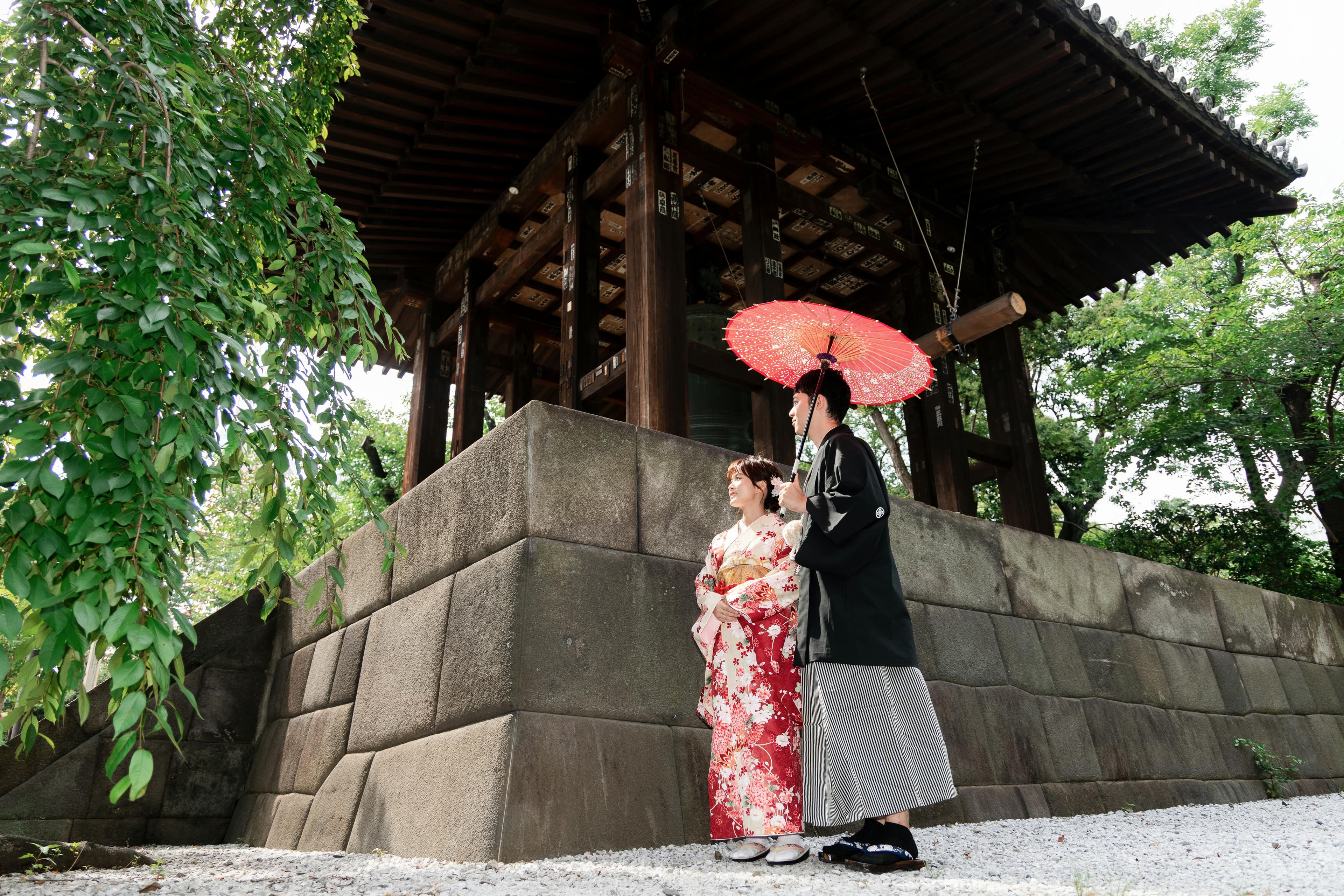
Midday meaning: A cultural experience that engages without exhausting. A temple visit—Nezu Shrine's tunnel of vermilion torii gates, or the hillside approach to Hie Jinja. A craft workshop—Domyo in Ueno has taught kumihimo silk braiding since 1652. A tea ceremony with matcha and seasonal wagashi. The guide shapes this based on what matters to the retiree—what they've always wanted to try, what connects to their interests, what creates a moment worth remembering.
Evening toast: As the day winds down, shift to celebration. The gado-shita under the Yurakucho railway tracks transforms after 5pm—700 meters of tiny izakaya and yakitori joints, red lanterns glowing, salarymen unwinding, smoke rising from the grills. Find a seat at Marugin, where yakitori starts at ¥143 and sake at ¥328. Toast the decades of work that led to this moment.
This isn't a rigid itinerary. It's a shape—morning calm, midday meaning, evening toast—that gives the day structure and intention.
The Gift Is the Design, Not Just the Day
Designing Around Someone Else
If you're booking this tour for your parent, you face a question most travelers don't: how do you design a meaningful day for someone else?
You know your parent better than any questionnaire. You know whether they'd rather wander a garden or explore a market. Whether they'd prefer a quiet temple or a bustling food hall. Whether they'd want the evening toast at a high-end restaurant or a standing bar under the train tracks.
That knowledge is the starting point. The pre-tour consultation translates it into a Tokyo day—but what makes this a gift isn't the logistics. It's the fact that someone took the time to design it around them. More on how customization actually works.
Not just "a tour." A day built for who they are.
When Surprise Works (And When It Doesn't)
Some adult children want to give this as a surprise. Others want to plan it together.
For surprises, gift certificates are available through the concierge (service@hinomaru.one). You purchase the experience without locking in a specific date. When you're ready—or when the retiree is ready—you redeem it and begin the consultation process. See how booking works.
For collaborative planning, the retiree participates in the consultation directly. They share their own interests. The day becomes something they helped shape, which has its own kind of meaning.
Either approach works. The consultation adapts.
If the celebration involves the whole family—grandchildren joining their grandparent for the day—the considerations shift. See our guide to multigenerational Tokyo tours for how to design a day that works across ages.
Why Infinite Tokyo
8 Hours, Not a Checklist
Infinite Tokyo is an 8-hour custom tour. But the 8 hours aren't about cramming in more stops. They're about having space.
Space to linger at the garden if the light is right. Space to sit longer at the tea house. Space to add a stop that wasn't planned because the guide notices something that fits. Space to end early if energy fades, or extend the evening toast if the conversation is good.
Most guided experiences optimize for efficiency. Infinite Tokyo optimizes for flexibility—which is what a celebration day needs. For help choosing the right duration, see our tour duration guide.
Pre-Tour Consultation as Gift Infrastructure
The consultation process makes Infinite Tokyo work for gift-givers:
-
You book the tour. Select a date (or purchase a gift certificate for later redemption).
-
Concierge reaches out within 24-48 hours. Via email or WhatsApp.
-
You share what you know. The retiree's interests, energy level, what they hope to experience, what this moment means.
-
Guide curates the day. Typically 5-6 locations, balanced for pacing and variety.
-
On the day, the guide adapts. Based on real-time energy, weather, and what's working.
For gift-givers, this process is the infrastructure. You're not just handing over a voucher—you're participating in the design.
What $550 Buys for Two
Infinite Tokyo for two people costs $550 total.
| Included | Not Included |
|---|---|
| 8 hours with dedicated guide | Food and drinks |
| Hotel meet-and-greet | Entrance fees (¥300-500; free for 65+ at Shinjuku Gyoen) |
| Transportation coordination | Public transportation costs |
| On-call concierge support | Gratuities |
| Small local gift | |
| Pre-tour consultation |
The guide handles the navigation, the timing, the cultural context, and the adaptation. You—and the retiree—get to be present. Here's what to expect on tour day.
Elevations: When the Day Calls for More
| Option | Cost | Consider If... |
|---|---|---|
| Private car | ¥77,000 (~$520) | Comfort between stops, mobility needs |
| Celebratory dining | ¥20,000-30,000/person | Evening anchor, special occasion |
| Extended hours | Inquire with concierge | Day calls for more |
Private Car for Comfort, Not Limitation
Private car service is available for ¥77,000 (~$520) for the full 8-hour day. A Toyota Alphard or equivalent.
This isn't about mobility accommodation—though it serves that purpose if needed. It's about comfort and pace. Some days call for the quiet of a private vehicle between stops rather than navigating train platforms. Some retirees prefer it.
For most Infinite Tokyo itineraries, public transportation works better. The guide can pivot spontaneously, access pedestrian-only areas, and route through neighborhoods that cars can't reach. But if the day calls for it, the option exists. More on private car vs. walking tours.
Dining as the Evening's Anchor
The evening toast can happen at a standing bar under the Yurakucho tracks—affordable, atmospheric, filled with salarymen finishing their workday. But some celebrations call for more.
Mid-tier omakase runs ¥20,000-30,000 (~$130-200) per person. The guide can recommend restaurants and arrange reservations during the pre-tour consultation. This becomes part of the day's design, not an afterthought.
Dining costs are separate from the tour price. The consultation process covers budget expectations so there are no surprises.
Extended Hours If the Day Asks for Them
Infinite Tokyo runs 8 hours as standard. For celebrations that want more—a longer morning, a later dinner, an extended evening—inquire with the concierge about options.
Tell Us It's a Celebration
How the Guide Honors the Day
When you mention in the consultation that this is a retirement celebration, the guide shapes the day accordingly.
This doesn't mean forced fanfare. No surprise applause. No uncomfortable moments of public attention.
It means the guide understands the context. They choose sites with significance. They pace for savoring rather than rushing. They notice when a moment deserves to breathe.
Meaning Without Fanfare
The guide might suggest a particular bench at the garden with a view worth pausing for. They might recommend a toast at a specific bar that feels right for the occasion. They might slow the pace in the afternoon when energy dips, then pick it back up when the evening calls for it.
The celebration runs through the day's fabric. It doesn't need a speech.
Best Times for Retirement Celebration Tours
Timing matters for celebrations. Some seasons enhance the experience; others add unnecessary friction.
| Season | For Retirees | Celebration Factor | Recommendation |
|---|---|---|---|
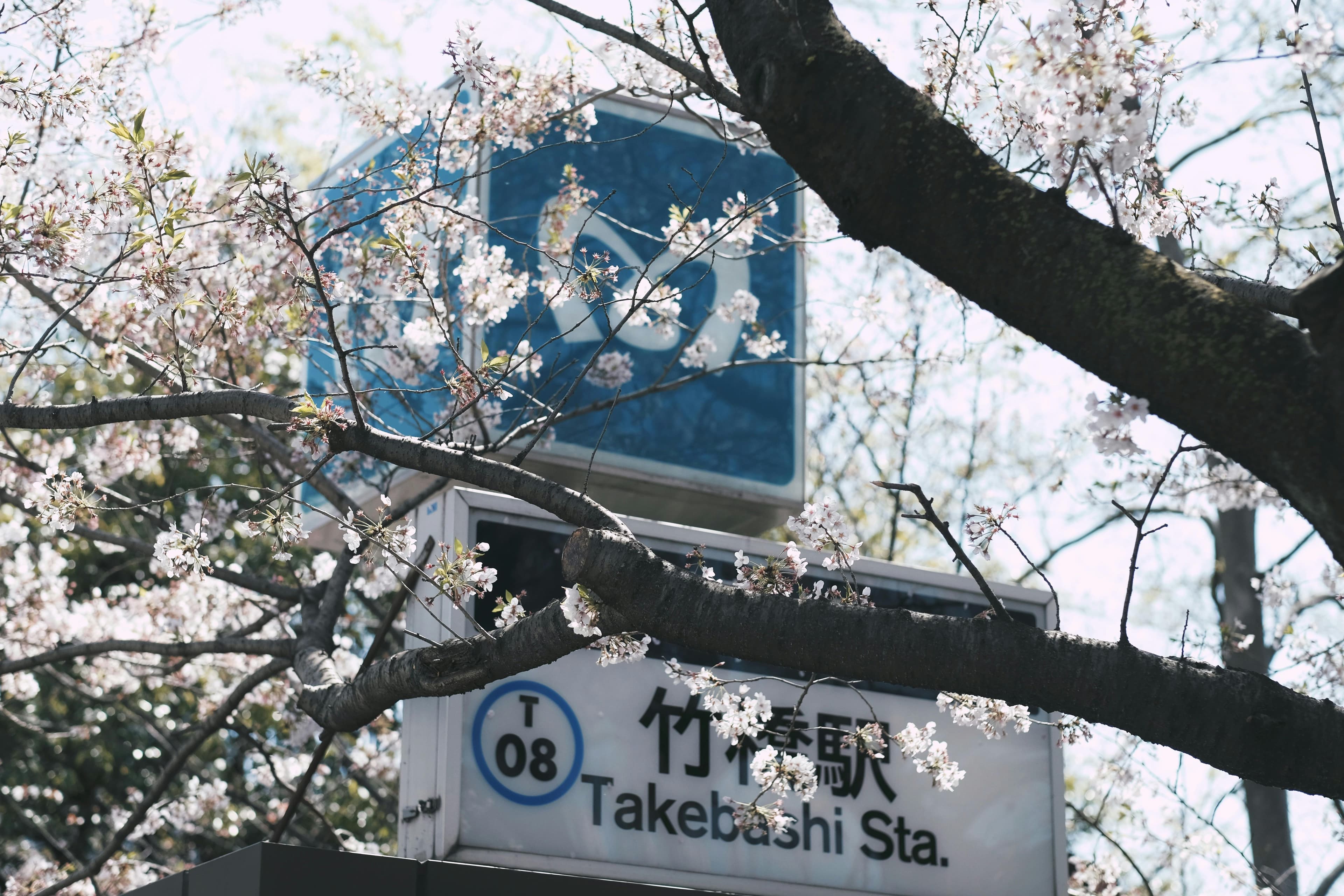
| Cherry blossom (late Mar–early Apr) | Beautiful but crowded. Standing to view trees tires quickly. | Iconic backdrop for photos. Hanami atmosphere feels celebratory. | Good if they love sakura. Book 6 weeks ahead. Guide helps navigate crowds. |
| Golden Week (Apr 29–May 6) | Domestic travel surge. Crowded everywhere. Exhausting pace. | Festive energy but overwhelming. | Avoid. Too hectic for a meaningful celebration. |
| Late spring (May after GW) | Perfect weather. Moderate crowds. Gardens lush. | Comfortable conditions let the celebration breathe. | Excellent. Underrated timing. |
| Summer (Jun–Aug) | Heat and humidity exhaust older travelers faster. | Indoor time increases. Outdoor celebrations challenging. | Avoid unless they're heat-tolerant. If unavoidable, heavy AC breaks. |
| Autumn (Oct–Nov) | Comfortable temperatures. Foliage adds beauty. Pleasant walking. | Gardens at peak beauty. Weather cooperates with outdoor moments. | Ideal. Best season for older travelers. |
| Winter (Dec–Feb) | Cold requires layers. Shorter daylight hours. New Year crowded. | Quieter, more intimate atmosphere. Hot pot dinners feel special. | Good for resilient travelers. January-February quietest. |
The celebration-specific factor: Unlike general tourism, retirement celebrations benefit from seasons where the day can unfold at a relaxed pace. Extreme weather (summer heat, winter cold) shortens comfortable outdoor time and reduces options for meaningful pauses—the bench with the view, the garden stroll, the unhurried toast.
Booking timing: Retirement celebrations often involve coordinating multiple schedules (family members, travel from different locations). Book 4-8 weeks ahead during peak seasons to ensure availability on your specific date.
Practical Footing
Retirement celebration tours accommodate pacing, rest breaks, and elevator-accessible stations. Guides adapt routes based on energy and mobility needs.
For detailed guidance on mobility considerations—wheelchair-accessible routes, station accessibility, pacing for different energy levels—see our guide to private tours for older travelers.
We handle the logistics. The day stays focused on meaning.
Gifting a Retirement Celebration Tour
How Gift Booking Works
If you're booking this for a parent, colleague, or friend:
Step 1: Purchase a gift certificate
- Email service@hinomaru.one or message via chat
- Specify tour type (Infinite Tokyo recommended for celebrations) and duration (8 hours)
- Pay via credit card (Stripe). You'll receive a digital gift certificate.
Step 2: Present the gift
- Certificate includes tour value and instructions for redemption
- No specific date locked in—recipient chooses timing
- Can be presented as physical card (we email printable version) or forwarded digitally
Step 3: Recipient redeems and schedules
- Recipient contacts us with preferred dates
- We check guide availability and confirm
- Pre-tour consultation happens directly with recipient (or you can participate if gifting to parent)
Step 4: Consultation designs the day
- Concierge gathers interests, mobility needs, pace preferences
- Guide receives briefing and prepares personalized itinerary
- Recipient receives tour confirmation with guide intro
Gift certificate validity: 12 months from purchase. Extensions available if travel plans change.
Collaborative option: If you want to design the day yourself (for a parent who doesn't handle logistics), participate in the consultation on their behalf. Share what you know about them—the guide builds around that.
Frequently Asked Questions
Is a private tour a good retirement gift?
Yes, if the recipient values experiences over objects and has interest in Japan. The gift isn't just "a tour"—it's someone handling all logistics so they can be present. For someone who's spent decades planning and managing, having a day designed around them is meaningful.
How do I give a tour as a gift?
Book the tour (or gift certificate) and share the confirmation with them. Include a note explaining what it is. They'll receive pre-tour consultation from the concierge team to design the day around their interests. Gift certificates valid 12 months.
Can I participate in planning if it's a gift?
Yes. If you know the recipient well, you can do the consultation on their behalf. Share their interests, mobility considerations, what they'd enjoy. The guide builds around that information. You can also let them do the consultation themselves—either works.
What if they have mobility limitations?
Share details during consultation: walking tolerance, stair capability, need for rest breaks. Routes adapt to their actual numbers. Wheelchair accessibility, private car options, and modified pacing are all available. The tour shapes around their capabilities.
What makes this different from booking themselves?
Someone else handles everything. They show up; the day unfolds. For someone who's spent a career managing logistics and decisions, having a day designed for them—without any planning burden—is the gift. They get to receive instead of manage.
Ready to Book?
A retirement celebration in Tokyo is a once-in-a-lifetime experience. With a private guide to navigate the language and logistics, every moment can be spent enjoying the journey.