
First-Time Tokyo Visitor Tour
Day 1 confidence that makes Days 2-7 feel informed, not tentative.
Why Choose This Experience
Navigation Literacy in 6 Hours
Learn how to read station maps, use IC cards beyond tap-in-tap-out, and identify which exit leads to which landmark
Cultural Shortcuts That Compound
Payment protocols, escalator etiquette, restaurant operations—small operational details guidebooks miss that shape your entire trip
Decision Frameworks, Not Just Answers
Learn how to choose restaurants, evaluate neighborhoods, and distinguish tourist traps from authentic finds—knowledge that transfers
Compress the Learning Curve
Most first-timers spend Days 1-2 on orientation friction—navigation inefficiency, decision paralysis, problem resolution
First-Time Tokyo Visitor Tour Highlights
What Our Guests Say
"I'd been to Tokyo many times before and still had never seen or heard of most everything he included in our tour. We liked it so much, we immediately booked a second day!"
"It felt like we were touring with a friend who lives in Japan. Rina adapted the tour for our diverse group — kids from 7 to their 20s. Some of our best memories were things she improvised."
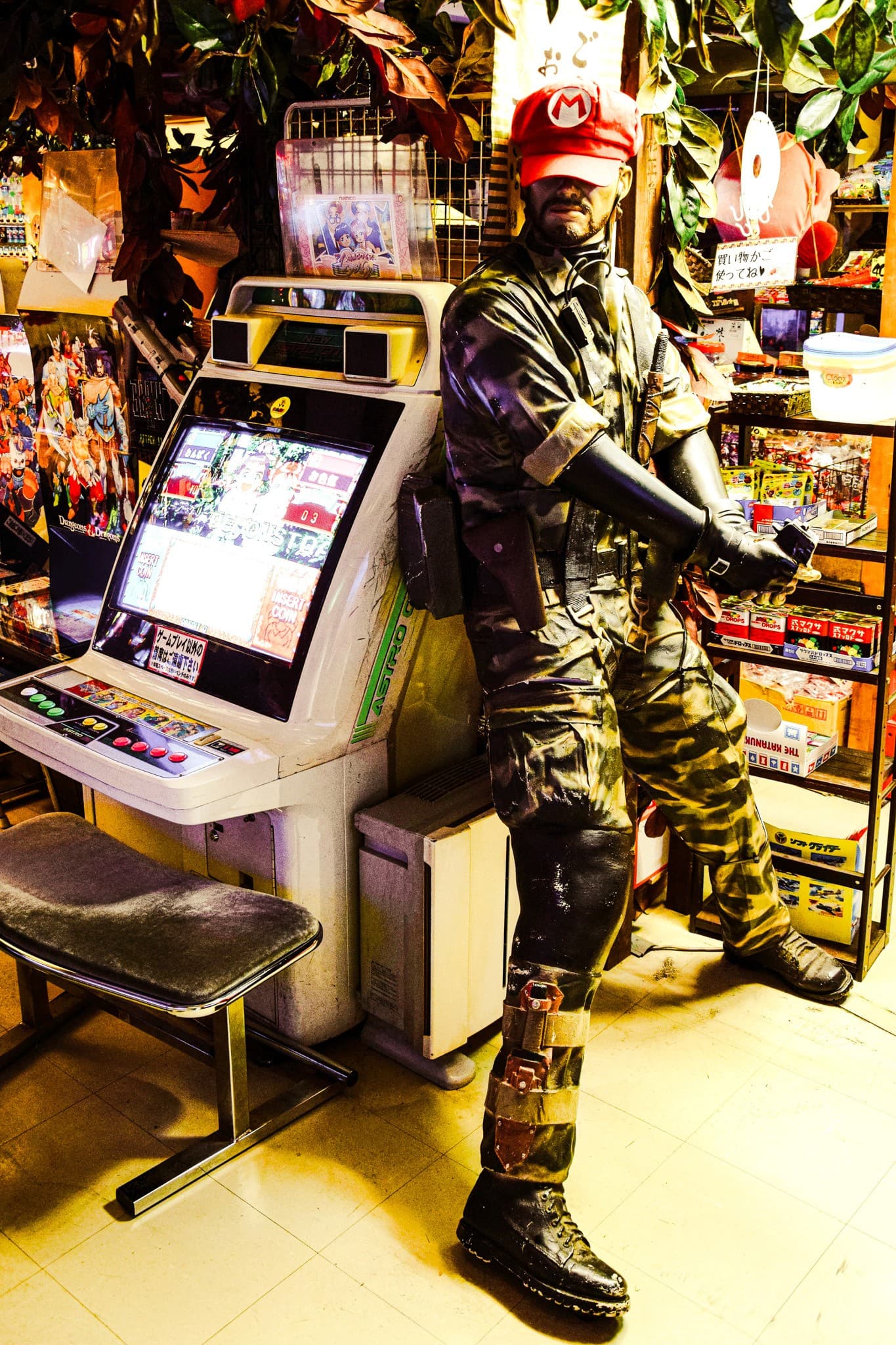
"My family wanted anime stuff and everything else jam packed into the day. Satoshi did not disappoint. My family is still raving about this tour days later!"
"Felt like we'd known him for years. Wanted an authentic lunch with no Ramen for a change — a 3rd floor Hot Pot Restaurant we never would have found."
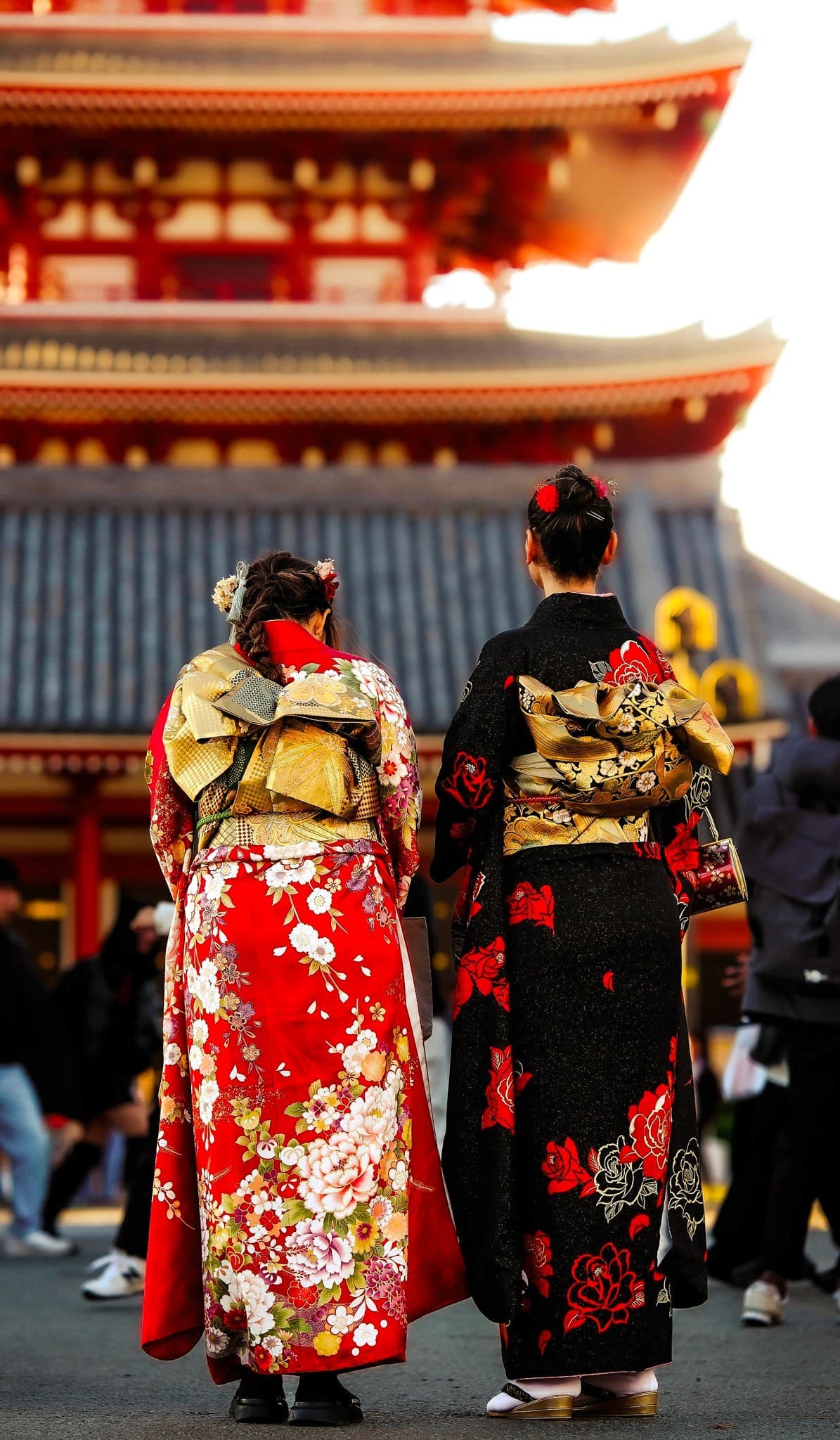
RITUALS EXPLAINED ONCE, USED EVERYWHERE
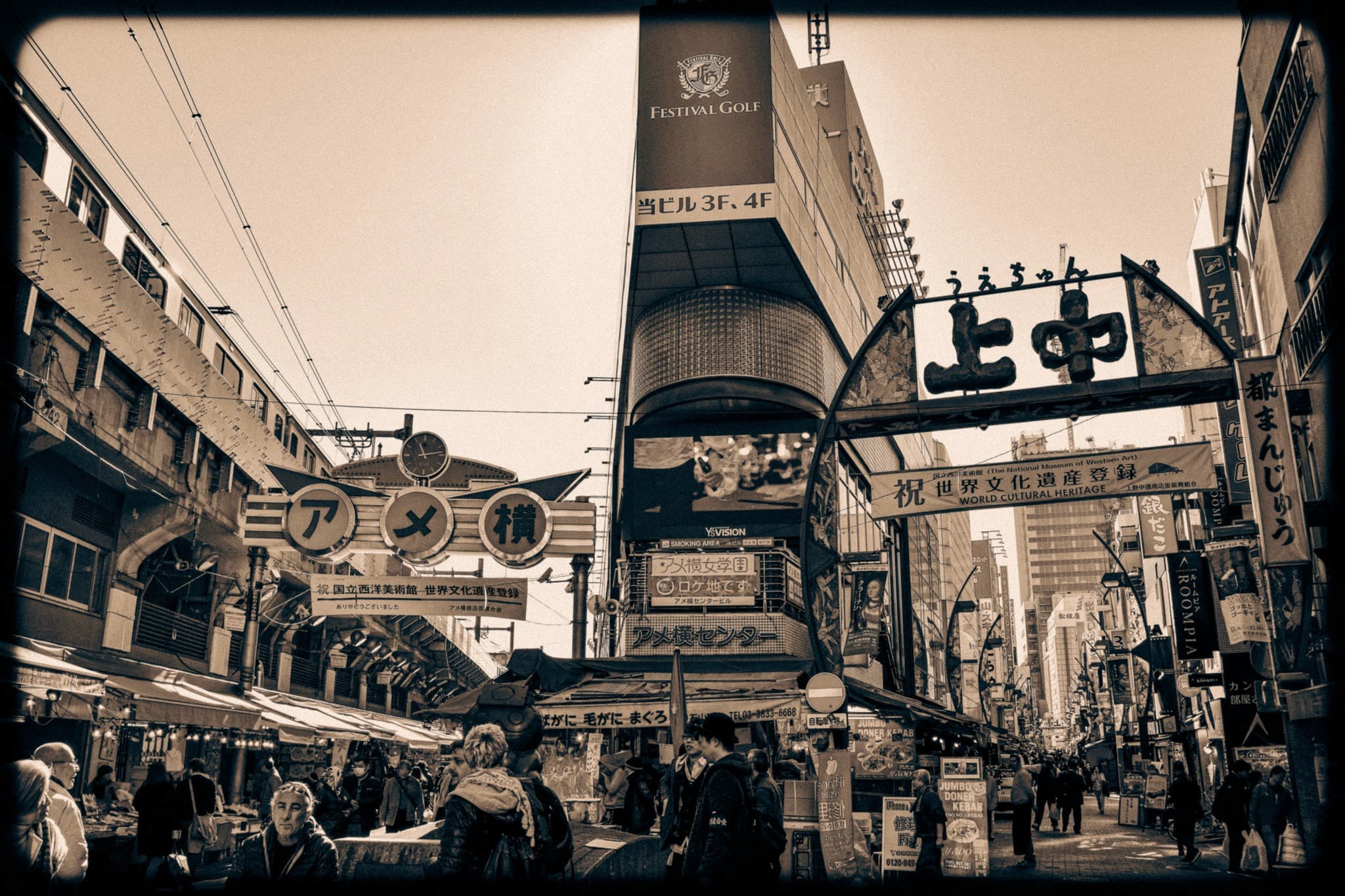
NEIGHBORHOOD MENTAL MODELS
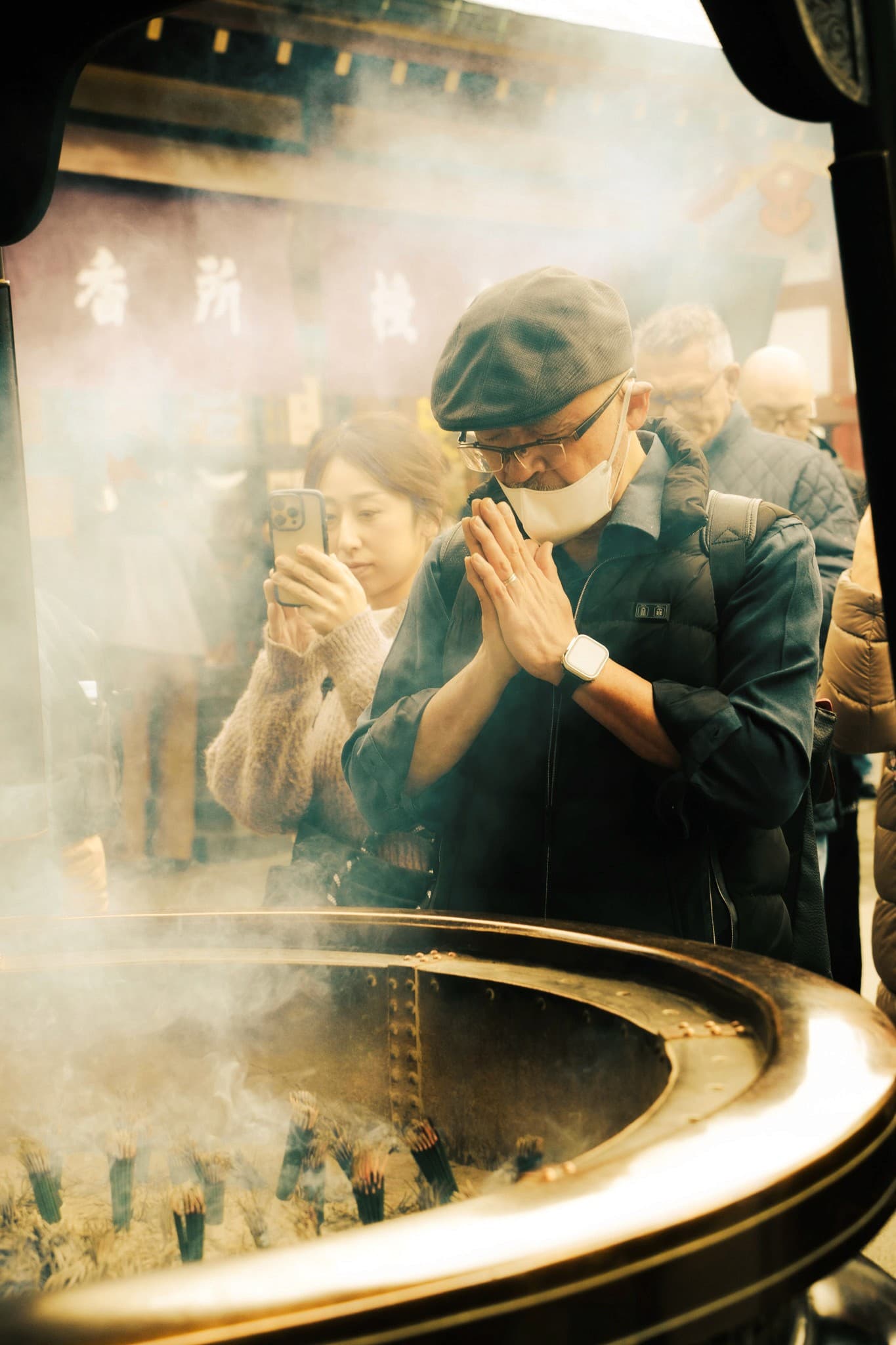
CONTEXT THAT TRANSFERS
Your Journey
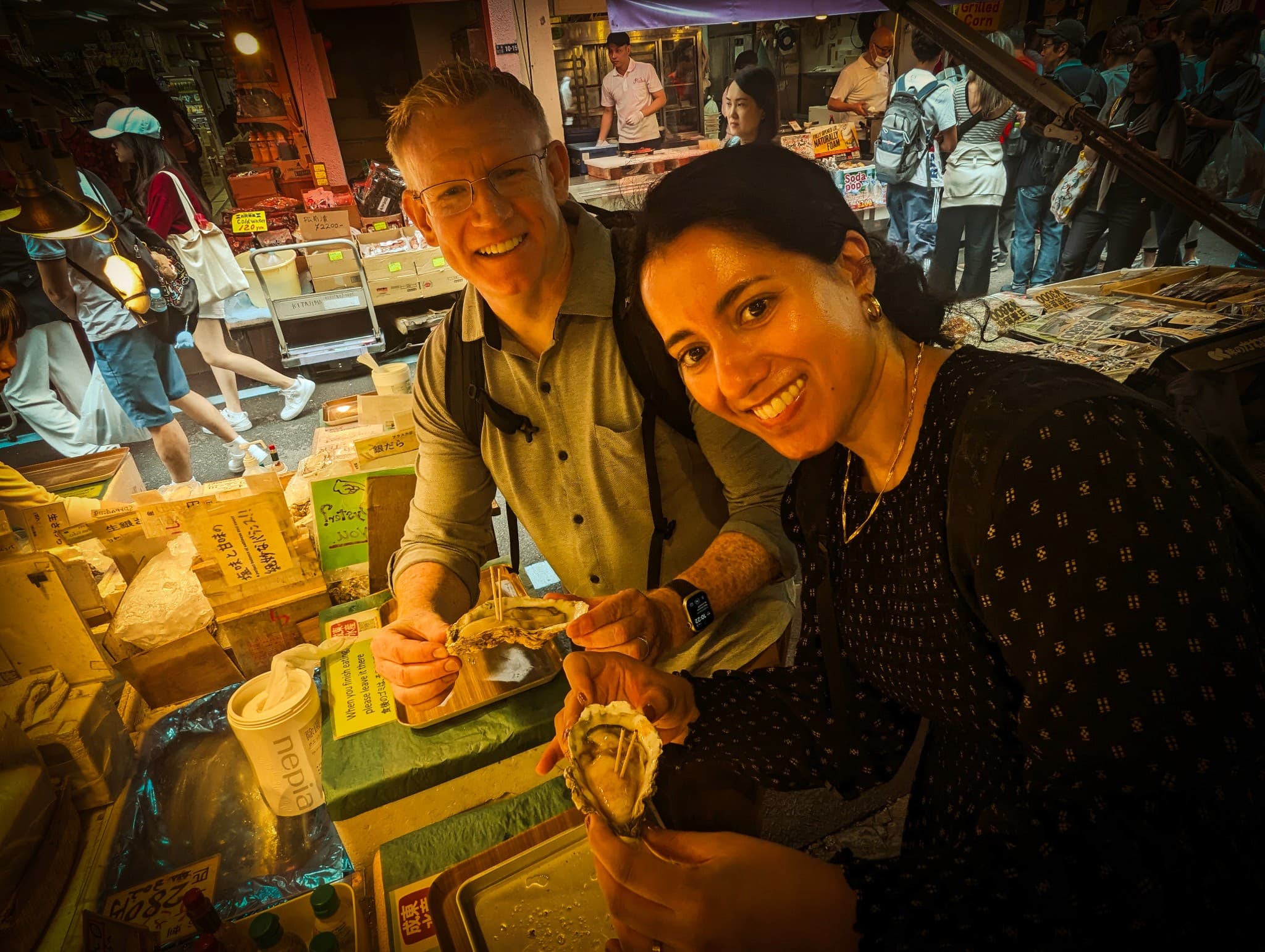
Tsukiji Market — Navigation Literacy Begins
Your guide meets you at your hotel, eliminating any Day 1 confusion about where to start. On the train to Tsukiji, learn how platform signage works, which car position reduces transfer walking, and how IC card balances display after each tap. At the market, your guide orders food while explaining counter-service protocols, portion expectations, and payment timing—small operational details you'll use everywhere.
- IC card usage: balance displays, transfer vs. exit gates, fare adjustment machines
- Restaurant operations: ticket machines, table bells, water service, payment at entrance registers
- Cultural shortcuts: no eating while walking, trash disposal etiquette, vendor interaction norms
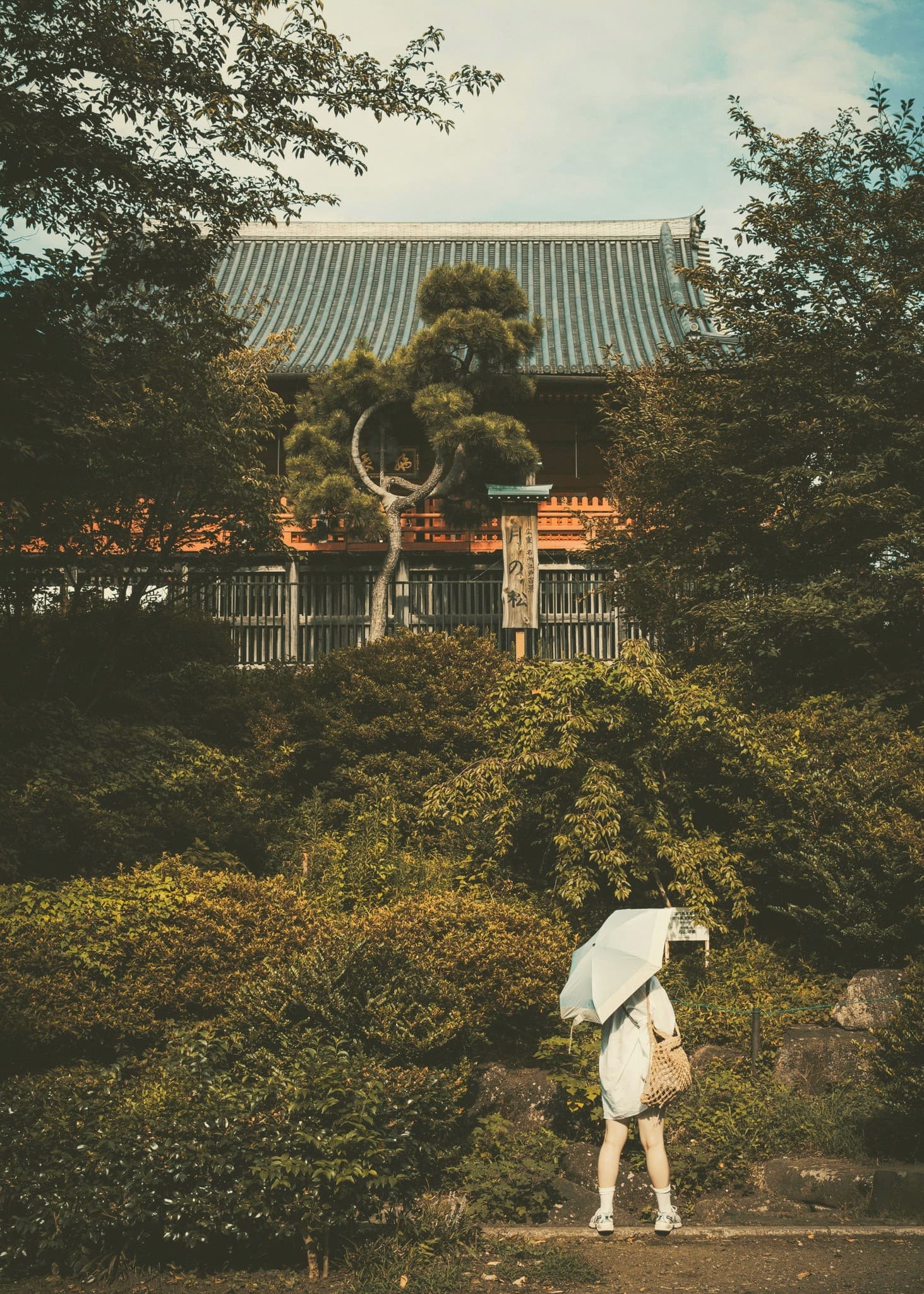
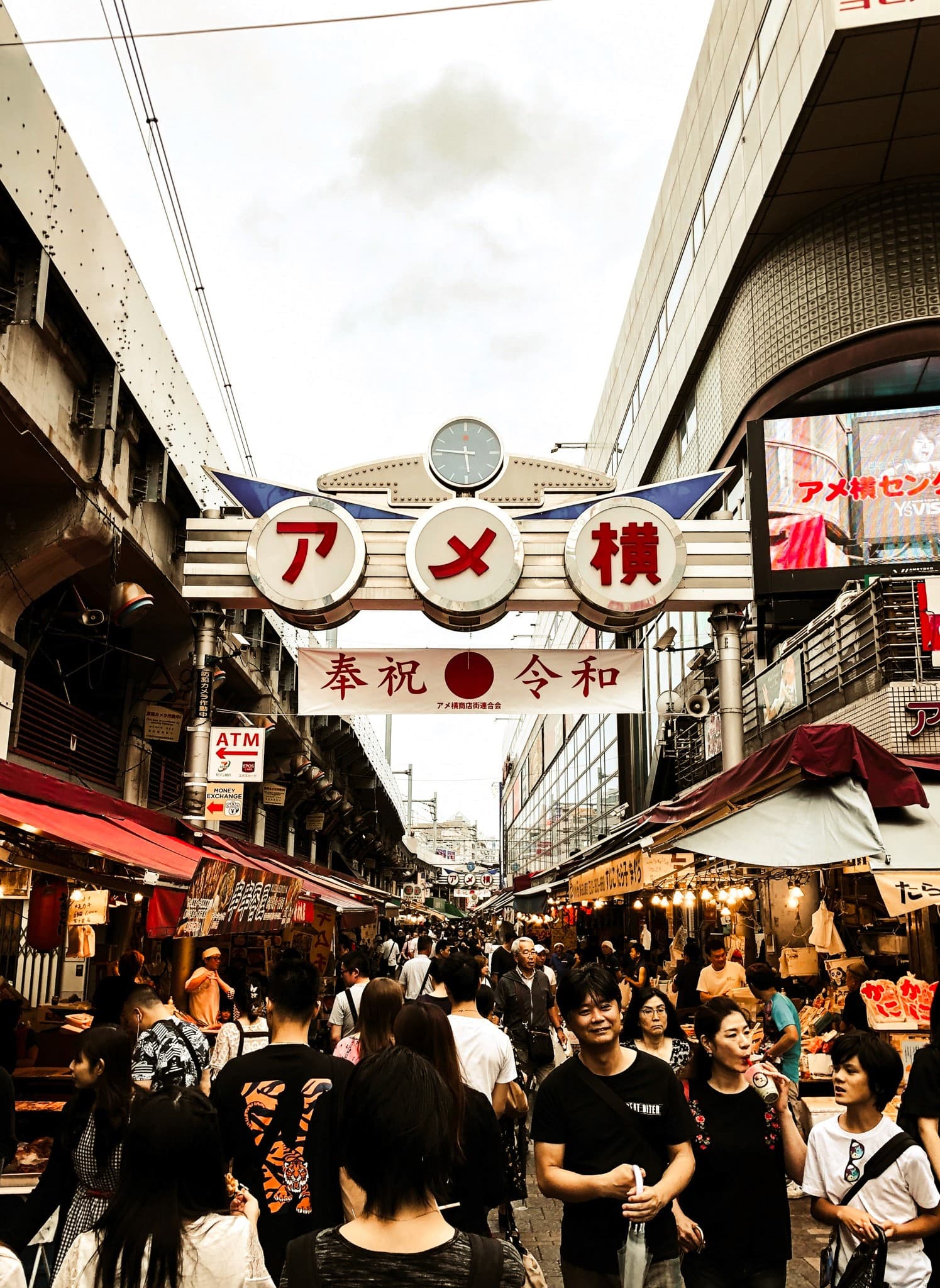
Ueno Park & Ameyoko — Decision-Free Learning
Your guide handles all routing, timing, and logistics decisions—this is your one day without decision fatigue. Observe how the guide navigates: which exit they choose at Ueno Station (and why), how they read crowd flow in Ameyoko's narrow market, where they know bathrooms are cleanest. This observational learning builds frameworks you'll apply independently tomorrow.
- Station exit strategy: which exits lead where, how to find elevators, transfer passage navigation
- Crowd navigation: where to stand on platforms, escalator etiquette (stand left in Tokyo), queue protocols
- Neighborhood distinction: how Ueno's park feel differs from Ameyoko's market energy
Restaurant Selection Framework
Your guide doesn't just book lunch—they explain how they chose this restaurant. Menu structure (how dishes are organized), what terms appear everywhere, how to recognize quality indicators, and what portion sizes mean. Watch how they order, how payment works, and what timing is normal. Every meal after this one feels less mysterious.
- Menu reading: kanji you'll see everywhere, portion terms, price structure, set meal vs. à la carte
- Ordering patterns: how staff take orders, modification requests, refill protocols, meal pacing
- Payment protocols: when to pay at table vs. register, cash-only indicators, tipping absence
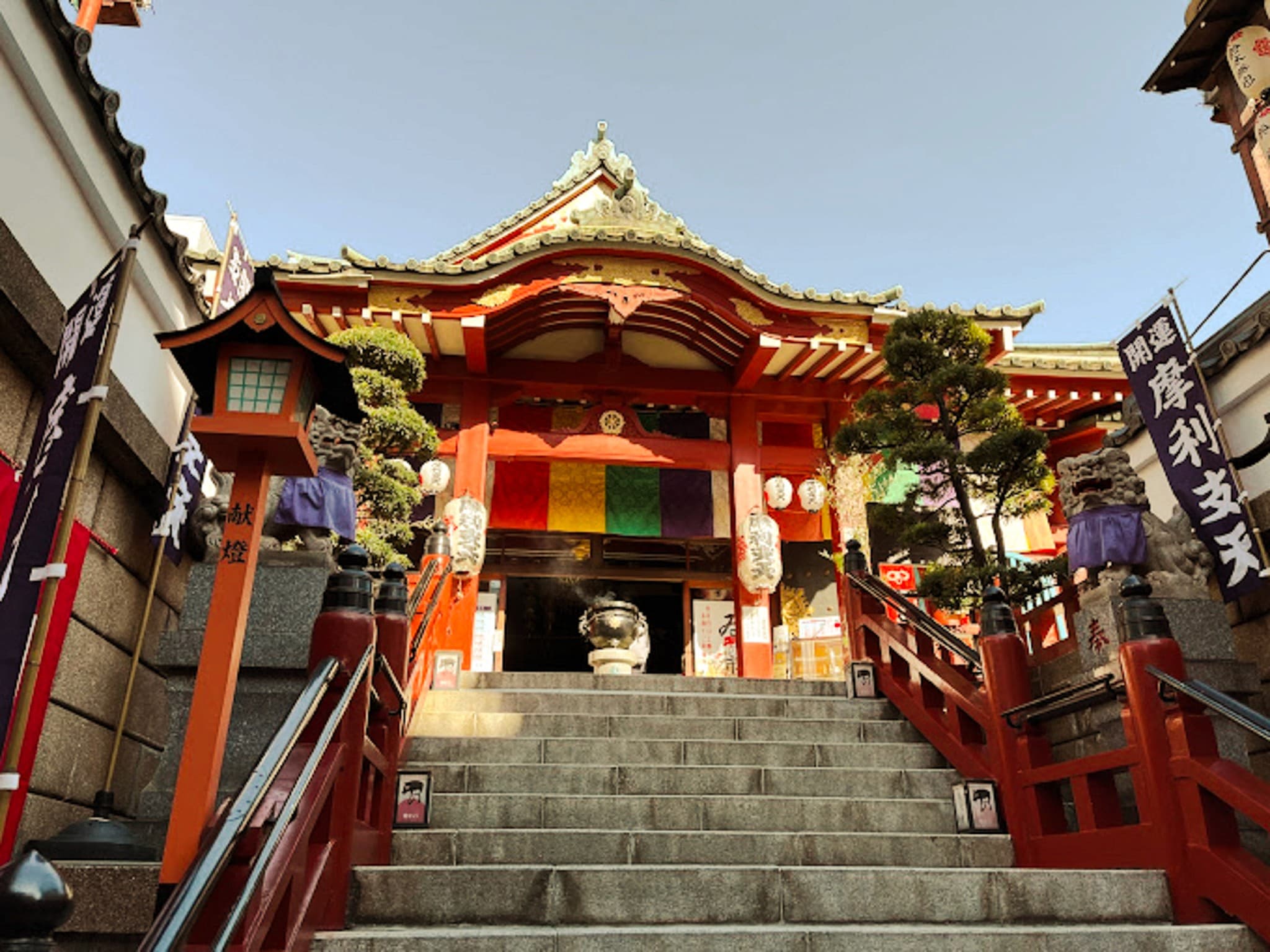
Senso-ji Temple & Asakusa — Cultural Fluency Baseline
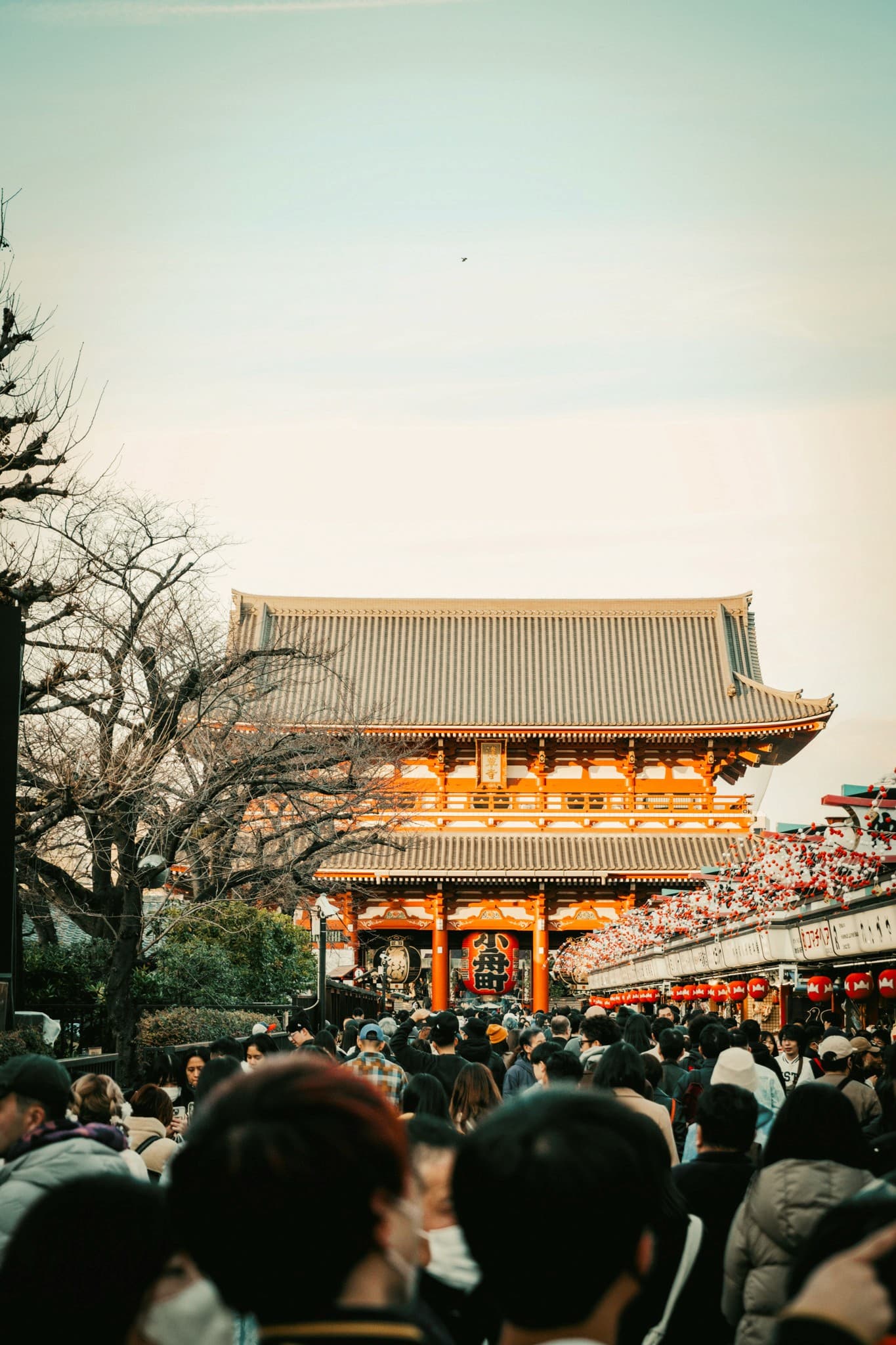
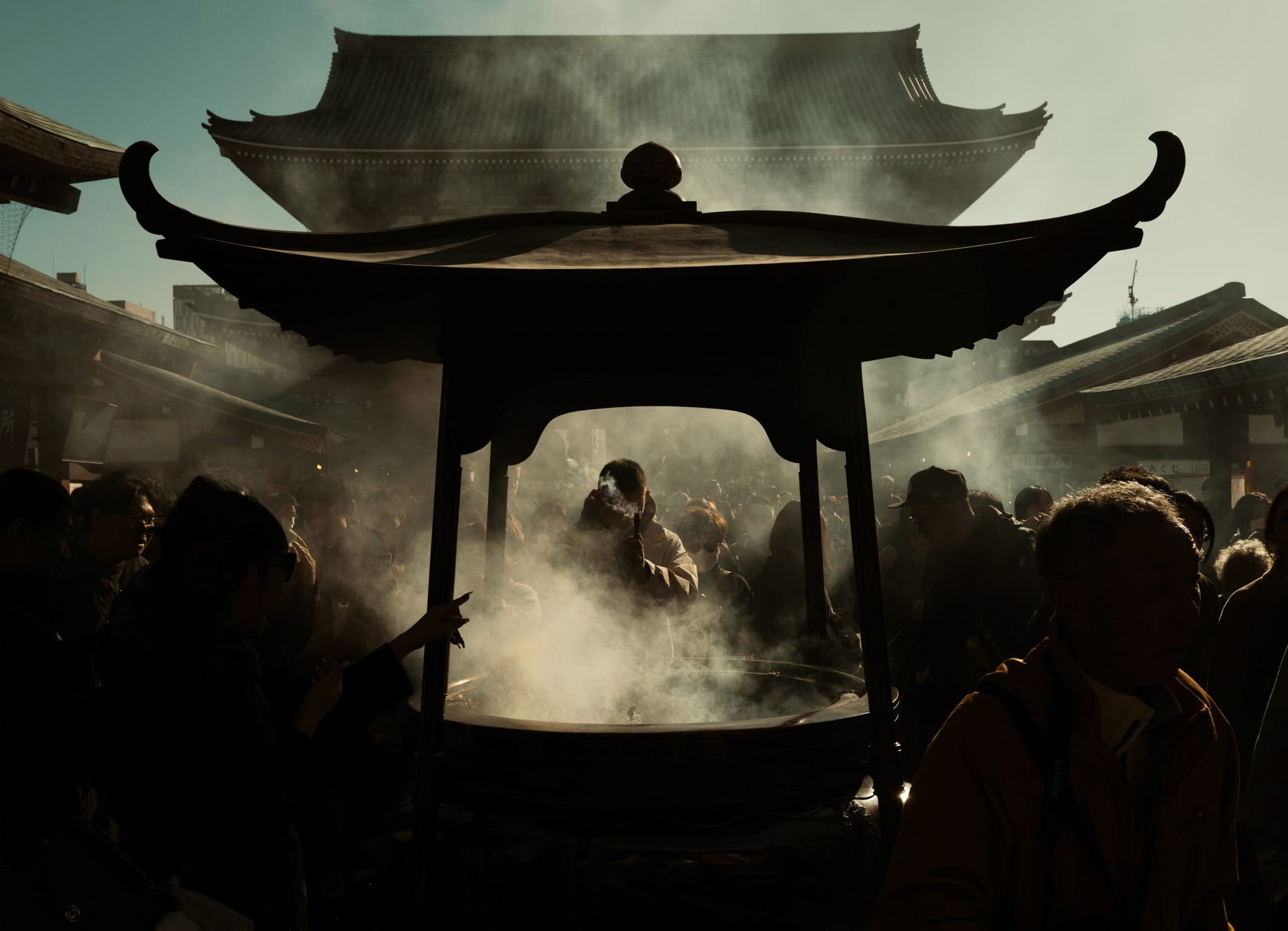
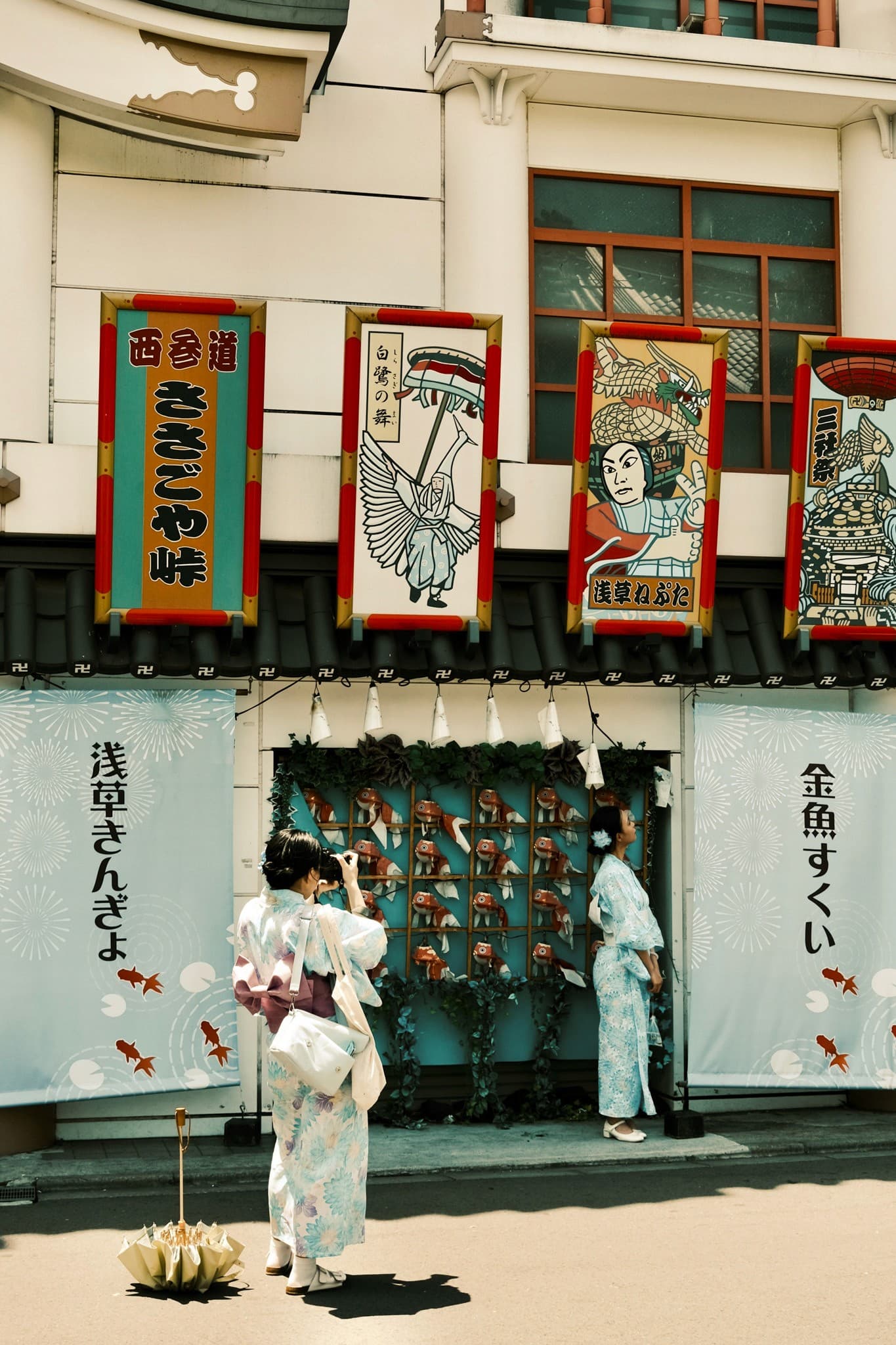
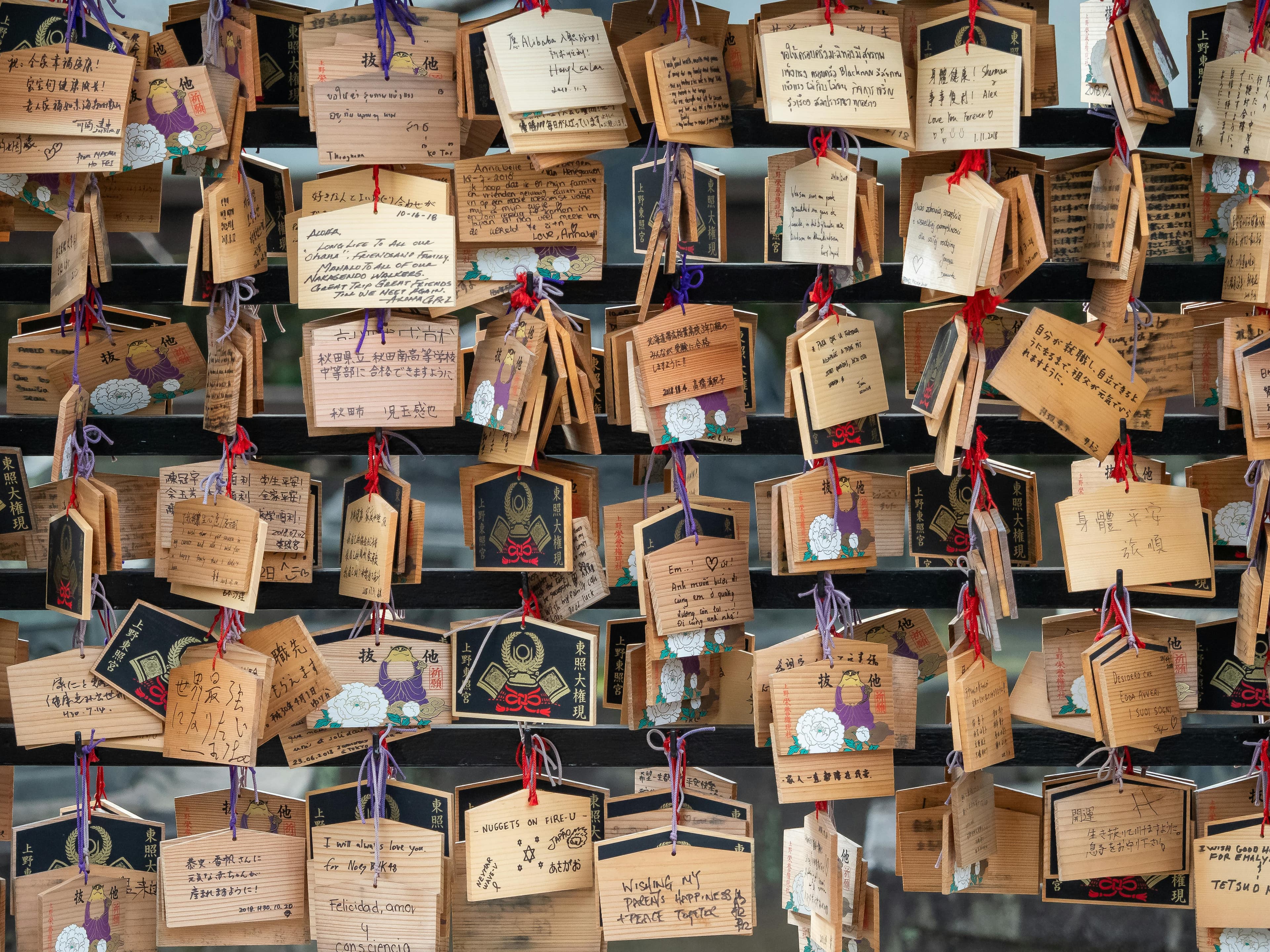
Learn temple rituals with explanation, then practice them immediately. Cleansing at the water basin, offering coins, prayer protocol, fortune drawing, incense lighting—your guide demonstrates each step and explains its meaning. By the end of Asakusa, you've internalized rituals you'll use at every temple for the rest of your trip. Nakamise Street shopping teaches souvenir quality distinction and vendor interaction.
- Temple etiquette: purification steps, prayer positioning, photo respect, fortune interpretation, incense protocol
- Shopping frameworks: handmade vs. mass import visual cues, price negotiation norms, vendor politeness phrases
- Asakusa backstreets: residential Tokyo layering, how neighborhoods separate tourist and local zones
- Tour ends 3:30pm—evening free to test your new skills or reflect on what you've learned
This is merely a suggestion. Your itinerary is fully bespoke.
Your Private Experience Includes
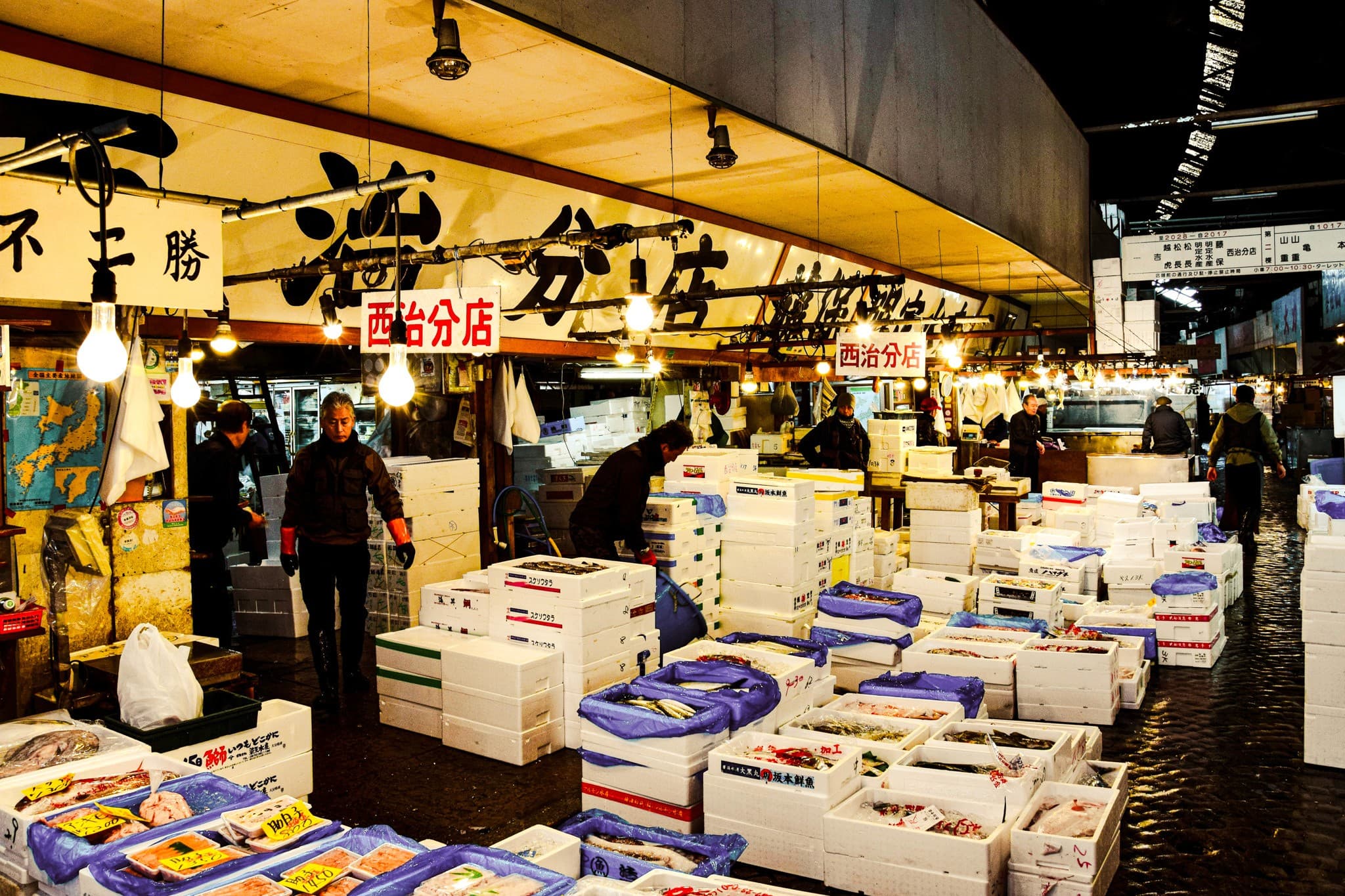
FOOD ORDERING DEMYSTIFIED
OBSERVATION TO PARTICIPATION
PLATFORM SIGNAGE DECODED