
Tokyo Private Walking Tour
Train + walk sequences. Not eight hours on your feet—strategic movement through neighborhoods cars can't reach.
Why Choose This Experience
12,000-18,000 Steps, Not Continuous
Full-day tours break into 30-45 minute walking segments with train rides and rest stops between—less than solo exploring
Access Alleys Cars Can't
Yanaka's pre-war lanes, Shimokitazawa's 1.5-meter shopping alleys, Tsukiji's 400-shop maze—walkable only
Spontaneous Food Stops
Standing soba counters, basement kissaten, B1 jazz bars—no parking needed, just duck in when something catches your eye
Learn the Transit System
By day's end you've used IC cards, navigated station exits, made transfers—ready to explore independently after
Tokyo Private Walking Tour Highlights
What Our Guests Say
"I'd been to Tokyo many times before and still had never seen or heard of most everything he included in our tour. We liked it so much, we immediately booked a second day!"
"It felt like we were touring with a friend who lives in Japan. Rina adapted the tour for our diverse group — kids from 7 to their 20s. Some of our best memories were things she improvised."
"My family wanted anime stuff and everything else jam packed into the day. Satoshi did not disappoint. My family is still raving about this tour days later!"
"Felt like we'd known him for years. Wanted an authentic lunch with no Ramen for a change — a 3rd floor Hot Pot Restaurant we never would have found."
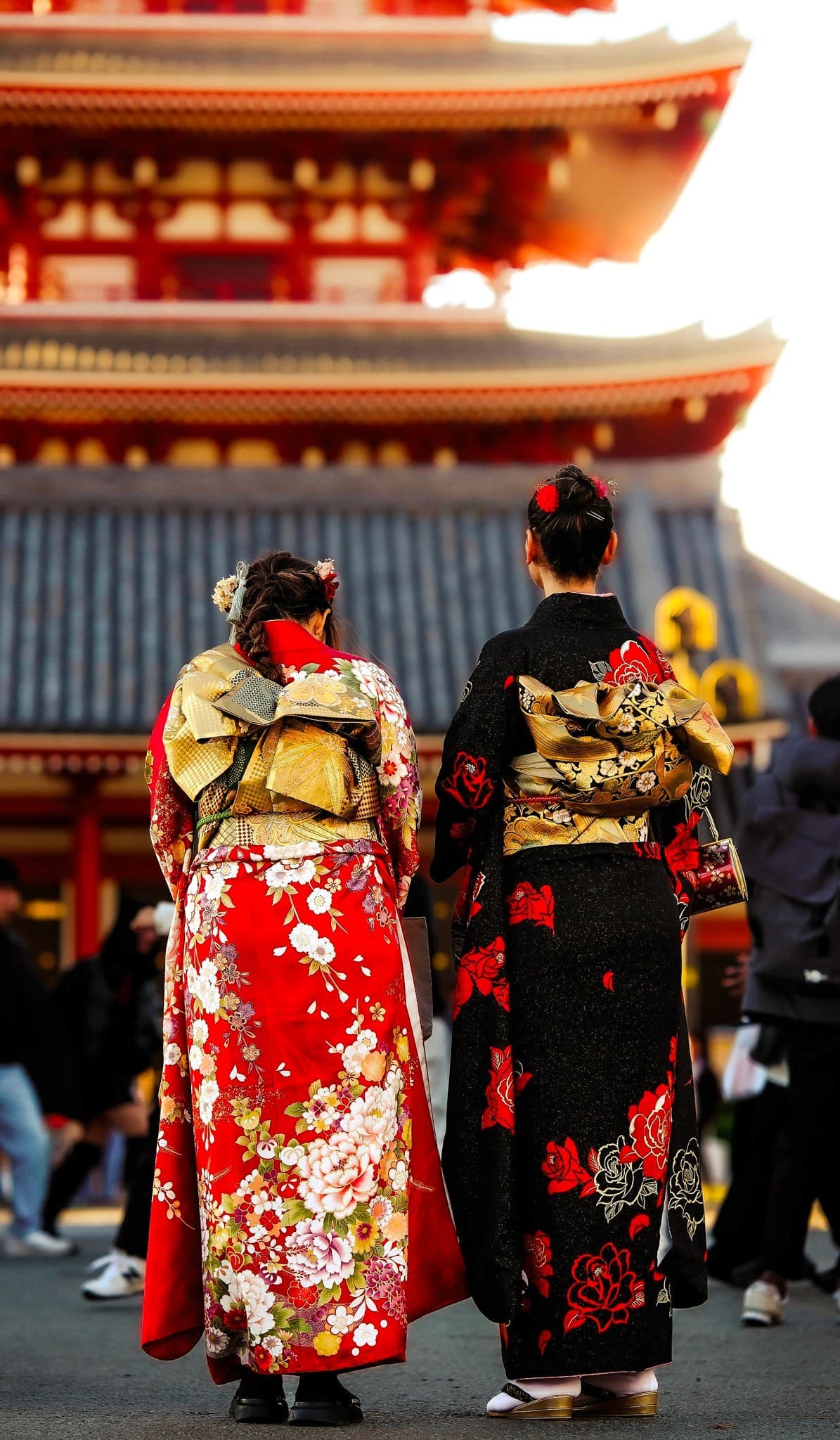
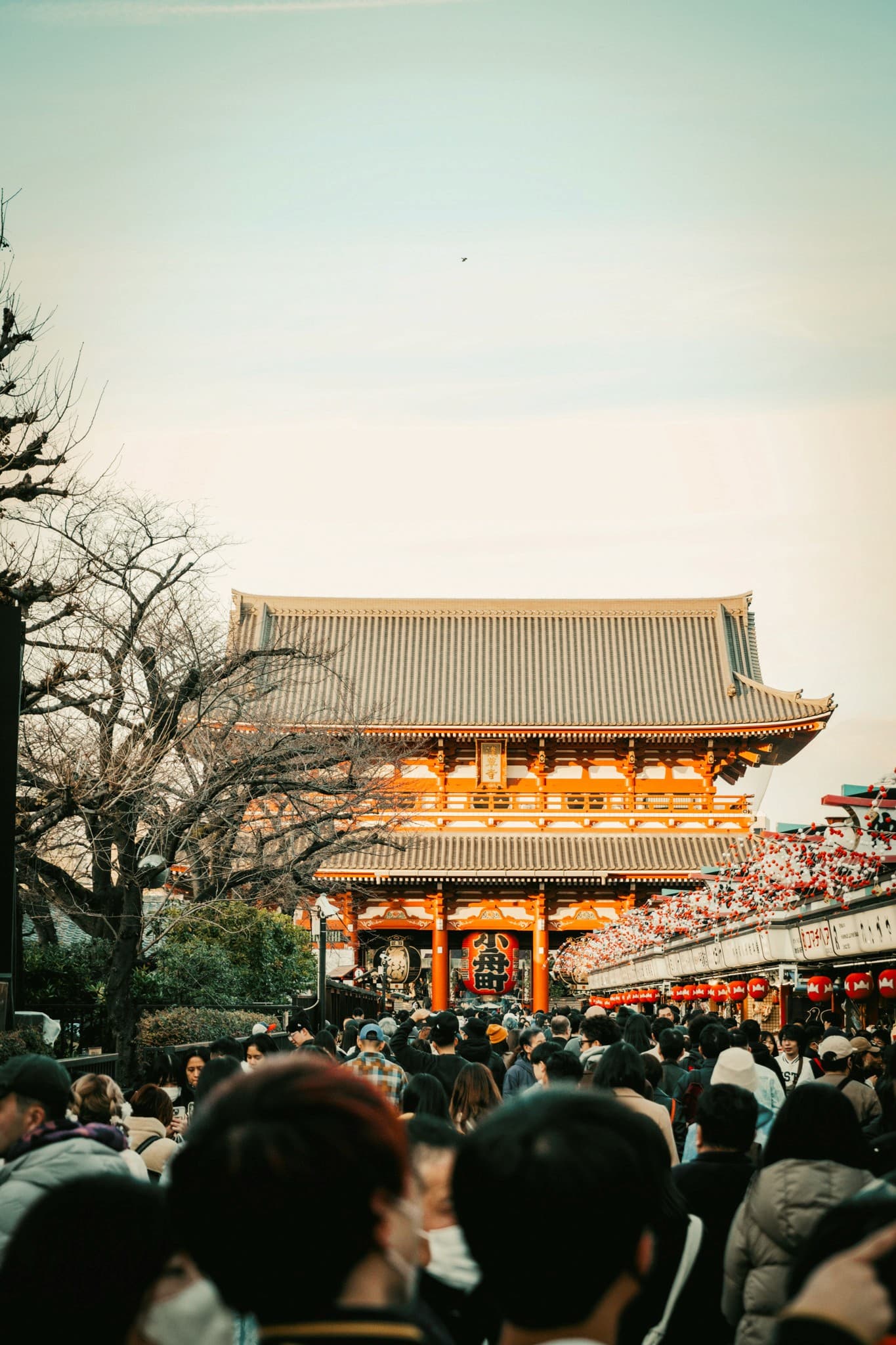
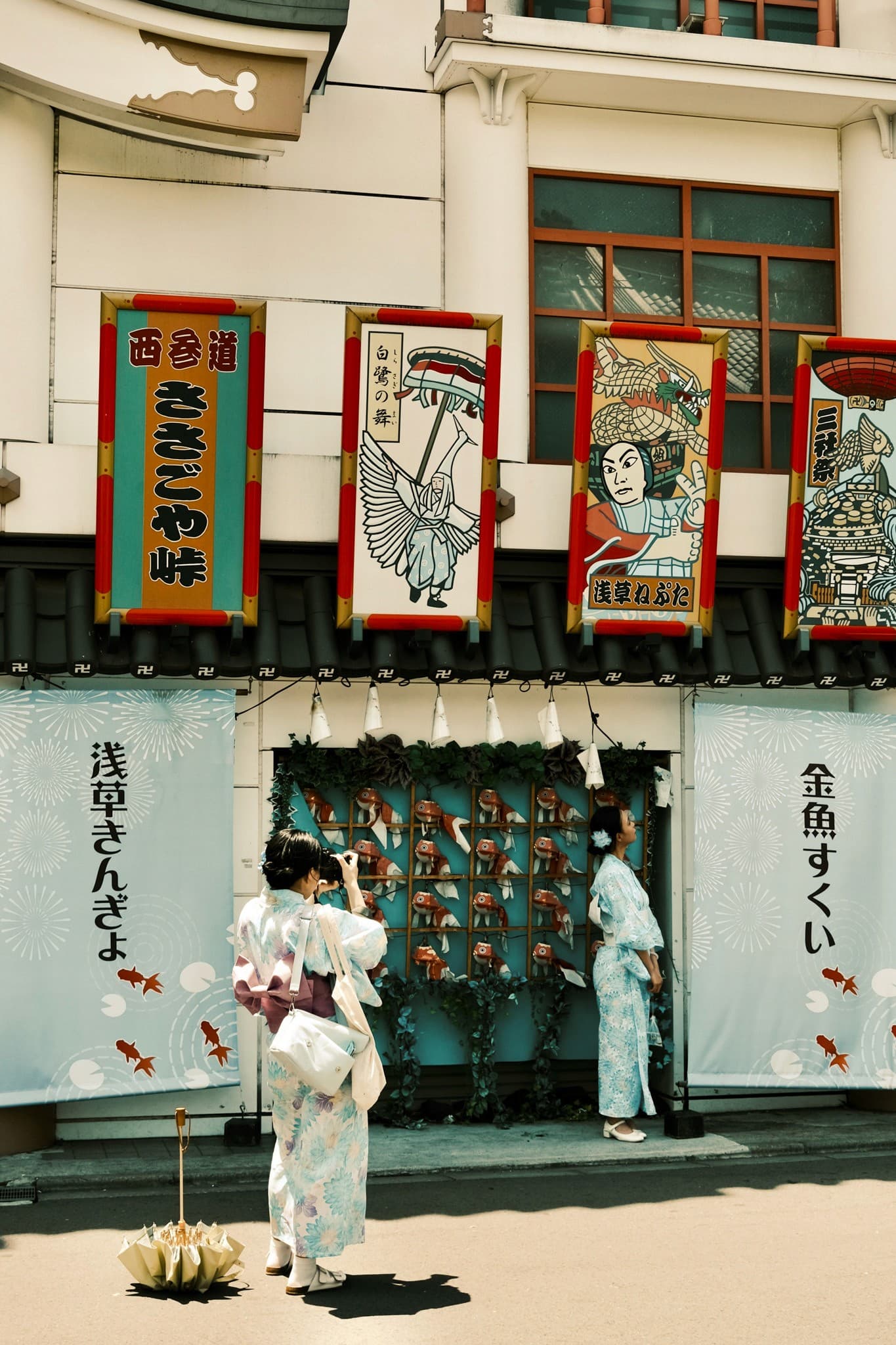
ASAKUSA ON FOOT
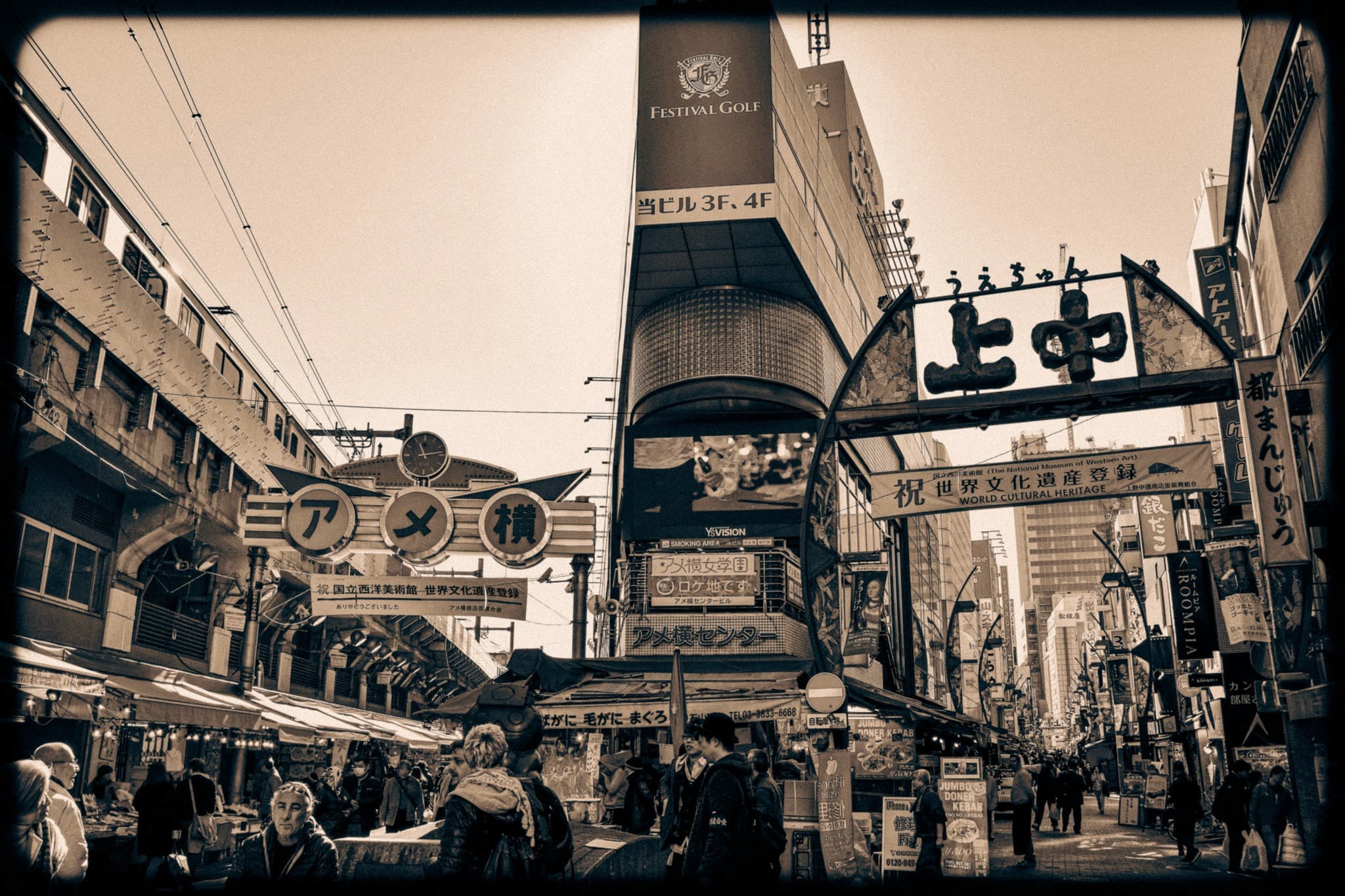
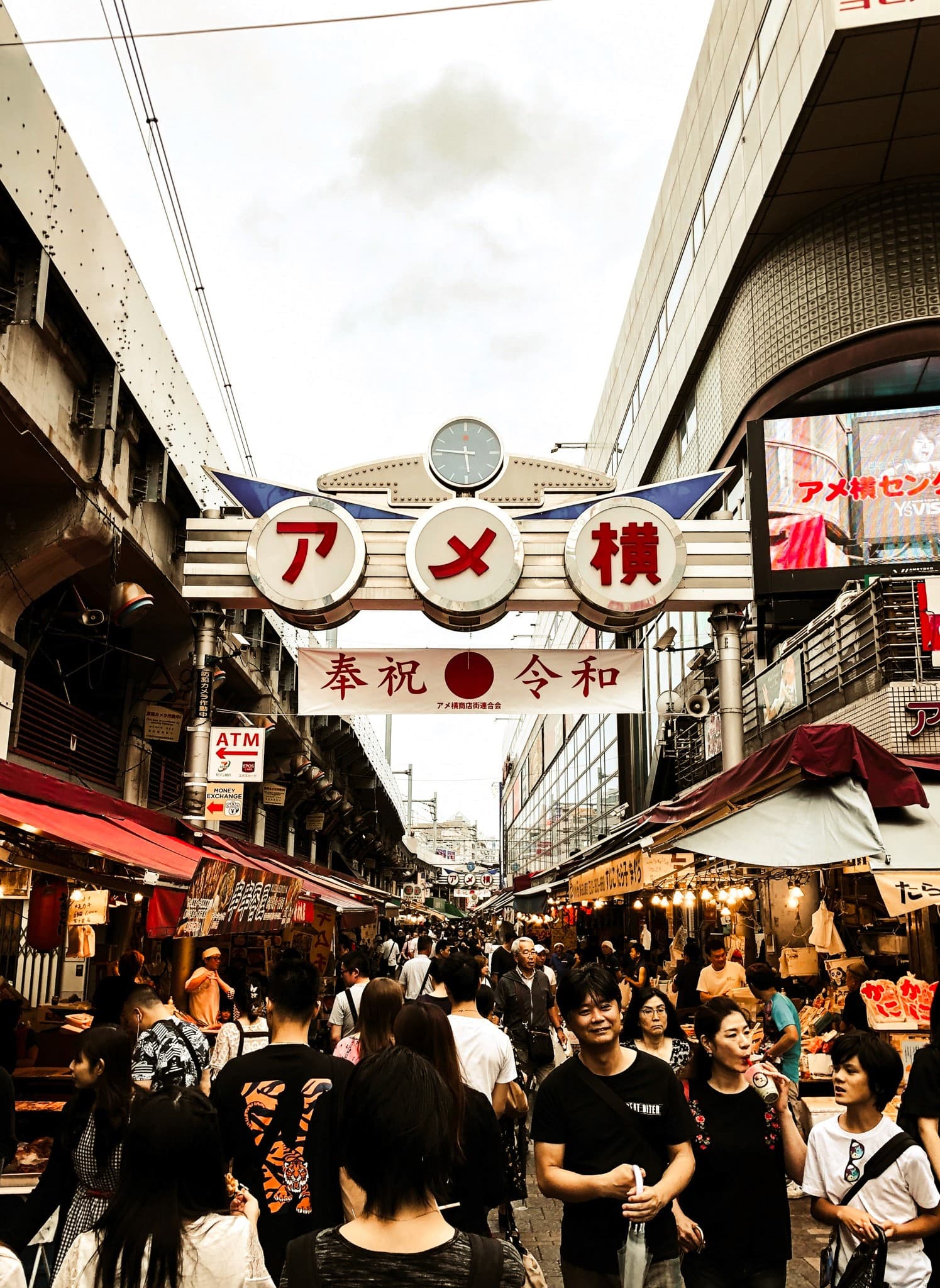
AMEYOKO MARKET MAZE
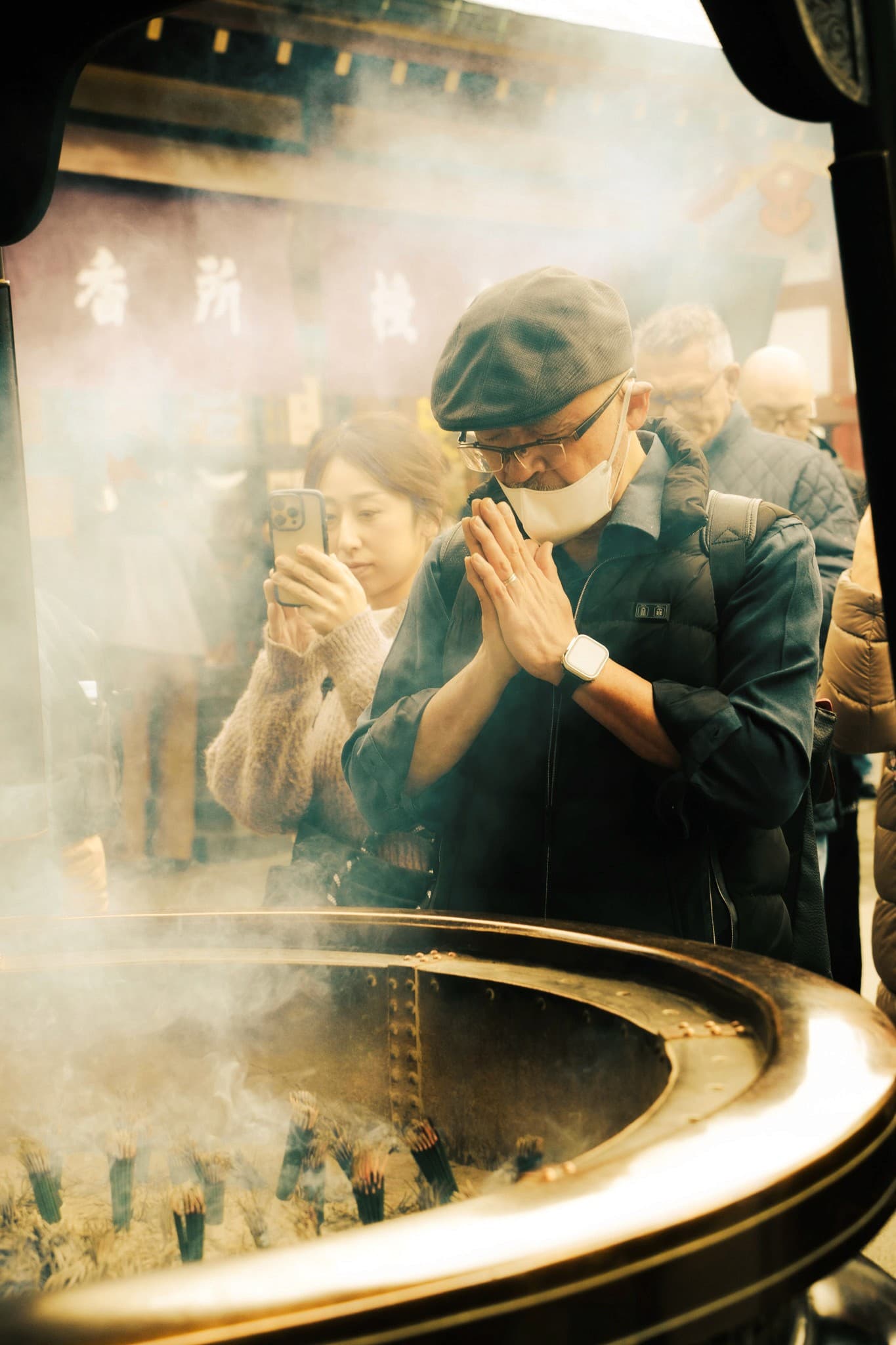
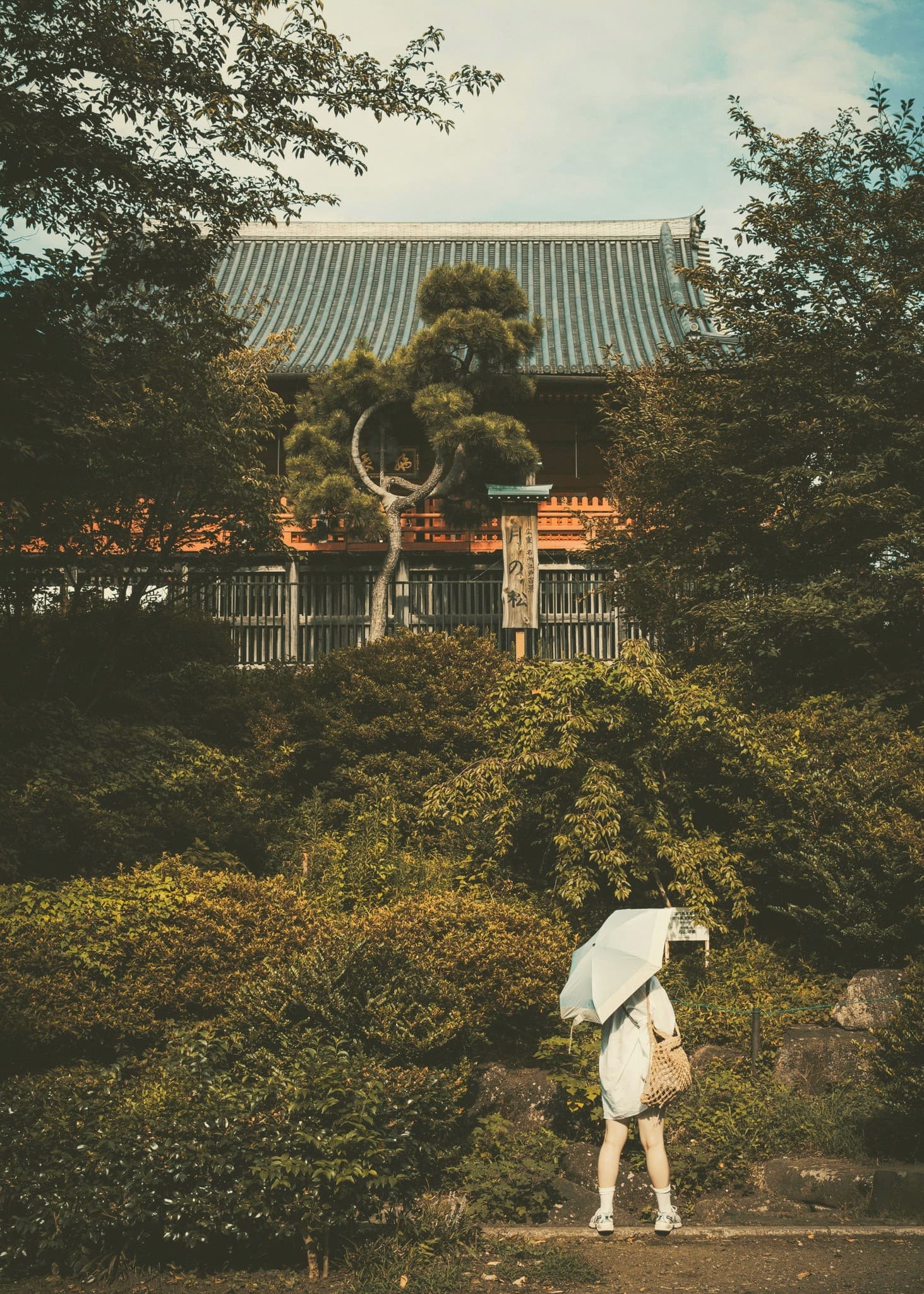
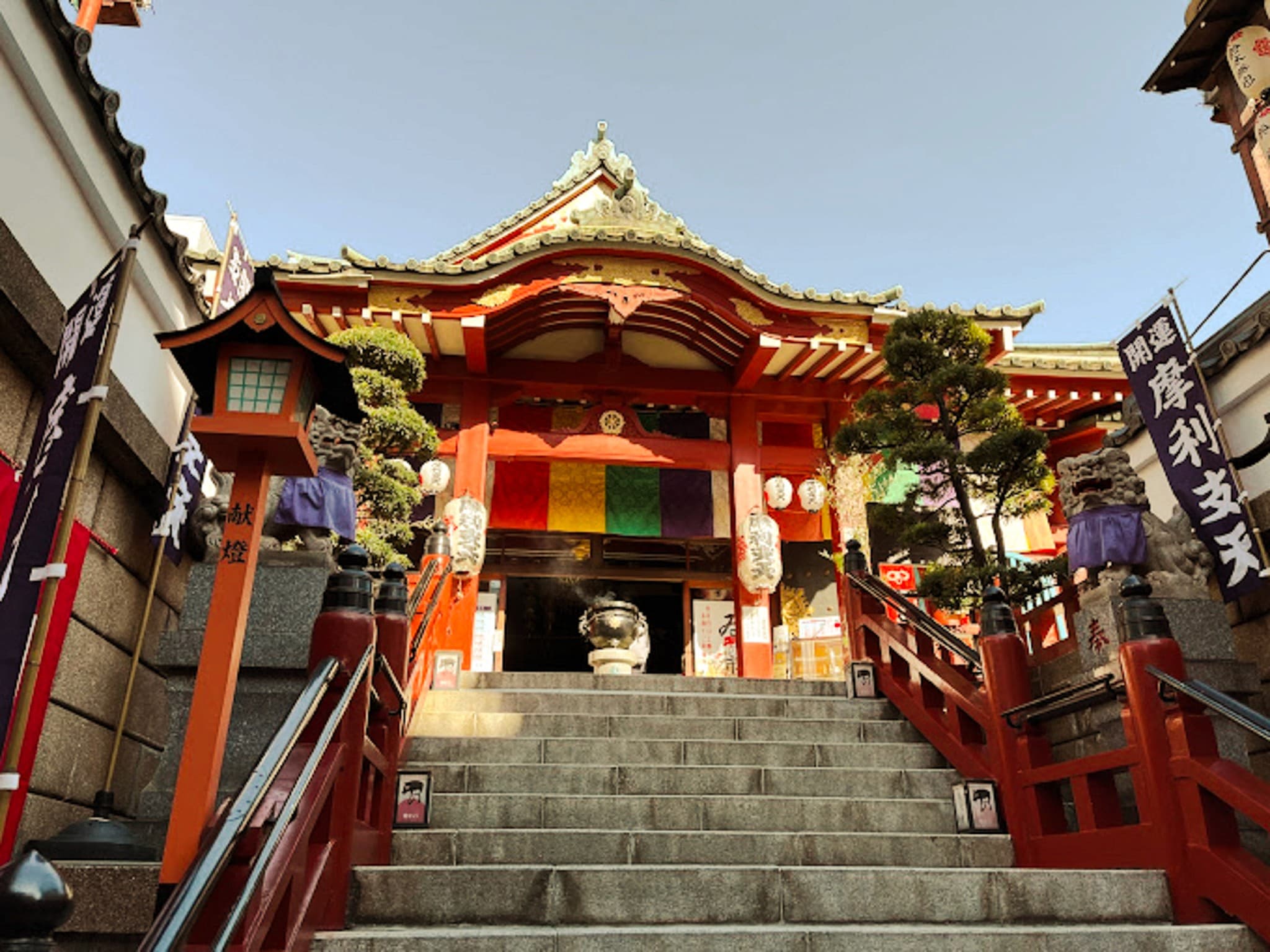
TEMPLE WALKING PATHS
Your Journey
Hotel Pickup → Train to Tsukiji (Train + 5-min walk)
Meet at your hotel, walk to nearest station together—this is where transit learning begins. Board train to Tsukiji (typically 5-10 minute ride). Your guide shows you how IC cards work, how to read station signs, which exit numbers to follow. Arrive Tsukiji ready to walk the market.
- Train segment: sitting or standing, not walking
- Learning curve handled before you're on your own
- Tsukiji's 400 shops pack into lanes 1.5-3 meters wide—cars can't reach this
Tsukiji Market Walking Tour (45-60 min on foot)
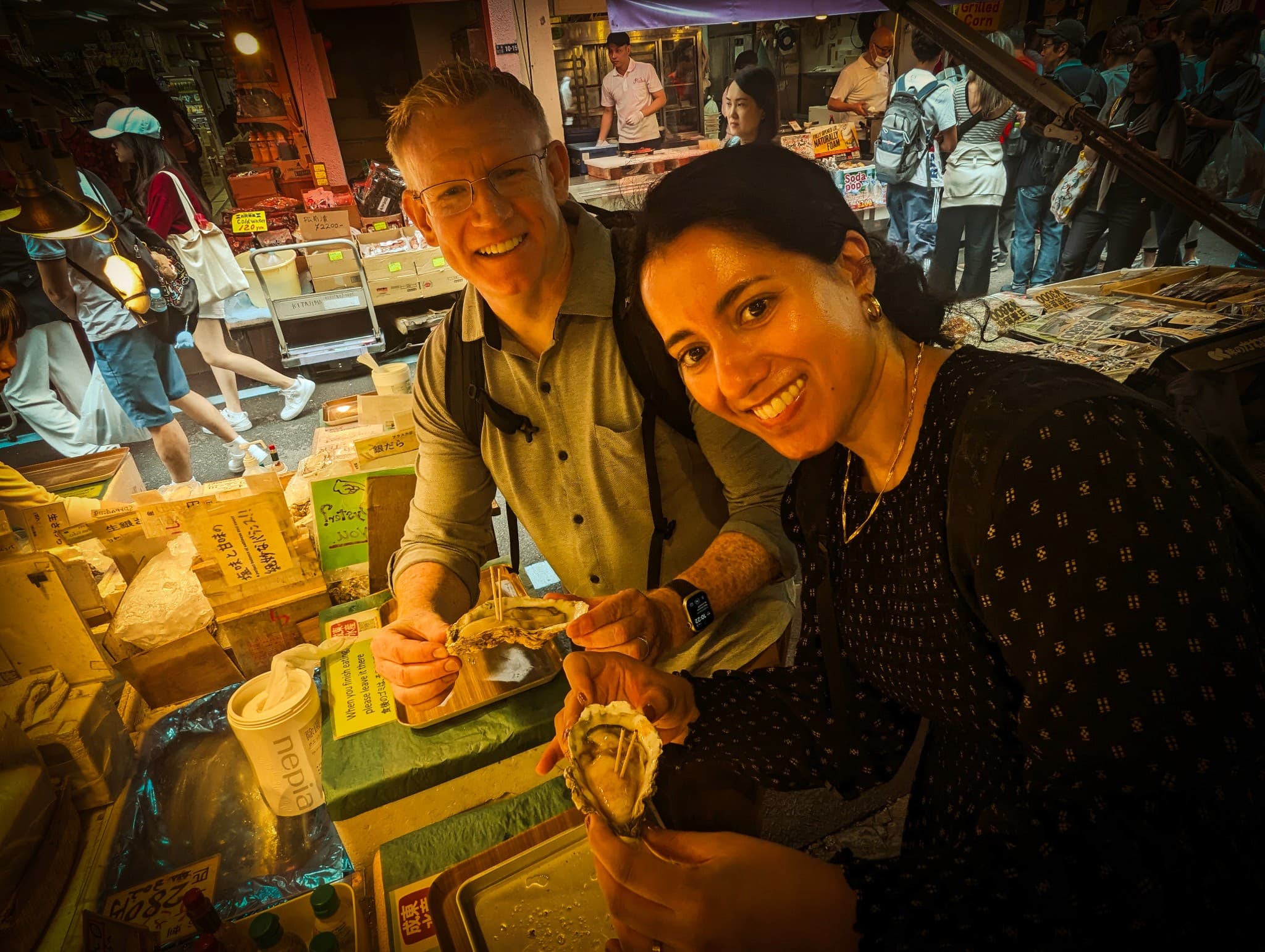
Walk Tsukiji's narrow aisles shoulder-to-shoulder with restaurant buyers. Vendors grill scallops and seafood skewers within arm's reach. Taste tamagoyaki fresh from century-old stands. Browse dried fish, pickles, kitchen tools. The density of experiences per meter walked is what makes this worthwhile—you cover more ground culturally than physically.
- First sustained walking segment: 45-60 minutes
- Frequent food stops break up the movement
- Access requires walking—no parking for blocks around market core
Train to Ueno → Park Walk (Train + 30-min walk)
Board train to Ueno (5-10 minute ride)—legs get a rest while your guide explains what's next. Exit at Ueno Station, walk through park's shaded paths to lotus ponds. This isn't wasted distance; it's Tokyo's green lung where locals jog and picnic. Flat, level paths with benches for resting. Natural breather before afternoon intensity.
- Train rest break between walking segments
- Park walk is recovery time, not tourist checklist
- Convenience stores (konbini) throughout park for cold drinks, restrooms, air conditioning
Ameyoko Market → Marishiten Temple (40-min walk)
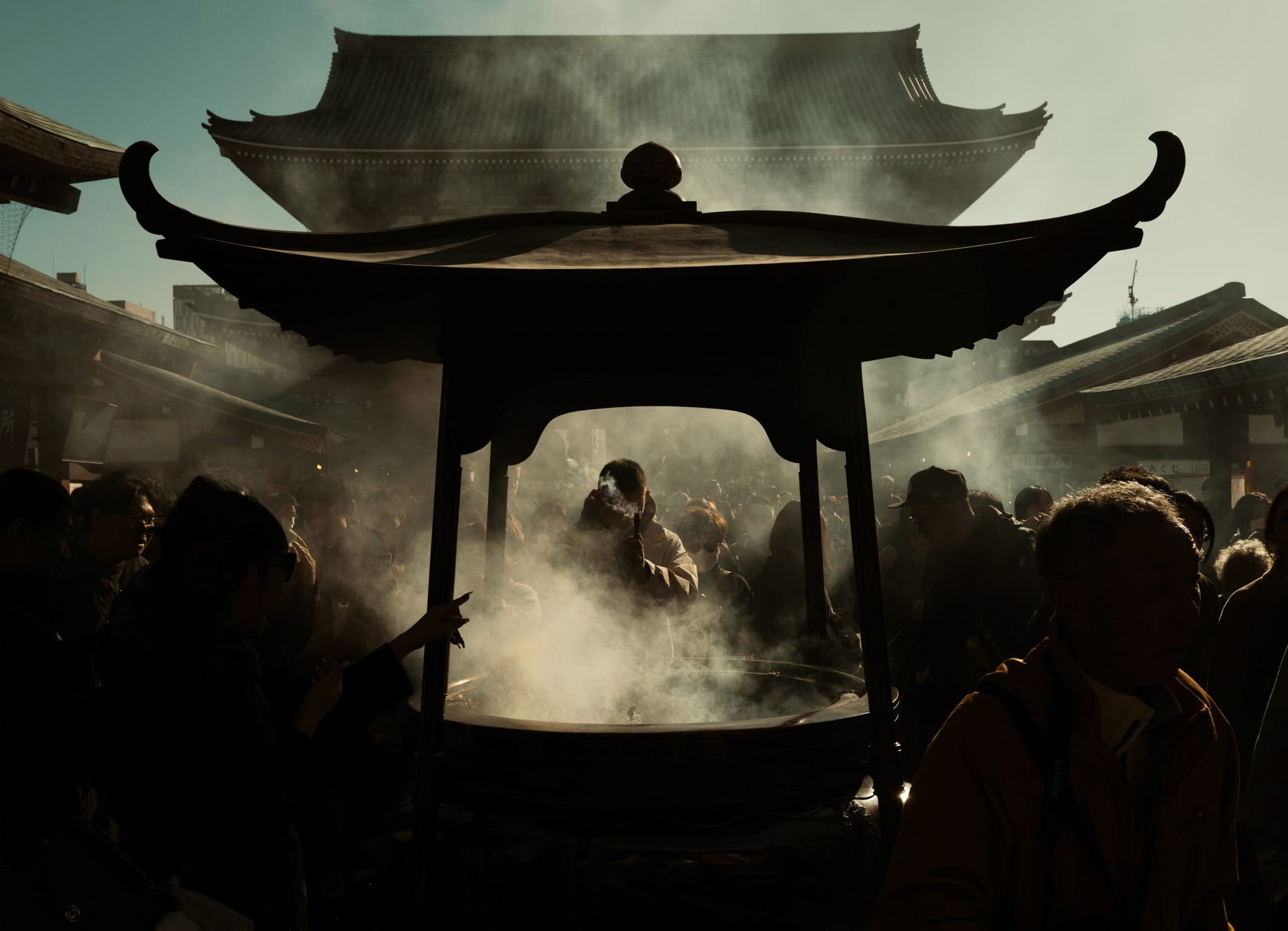
Dive into Ameyoko's maze of street stalls—yakitori sizzling, vendors calling prices, dried fish hanging overhead. Navigate narrow lanes on foot (cars can't fit). Climb stairs to hidden Marishiten Temple above the chaos. The juxtaposition—market noise below, incense smoke above—only works because you're walking between levels.
- Third walking segment: 40 minutes including stair climb
- Guide knows which vendors welcome browsing vs. buying
- Temple stairs optional if legs are tired—guide adjusts
Train to Asakusa → Senso-ji & Backstreets (Train + 50-min walk)
Train to Asakusa (5-minute ride on Ginza Line)—another sitting break. Walk through Kaminarimon Gate into Senso-ji's incense-filled courtyard. Draw paper fortunes, watch prayer rituals, browse Nakamise's 200-meter vendor corridor. Wander Ura Asakusa's backstreets—sweet shops, lantern makers, alleys where Edo Tokyo lingers. Cars can't navigate these; walking unlocks them.
- Final major walking segment: 45-60 minutes
- Mostly flat; some sub-temples have stairs we can skip
- Nakamise vendors offer rest stops disguised as shopping
Train to Akihabara or Return (Optional 30-min walk)
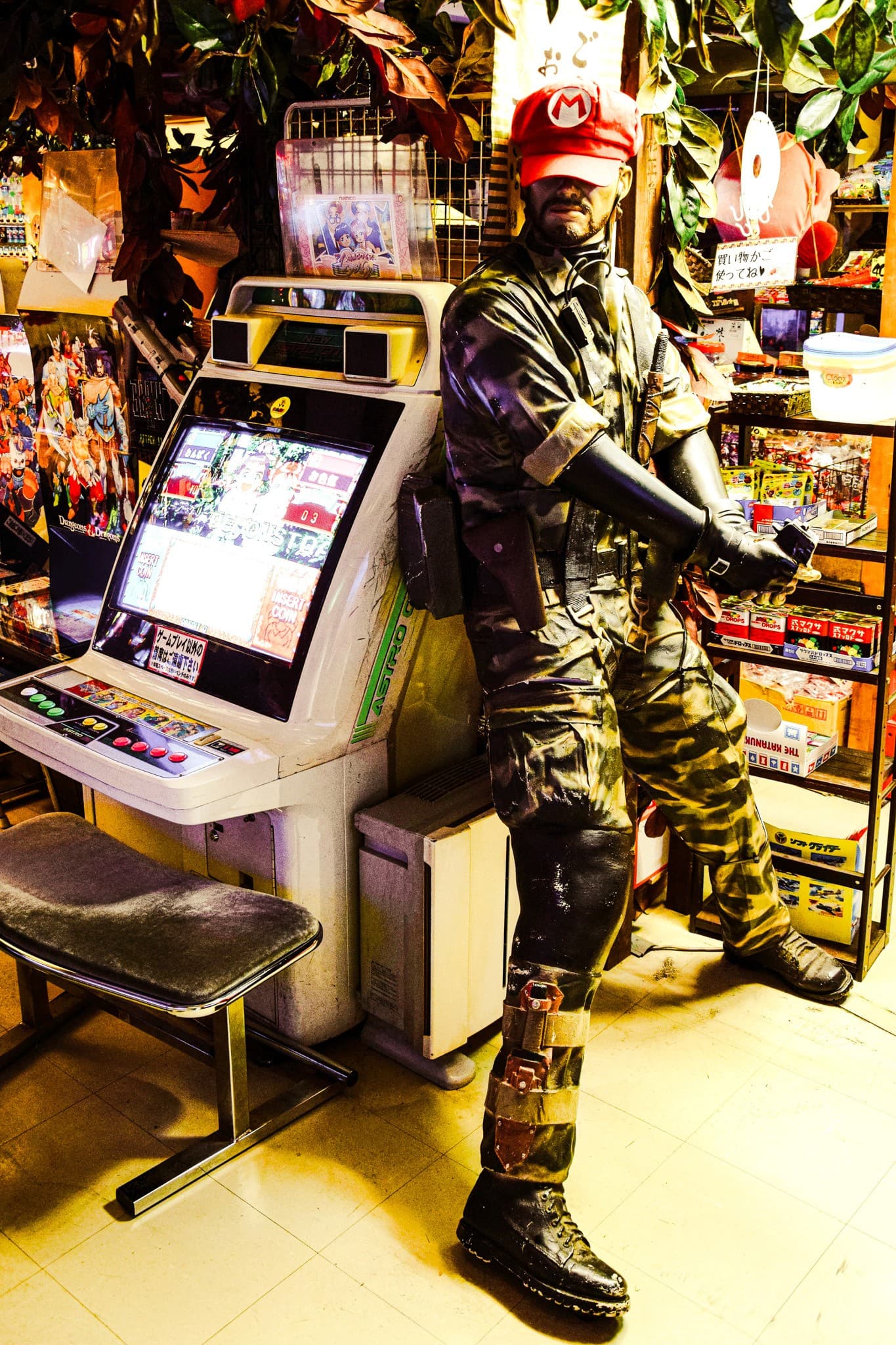
Option A: Train to Akihabara (5-minute ride) for neon-lit arcades and multi-story electronics—vertical exploration inside buildings requires walking floors. Option B: Train back to your hotel if legs are done. Private tours bend to real-time energy, not fixed itineraries.
- Day ends with flexibility built in
- Total walking: 12,000-15,000 steps across 6 hours
- Less than solo tourists (who average 19,000-27,000 steps) due to efficient routing
This is merely a suggestion. Your itinerary is fully bespoke.
Your Private Experience Includes
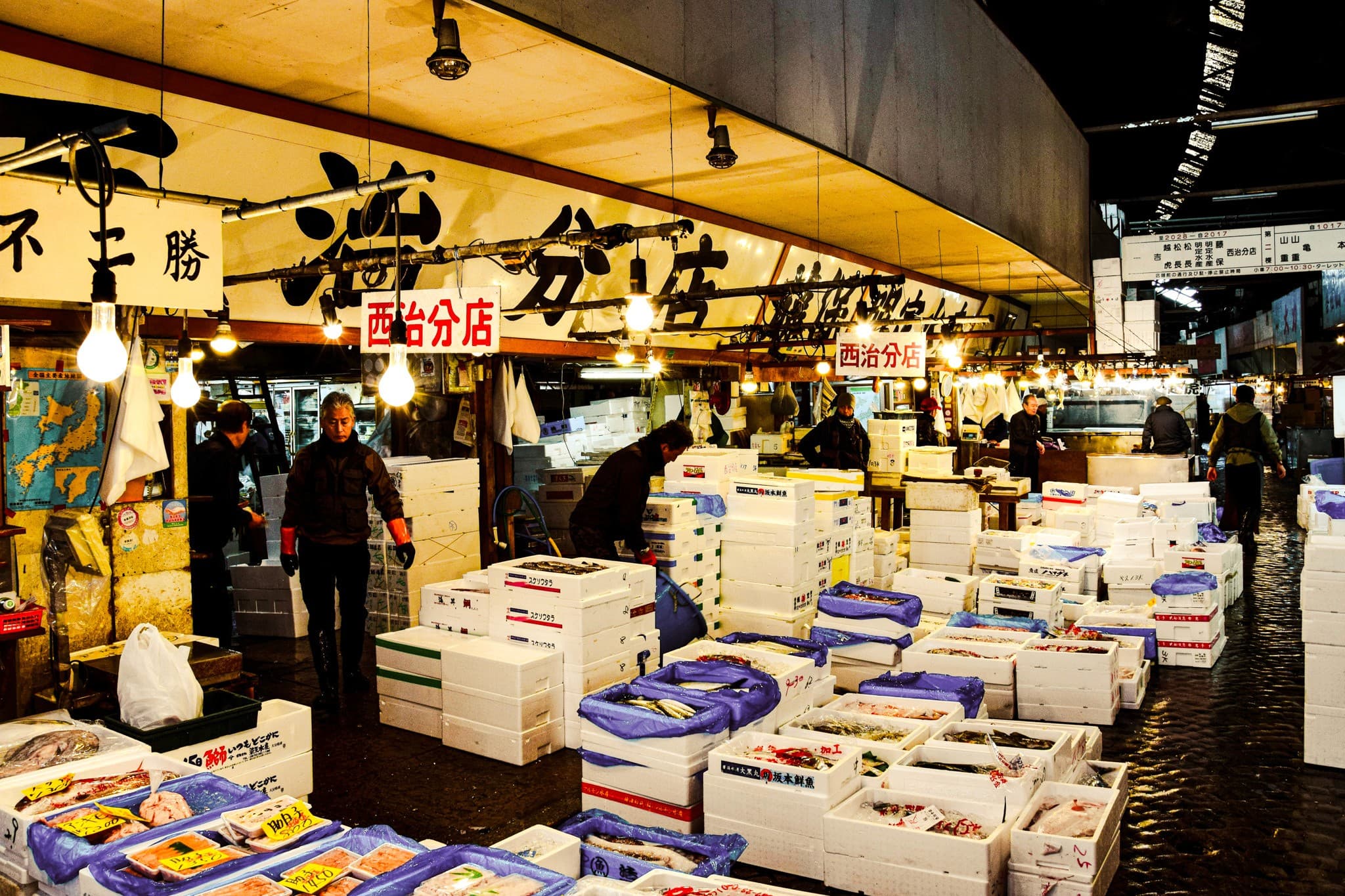
TSUKIJI WALKING TOUR
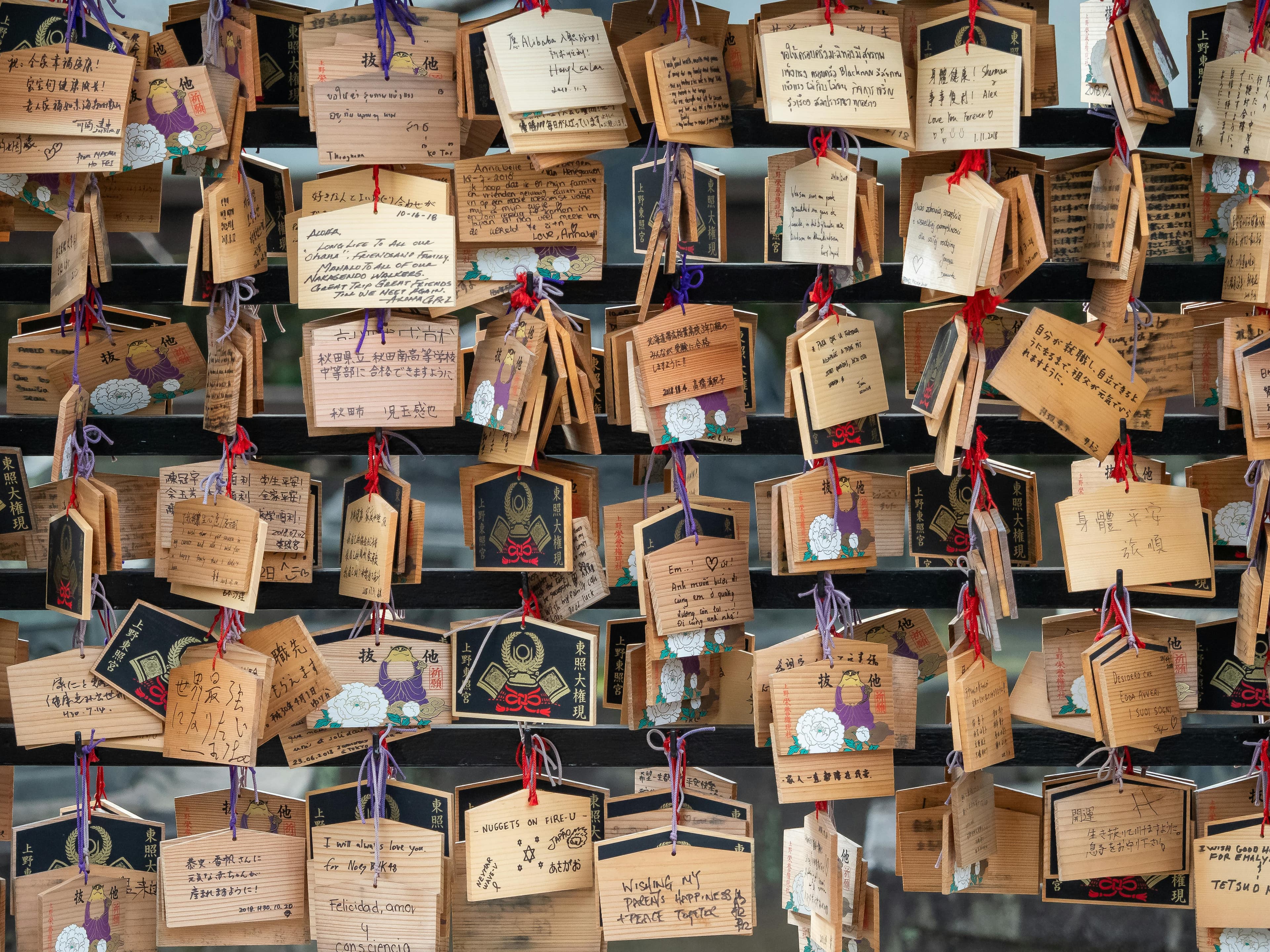
UENO ON FOOT
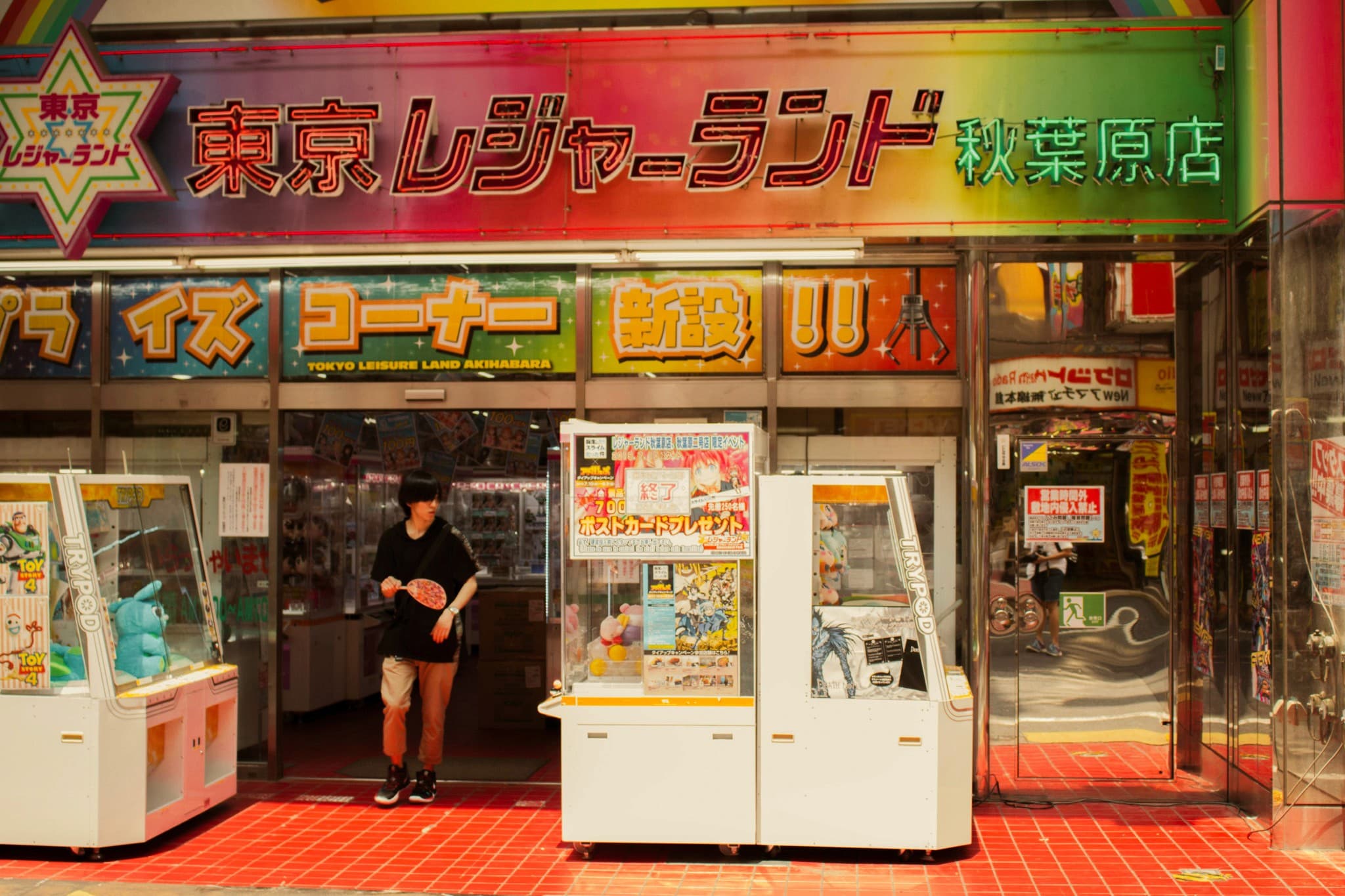
AKIHABARA WALKING