
Tokyo Architecture Private Tour | Seismic Design & Constraint Solutions
Understand the 1981 earthquake code that shaped every building. See residential constraint solutions that textbooks don't show.
Why Choose This Experience
Systems Over Spotting
Understand Tokyo's 1981 earthquake code, base isolation, seismic joints—why buildings exist, not just who designed them
Residential Constraint Solutions
Meguro and Ebisu's 3-meter lots where vertical stacking solves the unsolvable—architecture textbooks don't show this
Expert Itinerary Design
Architecture-informed routing built by design experts, delivered by engaging guides who explain without lecturing
Exterior Observation Mastery
Learn to read seismic joints, material choices, structural systems from streets—interiors show choices, streets show constraints
Tokyo Architecture Private Tour | Seismic Design & Constraint Solutions Highlights
What Our Guests Say
"I'd been to Tokyo many times before and still had never seen or heard of most everything he included in our tour. We liked it so much, we immediately booked a second day!"
"It felt like we were touring with a friend who lives in Japan. Rina adapted the tour for our diverse group — kids from 7 to their 20s. Some of our best memories were things she improvised."
"My family wanted anime stuff and everything else jam packed into the day. Satoshi did not disappoint. My family is still raving about this tour days later!"
"Felt like we'd known him for years. Wanted an authentic lunch with no Ramen for a change — a 3rd floor Hot Pot Restaurant we never would have found."
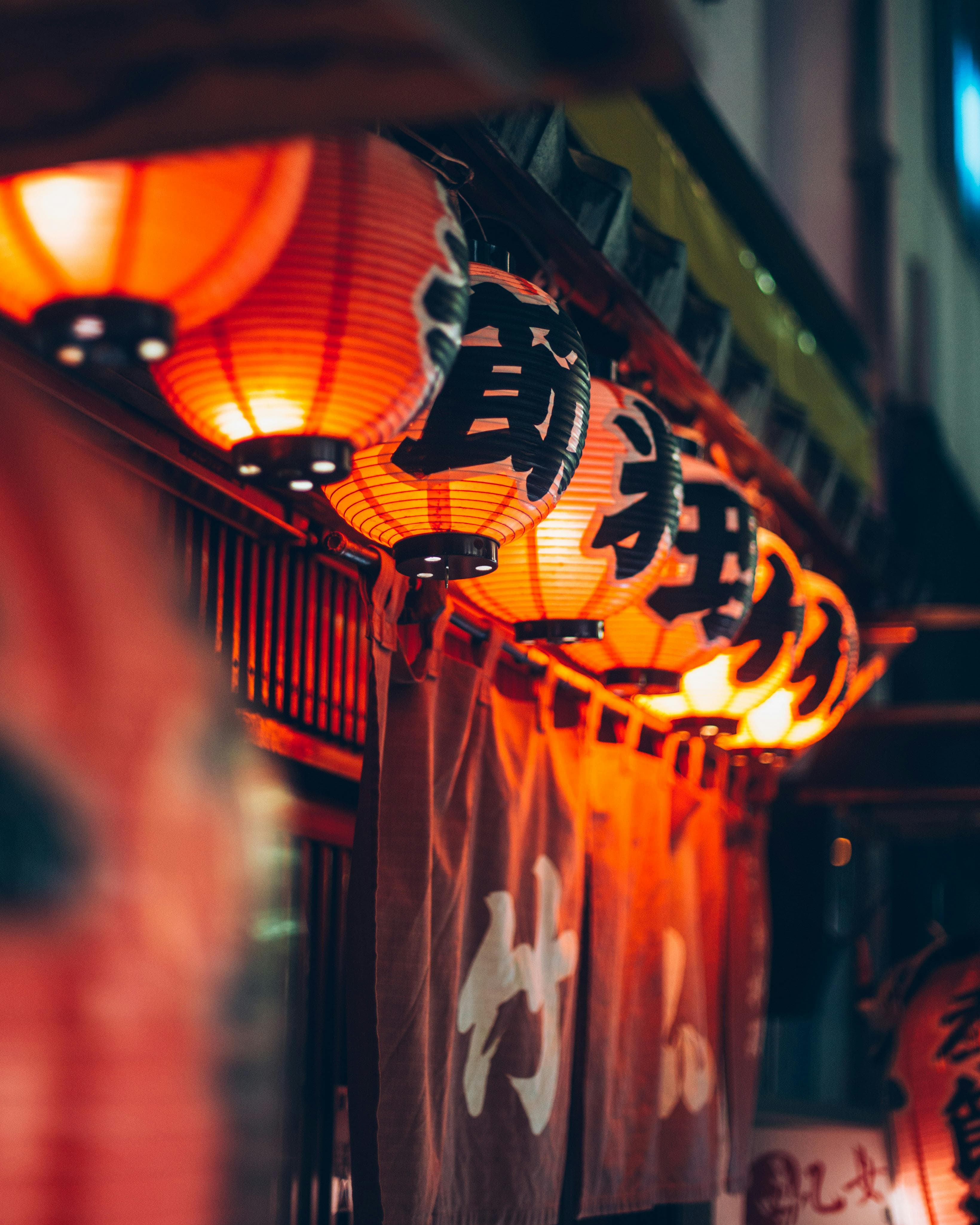
Izakaya Lanterns
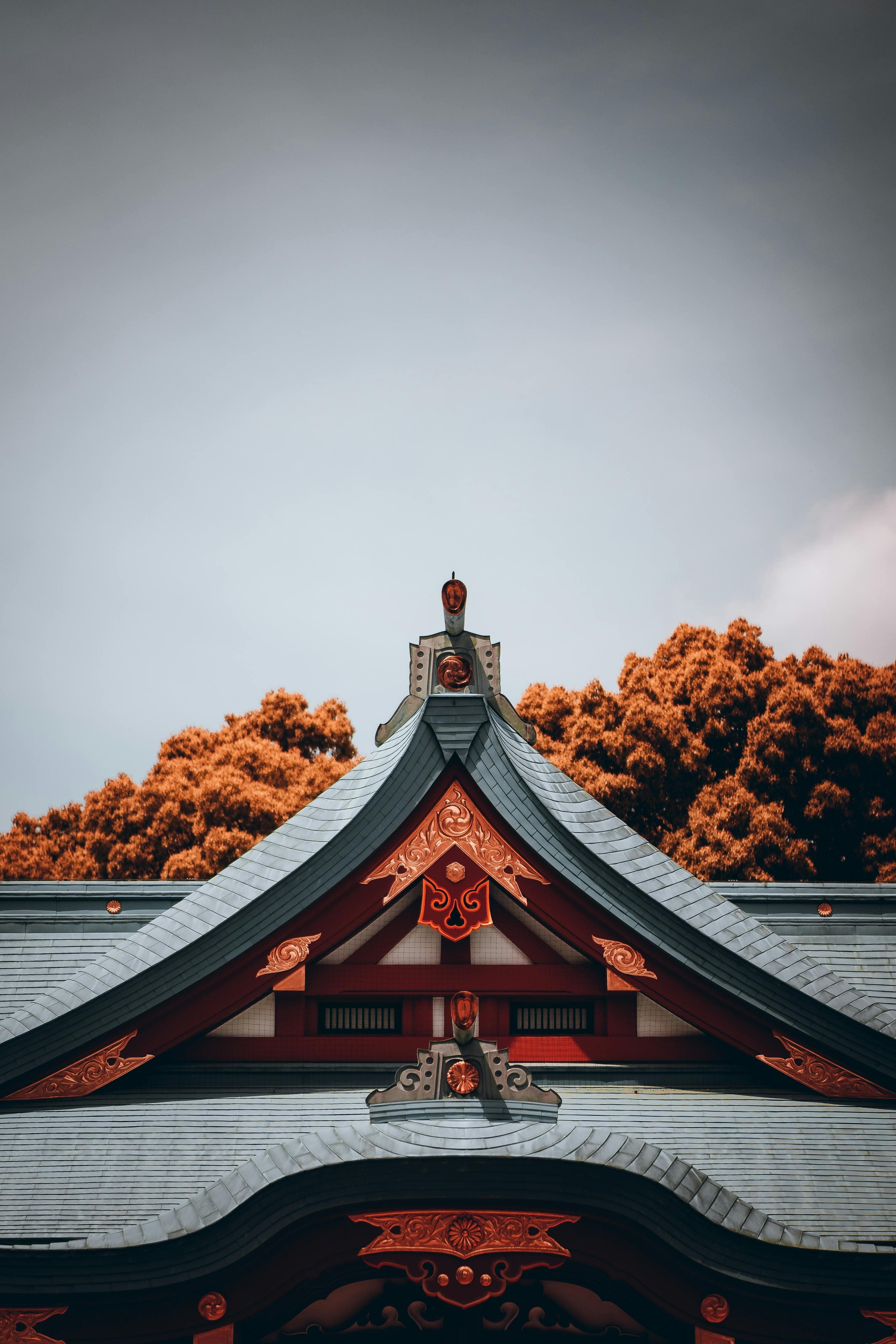
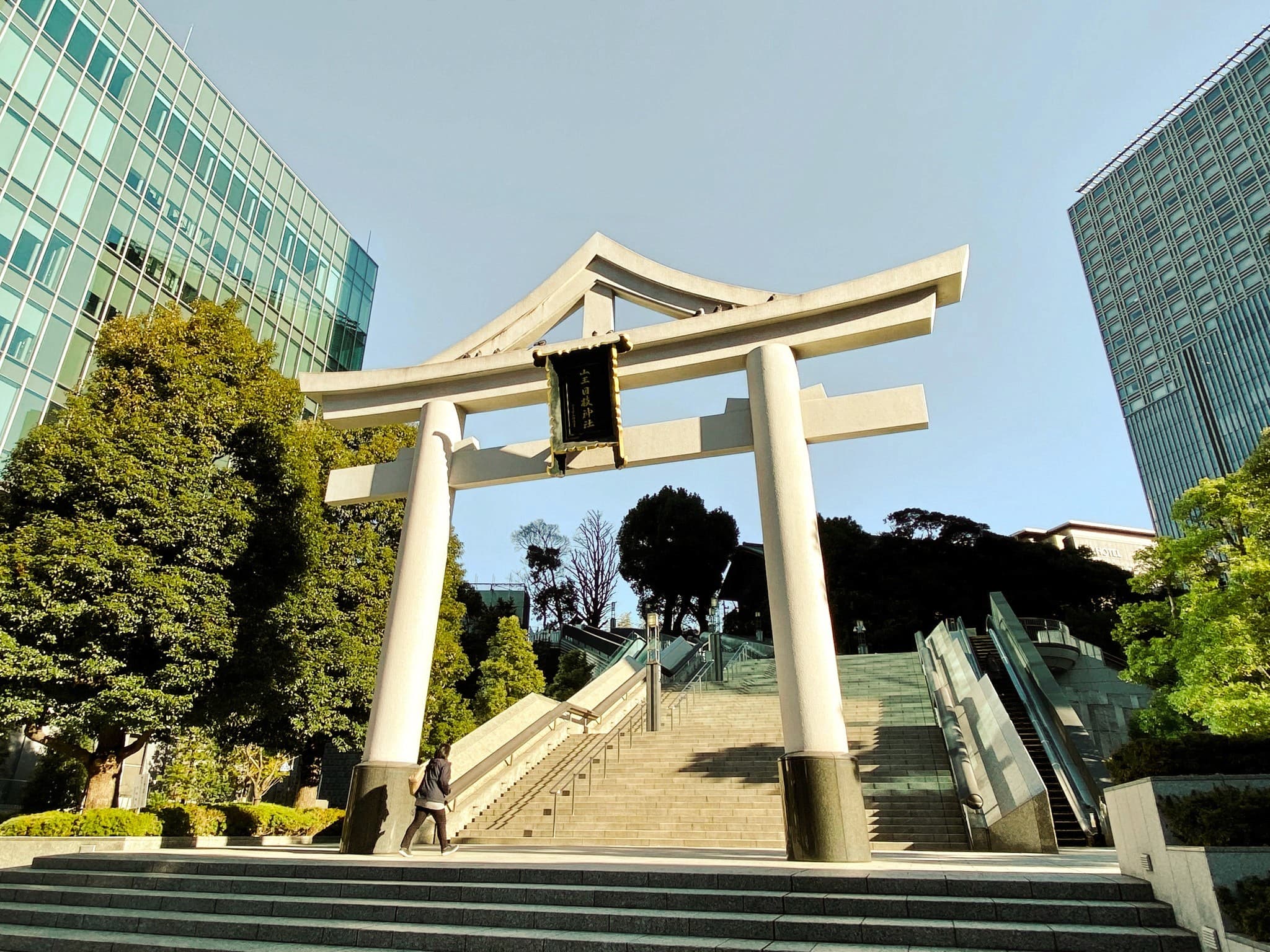
Hie Jinja Shrine
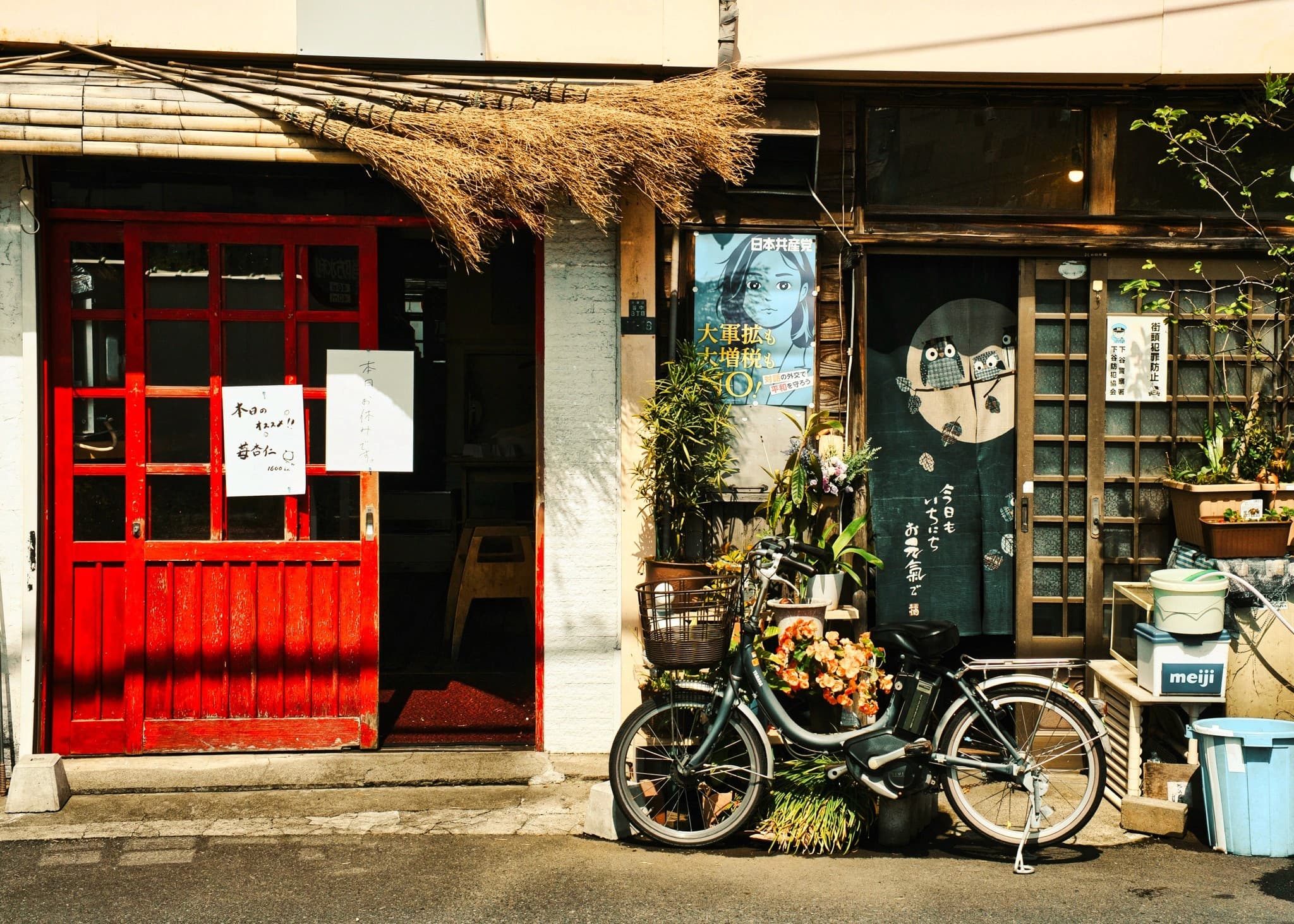
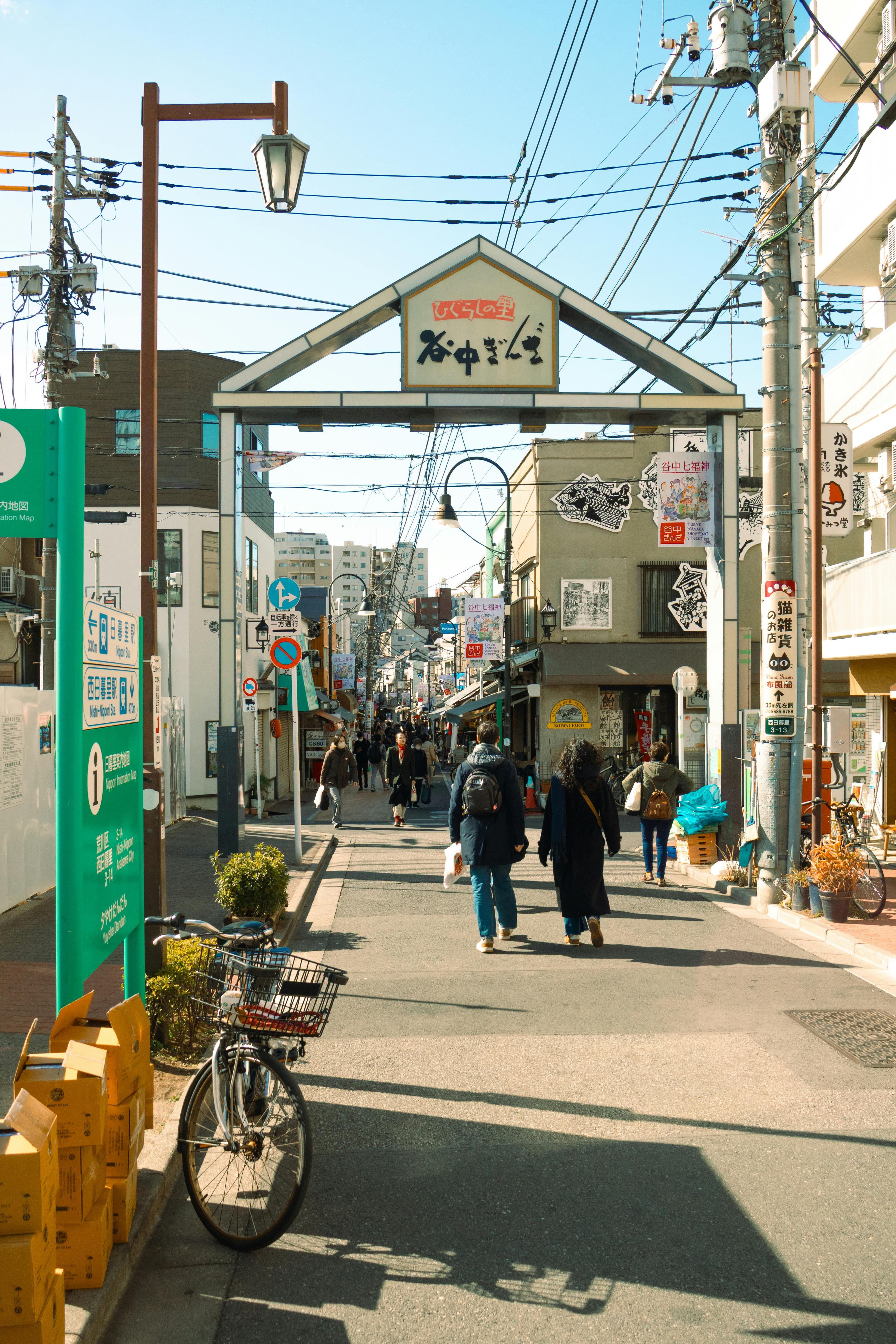
Yanaka Ginza Cafe
Your Journey
Residential Constraint Architecture
Start in Meguro or Ebisu's residential backstreets where 3-meter-wide lots force architects to stack vertically. These anonymous buildings reveal constraint logic that museum architecture obscures. Learn to spot staircases occupying 30% of ground floors, windows in unexpected locations solving natural light problems.
- Vertical stacking solutions where horizontal expansion is impossible
- Material choices driven by seismic flexibility, not aesthetics
- Nakameguro backstreets show residential constraint-solving at street level
Metabolism & Post-War Innovation
Yoyogi National Gymnasium (Kenzo Tange, 1964) used suspension roof structures—civil engineering from bridge construction because post-war material access was limited. National Museum of Western Art shows Japan's first base isolation retrofit (1998), visibly separated from ground.
- Metabolism movement emerged from post-war reconstruction needs
- Tange, Kurokawa, Maki designed adaptable structures for unknown configurations
- Base isolation vs. damping systems vs. reinforced frames—what protects what
Architect's Break
Lunch near observation site—cafe with views of discussed structures or quiet spot to process morning's technical content. Architecture tours demand mental processing time, not just food.
- Seated rest after sustained outdoor observation
- Photo review and question clarification
Omotesando Luxury Facades & Constraint
Hermes Ginza's 33,000 glass tiles exist for earthquake performance, not aesthetics. TOD's, Dior, Prada—luxury brands design for earthquakes and narrow lots. Your guide explains seismic joints, material seismic properties, base structures that look like aesthetic choices but solve code requirements.
- Even unlimited budgets cannot escape Tokyo's constraint-first logic
- Facade materials chosen for seismic flexibility visible in panel joints
- Omotesando's flat terrain and cafe breaks make it mobility-accessible
21_21 Design Sight & SunnyHills
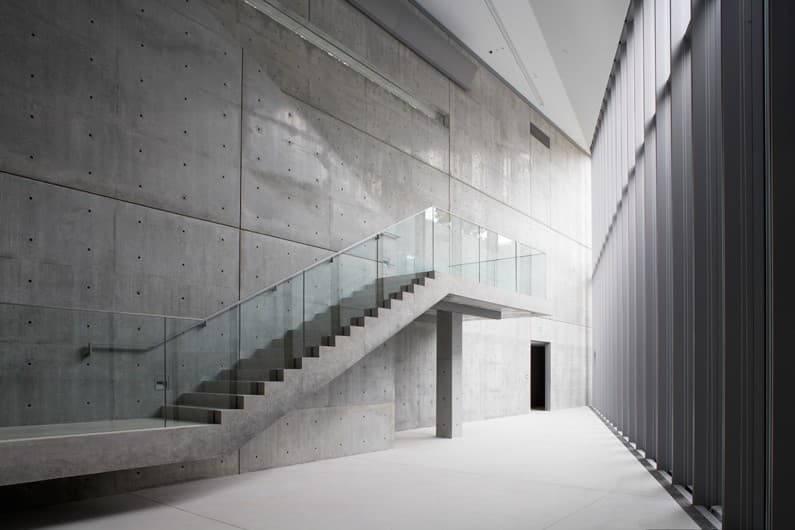
Tadao Ando's 70% underground 21_21 Design Sight shows minimalist geometry and spatial philosophy. Nearby, Kengo Kuma's SunnyHills pineapple cake shop uses traditional wood joinery with no nails—constraint-driven craft at commercial scale.
- Ando's concrete work and spatial manipulation
- Kuma's material innovation within traditional methods
- Design district context—why Roppongi concentrates contemporary architecture
Tower House & Watari Museum Area
If time allows, Jingumae's Tower House (1966) visible across from Watari Museum (Mario Botta, 1990). 65m² living on 20m² plot across six floors—a vertical solution that influenced a generation. Best visible winter when deciduous tree clears.
- Not a tourist destination—constraint-solving made architecture
- Aoyama's 'Killer Street' concentration of notable buildings
- Tour wraps by 5:30pm—evening free
This is merely a suggestion. Your itinerary is fully bespoke.
Your Private Experience Includes
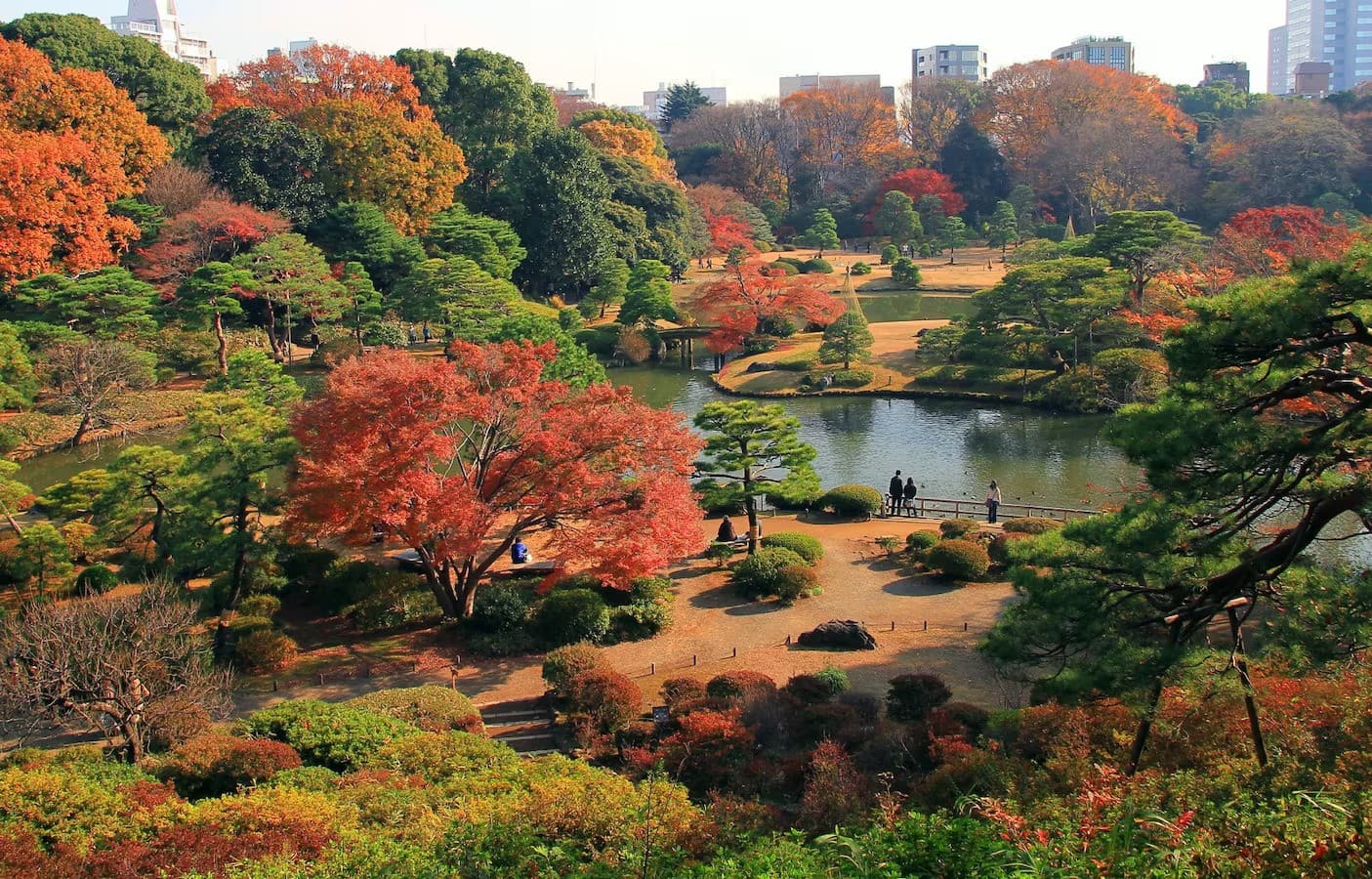
Rikugien
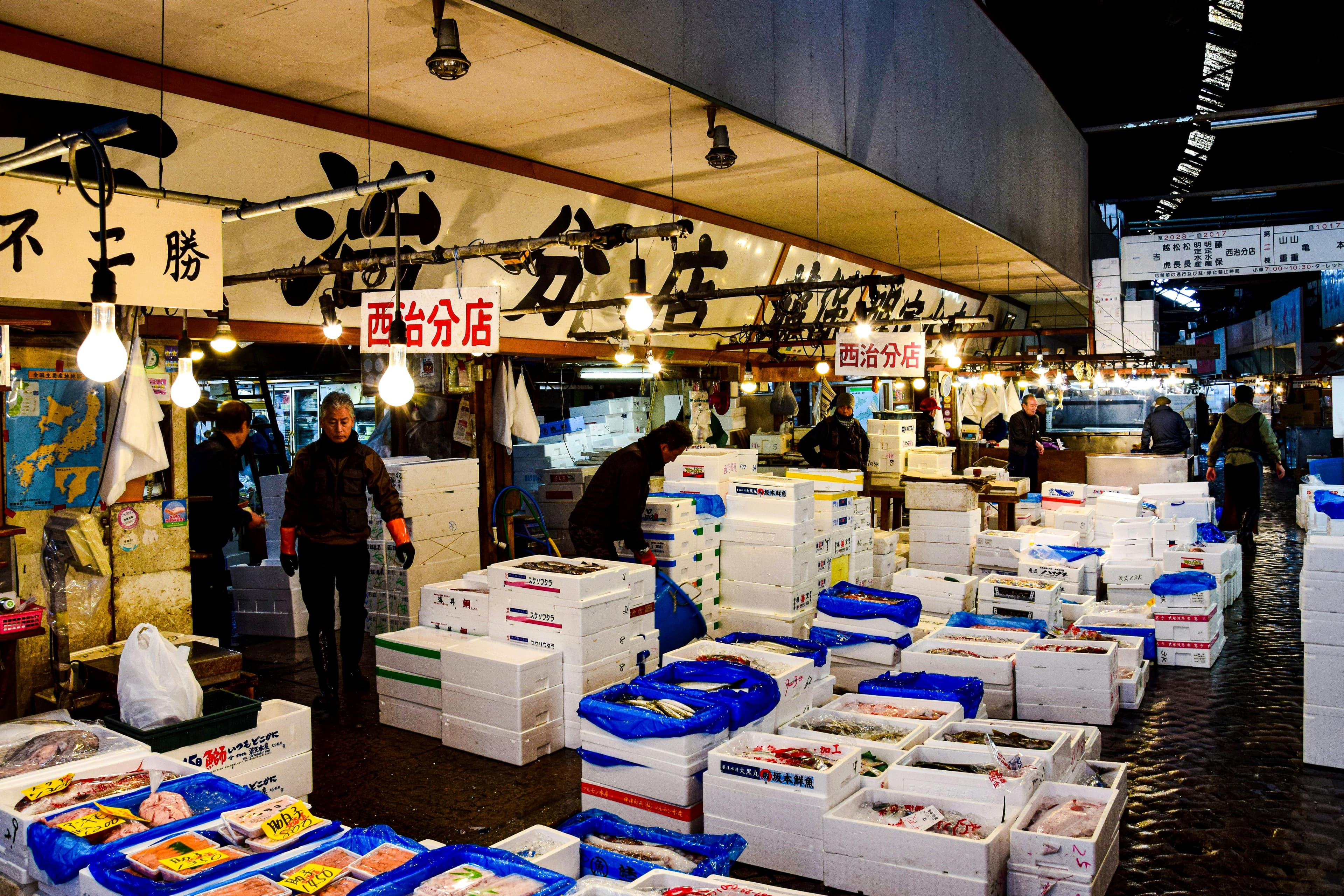
Tsukiji Market
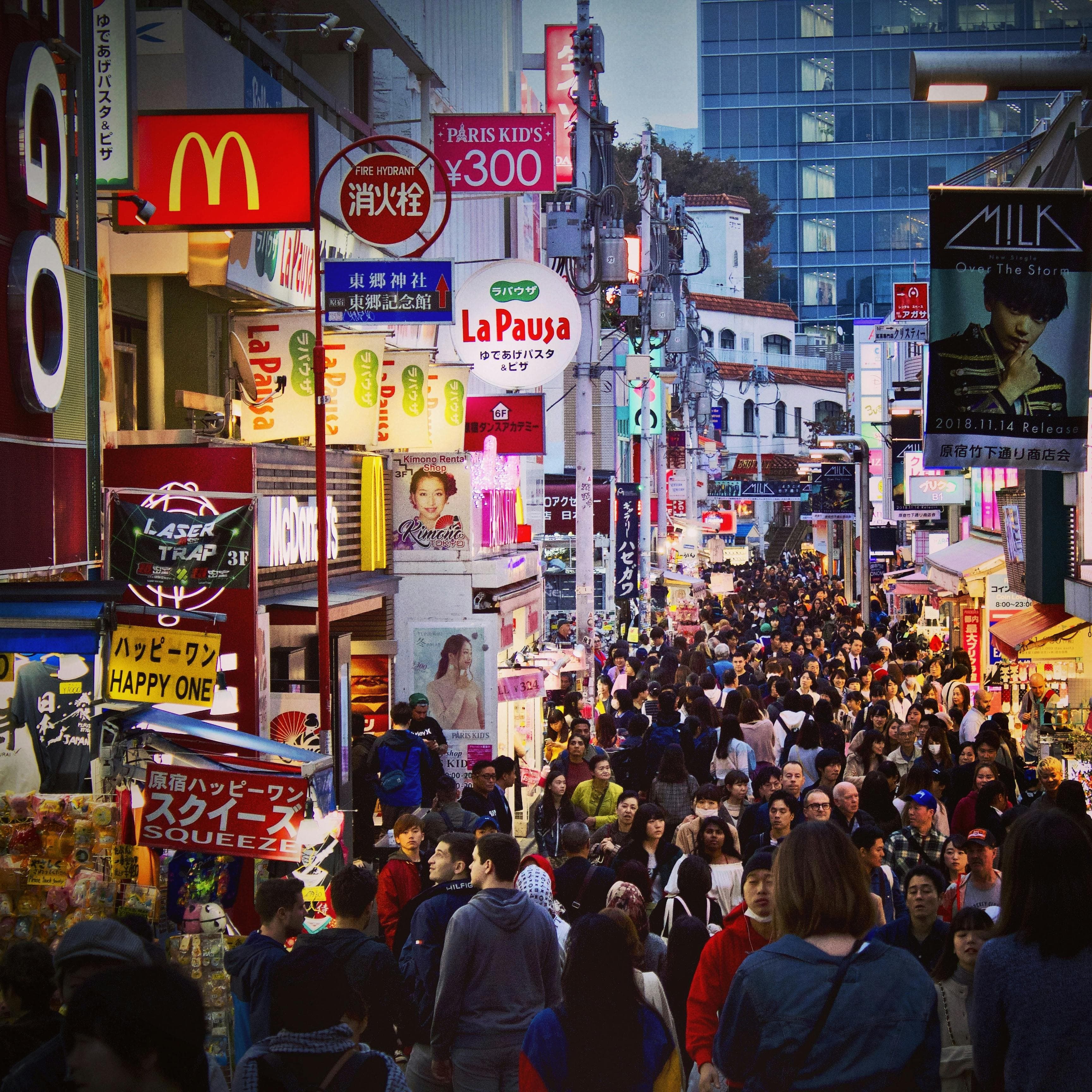
Harajuku - Takeshita Street