
English-Speaking Tour Guides in Tokyo
Language is table stakes. Cultural translation—explaining WHY things work—is the real value.
Why Choose This Experience
Context, Not Just Vocabulary
Why izakayas become corporate territory, what otoshi means, how Shimokitazawa preserved 1970s Tokyo—cultural systems explained
Guides Who Bridge Cultures
Satoshi: 20 years in America, explains Japanese work culture through dual lens—Rina: 2,200+ films watched, sees Tokyo through cinema
You'll Navigate Independently After
Learn the cultural logic behind train etiquette, restaurant customs, shrine rituals—context that sticks beyond the tour day
Pre-Matched, Not Day-Of Assignment
Consultation process matches you to a guide who fits your interests—you know their name before booking, not after
English-Speaking Tour Guides in Tokyo Highlights
What Our Guests Say
"I'd been to Tokyo many times before and still had never seen or heard of most everything he included in our tour. We liked it so much, we immediately booked a second day!"
"It felt like we were touring with a friend who lives in Japan. Rina adapted the tour for our diverse group — kids from 7 to their 20s. Some of our best memories were things she improvised."
"My family wanted anime stuff and everything else jam packed into the day. Satoshi did not disappoint. My family is still raving about this tour days later!"
"Felt like we'd known him for years. Wanted an authentic lunch with no Ramen for a change — a 3rd floor Hot Pot Restaurant we never would have found."
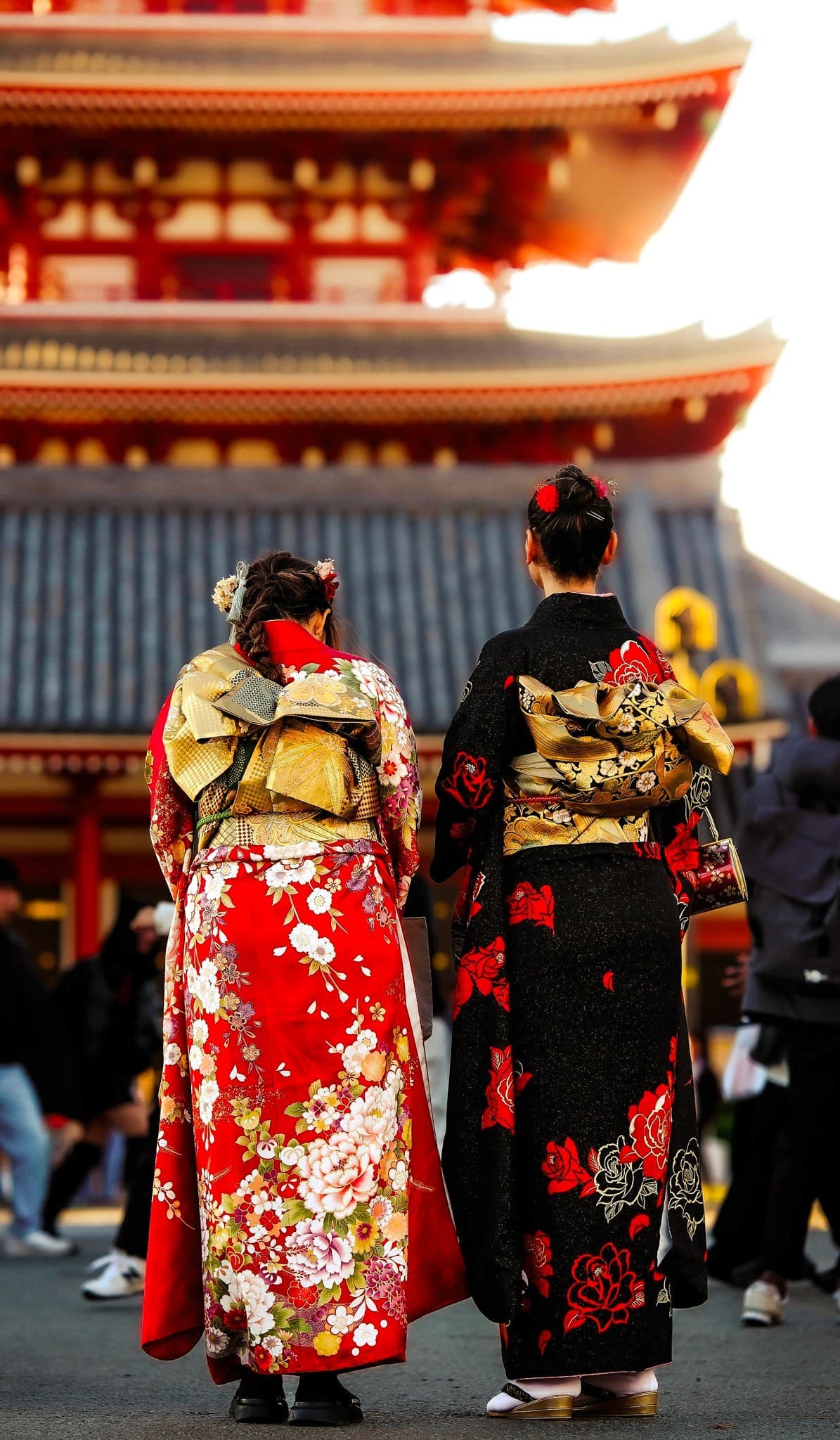
CULTURAL CONTEXT
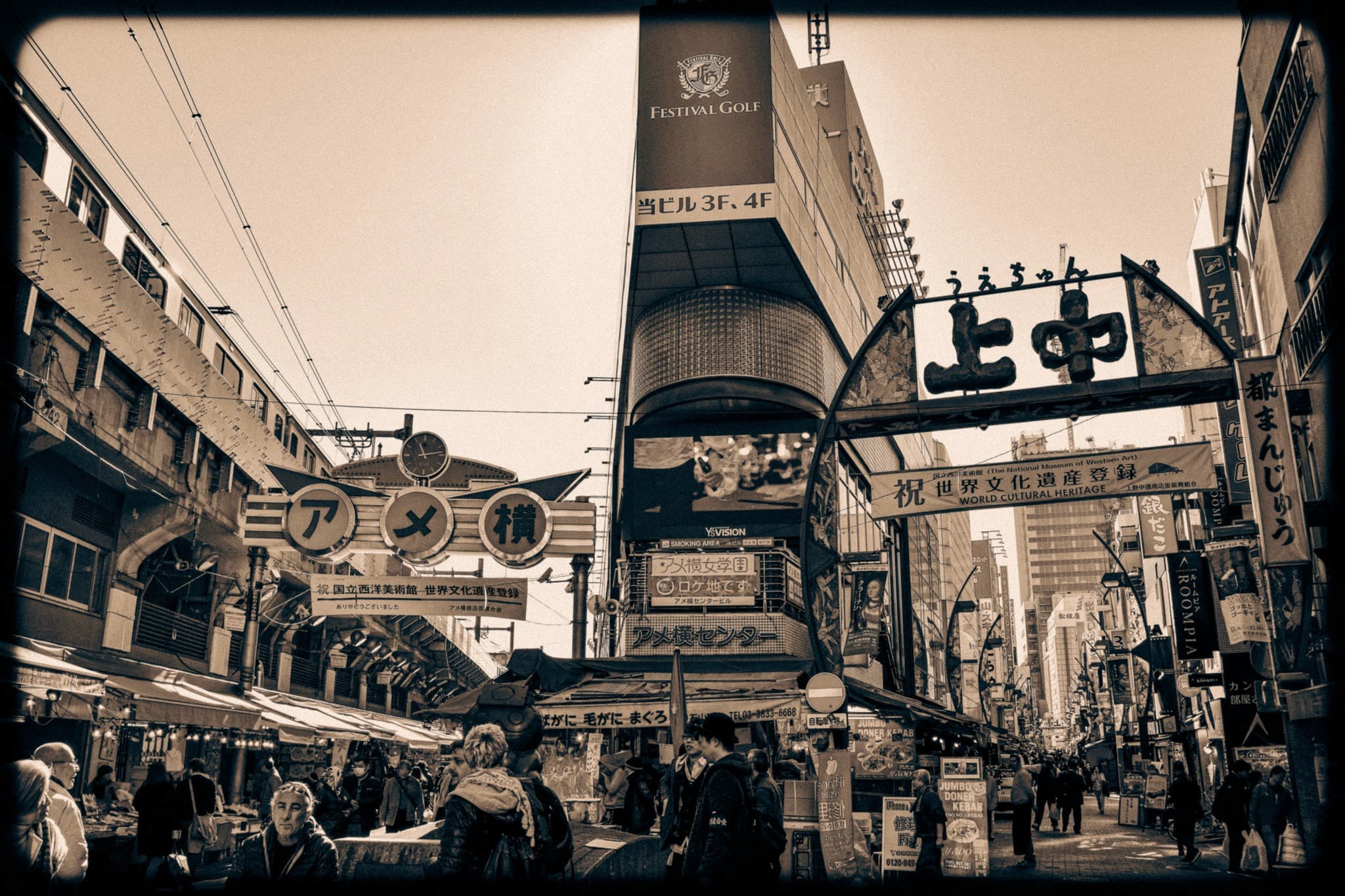
MARKET TRANSLATION
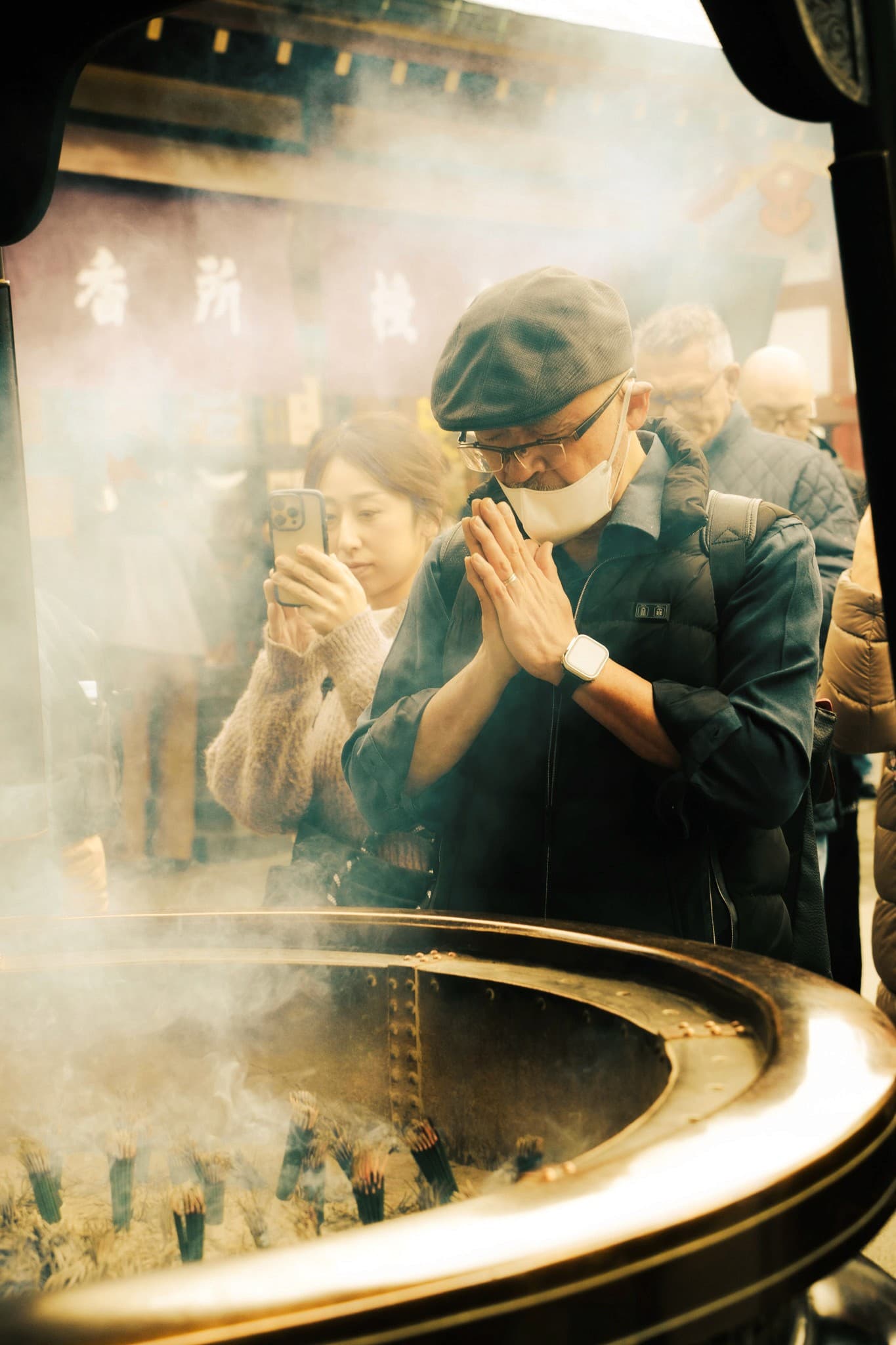
RITUAL EXPLAINED
Your Journey
Tsukiji Market — Cultural Food Context
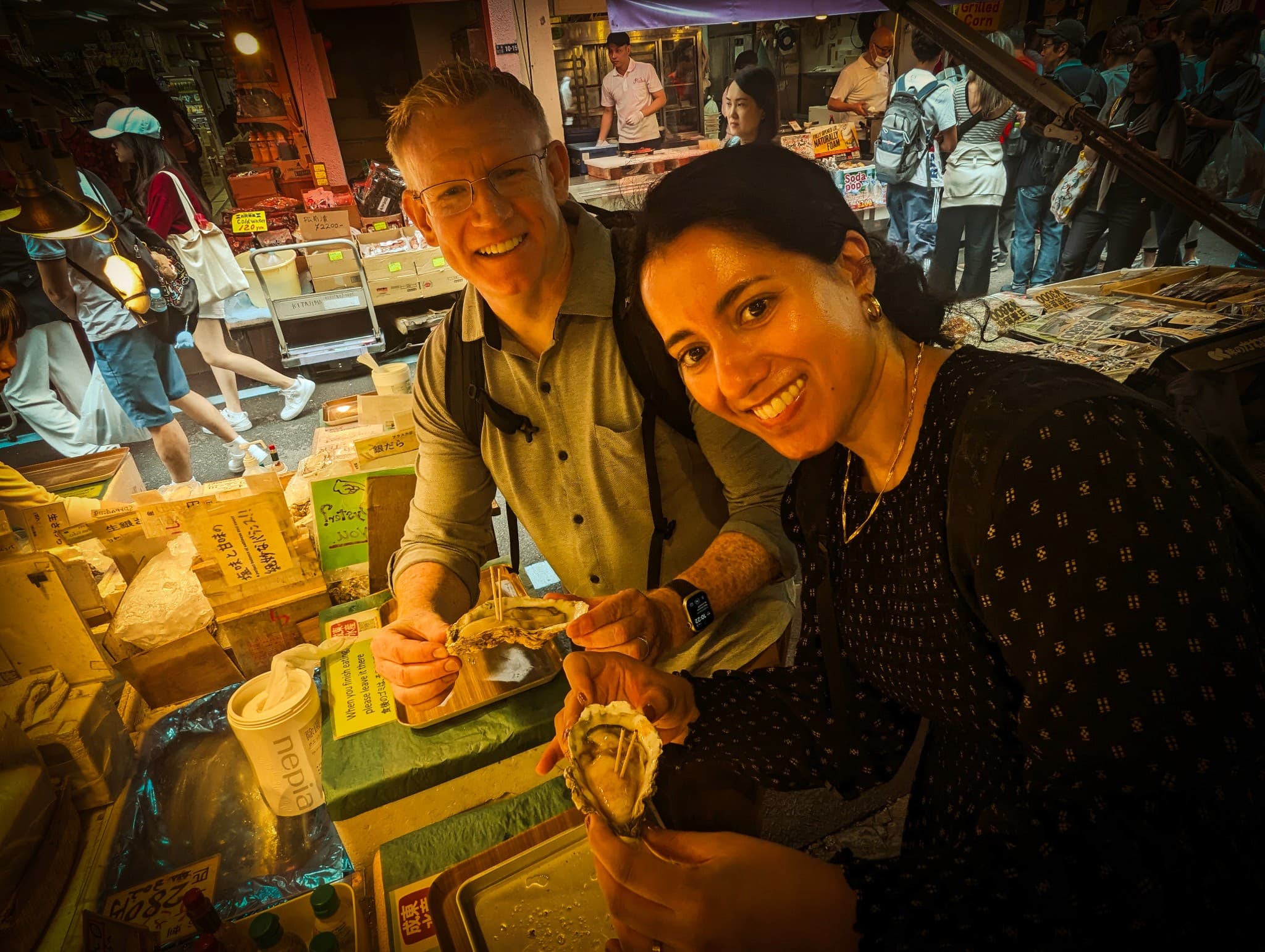
Your English-speaking guide meets you at hotel and navigates to Tsukiji. Walking market aisles, they explain: why vendors call out 'irasshaimase' constantly (inviting energy, not addressing you directly), what noren curtains signal (shop is open when hanging, closed when stored), how auction buyers inspect tuna quality (fat lines, tail core samples). You taste tamagoyaki—guide translates why this sweet egg dish became breakfast staple (protein shortage post-war, eggs were affordable luxury).
- Not just 'this is tamagoyaki'—WHY tamagoyaki exists and matters
- Guide orders for you, explaining menu items and vendor etiquette in English
- Cultural translation transforms food sampling into understanding Japanese culinary logic
Ueno Park & Toshogu Shrine — Meiji Transformation
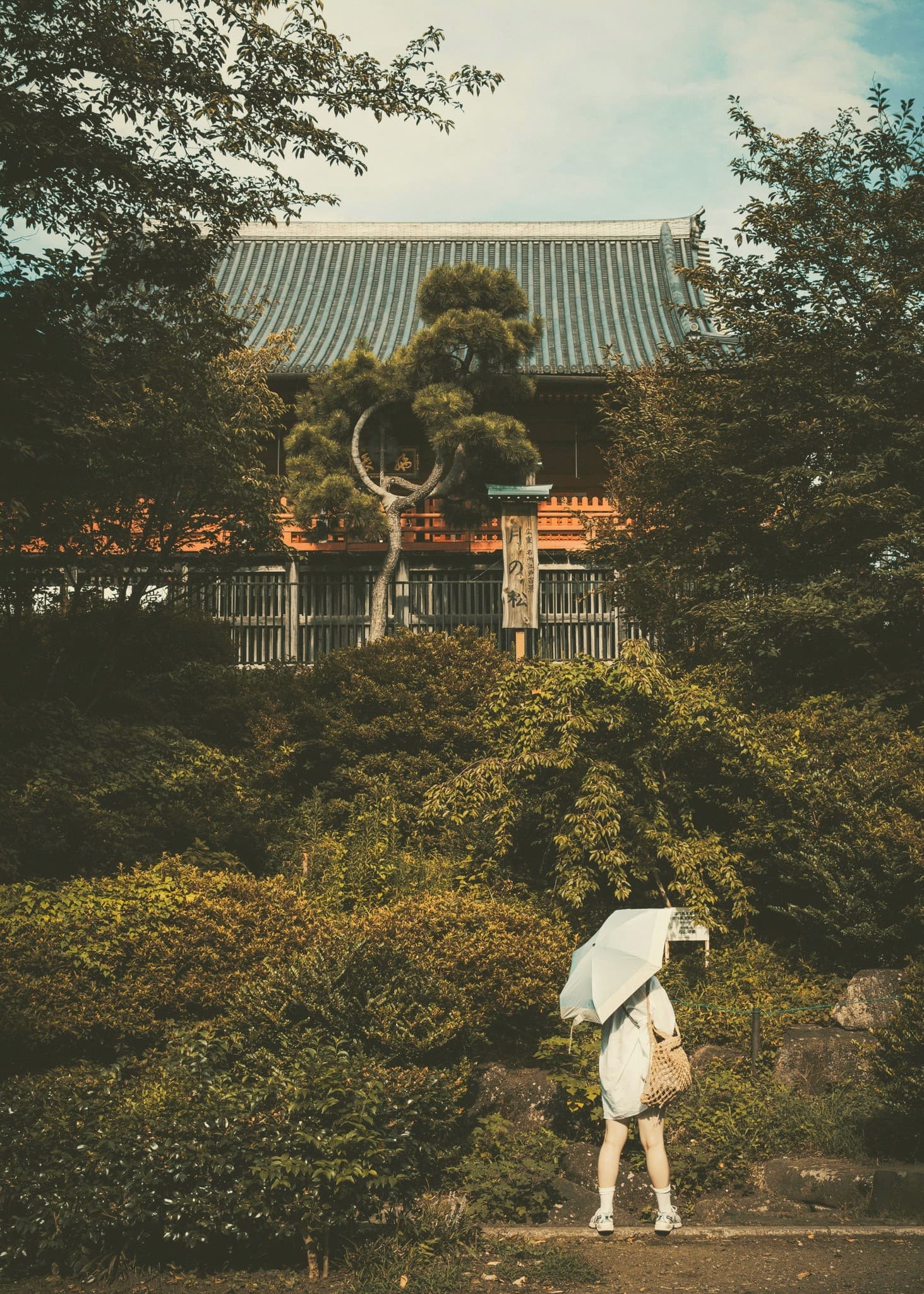
Walk Ueno's shaded paths while guide explains: this was Tokugawa family temple grounds until Meiji Restoration. New government transformed it into public park with zoo, museums, and cultural institutions—intentionally democratizing space that was restricted. At Toshogu Shrine, guide translates ema plaques (wooden wishes): students pray for exam success here because Tokugawa Ieyasu valued education. Context turns park stroll into understanding how modern Japan redefined public space.
- English explanations reveal political transformation embedded in landscape
- Guide reads ema wishes aloud, translating what locals pray for and why
- You learn cultural priorities through what people ask gods for
Ameyoko Market & Marishiten Temple — Merchant Culture
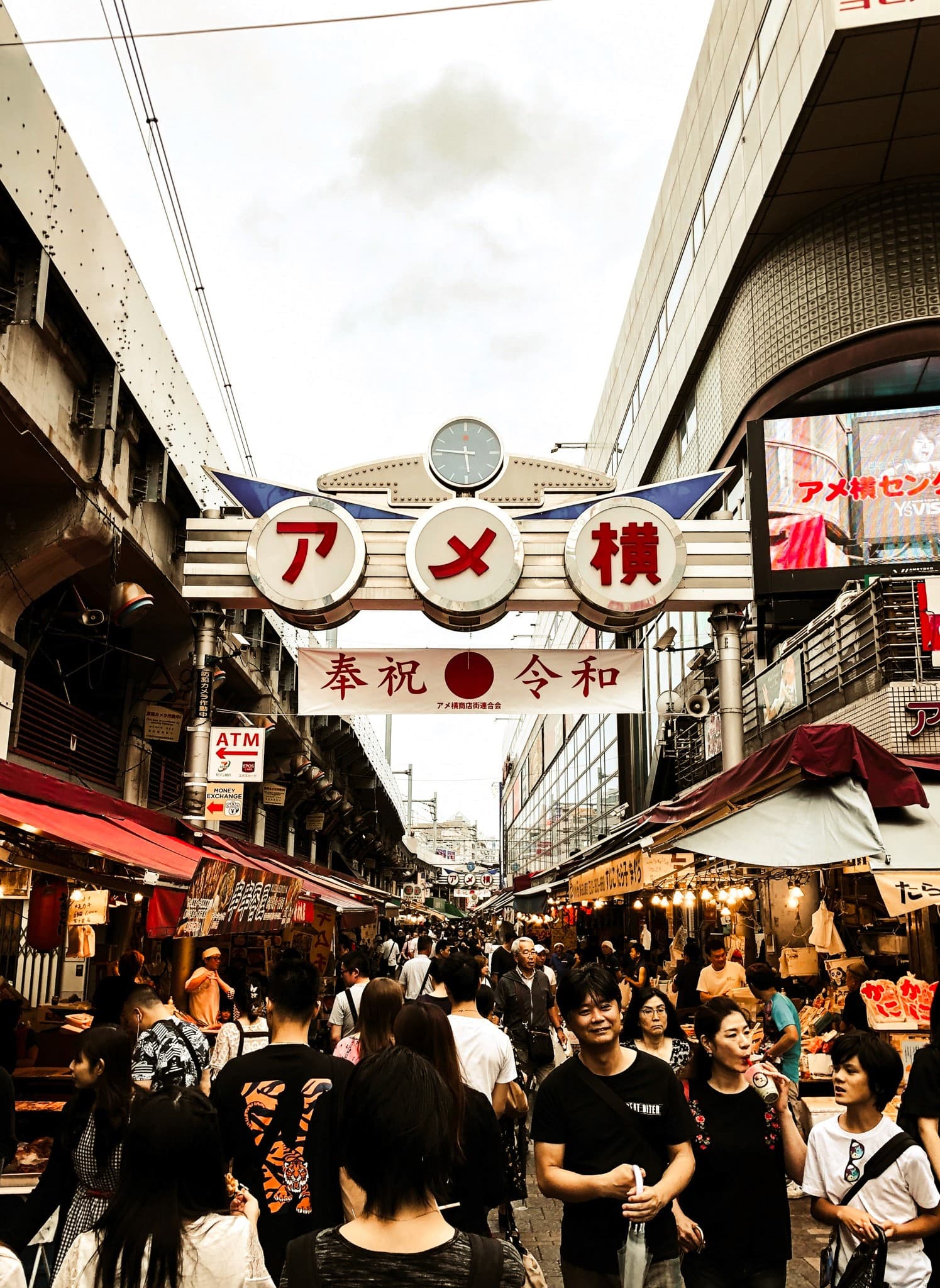
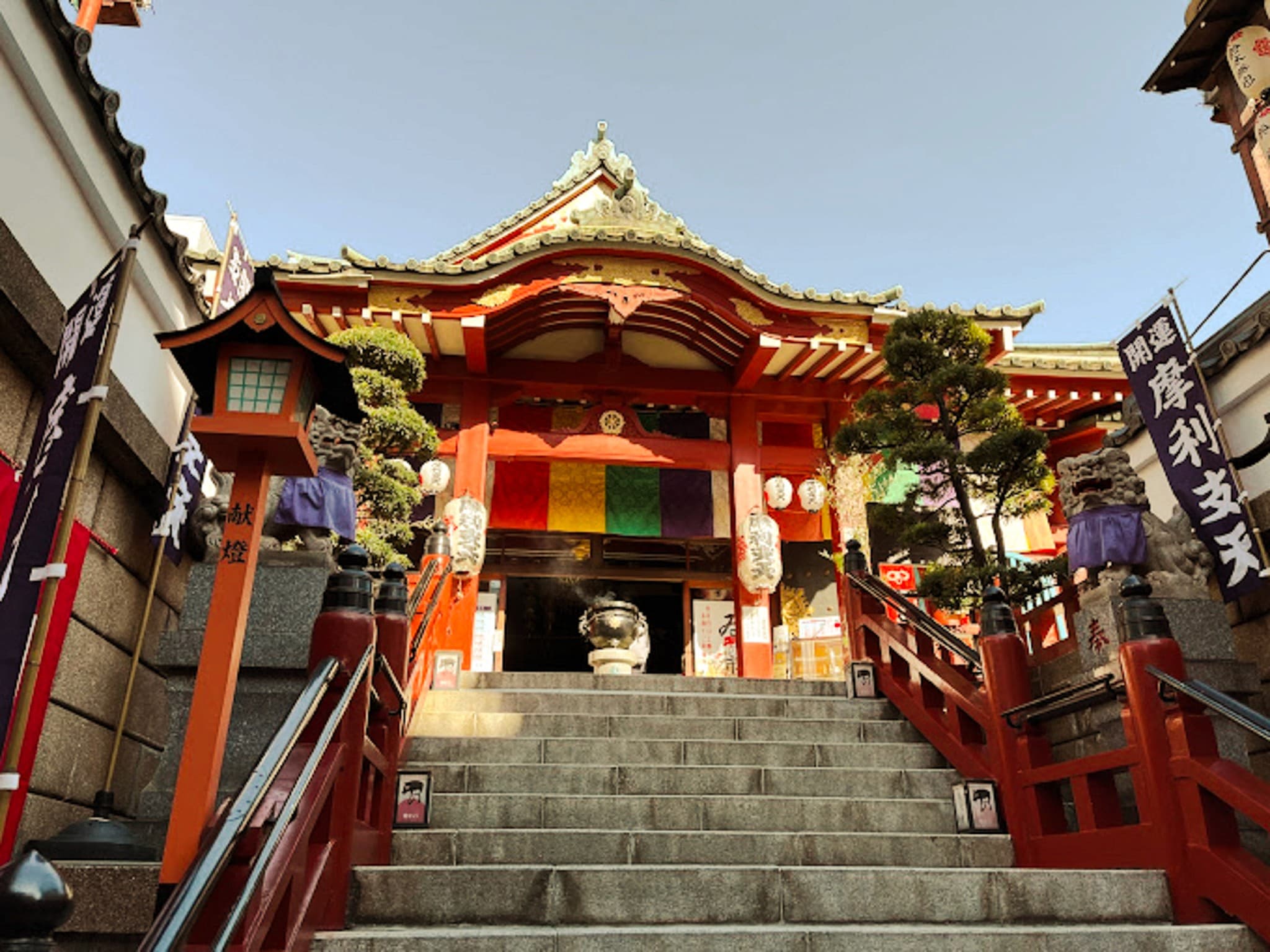
Navigate Ameyoko's vendor chaos while guide explains: post-war black market origins, why certain shops cluster (dried fish together, discount clothing together), how bargaining works (expected at some stalls, insulting at others). Climb stairs to Marishiten Temple above—guide translates why merchants worship here (Marishiten protects commerce, temple positioned above market intentionally). Cultural context transforms crowded shopping street into understanding Japan's merchant traditions.
- Guide explains which vendors welcome browsing vs. buying—etiquette decoded
- Marishiten deity's role in Buddhist merchant culture explained in English
- You learn when to bow, when to sample, when to buy—unwritten rules made explicit
Senso-ji Temple & Asakusa — Ritual Meanings
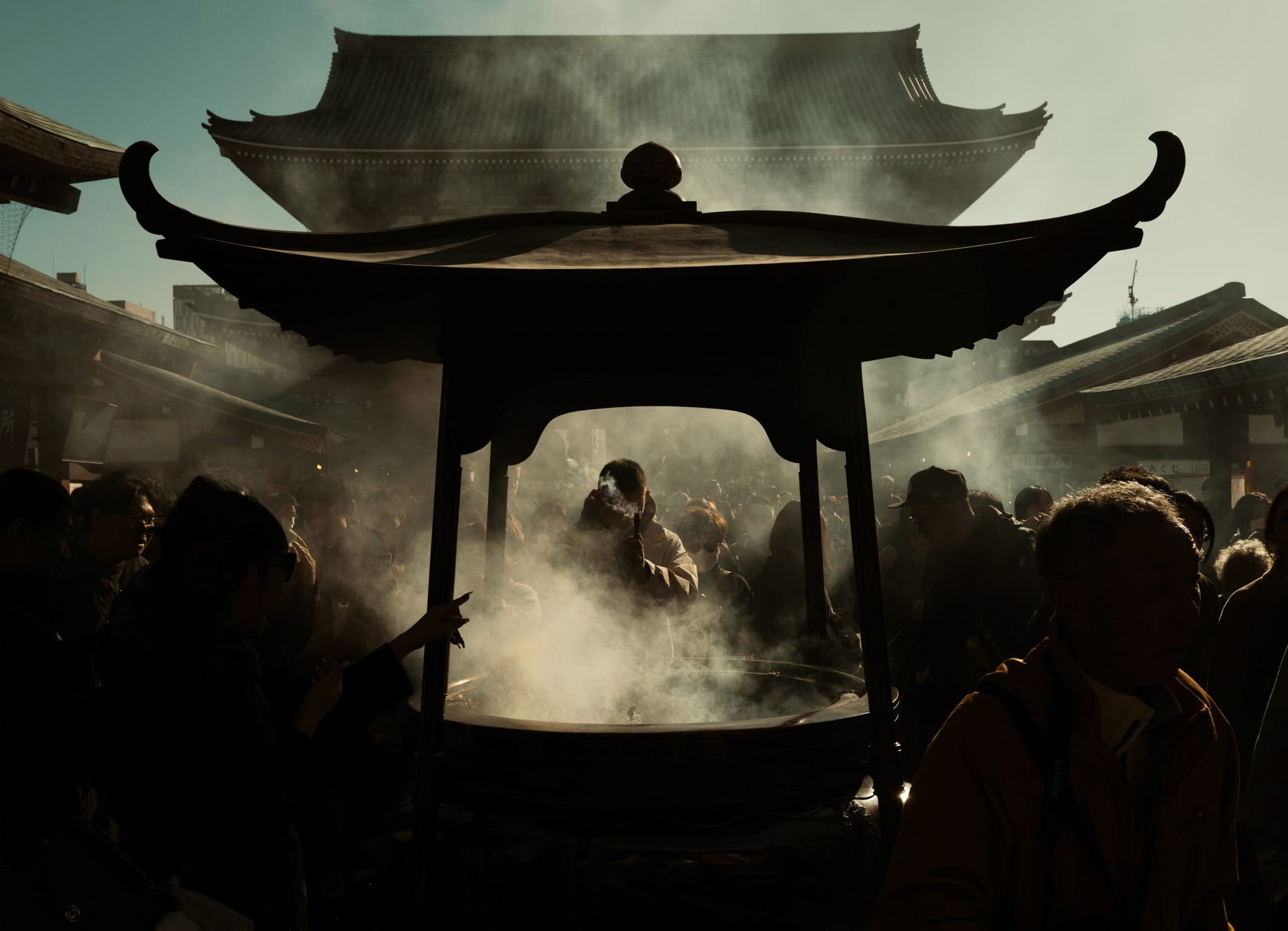
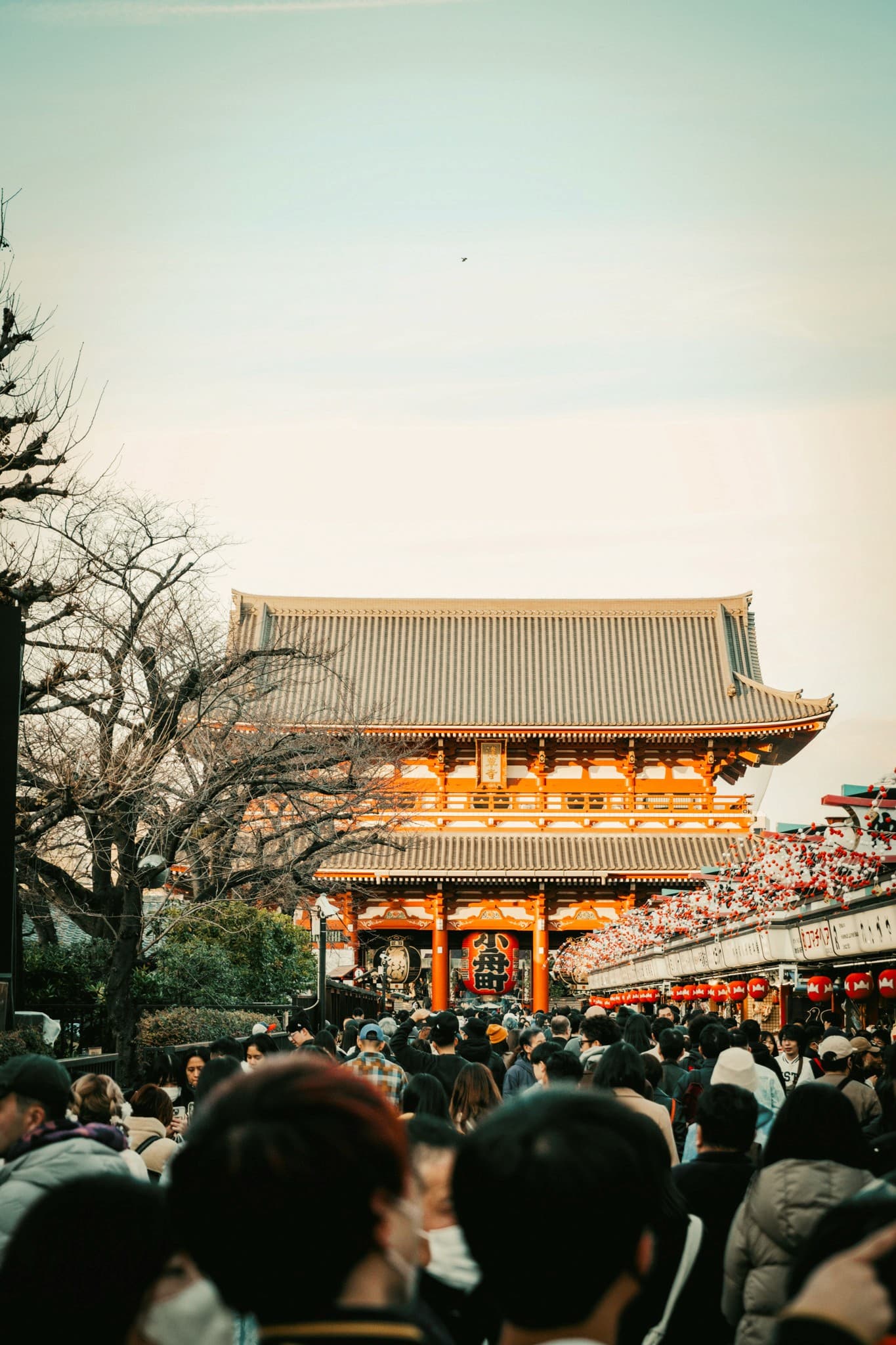
Approach Tokyo's oldest temple while guide explains: why you purify hands at water basin first (Shinto cleansing ritual before Buddhist prayer), what omikuji fortune papers mean (kichi = good luck, kyo = bad luck tied to rack to leave behind), why incense smoke gets wafted over body (believed to heal ailments). Wander Nakamise Street—guide identifies which vendors have operated for generations vs. modern souvenir chains. Context turns temple visit into understanding how Japanese blend Shinto and Buddhist practices daily.
- Every ritual step explained in English: why, not just what
- Guide translates fortune papers and explains how locals interpret them
- Nakamise vendor history decoded—who's been here since Edo period vs. recent additions
Ura Asakusa Backstreets — Edo Preservation
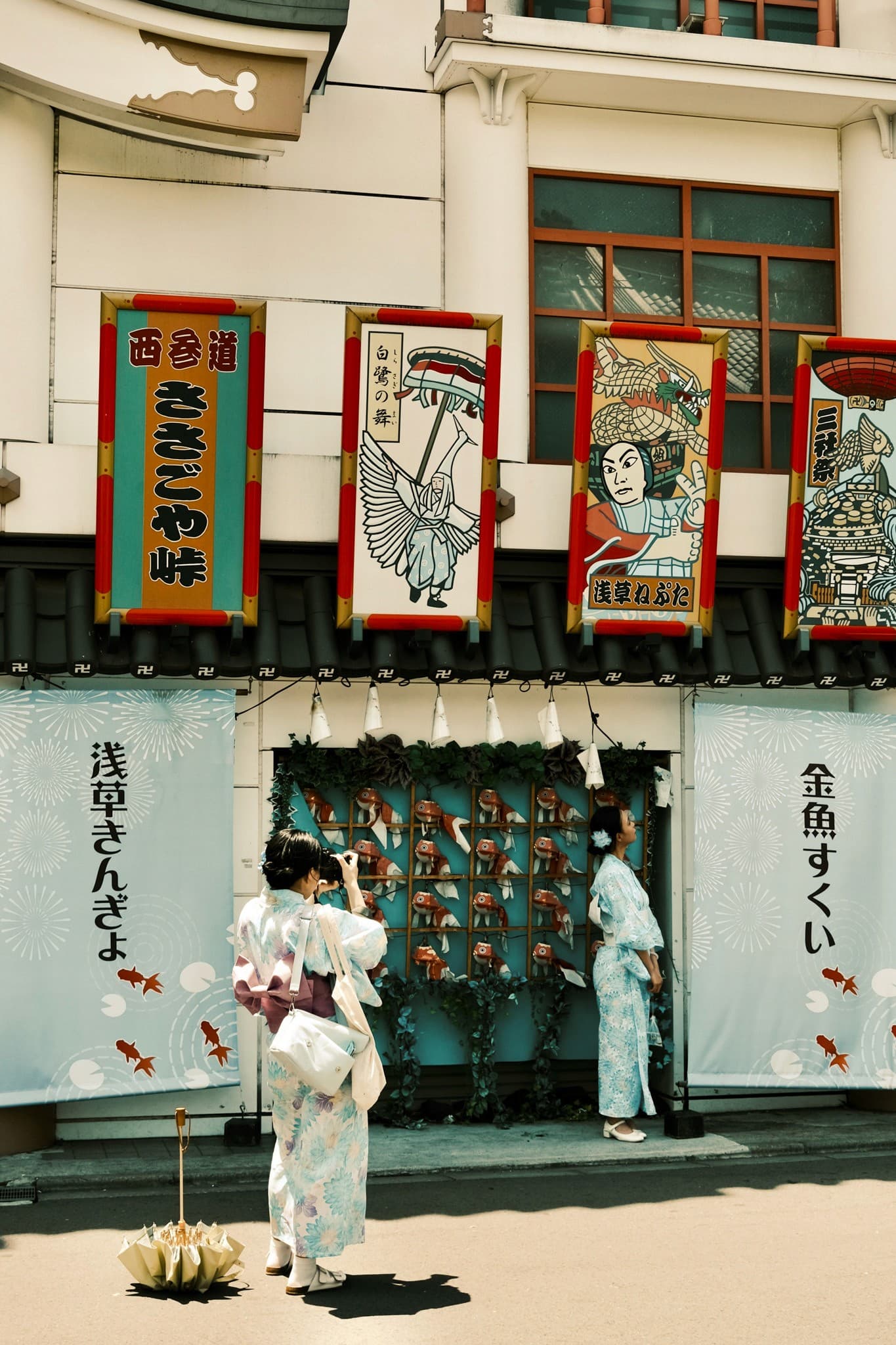
Walk alleys behind Senso-ji while guide explains: why these lanes survived when surrounding areas rebuilt (too narrow for modern development codes, earthquake/firebombing luck), what noren designs signal (family crests, shop specialties), how traditional sweet shops operate (wagashi made daily, display cases show today's offerings). You pass lantern maker's workshop—guide explains kamon (family crest) customization process. Context turns backstreet wandering into understanding how Edo-period craft traditions persist.
- Guide identifies architectural details you'd miss: roof tiles, doorway designs, shop signs
- Explains why certain buildings survived 1923 earthquake and 1945 firebombing
- You learn to read visual cues that tell a building's age and purpose
Yurakucho Gado-Shita — Corporate Drinking Culture
Arrive as salarymen file into railway-track izakayas. Guide explains: why after-work drinking is mandatory-but-not (refuse and you're antisocial, but must appear reluctant), why groups matter (hierarchy softens in groups, drinking alone with boss creates pressure), why certain bars become territory (mama-san knows everyone's usual, becomes confidante). Order yakitori—guide translates cuts (nankotsu = cartilage, tebasaki = wing, hatsu = heart) and explains drinking etiquette (pour for others, never yourself). Context turns bar visit into understanding how Japanese corporate culture actually functions after 6pm.
- Guide navigates ordering in Japanese, explains each dish's cultural context in English
- Drinking rules decoded: when to toast, how to pour, what kampai means vs. otsukaresama
- You learn why izakayas are relationship infrastructure, not just restaurants
This is merely a suggestion. Your itinerary is fully bespoke.
Your Private Experience Includes
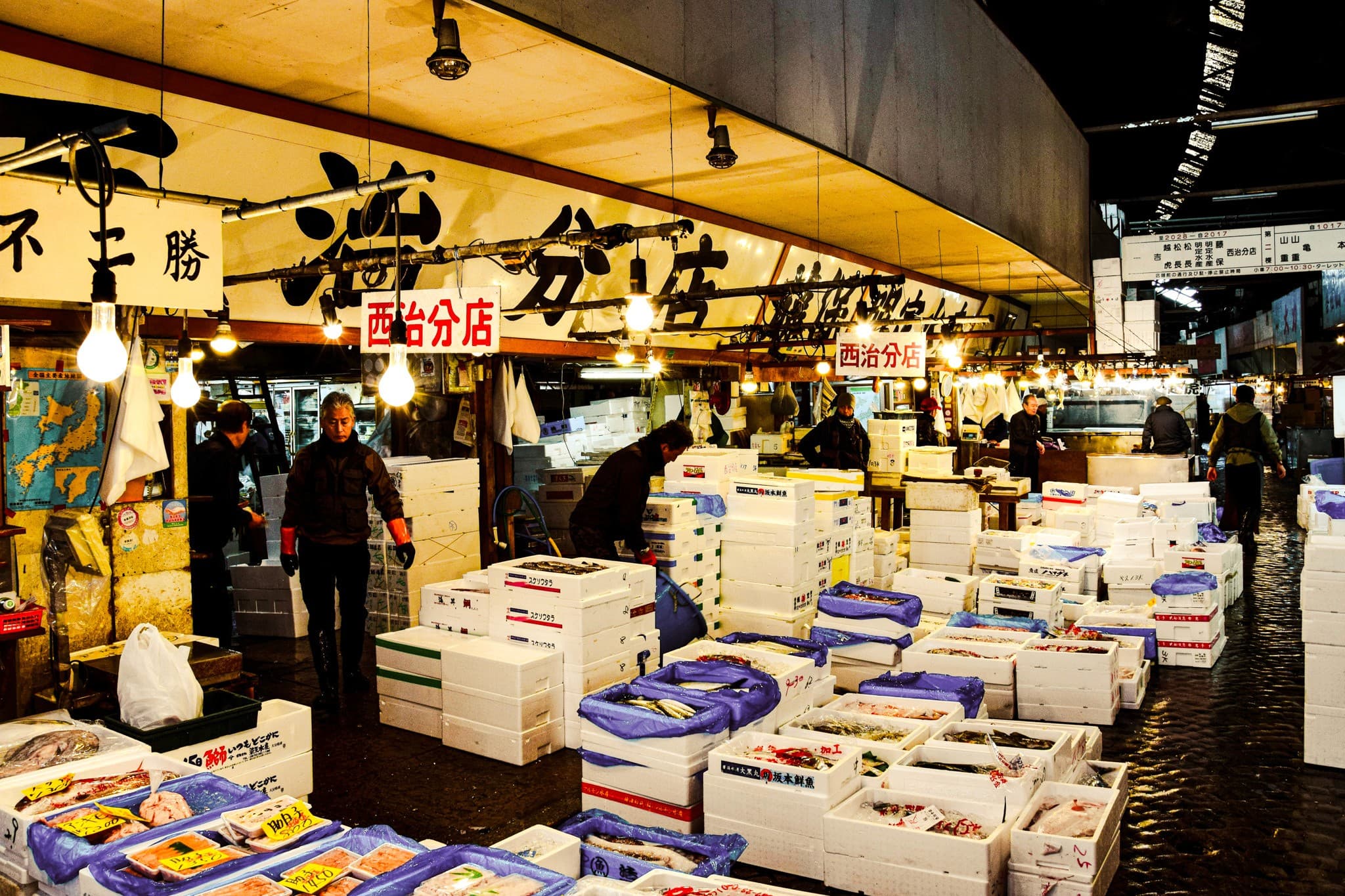
TSUKIJI CONTEXT
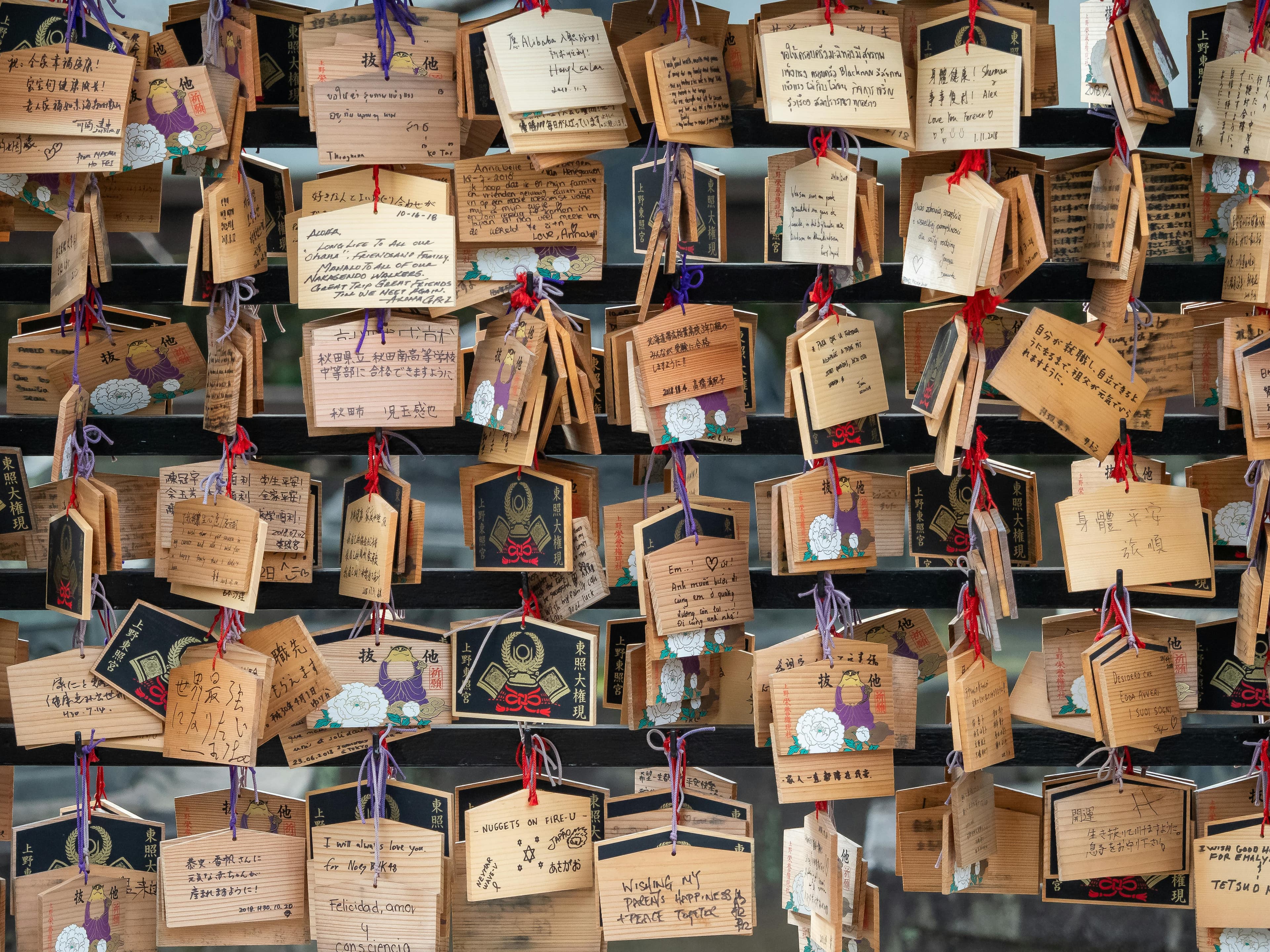
EMA PLAQUE MEANINGS
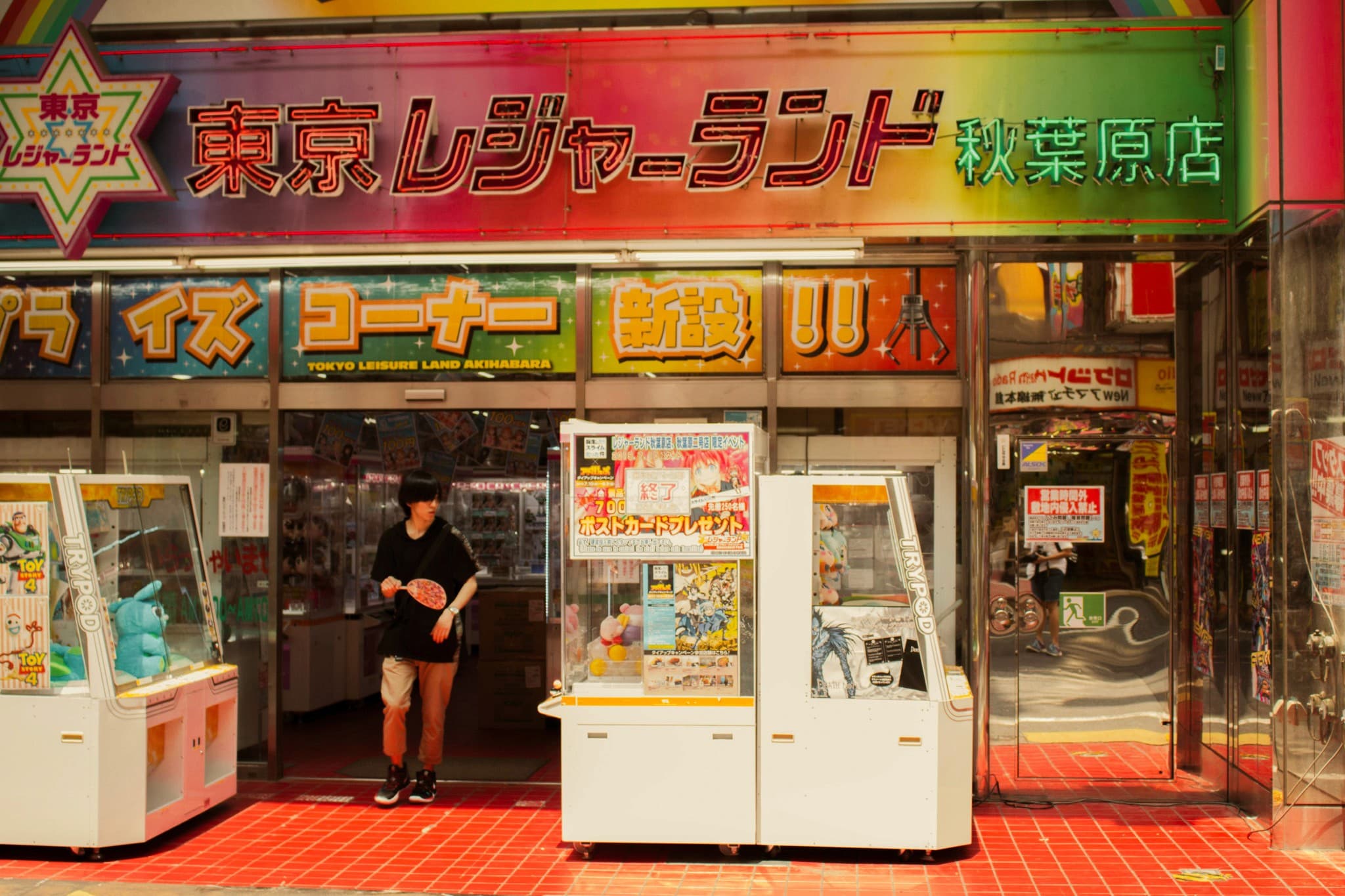
OTAKU CULTURE DECODED